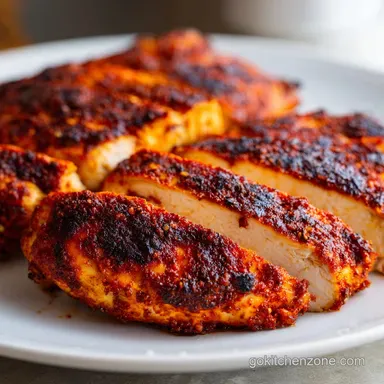
Cajun Chicken: Crispy and Bold
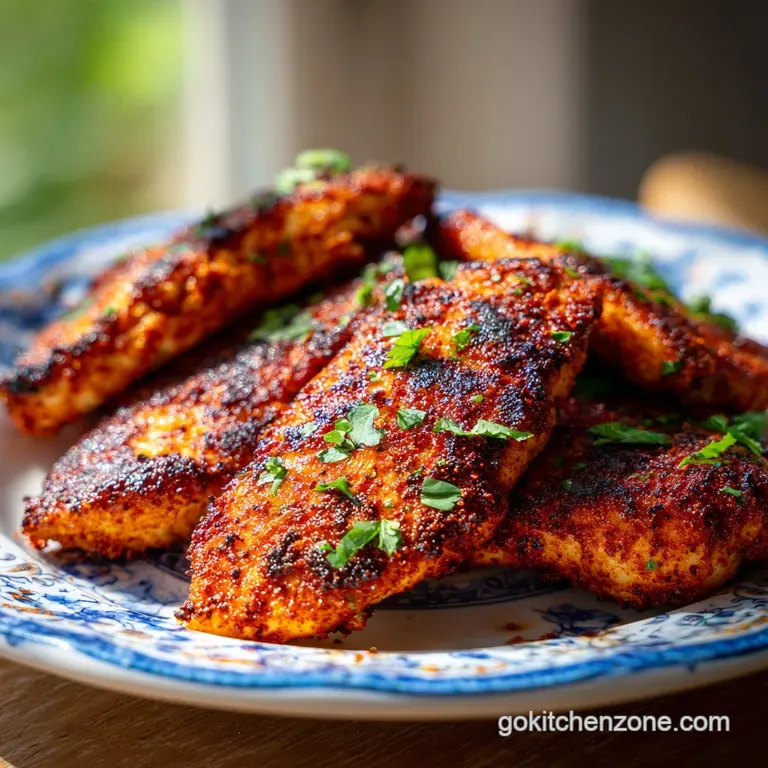
- Time: 10 min active + 20 min cooking = Total 35 min
- Flavor/Texture Hook: Shatter crisp spice crust with velvety butter basted finish
- Perfect for: Weeknight dinner struggle or high protein meal prep
- Hidden Secrets for the Best Crust
- Component Analysis
- Pantry Staples and Protein
- The Process for Searing Cajun Chicken
- Common Fixes for Better Results
- Customizing the Flavor Profile
- Adjustment Guidelines for Batching
- Truths About Searing Meat
- Storage and Zero Waste Guidelines
- Plating and Serving Suggestions
- Critical Sodium Level
- Recipe FAQs
- 📝 Recipe Card
Sizzle. That's the sound of dinner actually happening on a Tuesday. I remember one particular evening when I had exactly thirty minutes before the kids' activities started and a fridge full of plain chicken breasts.
I was tired of the same bland grilled versions, so I leaned into the spice cabinet and decided to go bold.
The smell of smoked paprika hitting a hot cast iron pan is honestly one of my favorite things in the world. It fills the whole house with this warm, woody aroma that makes you feel like you're in a kitchen in New Orleans rather than a suburban rental.
That first bite, where you get the salt and heat of the rub followed by the juicy center, is why I keep this on my permanent rotation.
This recipe for Cajun Chicken isn't about being a professional chef. It's about using a few simple tricks, like patting the meat bone dry and basting with butter at the end, to get a result that feels expensive but takes almost no effort.
We're going for a dark, rich color and a flavor that actually wakes up your taste buds.
Hidden Secrets for the Best Crust
The real trick here isn't the spices themselves, but how they interact with the heat. Most people just sprinkle the seasoning on and toss it in the pan, but that leads to spices that slide off or burn before the chicken is done.
By pressing the rub firmly into the meat, you create a concentrated layer that caramelizes into a crust.
Another thing people miss is the moisture. If the chicken is damp, it steams. Steaming is the enemy of the mahogany crust we're after. I've spent too many nights staring at grey, rubbery chicken because I didn't take ten seconds to use a paper towel. Dry meat means an immediate sear, which locks in those juices.
Finally, the butter finish is what separates a home cook's dish from something you'd pay for at a bistro. Adding butter in the last two minutes doesn't just add fat, it creates a foaming emulsion that carries the spices deeper into the meat and gives it a velvety sheen.
What makes it work
- Surface Dehydration: Removing surface moisture allows the pan's heat to hit the protein directly, creating a fast sear.
- Spice Caramelization: The sugars and oils in the paprika and garlic powder toast in the fat, creating a deep, savory flavor.
- Fat Emulsification: The butter foams and binds with the spice remnants in the pan, basting the meat in a concentrated flavor sauce.
- Carryover Cooking: Resting the meat allows the internal temperature to stabilize, preventing the juices from rushing out the moment you slice it.
| Method | Time | Texture | Best For |
|---|---|---|---|
| Fast Sear (This) | 35 mins | Crisp Crust, Juicy Middle | Weeknights |
| Classic Braise | 90 mins | Tender, Fall apart | Sunday Roast |
| Slow Cooker | 6 hours | Shredded, Soft | Meal Prep |
Component Analysis
Understanding why we use these specific ingredients helps you make better choices if you're missing something in the pantry.
| Ingredient | Science Role | Pro Secret |
|---|---|---|
| Smoked Paprika | Color & Earthiness | Provides the "mahogany" look without needing a grill |
| Avocado Oil | High Heat Stability | Won't smoke or burn at the temperatures needed for a sear |
| Unsalted Butter | Flavor Carrier | Added at the end to avoid burning while adding richness |
| Cayenne Pepper | Heat Source | Adjust based on your tolerance; it provides the "back of-throat" kick |
Pantry Staples and Protein
For this Cajun Chicken, you want breasts that are relatively even in thickness. If one end is huge and the other is thin, the thin part will dry out before the thick part is safe to eat. I usually slice them in half lengthwise or pound them slightly with a heavy pan to ensure a uniform cook.
The Spice Rub
- 2 tbsp smoked paprikaWhy this? Deep color and smoky depth
- 1 tbsp garlic powderWhy this? Pungent, savory base
- 1 tbsp onion powderWhy this? Adds a subtle sweetness
- 1 tsp dried oreganoWhy this? Earthy, herbal balance
- 1 tsp dried thymeWhy this? Classic Cajun aromatic
- 1/2 tsp cayenne pepperWhy this? The essential spicy kick
- 1 tsp saltWhy this? Enhances all other flavors
- 1 tsp cracked black pepperWhy this? Sharp, woody heat
The Cooking Base
- 1.5 lbs boneless skinless chicken breasts (approx 680g)Why this? Lean, fast cooking protein
- 2 tbsp avocado oilWhy this? High smoke point for searing
- 1 tbsp unsalted butterWhy this? Velvety finish and richness
Ingredient Swaps
| Original Ingredient | Substitute | Why It Works |
|---|---|---|
| Avocado Oil | Grapeseed Oil | Similar high smoke point. Note: Neutral flavor, works perfectly |
| Smoked Paprika | Regular Paprika | Similar color. Note: Loses the smoky depth, tastes milder |
| Chicken Breast | Chicken Thighs | More fat, harder to overcook. Note: More flavor, but higher calorie |
Right then, let's get into the actual flow. I like to treat this as a three phase process: prep, sear, and rest. If you rush the resting phase, you're essentially throwing away the juiciness you worked so hard to keep.
The Process for Searing Cajun Chicken
- Pat the chicken breasts completely dry with paper towels. Note: Any moisture will cause the meat to steam instead of sear.
- In a small bowl, whisk together the smoked paprika, garlic powder, onion powder, oregano, thyme, cayenne, salt, and pepper.
- Generously coat both sides of the chicken with the spice rub. Use your palms to press the spices firmly into the meat. Note: This ensures the rub doesn't just fall off in the pan.
- Heat avocado oil in a 12 inch cast iron skillet over medium high heat. Wait until the oil shimmers and just begins to smoke.
- Place chicken in the pan. Sear for 5-7 minutes per side without moving them. Cook until a dark mahogany crust forms and the internal temperature reaches 74°C (165°F).
- During the last 2 minutes of cooking, add the unsalted butter to the pan.
- Spoon the foaming butter over the chicken repeatedly. Note: This basting technique adds a velvety finish.
- Transfer the chicken to a plate.
- Let the meat rest for 5 minutes before slicing. Note: This redistributes the juices for a more tender bite.
Common Fixes for Better Results
Most issues with this dish come down to heat management. If the pan is too cold, the chicken boils in its own juices. If it's too hot, the spices burn and taste like charcoal before the middle is cooked.
Bitter or Burnt Spices
This usually happens because the pan was screaming hot or the chicken was too thin. When spices burn, they lose their complexity and become acrid. Lower your heat slightly and ensure you're using a high smoke-point oil like avocado oil.
Raw Middle but Burnt Outside
This is a classic problem with thick chicken breasts. The outside looks done, but the inside is still pink. The fix is to pound the chicken to an even thickness or finish the breasts in a 200°C oven for 5 minutes.
Rub Sliding Off the Meat
If your spice rub isn't sticking, it's because the meat was too wet or you didn't press it in. Always use paper towels first and literally push the spices into the fibers of the meat.
| Problem | Root Cause | Solution |
|---|---|---|
| Grey meat | Pan not hot enough | Wait for oil to shimmer before adding chicken |
| Acrid taste | Heat too high | Reduce to medium high; avoid high for whole duration |
| Dry texture | Overcooked/No rest | Use a thermometer; rest for 5 mins minimum |
Common Mistakes Checklist
- ✓ Did I pat the chicken dry with paper towels?
- ✓ Did I press the spice rub into the meat?
- ✓ Did I wait for the oil to shimmer?
- ✓ Did I leave the chicken alone for 5-7 minutes per side?
- ✓ Did I let it rest before slicing?
Customizing the Flavor Profile
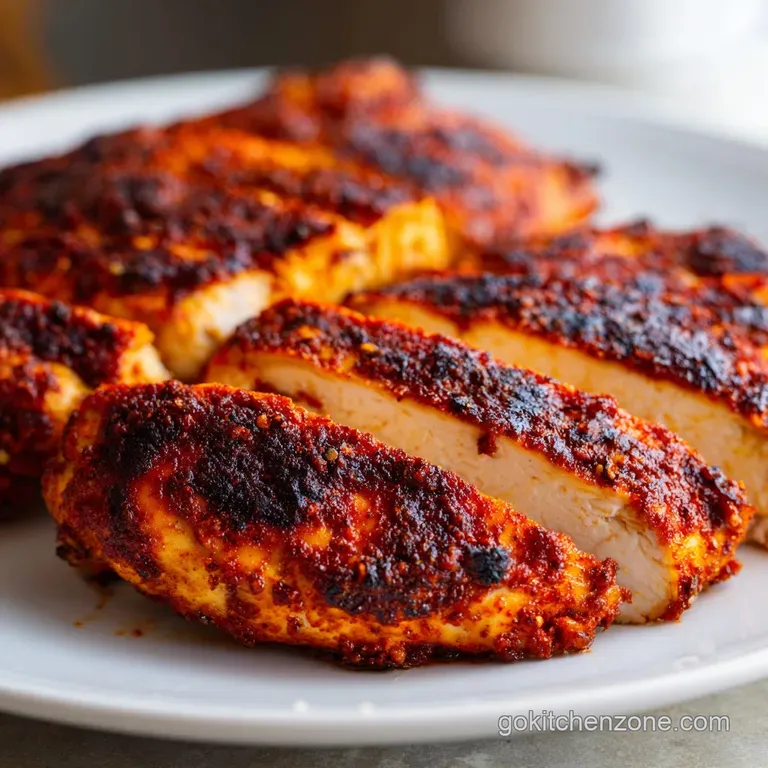
If you're looking to change the vibe of this dish, you can easily adapt it for different diets or preferences. For a more indulgent meal, I love turning this into a creamy Cajun chicken pasta. You can use a base like my Pink Sauce Pasta and simply slice the seared chicken on top. The acidity of the sauce cuts through the richness of the butter basted meat.
Alternative Protein Choices If you find breasts too lean, try Cajun chicken thighs. Thighs are much more forgiving because they have more fat, meaning they stay juicy even if you overcook them by a couple of minutes. Just increase the searing time slightly since thighs are often denser.
Dietary Adjustments - dairy-free: Simply swap the unsalted butter for a tablespoon of vegan butter or a bit more avocado oil. You'll lose a bit of that velvety finish, but the flavor remains bold.
- Low Sodium: Replace the salt in the rub with a pinch of citric acid or extra lemon zest. This provides a "bright" hit that mimics the flavor enhancement of salt without the sodium.
| Want this... | Do this... | Impact |
|---|---|---|
| More Heat | Add 1/2 tsp extra cayenne | Stronger spicy kick |
| Smarter Prep | Rub chicken 2 hours early | Deeper flavor penetration |
| Low Carb | Serve with sautéed spinach | Keeps it keto friendly |
Adjustment Guidelines for Batching
When you're cooking for a crowd, the biggest mistake is crowding the pan. If you put four large breasts in a small skillet, the temperature drops, and you'll end up with steamed chicken instead of a sear.
Cooking for Two (Half Batch) Use a smaller 8 inch or 10 inch skillet. Reduce the oil to 1 tbsp. The cooking time remains the same, but be careful not to overcook since smaller portions can heat through faster.
Cooking for a Crowd (2x-4x Batch) Work in batches. Sear two breasts at a time, remove them to a plate, and then start the next two. If you try to do it all at once, you'll lose the crust.
Also, don't double the salt and cayenne exactly - increase spices to about 1.5x first, then taste a small bit of the rub to see if it needs more.
Truths About Searing Meat
There are a few things people say about cooking chicken that just aren't true. Let's clear those up so you don't waste time on useless techniques.
One big one is that searing "seals in the juices." It doesn't. Moisture loss happens regardless of how you start the cook. The reason we sear is for the flavor and the texture. The crust adds a savory depth that you just can't get from poaching or baking.
Another myth is that you need to "brown" the meat for a long time to make it healthy. Browning is about taste, not nutrition. In fact, over browning can lead to bitter flavors. Once you hit that mahogany color, move on to the next step.
Storage and Zero Waste Guidelines
If you have leftover Cajun Chicken, it's actually fantastic for meal prep. Store it in an airtight container in the fridge for up to 4 days. To reheat it without drying it out, I recommend a splash of water or a tiny bit of butter in a pan over medium heat. Avoid the microwave if you want to keep that crust intact.
For the freezer, this meat lasts about 3 months. Slice it before freezing and flash freeze the pieces on a tray first so they don't clump together.
Zero Waste Tips
- Pan Drippings: Don't wash the pan immediately. Deglaze it with a splash of chicken stock or white wine to make a quick pan sauce.
- Spice Leftovers: If you have extra rub, use it on roasted potatoes or cauliflower. It's basically a homemade Cajun seasoning.
- Chicken Scraps: If you trimmed any fat or small bits from the breasts, toss them into a freezer bag for your next homemade stock.
Plating and Serving Suggestions
To make this look like it came from a restaurant, slice the chicken on a bias (diagonally) and fan the pieces across the plate. This shows off the juicy interior against the dark crust.
The "Bistro Style" Pairing Serve the chicken over a bed of sautéed kale or garlicky spinach. To add a bit more luxury, drizzle a small amount of Garlic Butter Sauce over the top just before serving. The garlic complements the Cajun spices perfectly.
The "Homestyle" Pairing Go for a classic side of dirty rice or corn on the cob. The sweetness of the corn balances the heat of the cayenne pepper. I also love serving this with a side of coleslaw to provide a cool, crunchy contrast to the warm, velvety meat.
According to USDA data, chicken is ready when an instant read thermometer inserted in the thickest part of chicken registers 74°C (165°F). Always trust your thermometer over your eyes to ensure the meat is safe but not overcooked.
Critical Sodium Level
1150 mg 1150 mg of sodium per serving (50% 50% of daily value)
The American Heart Association recommends a limit of 2,300 mg of sodium per day for most adults, with an ideal limit of 1,500 mg for those with hypertension.
Tips to Reduce Sodium in Your Chicken Recipe
-
Reduce Added Salt-25%
The 1 tsp of salt is the primary sodium source. Replace it with a salt-free seasoning blend or reduce the amount by half.
-
Use Citrus for Brightness-10%
Squeeze fresh lemon or lime juice over the chicken after cooking. The acidity mimics the flavor of salt, allowing you to use less.
-
Swap for Fresh Aromatics-5%
Replace garlic and onion powders with fresh minced garlic and onion to increase flavor intensity without adding sodium.
-
Boost Herb Profile
Double the amount of dried oregano and thyme to enhance the savory, earthy notes of the dish naturally.
Recipe FAQs
What is Cajun chicken made out of?
Chicken breasts seasoned with a savory spice rub. The blend consists of smoked paprika, garlic powder, onion powder, oregano, thyme, cayenne, salt, and black pepper, seared in avocado oil and finished with butter.
Is Cajun sweet or spicy?
It is spicy and savory. The heat comes primarily from the cayenne pepper and smoked paprika, with no sugar or sweetening agents in the official rub.
Is Louisiana Cajun seasoning good on chicken?
Yes, it is an ideal pairing. The bold, aromatic spices penetrate the meat and create a flavorful crust during the searing process. This pairs perfectly with a side of Louisiana fries.
How to get a dark mahogany crust on the chicken?
Pat the chicken breasts completely dry with paper towels before seasoning. Sear in shimmering avocado oil over medium-high heat for 5–7 minutes per side without moving the meat.
Is it true you must flip the chicken frequently for an even sear?
No, this is a common misconception. Leave the chicken undisturbed for 5–7 minutes per side to allow the dark mahogany crust to form properly.
How to store and reheat leftovers?
Keep in an airtight container in the fridge for 4 days or the freezer for 3 months. Reheat in a pan over medium heat with a splash of water or butter to keep the crust intact.
How to ensure the chicken stays juicy?
Rest the meat for 5 minutes on a plate after cooking. This allows the juices to redistribute throughout the breast before you slice it.
Cajun Chicken in 30 Minutes: Crispy