Lasagna Cheese Filling with Ricotta and Cottage Cheese
Mixing ricotta with strained cottage cheese keeps pasta layers stable. This Lasagna Cheese Filling i...
20 Mins
Easy dinner, breakfast, lunch and snack recipes with clear steps, realistic cooking times and substitution tips for busy weeknights.

Almond flour and olive oil create a golden crust for this Gluten Free Baked Tilapia. The nut-based coating stays crisp and juicy in 25 min.
View Recipe
Mixing ricotta with strained cottage cheese keeps pasta layers stable. This Lasagna Cheese Filling i...
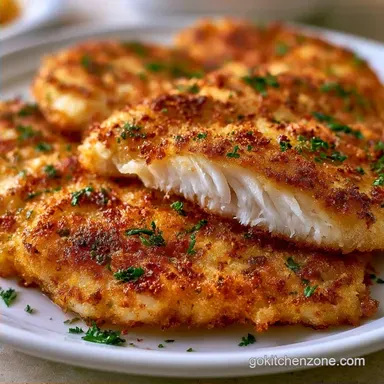
Crispy Gluten Free Breaded Tilapia has a satisfying crunch without the wheat. High heat oil creates ...
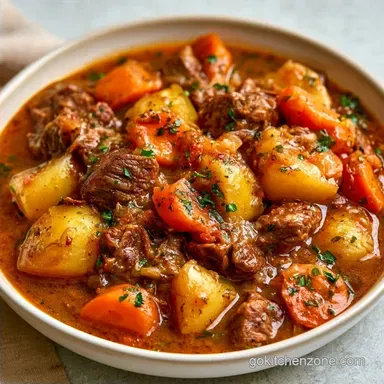
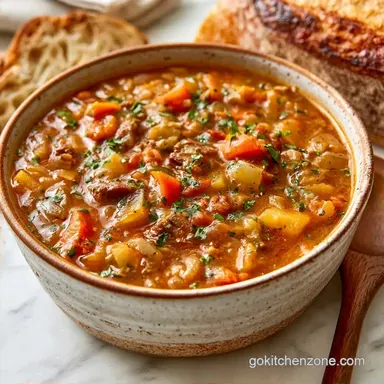
This thick and chunky meal is a hearty Crock Pot Hamburger Soup. Our quick recipe details show how t...
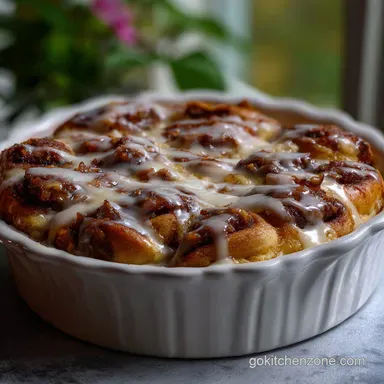
Pour a cream and egg custard over the rolls, then bake this Cinnamon Roll Casserole until the edges ...

An overnight soak lets the potatoes absorb the seasoned egg mixture. This Christmas Morning Breakfas...
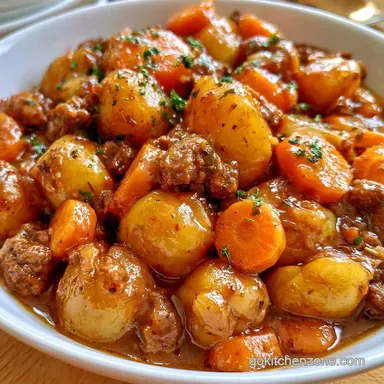
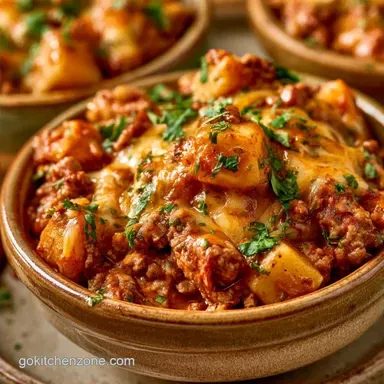
Lean ground beef, Yukon Gold potatoes, and onion make this Crock Pot Ground Beef Stew. It includes a...
Recipes grouped by theme for your next meal
Find 23 crockpot soup recipes, from potato and ground beef soups to vegetarian bean, chicken, and hi…
View Collection →Find 11 ground beef crockpot meals, from Poor Man's stew and taco soup to potato casseroles, stuffed…
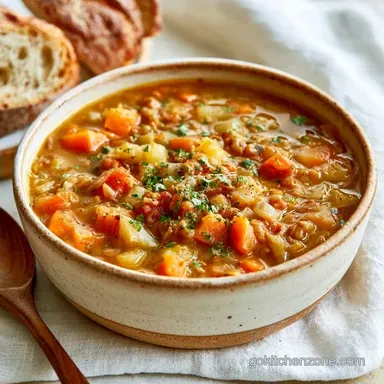
View Collection →Find healthy crockpot soup recipes with lentils, beans, vegetables, chicken, beef, tomato, potato, a…
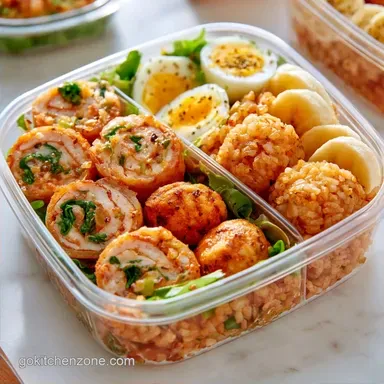
View Collection →Pack 25 kids lunch box meals, from Bento Box Lunch Kits and hot chickpea pitas to gluten free lunch …
View Collection →
Dinner recipes for every kind of evening, from 15-minute skillet meals to slow-cooked Sunday roasts.

Dips, party appetizers, homemade sausages, no-bake sweets and small-batch treats for gatherings or…

Breakfast recipes for rushed weekdays and slow weekends, from five-minute eggs to casseroles that…

Lunch recipes built for packing, from wraps and sandwiches to cold salads and soups that reheat…

Want a High Protein Tomato Soup for meal prep? This recipe uses blended cottage cheese for a creamy finish and includes a quick recipe specs section.

Simmer these staples to create a 4 Ingredient Potato Soup with Frozen. This recipe includes simple cooking steps and takes only 40 min to prepare.

Includes a cooking step by step guide to ensure the rice never gets mushy. Crock Pot Chicken and Rice Soup for busy families craving a hearty dinner.

Includes a breakdown of what each ingredient does. This Crockpot Potato Soup is for anyone needing a hearty, low-effort weeknight meal for the family.

A helpful component and substitute table is included. This Crockpot White Bean Soup is for anyone wanting a hearty meal with minimal prep.

Weeknight cooks need a reliable Slow Cooker Taco Soup. This guide includes a detailed breakdown in the making the soup section for a zesty result.
Four author profiles cover weeknight one-pan dinners, meal-prep lunches, budget breakfasts, and creative plant-based snacks.
See how Go Kitchen Zone recipes are developed.
About usGo Kitchen Zone is a collection of home-style recipes built around ordinary schedules: the weeknight dinner that has to be on the table by 7, the lunch you pack the night before, the breakfast you eat standing up. The recipes lean on supermarket ingredients and common kitchen equipment, and they are sorted into four categories so you can find something for the meal in front of you.
Dinner is the largest part of the site. The Dinner category covers one-pan meals, slow cooker recipes, pasta, baked chicken, soups and fish. Examples include Best Pot Roast Recipe, Shrimp Pasta Recipe with Butter Sauce, Creamy Crockpot Tortellini Soup and Lemon Pepper Baked Tilapia. If you cook for a busy household, the slow cooker soups and the sheet-pan and skillet meals are good places to start.
The Lunch category focuses on meals that pack well and hold up until noon: wraps, salads, bento-style boxes and make-ahead bowls. Mediterranean Chicken Wraps and Chickpea Salad Bento Box Meal Prep are typical examples. Most of these keep well in the refrigerator, so you can cook once and portion out several lunches.
In Breakfast you will find make-ahead options such as Berry Overnight Oats and baked dishes like quiche or a breakfast casserole, alongside weekend recipes such as heart-shaped waffles for a brunch table. Many can be assembled the evening before and baked or reheated in the morning.
The Snacks category includes appetizers, dips, no-bake treats and small sweets, for example Appetizer Recipe with Garlic and Parmesan, Peanut Butter Pie and Strawberry Roses. These work for after-school hunger, for guests, or for a dessert that needs no oven.
Beyond the four categories, recipes are grouped into themed collections, which help when you already know what you want to cook. A few of them:
Read the recipe through once before you start, and check that you have the ingredients and the time. A few habits make a real difference:
Refrigerate cooked food within two hours of cooking, or within one hour on a hot day. Store leftovers in shallow, covered containers so they cool quickly, and eat them within three to four days. Soups, stews, casseroles and cooked grains freeze well; cool them completely, leave a little room in the container for expansion, and label with the date.
Reheat leftovers until steaming hot throughout, and thaw frozen food in the refrigerator rather than on the counter. For meal prep, keep raw meat and ready-to-eat foods on separate boards and wash your hands and tools between them.
Each recipe is developed and edited for clear, numbered steps, realistic times and temperatures, ingredient substitutions and food-safety notes. Recipes are written by four author profiles, each with a focus area: Maxwell Reed on weeknight dinners and one-pan meals, Tara Mitchell on meal prep and healthy lunches, Diego Santos on quick breakfasts and budget cooking, and Lily Chen on creative snacks and plant-based meals.
Treat every recipe as a well-organized starting point: your oven, your ingredients and your own judgement still matter, and the thermometer has the final say on doneness.
If a step is unclear or you spot something that looks wrong, tell us through the Contact Us page. You can read more about the site on the About Us page, and details on cookies and data are in the Privacy Policy.