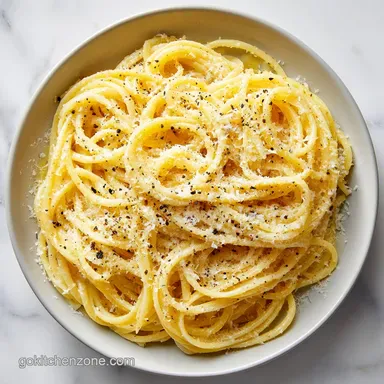
Garlic Parmesan Pasta: 15-Minute Meal
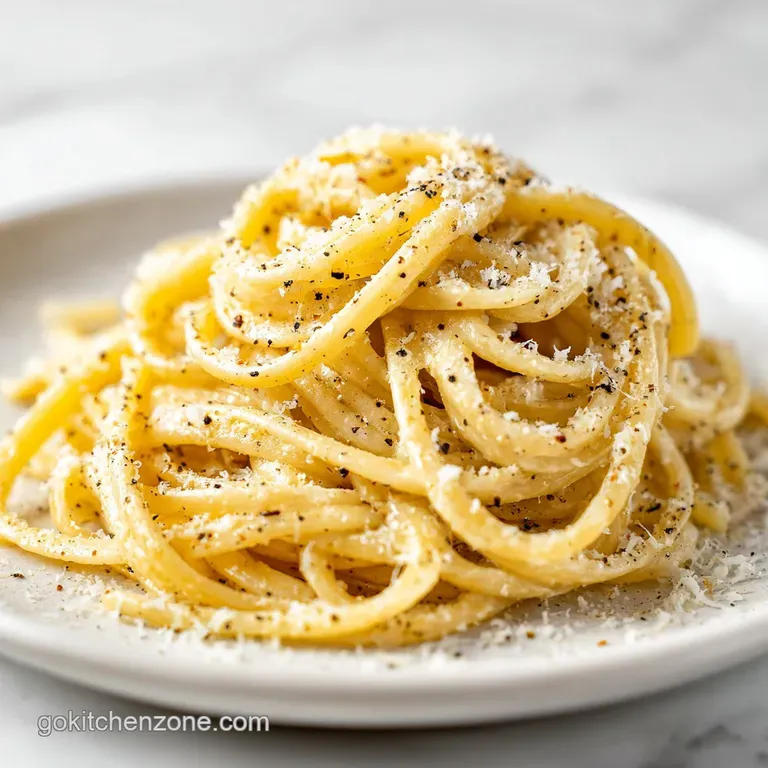
- Time: 5 min active + 10 min cook = Total 15 minutes
- Flavor/Texture Hook: Glossy, buttery sauce with a sharp, salty finish
- Perfect for: Weeknight dinner struggle, beginner cooks, or a quick craving
- Garlic Parmesan Pasta for Busy Nights
- The Sauce Logic
- Essential Ingredient Breakdown
- Gathering Your Essentials
- Required Kitchen Tools
- Easy Cooking Process
- Pro Tips and Pitfalls
- Simple Recipe Tweaks
- Adjusting the Batch
- Common Pasta Myths
- Leftover Storage Guide
- Best Side Dish Pairings
- Critical Sodium Level
- Recipe FAQs
- 📝 Recipe Card
Garlic Parmesan Pasta for Busy Nights
That first sizzle of minced garlic hitting melted butter is a sound that just means "dinner is almost ready." I remember the first time I tried to make this, I was in a rush and used the pre shredded Parmesan from a green shaker bottle.
I thought it would be faster, but the result was a grainy, clumping mess that tasted more like salt than cheese. It was a total disaster that almost made me order pizza.
Once I slowed down and grabbed a real block of Parmesan, everything changed. The way the finely grated cheese melts into the butter and pasta water creates a velvety coating that clings to every strand of linguine.
It's a simple shift, but it's the difference between a cafeteria meal and something that actually feels like a treat.
You can expect this Garlic Parmesan Pasta to be ready in a flash. There's no long simmering or complex roux involved. It's just a few steps, a bit of vigorous tossing, and a hit of lemon to wake everything up. It's the kind of meal that feels like a hug in a bowl but doesn't leave you scrubbing pots for an hour.
The Sauce Logic
- Starch Bridge: The reserved pasta water contains starch that acts as a glue, helping the fat from the butter and the protein from the cheese stay bonded.
- Fat Suspension: Butter creates a smooth base that carries the garlic flavor evenly across the pasta.
- Acid Balance: A small amount of lemon juice cuts through the richness of the cheese and butter, preventing the dish from feeling too heavy.
- Temperature Control: Using medium low heat prevents the cheese from breaking or turning into a clump of oil.
| Approach | Prep Time | Texture | Best For |
|---|---|---|---|
| Fast (This Recipe) | 5 minutes | Glossy & Light | Weeknight dinner |
| Classic (Creamy) | 30 minutes | Thick & Heavy | Dinner parties |
| Vegan Style | 15 minutes | Nutty & Smooth | dairy-free diets |
I've found that sticking to the "fast" method is usually better for daily meals. You get all the savory garlic punch without the heaviness of a traditional cream sauce, which can sometimes mask the flavor of the cheese.
Essential Ingredient Breakdown
| Ingredient | Science Role | Pro Secret |
|---|---|---|
| Pasta Water | Binder | Keep it salty; it's your only chance to season the noodle inside |
| Block Parmesan | Thickener | Grate it on the smallest holes for a faster melt |
| Unsalted Butter | Flavor Carrier | Use European style butter for a richer, silkier finish |
| Fresh Garlic | Aromatic | Mince it by hand rather than pressing for better texture |
Gathering Your Essentials
For the pasta base, you'll need: - 1 lb (450g) Spaghetti or Linguine Why this? Flat noodles hold the buttery sauce better - 1 tbsp (15g) Salt Why this? Essential for seasoning the pasta water
For the garlic butter sauce: - 4 tbsp (56g) Unsalted Butter Why this? Provides the rich, glossy base - 4 cloves (20g) Garlic, minced Why this? Fresh is non negotiable for the punchy flavor - 1 cup (100g) Parmesan cheese, freshly grated Why this? Melts smoothly without clumping - ½ cup (120ml) Reserved pasta water Why this? The secret to a velvety emulsion
For the finish: - ½ tsp (3g) Black pepper Why this? Adds a subtle heat to balance the fat - ¼ tsp (1.5g) Salt Why this? Adjusts the final seasoning - 1 tsp (5ml) Lemon juice Why this? Brightens the heavy flavors - 2 tbsp (8g) Fresh parsley, chopped Why this? Adds a fresh, herbal note and color
| Original Ingredient | Substitute | Why It Works |
|---|---|---|
| Spaghetti (1 lb) | Fettuccine (1 lb) | Similar starch content. Note: Heavier feel in the mouth |
| Unsalted Butter | Margarine (4 tbsp) | Similar fat levels. Note: Less rich, slightly artificial taste |
| Parmesan (1 cup) | Pecorino Romano (1 cup) | Same hardness. Note: Much saltier and tangier |
| Lemon Juice (1 tsp) | White Wine (1 tsp) | Provides acidity. Note: Adds a fermented, complex depth |
If you're looking for a different vibe, you can easily turn this into a Garlic Parmesan Pasta with Chicken by searing a breast in the pan before the butter. If you're in the mood for seafood, a Garlic Parmesan Pasta with Shrimp works beautifully since shrimp cook in the same time it takes to sauté the garlic.
Required Kitchen Tools
You don't need a professional setup for this. A large pot for the noodles and a wide skillet are the basics. I prefer a stainless steel or cast iron skillet because they hold heat evenly. If you have a set of tongs, use them.
They're much better for tossing the pasta than a spoon, as they ensure every strand is coated without breaking the noodles. A microplane or the smallest holes on a box grater are also a must for the cheese.
Easy Cooking Process
- Bring a large pot of water to a rolling boil and add the 1 tbsp of salt.
- Add the pasta and cook until al dente (usually 1–2 minutes less than the package directions). Note: This prevents mushy pasta once it hits the skillet
- Before draining, reserve about 1 cup of the starchy pasta water, then drain the remaining pasta.
- Place a skillet over medium low heat and melt the butter until it begins to foam.
- Add the minced garlic and sauté for 1–2 minutes until fragrant and pale gold. Note: Do not let it brown or it will taste bitter
- Transfer the cooked pasta directly into the skillet with the garlic butter.
- Pour in ½ cup of the reserved pasta water and sprinkle in the freshly grated parmesan.
- Toss vigorously with tongs over medium heat for 1–2 minutes until the cheese melts into a glossy, velvety sauce.
- Remove from heat and stir in the black pepper, salt, lemon juice, and fresh parsley.
Chef's Note: To get that restaurant style gloss, don't stop tossing. The movement helps the starch in the water and the fat in the butter combine into a stable sauce.
Pro Tips and Pitfalls
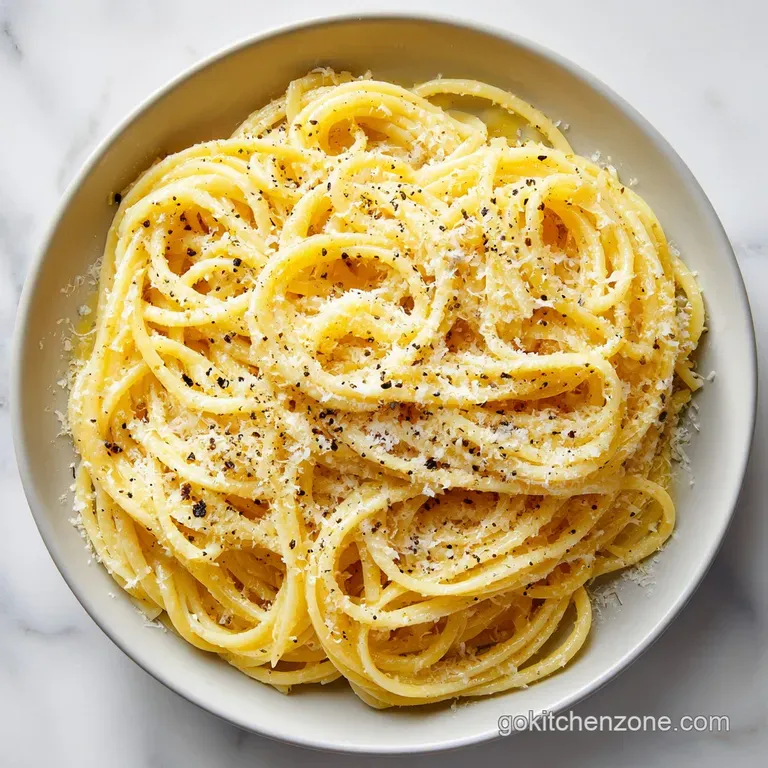
If you want to level up this Garlic Parmesan Pasta, try freezing your butter for 10 minutes before adding it to the pan. It slows down the melting process slightly, which helps the garlic infuse more deeply without burning. Another trick is to add a pinch of nutmeg.
It's so subtle you won't taste "nutmeg," but it makes the Parmesan taste more complex.
One common mistake is adding the cheese while the pan is on high heat. If the skillet is too hot, the proteins in the cheese will tighten up and separate from the fat, leaving you with a greasy pan and clumps of rubbery cheese. Keep the heat medium or lower during the final toss.
Sauce clumping or separating
This usually happens because the heat was too high or you didn't use enough pasta water. The water is what keeps the cheese fluid. According to the guides at Serious Eats, the starch in the water is the key to a stable emulsion.
| Problem | Root Cause | Solution |
|---|---|---|
| Grainy sauce | Pre grated cheese used | Use a block of Parmesan grated by hand |
| Bitter taste | Garlic burnt/browned | Sauté garlic on lower heat; start over if brown |
| Pasta too dry | Not enough pasta water | Add 1-2 tbsp more water and toss again |
Consistency Checklist:
- ✓ Pasta is al dente (firm to the bite)
- ✓ Garlic is pale gold, not dark brown
- ✓ Sauce is glossy, not oily
- ✓ Fresh parsley added at the very end
Simple Recipe Tweaks
If you're craving something even richer, this recipe is a great starting point, but you might prefer an Olive Garden style Alfredo for a heavier cream based experience. For those wondering about a Garlic Parmesan Pasta without cream, you're already there! This recipe relies on the emulsion of butter and water, which is lighter and cleaner.
Quick Decision Shortcut:Want more protein? Toss in grilled chicken or seared scallops. Want more greens? Stir in two handfuls of baby spinach during the final toss. Want more zing? Add a teaspoon of lemon zest along with the juice.
Adjusting the Batch
When scaling this Garlic Parmesan Pasta down to a single serving, use a smaller skillet to prevent the butter from spreading too thin and burning. Reduce the cook time for the garlic by about 30 seconds since there's less volume.
If you're doubling or tripling the recipe for a crowd, don't simply triple the salt and pepper. Start with 1.5x the seasonings and taste as you go. Liquids also behave differently in large batches, so you might need slightly less than 3x the pasta water to achieve the same velvety consistency.
Work in batches if your skillet isn't large enough; overcrowding the pan will steam the pasta rather than tossing it in the sauce.
Common Pasta Myths
Some people believe you should rinse pasta after draining to stop the cooking. Please, don't do this. Rinsing washes away the surface starch that this recipe depends on to make the sauce stick. You'll end up with a puddle of butter at the bottom of the bowl.
Another myth is that you need heavy cream to make a "creamy" pasta. As we've seen here, the combination of butter, finely grated cheese, and starchy water creates a silky texture that is often more satisfying than cream, which can feel overly heavy.
Leftover Storage Guide
Store any remaining Garlic Parmesan Pasta in an airtight container in the fridge for up to 3 days. Because the sauce is an emulsion, it will naturally thicken and soak into the noodles as it cools, which can make it look dry when you first open the container.
To reheat, place the pasta in a skillet over medium heat and add a splash of water or a tiny knob of butter. This re emulsifies the sauce and brings back that velvety gloss. Avoid the microwave if possible, as it tends to overcook the noodles and separate the fats.
For zero waste, don't throw away your Parmesan rinds! Toss them into a pot of simmering soup or a slow cooked sauce to add a deep, salty complexity. You can also use the leftover pasta water (if you didn't use it all) as a base for a quick vegetable glaze.
Best Side Dish Pairings
This dish is rich and savory, so it pairs best with something bright or acidic. A simple arugula salad with a lemon vinaigrette is a classic choice. If you want something more substantial, this pasta goes great with a cheesy broccoli casserole to double down on the comfort food vibes.
For a lighter side, try roasted asparagus or sautéed zucchini. The charred flavor of the vegetables cuts through the butteriness of the Garlic Parmesan Pasta. If you're serving this for a dinner party, a piece of crusty garlic bread is almost mandatory to soak up every last drop of that glossy sauce.
Right then, you've got everything you need to nail this. Just remember: grate your own cheese, save that starchy water, and keep the garlic pale. Trust me, once you stop using the shaker bottle, you'll never go back. Happy cooking!
Critical Sodium Level
1150 mg 1150 mg of sodium per serving (50% 50% of daily value)
The American Heart Association recommends a daily sodium limit of no more than 2,300 mg, and ideally less than 1,500 mg for most adults to reduce the risk of cardiovascular disease.
Tips to Reduce Sodium
-
Reduce Pasta Water Salt-30%
Cut the 1 tbsp of salt used for boiling the pasta by half or remove it entirely; a significant amount of sodium is absorbed into the noodle during cooking.
-
Omit Added Salt-25%
Eliminate the ¼ tsp of salt added to the sauce, as the Parmesan cheese already provides a strong salty profile.
-
Limit Parmesan Cheese-15%
Reduce the 1 cup of Parmesan cheese by half or substitute a portion with nutritional yeast for a similar nutty, salty taste with less sodium.
-
Boost Citric Acid-10%
Increase the lemon juice from 1 tsp to 1 tbsp to enhance the 'brightness' of the dish, which tricks the palate into needing less salt.
-
Amplify Fresh Aromatics
Double the amount of fresh parsley and minced garlic to add depth and complexity to the flavor profile without adding any sodium.
Recipe FAQs
Can I use pre-shredded parmesan?
No, use freshly grated cheese. Pre-shredded versions contain anti-clumping agents that prevent a smooth melt, which results in a grainy, clumping sauce.
Why is my sauce clumping?
The heat is too high or the cheese was added too quickly. Toss the pasta vigorously over medium heat and add more reserved pasta water to help the cheese emulsify into a glossy sauce.
How to prevent the garlic from burning?
Sauté over medium-low heat for 1–2 minutes. Stir constantly until the garlic is fragrant and pale gold; any darker and it will taste bitter.
Is it true I need heavy cream to make the sauce creamy?
No, this is a common misconception. The combination of starchy pasta water and butter creates a velvety emulsion that clings to the pasta without needing cream.
How to store leftovers?
Refrigerate in an airtight container for up to 3 days. When reheating, add a splash of water or butter to restore the creamy consistency.
Can I use a different pasta shape?
Yes, most long or short pastas work. While spaghetti and linguine are standard, shells or penne also hold the garlic butter sauce effectively.
What should I serve this with?
Pair it with a light starter. This salty pasta balances well with a fresh homemade tomato soup to create a complete meal.
Garlic Parmesan Pasta in 15 Minutes