Simple Brown Sauce: Concentrated and Silky
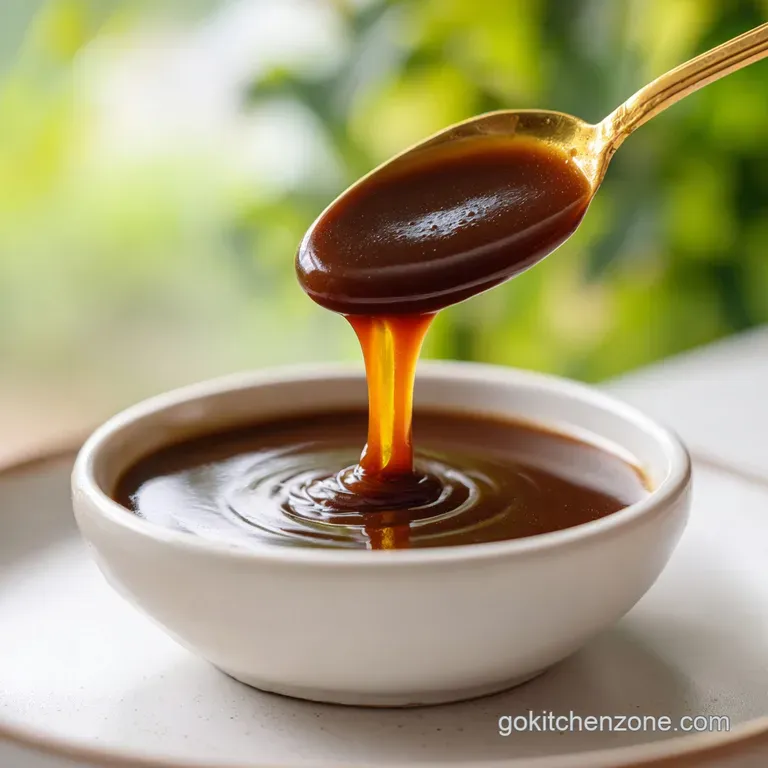
- Time: Active 10 minutes, Passive 20 minutes, Total 30 minutes
- Flavor/Texture Hook: Silky, tangy, and deeply concentrated
- Perfect for: Weeknight steak, meatballs, or roasted vegetables
- Why These Simple Ingredients Work
- The Physics of the Gloss
- Component Analysis for Peak Umami
- Kitchen Tools for Silky Textures
- Mastering the Perfect Reduction Steps
- Common Pitfalls and Quick Fixes
- Flavor Variations for Every Meal
- Handling Leftovers and Scaling Needs
- Handling Leftovers and Zero Waste
- Debunking Searing and Seasoning Myths
- Recipe FAQs
- 📝 Recipe Card
Why These Simple Ingredients Work
Building a complex flavor profile quickly requires understanding how different types of acidity and sugars interact. We aren't just boiling liquid; we are transforming it through a few key scientific principles.
- Maillard Concentration: Tomato paste and shallots undergo browning, creating new flavor compounds that mimic long simmered stocks.
- Viscosity Control: Reducing the beef bone broth by half concentrates natural gelatins, creating a natural thickener without flour.
- Emulsification Finish: Whisking in cold butter at the very end creates a fat in-water emulsion that reflects light for a glossy look.
- Acidic Balance: Balsamic vinegar and tamarind provide a dual layered tartness that cuts through the heavy fat of meat.
| Method | Time | Texture | Best For |
|---|---|---|---|
| Fast Reduction | 20 minutes | Concentrated, thick glaze | Steak, pork chops, pan sears |
| Classic Espagnole | 2 hours | Lighter, thinner consistency | Large roasts, holiday dinners |
| Cornstarch Slurry | 10 minutes | Jelly like, very translucent | Quick stir fries or meatballs |
This specific method focuses on the fast reduction because it provides the most intense flavor for the least amount of effort. If you find yourself in a rush, similar to the quick techniques in this Louisiana Voodoo Fries recipe, focusing on the over high heat sear of the aromatics is your best bet for success.
The Physics of the Gloss
The secret to that professional sheen is called "monumental mounting" or monter au beurre. By whisking 1 tbsp cold unsalted butter into the hot, reduced liquid away from the heat, you trap tiny fat droplets within the sauce.
This prevents the sauce from looking dull and gives it a velvety mouthfeel that coats the tongue.
Component Analysis for Peak Umami
| Ingredient | Science Role | Pro Secret |
|---|---|---|
| Tamarind Paste | Complex Acid | Provides a "hidden" sourness that mimics expensive aged vinegars. |
| Date Syrup | Natural Sugar | The high fructose content caramelizes faster than white sugar. |
| Tomato Paste | Glutamate Source | Acts as the savory anchor; must be "toasted" in the pan first. |
| Bone Broth | Gelatin Base | Essential for body; standard broth won't thicken as effectively. |
You don't need a massive grocery list to make this happen. Most of these items are likely sitting in your pantry or fridge door right now.
- 1 tbsp Extra virgin olive oil: (Sub: Ghee - higher smoke point, nuttier aroma)
- 1 small Shallot: (Sub: Red onion - slightly sharper, but works well) Why this? Shallots melt into the sauce better than pungent onions.
- 2 cloves Garlic: (Sub: 0.5 tsp Garlic powder - add with broth to avoid burning)
- 2 tbsp Tomato paste: (Sub: Sun dried tomato pesto - adds extra herbal notes)
- 0.5 tsp Smoked paprika: (Sub: Liquid smoke - use only 1 drop for similar depth)
- 2 cups Beef bone broth: (Sub: Mushroom broth - keeps it savory for vegetarians) Why this? Bone broth has the collagen needed for a natural "cling."
- 3 tbsp Balsamic vinegar: (Sub: Sherry vinegar - lighter but still complex)
- 1 tbsp Worcestershire sauce: (Sub: Soy sauce + 1 tsp lemon juice)
- 1 tbsp Tamarind paste: (Sub: Extra lime juice + touch of brown sugar)
- 2 tsp Date syrup: (Sub: Molasses - darker, more bitter sweetness)
- 0.5 tsp Black pepper: (Sub: White pepper - for a more floral, sharp heat)
- 1 tbsp Cold unsalted butter: (Sub: Cold coconut cream - adds a tropical vibe)
- 0.25 tsp Salt: (Sub: Sea salt - use slightly less due to flake size)
Kitchen Tools for Silky Textures
To get the best results, you need a heavy bottomed saucepan. A thin pot will create hot spots that burn the tomato paste before the shallots are soft. I personally love using a small enameled cast iron pot because it holds heat so consistently.
You’ll also want a high-quality whisk to ensure the butter incorporates smoothly at the end without breaking the emulsion. A fine mesh strainer is optional but highly recommended if you want a perfectly smooth, debris free result.
Mastering the Perfect Reduction Steps
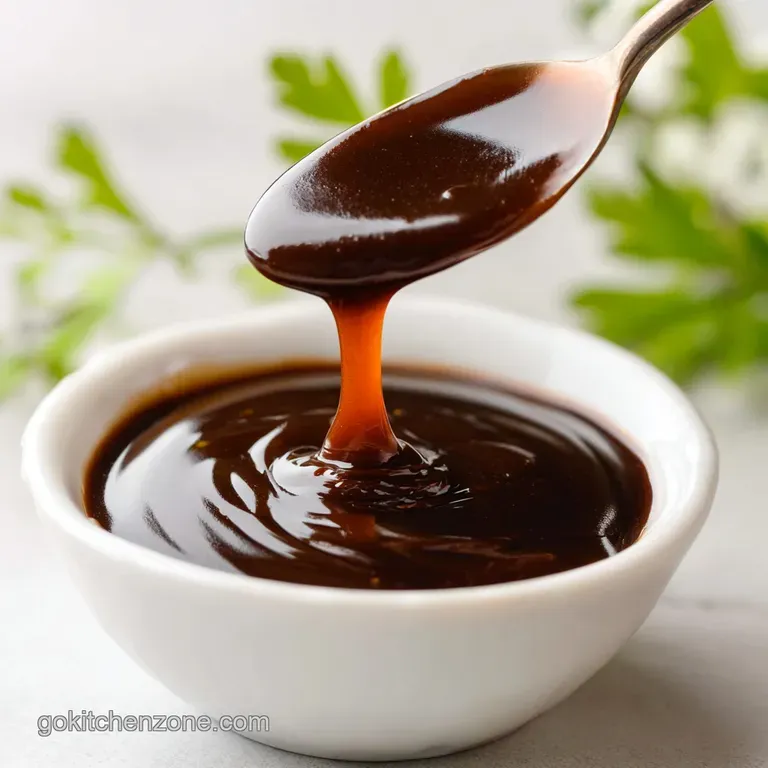
- Sauté the aromatics. Heat the 1 tbsp Extra virgin olive oil in a saucepan over medium heat. Add the 1 small shallot and cook for 3 minutes until translucent and fragrant.
- Infuse the garlic. Stir in the 2 cloves minced garlic. Cook for 1 minute until you smell a toasted aroma. Note: Don't let it brown or it turns bitter.
- Caramelize the paste. Add 2 tbsp Concentrated tomato paste and 0.5 tsp Smoked paprika. Stir constantly for 2 minutes until the paste turns a dark brick red.
- Deglaze the pan. Pour in 3 tbsp Balsamic vinegar and 1 tbsp Worcestershire sauce. Scrape the bottom of the pan until all the brown bits dissolve.
- Build the body. Whisk in 2 cups beef bone broth, 1 tbsp Tamarind paste, and 2 tsp Date syrup.
- Simmer and reduce. Bring to a boil, then lower to a simmer for 15 minutes until the liquid reduces by half.
- Season the base. Add 0.5 tsp Black pepper and 0.25 tsp Salt. Taste and adjust.
- Mount with butter. Remove from heat. Whisk in 1 tbsp cold unsalted butter until the sauce is glossy and thick.
- Strain for silkiness. Pour the sauce through a fine mesh sieve into a bowl until all solids are removed.
- Rest before serving. Let it sit for 2 minutes until it thickens slightly more.
Common Pitfalls and Quick Fixes
Why Your Sauce Is Thin
If your sauce looks more like juice than glaze, it simply hasn't reduced enough. The water in the broth needs to evaporate to leave the gelatin and sugars behind. Just keep simmering!
| Problem | Root Cause | Solution |
|---|---|---|
| Separated Sauce | Butter was added to boiling liquid | Remove from heat and whisk in 1 tsp cold water rapidly. |
| Excessive Salt | Broth was not low sodium | Add a splash of water and 1 tsp extra date syrup to balance. |
| Bitter Aftertaste | Garlic or tomato paste scorched | Add a pinch of baking soda to neutralize the acridity. |
Common Mistakes Checklist
- ✓ Always use cold butter; warm butter will melt too fast and won't emulsify.
- ✓ Don't skip the "toasting" of the tomato paste; it's where the deep color comes from.
- ✓ Avoid high sodium broth; as the sauce reduces, the saltiness triples.
- ✓ Whisk constantly during the final butter stage to prevent "breaking."
- ✓ Strain the sauce while hot; once it cools, it becomes too thick to pass through a sieve.
Flavor Variations for Every Meal
If you want a Chinese style brown sauce, swap the balsamic for rice vinegar and the Worcestershire for oyster sauce. Add a teaspoon of grated ginger during the shallot step. It’s a completely different vibe but uses the same reduction technique.
For a Vegan friendly version, use a high-quality mushroom stock. Instead of butter at the end, whisk in a teaspoon of tahini or a cold knob of vegan butter. The tahini adds a lovely nuttiness that mimics the richness of dairy.
Handling Leftovers and Scaling Needs
Adjusting the Batch
- Reducing the yield: If you only need a little, you can halve everything, but reduce the simmering time by about 20%. Keep a close eye on it as smaller amounts burn faster.
- Feeding a crowd: Double the recipe easily. However, don't double the salt or spices immediately. Use 1.5x the paprika and salt, then taste at the end. It takes longer to reduce a larger volume, so expect an extra 10 minutes of simmering.
| Original Ingredient | Substitute | Why It Works |
|---|---|---|
| Beef Bone Broth | Chicken Bone Broth | Lighter flavor. Note: Sauce will be more golden than deep brown. |
| Balsamic Vinegar | Red Wine + Sugar | Mimics the sweetness and acidity of aged balsamic. |
| Butter | Heavy Cream | Creates a "creamy" brown sauce. Note: Less glossy, more opaque. |
Handling Leftovers and Zero Waste
Storage: This sauce keeps beautifully in the fridge for up to 5 days. Put it in a glass jar with a tight lid. It will thicken into a jelly like consistency when cold because of the gelatin in the bone broth this is a sign of a great sauce!
Freezing: You can freeze this for up to 3 months. I recommend using an ice cube tray. Once frozen, pop the "sauce cubes" into a freezer bag. You can grab one or two to toss into a pan when you're making a quick stir fry.
Zero Waste Tip: If you have leftover shallot skins or garlic ends, don't toss them! Toss them into a freezer bag of veggie scraps to make your own broth later. Also, if you have just a tablespoon of sauce left, stir it into your next batch of Brown Gravy Recipe to add an incredible punch of flavor.
Debunking Searing and Seasoning Myths
One common myth is that you must use expensive wine to get a good "brown" flavor. In reality, the balsamic vinegar and tomato paste do the heavy lifting here for a fraction of the cost. Another misconception is that you should season with salt at the beginning.
Because we are reducing the liquid by half, the saltiness will concentrate. Always wait until the very end to do your final salt adjustment, or you'll end up with a salt bomb.
Finally, people often think you need flour or cornstarch for thickness. While those work, they can make the sauce look cloudy. A true reduction relies on the natural proteins and sugars, which results in a much cleaner, more vibrant flavor on the plate. Trust the process and let that simmer do the work for you!
Recipe FAQs
What are some brown sauces?
Many types exist, often categorized by their base stock. Classic examples include Espagnole (a mother sauce), demi glace, gravy, and pan sauces made from meat drippings. Our recipe focuses on a fast, concentrated reduction, similar in principle to the base used in our How to Make recipe.
What are the 5 types of sauces?
They are the five French Mother Sauces: Béchamel, Velouté, Espagnole, Hollandaise, and Tomato. Brown sauce, in the general sense, is often related to Espagnole or meat based Velouté sauces, built on brown stocks.
What is the best brown sauce?
The best sauce is subjective, depending entirely on the dish it accompanies. For a rich steak, a classic red wine reduction is hard to beat, but for speed and punchy flavor, a heavily reduced pantry sauce like this one is superior.
What is brown sauce sauce?
This phrasing usually refers to a specific type of commercial British condiment. It is a sweet, spicy, and tangy table sauce, very different from a culinary brown sauce made from stock reduction. If you are using it as a pan sauce, you are likely trying to build a quick, tangy glaze.
How can I make this sauce glossy without flour or cornstarch?
Whisk in cold butter off the heat at the very end, known as monter au beurre. This technique creates a stable emulsion of fat within the liquid, which reflects light beautifully, giving you that professional sheen. If you master the controlled emulsification here, you'll find the same principle improves texture in many complex dishes, like our Ground Beef Stir recipe.
Why does my sauce taste too sharp or vinegary?
The sauce is likely under reduced or needs fat and sugar to balance the acid. Simmer for an extra 5 minutes to concentrate the sugars further, or whisk in the final tablespoon of cold butter more vigorously to incorporate the fat.
Can I use chicken broth instead of beef broth for a lighter brown sauce?
Yes, you can substitute chicken broth, but expect a lighter color and flavor profile. Chicken stock lacks the deep, roasted notes of beef stock, resulting in a sauce that leans more toward a light Velouté consistency. This lighter base works perfectly when pairing with white meats, such as in a Chicken Divan Recipe style dish.
Simple Brown Sauce Recipe
Ingredients:
Instructions:
Nutrition Facts:
| Calories | 40 kcal |
|---|---|
| Protein | 1.5 g |
| Fat | 2.2 g |
| Carbs | 3.8 g |
| Fiber | 0.3 g |
| Sugar | 2.7 g |
| Sodium | 58 mg |
