Old Fashioned Oven Baked Summer Sausage
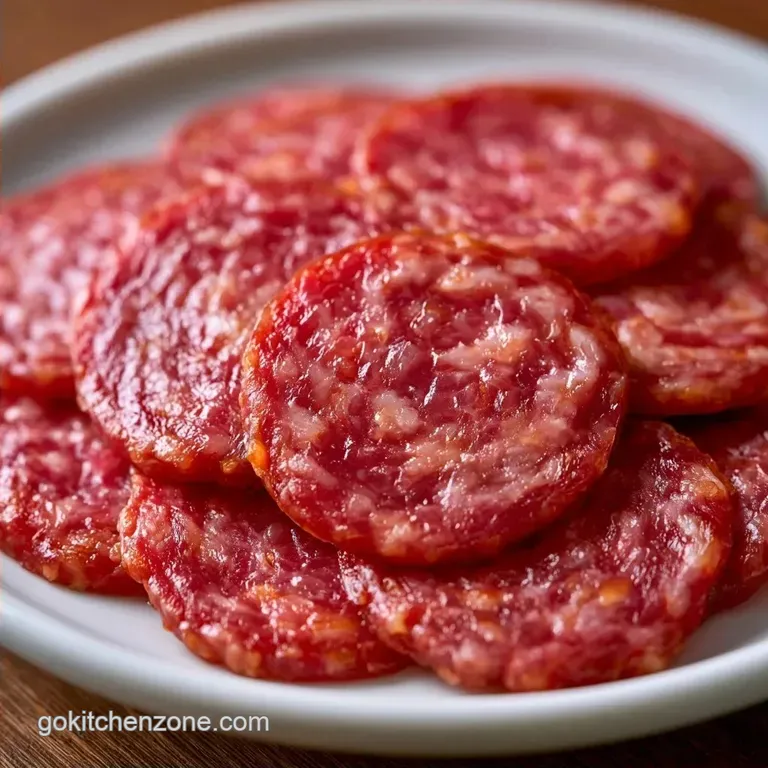
- Time: 20 min active + 30 hours total (including 24h cure)
- Flavor/Texture Hook: Dense, mahogany colored, and tangy
- Perfect for: Holiday platters, meal prep, or guest snacks
The smell of cloves and smoked paprika hitting the oven air always takes me back. I remember these logs being the center of every family reunion I went to as a kid. There was always this anticipation for the first slice, that specific mahogany color and the way the meat felt dense but not dry.
For a long time, I thought you needed expensive curing chambers or a professional smokehouse to get this result. I tried a few shortcuts, but they usually ended up tasting like oversized meatballs. It turns out the trick is all in the patience and the specific type of salt you use.
This Oven Baked Summer Sausage gives you that old-fashioned taste using just a standard oven. It isn't a fast process, but the effort pays off when you see those clean, professional slices on a board. You'll get a savory, tangy result that actually keeps in the fridge.
Oven Baked Summer Sausage
Let's dive into the fundamentals. This is a low and slow undertaking. You can't hurry the curing or the cooling process, as that would compromise the texture. It's a project designed for those who appreciate a patient reward.
The curing stage means this takes some time. While it isn't a "30-minute meal," the active effort is minimal, making it manageable even during a hectic week. Just handle the prep, let it rest for a day, and then let the oven do the hard work.
Be patient with the resting time. Slicing it while warm will cause the juices to bleed and leave the texture feeling too soft. The real magic happens during the final four hour chill in the fridge.
Why the Texture Works
That signature snap and vibrant color are intentional, resulting from specific protein binding and salt reactions.
Tacky Meat: A few minutes of kneading breaks down the proteins to help them fuse. This produces a firm, springy consistency instead of a crumbly texture.
Cold Curing: A 24-hour rest ensures salts seep deep into the meat fibers. This locks in the pink hue and keeps the flavor from becoming bland or "grey."
Low Temp Bake: Cooking at 275°F ensures the fat stays inside the meat. At higher temperatures, the fat drips away, leaving you with a shrunken, dry log.
Shopping List Breakdown
You'll need a few specific spices for that authentic taste. Most of these are in the baking aisle, but the Prague powder is the most important part.
| Ingredient | Role | If You Don't Have It |
|---|---|---|
| Ground Beef (80/20) | Base fat and protein | Ground pork (adds more richness) |
| Prague Powder #1 | Cures meat and keeps color | Pink curing salt (must be #1) |
| Smoked Paprika | Earthy, smoky depth | Regular paprika + pinch of cumin |
| Ground Cloves | Warm, aromatic note | Ground allspice (increase amount) |
For the beef, stick to 80/20. If you go too lean, the sausage will be dry and crumbly. According to USDA FoodData, the fat content in beef is what carries the flavor of the spices.
Tools You'll Need
This recipe calls for very simple equipment. You won't need any specialty gear.
- Large mixing bowl (stainless steel or glass)
- Heavy duty plastic wrap (the kind that doesn't tear easily)
- Baking sheet
- Parchment paper
- Instant read thermometer
I recommend a digital thermometer over a pop-up version. It's important to know the exact moment the center hits 160°F so you can avoid overcooking.
From Prep to Plate
Adhere strictly to these directions. The kneading and wrapping stages are critical and should not be rushed.
- In a bowl, combine 2 lbs ground beef with 1 tsp Prague Powder #1, 2 tbsp kosher salt, 1 tbsp brown sugar, 1 tbsp smoked paprika, 1 tsp garlic powder, 1 tsp onion powder, 1/2 tsp ground cloves, 1/2 tsp ground allspice, and 1/2 tsp black pepper.
- Hand-knead the meat for 3-5 minutes. Note: Cease kneading once the mixture becomes tacky and adheres to your hands.
- Separate the mixture into four even portions.
- Set each piece on plastic wrap and shape them into firm cylinders.
- Tightly twist the ends of the wrap. Note: Ensure all air is pushed out to achieve a pressurized skin.
- Let the logs chill in the refrigerator for 24 hours.
- Set your oven to 275°F (135°C) and line a baking sheet with parchment paper.
- Take off the plastic and roast for 2 hours, turning once midway. Ensure the internal temperature hits 160°F. Refer to Serious Eats for guidelines on safe ground meat temperatures.
- Allow it to reach room temperature on the pan, then enclose in parchment.
- Keep refrigerated for at least 4 hours before you slice it.
Chef's Note: If the beef is too sticky during the rolling process, dampening your hands with cold water will stop it from clinging to your palms.
The Trick Behind the Texture

The difference between a "homemade" taste and a "professional" taste is how you handle the meat before it hits the heat. Most people just mix and bake, but that's why their sausages are crumbly.
When you knead the meat, you're creating a protein matrix. This is the same logic used in making a Meat Sauce Recipe where the texture of the beef matters for the overall mouthfeel. In a sausage, this matrix traps the fat and moisture.
Also, the plastic wrap acts like a temporary casing. By twisting it tight, you force the meat to stay in a cylinder and prevent air from oxidizing the fat, which keeps the flavor clean.
Fresh vs Shortcut Comparison
| Feature | Fully Cured (This Way) | Quick Bake (No Cure) |
|---|---|---|
| Texture | Firm, springy snap | Soft, like a meatloaf |
| Color | Deep pink/mahogany | Greyish brown |
| Shelf Life | Long (due to nitrites) | Short (standard cooked meat) |
Fix Common Problems
Sometimes the logs don't turn out exactly as planned. Usually, it comes down to the mix or the temperature.
Grey center in the meat
This happens if the Prague powder wasn't mixed in well or if you skipped the 24 hour chill. Without the cure penetrating the center, the meat loses its pink hue.
Splitting or cracking logs
If the meat cracks during baking, the oven was likely too hot or you didn't knead it enough. The protein bonds need to be strong to hold the shape as the meat expands.
Texture is too soft
You probably sliced it too soon. The sausage needs that final 4 hour fridge rest to set the fats and proteins.
| Problem | Fix |
|---|---|
| Grey Middle | Knead longer and cure full 24h |
| Surface Cracks | Lower oven temp to 275°F |
| Soft Texture | Chill for 4 hours before slicing |
Adjusting the Batch Size
If you're making this for a crowd or just for yourself, you can change the volume easily.
Scaling Down (1 lb): Cut all ingredients in half. Use a smaller baking sheet and reduce the bake time by about 20%. Start checking the internal temp at 90 minutes.
Scaling Up (4 lbs): Double the meat and spices, but only increase the salt and Prague powder to 1.5x. Over salting is a real risk in larger batches. Work in batches when rolling the logs so they don't get too warm.
Decision Shortcut: - Smoked flavor? → Add 1 tsp liquid smoke to the mix. - Spicy kick? → Fold in 1 tbsp red pepper flakes. - Leaner meat? → Add 2 tbsp melted butter to keep it moist.
Keeping Your Sausage Fresh
Since this is a cured meat, it has a longer shelf life than a typical burger patty, though correct storage is still necessary to prevent spoilage.
Store sliced portions or whole logs in the refrigerator for up to 2 weeks. Wrap them tightly in parchment paper to ensure the edges don't dry out.
To freeze them, wrap the logs in freezer paper and then a layer of foil; they will stay fresh for 3 months. For the best texture, thaw them in the fridge overnight rather than using a microwave.
Pro Tip: If you have small scraps of sausage remaining, dice them into tiny pieces and sauté them to garnish a breakfast hash or stir into a pasta sauce.
Different Flavor Ideas
Experiment with the meat and spices to put your own spin on the flavor.
Venison Version: Use ground venison instead of beef. Because venison is leaner, stir in 1/4 cup of pork fat or melted butter to ensure the Oven Baked Venison Summer Sausage stays moist.
Amish Style: Boost the brown sugar and add a pinch of cinnamon to achieve the sweeter, old-world flavor typical of Pennsylvania Dutch cooking.
Spicy Pepperoni Style: Mix in 1 tbsp of crushed red pepper and 1 tsp of fennel seeds to turn the Easy Beef Summer Sausage into a spicy salami alternative.
Best Pairing Ideas
This sausage is rich and salty, so you need things that cut through that heaviness.
The classic move is a sharp white cheddar or a creamy brie. I love serving slices with a side of Homemade Ranch Dip for a bit of tang and coolness.
The Board Layout: Put the sliced sausage in the center and surround it with cornichons, grainy mustard, and sliced green apples. The acidity of the apples and mustard balances the fat of the meat.
The Breakfast Upgrade: Slice the sausage into thin rounds and sear them in a pan for 2 minutes per side. Serve them alongside over easy eggs and toasted sourdough for a heavy, savory breakfast.
Recipe FAQs
How long does summer sausage take to cook in the oven?
Bake for 2 hours at 275°F. Flip the logs halfway through to ensure a consistent mahogany color.
What internal temperature should summer sausage reach?
Cook the meat until the center reaches 160°F. Use an instant-read thermometer to confirm it is fully set.
Is it true that homemade summer sausage can be eaten without baking?
No, and here's why. This recipe uses raw ground beef that must be fully cooked to be safe for consumption.
Does baking at 400 degrees work better than lower temperatures?
False. High heat creates an uneven cook and ruins the dense texture, which is why 275°F is required.
How to serve beef summer sausages for guests?
Slice the chilled logs into thin rounds and arrange them on a platter with crackers. For another savory meat-focused meal, try our classic French dip.
Why is summer sausage different from other cured meats?
The specific combination of curing salt and a low-temperature bake creates a unique, dense snap. This differs from standard sausages which are typically cooked faster at higher heat.
Oven Baked Summer Sausage: Party-Ready