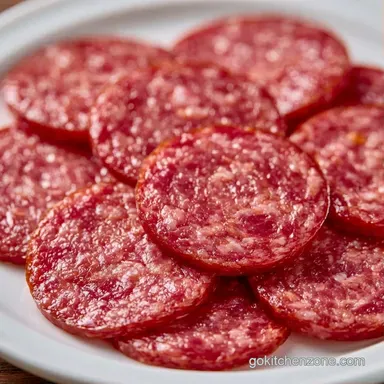
Old Fashioned Beef Summer Sausage
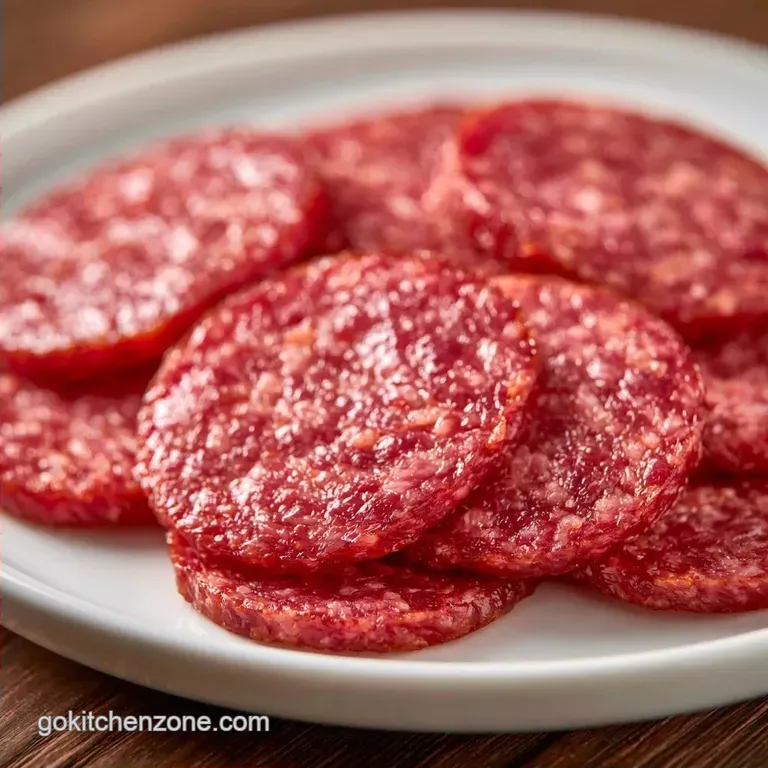
- Time: 30 min active + 24 hr curing + 6 hr cooking
- Flavor/Texture Hook: Tangy, firm, and smoky with a snap
- Perfect for: High protein desk lunches or charcuterie boards
The smell of curing meat and hickory smoke brings back memories of old school European deli counters. These sausages started as a way for settlers to preserve beef through warm months without the need for heavy industrial smoking. It's a tradition about patience and salt.
I used to buy the store-bought logs, but they always tasted like salt and preservatives. Making your own lets you control the fat and the smoke. You get a snack that actually feels like real food.
This version focuses on a low tool approach. You don't need a fancy smokehouse to get a professional result. We'll use a basic oven or smoker and a few household items to get that classic snap.
Beef Summer Sausage
The goal here is a semi dry sausage. It doesn't need to hang in a cellar for months. By using a curing salt and a controlled heat climb, we create a stable product that stays fresh in the fridge.
It's a smart addition to a lifestyle focused on prep. I often slice a log on Sunday and have protein packed snacks ready for the whole work week. It's far more efficient than prepping fresh meat every day.
Why it Works
The Temp Gradient: Raising the heat in stages prevents the fat from rendering out too quickly, which keeps the sausage juicy.
The Ice Bath: Plunging the meat into ice water stops the cooking instantly. This prevents the casing from shriveling and locks in the texture.
| Method | Time | Texture | Best For |
|---|---|---|---|
| Fresh / Raw | 20 min | Soft, loose | Breakfast patties |
| Cured / Cooked | 30+ hours | Firm, snappy | Long-term storage |
The Component Role
Understanding how the cure and the fats interact helps you avoid rubbery meat. According to USDA FoodData, the nitrates in curing salts are what maintain the pink color and prevent spoilage in semi dry sausages.
| Ingredient | What It Does | Best Swap |
|---|---|---|
| Prague Powder #1 | Cures meat and preserves color | None (essential for safety) |
| 80/20 Ground Beef | Provides structure and juiciness | 85/15 Beef (will be drier) |
| Liquid Smoke | Adds wood fire flavor without a smoker | Smoked paprika (less intense) |
| Brown Sugar | Balances the salt and aids color | Maple syrup (adds nuttiness) |
Essential Tool List
You don't need a professional kitchen for this. A stand mixer like a KitchenAid helps with the mixing, but your hands work just as well.
- Large mixing bowl
- Meat casings or heavy duty aluminum foil
- Baking sheet
- Wire cooling rack
- Digital meat thermometer
- Large bowl for the ice bath
Step-by-step Process
The most important part of this process is keeping the meat cold. If the beef warms up during mixing, the fat will separate and you'll end up with a grainy texture.
Phase 1: The Cold Blend
- Toss the ground beef and ice cold water into your bowl.
- Add the kosher salt, Prague powder, garlic, sugar, mustard seed, liquid smoke, and pepper.
- Mix vigorously by hand or on low speed until the meat feels tacky and sticky. Note: This "bind" is what prevents the sausage from crumbling.
Phase 2: The Curing Rest
- Pack the meat tightly into casings. If you don't have casings, shape them into tight logs and wrap them tightly in foil.
- Set the logs on a wire rack over a baking sheet.
- Cover and refrigerate for 24 hours. Note: This allows the salt to penetrate the center of the beef.
Phase 3: The Low & Slow Cook
- Preheat your oven or smoker to 165°F (74°C) and cook for 2 hours.
- Increase the heat to 185°F (85°C) and cook for another 2 hours.
- Raise the temperature to 205°F (96°C). Cook until the internal temperature hits exactly 155°F (68°C).
Phase 4: The Ice Bath Shock
- Remove the sausages immediately.
- Drop them into a bowl of ice water for 10 minutes. Note: This is a technique often discussed on Serious Eats to stop carryover cooking.
Solving Meat Problems
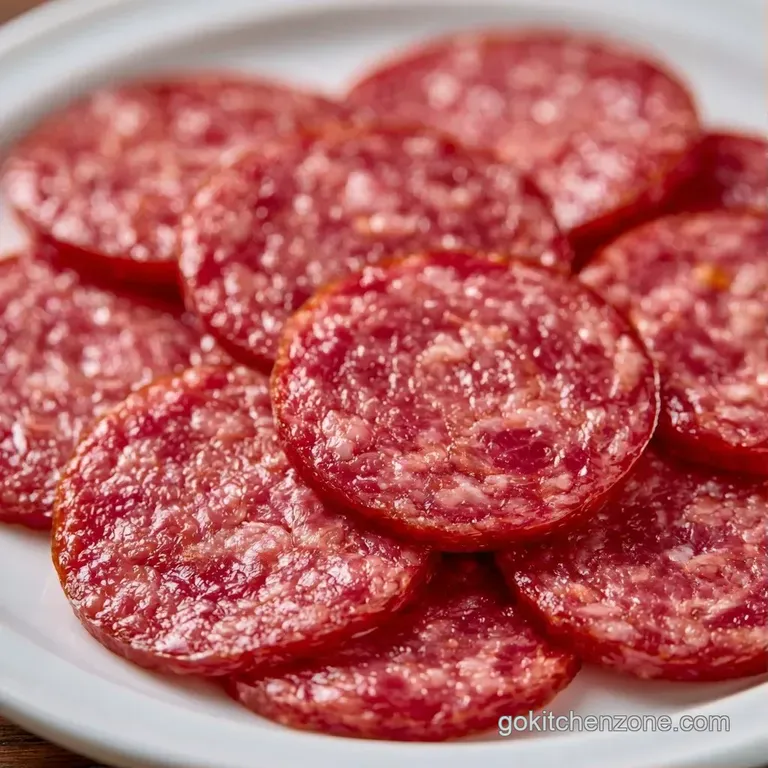
When you're new to curing, things can go sideways. Usually, it comes down to temperature control or mixing time.
Troubleshooting Common Issues
| Issue | Solution |
|---|---|
| Why Your Meat is Rubbery | Overmixing the meat or cooking it past 160°F creates a rubbery, bouncy texture. You want a firm bite, not a rubber ball. Ensure you pull the meat at exactly 155°F. |
| Why the Casing Split | If the temperature jumps too quickly, the steam inside the sausage expands faster than the casing can stretch. Stick to the 20 degree increments listed in the instructions. |
| Why the Meat is Gray | This happens if the Prague powder didn't incorporate or was omitted. Without the cure, the beef turns a dull gray brown instead of a vibrant pink. |
Flavor Tweaks
Once you have the base down, you can play with the profile. I like to keep one batch classic and one batch experimental.
- Amish Style: Swap the brown sugar for maple syrup and add a pinch of cinnamon.
- Spicy Version: Fold in 2 tablespoons of diced pickled jalapeños and a teaspoon of cayenne.
- Oven Only: If you don't have a smoker, the liquid smoke in the recipe does the heavy lifting. Just use a convection setting if you have one to move the air.
If you have leftover Beef Summer Sausage, you can crumble it into a meat sauce recipe for a deep, smoky flavor in your pasta.
Decision Shortcut
- Want more smoke? Use a real hickory smoker instead of the oven.
- Want a leaner snack? Use 90/10 beef, but add 1 tbsp of olive oil to compensate.
- Want a softer bite? Stop the cook at 150°F instead of 155°F.
Saving and Freezing
Since this is a cured product, it lasts longer than a standard burger. But you still need to handle it correctly to avoid mold.
- Fridge Storage
- Wrap the logs tightly in parchment paper and then plastic wrap. It stays good for 2-3 weeks.
- Freezer Storage
- Vacuum seal the logs for the best results. They last up to 6 months.
- Zero Waste
- Use the leftover curing brine or fat drippings from the baking sheet to sear vegetables or potatoes. It adds a smoky depth to simple sides.
Best Serving Ideas
This is a versatile protein. While it's great cold, a quick sear in a pan brings out the sugars in the brown sugar and garlic.
For a simple snack, slice the Beef Summer Sausage into rounds and serve them with sharp cheddar and cornichons. If you want a full meal, serve slices with toasted sourdough and a garlic butter sauce on the side for dipping.
You can also use it for "Summer Sausage Sliders." Slice the log lengthwise, sear the cut side in a pan for 2 minutes, and put it on a small brioche bun with spicy mustard.
Curing Myths
"Salt alone preserves meat" Standard table salt prevents some bacteria, but it doesn't stop botulism in anaerobic environments (like a wrapped sausage). That's why Prague Powder #1 is non negotiable for this recipe.
"Searing the outside seals in the juices" This is a common myth. Searing creates flavor through browning, but the moisture loss happens throughout the whole piece of meat regardless of the crust. The ice bath is what actually "sets" the juices.
Recipe FAQs
What is beef summer sausage?
A cured, smoked sausage designed for long-term storage. It uses curing salt and a gradual smoking process to create a dense, shelf-stable texture.
Do you need to cook summer sausage before eating it?
No, it is ready-to-eat. The combination of Prague Powder #1 and the internal cooking temperature of 155°F makes it safe to consume cold.
Can you cook summer sausage after it is already cured?
Yes, for enhanced flavor. Searing slices in a pan or grilling them adds a caramelized crust that complements the smoky beef profile.
What are some good dishes to make with summer sausages?
Thin slices work perfectly on charcuterie boards or in hearty sandwiches. If you enjoy the savory depth of cured meats, you can use similar flavor profiles to elevate a French dip sandwich.
How to serve beef summer sausage?
Slice it thinly and pair with sharp cheeses or spicy mustard. Serving it chilled preserves the firm, tacky texture achieved during the ice bath shock.
What makes summer sausage unique compared to other meats?
The precise curing and temperature control. Using a cure and increasing heat in 20-degree increments prevents the meat from turning gray and ensures a specific, non-rubbery bite.
What are the best spices for making beef summer sausage?
A blend of garlic powder, brown sugar, and ground mustard seed. Combined with black pepper and liquid smoke, these create the traditional tangy and savory taste.
Beef Summer Sausage for 16 Servings