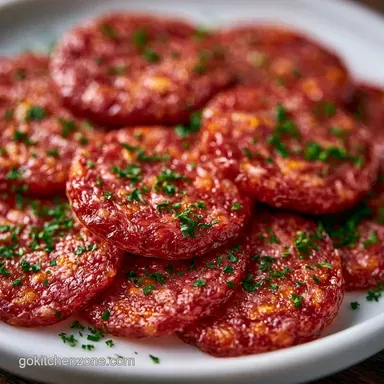
Amish Beef Summer Sausage: Low Temperature Roast
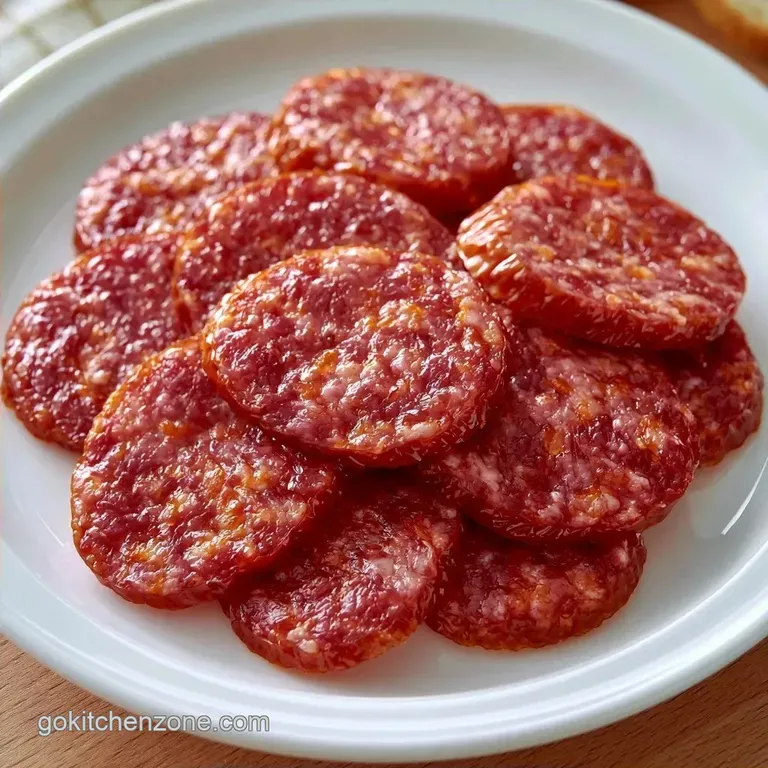
- Time:15 minutes active + 2 hours cooking + 12 hours chilling
- Flavor/Texture Hook: Smoky, garlic forward, and firm
- Perfect for: Charcuterie boards, breakfast sandwiches, or meal prep
Imagine the smell of garlic and liquid smoke filling your kitchen, like a small town smokehouse. I remember the first time I tried making this at home. I thought I could just mix everything and bake it, but the result was more like a meatloaf than a sausage.
I realized the trick isn't just the heat, it's how you handle the meat before it even hits the oven.
The goal here is a dense, sliceable log that doesn't crumble. Since we're using 80/20 ground beef, we get plenty of fat for flavor without spending a fortune on premium cuts. It tastes remarkably like the Amish Beef Summer Sausage you find at those roadside farm stands, but you control exactly what goes into it.
You'll need a bit of patience for this one. The cooking part is fast, but the chilling is where the magic happens. If you slice into it while it's still warm, you'll lose that signature texture. Trust the process and let it sit in the fridge.
Homemade Beef Summer Sausage
Whether you're prepping for a party or just want a hearty snack for the week, this recipe delivers. It avoids expensive casings and fancy smokers, relying on a simple foil wrap method. By roasting at a very low temperature, we prevent the meat from shrinking too much or leaking all its fat.
Using budget-friendly ground beef makes this accessible for any weeknight. You just need a few basic spices and a tiny bit of curing salt to get that traditional color and tang. It's a straightforward process that yields a professional result without the professional gear.
Basic Recipe Specs
To get this right, you need to hit specific targets. If the oven is too hot, the meat will steam instead of firming up. If you don't mix it enough, the logs will fall apart when you slice them.
Precision Checkpoints:
- Oven Temp: Exactly 225°F (107°C)
- Internal Temp: Exactly 155°F (68°C)
- Rest Time: Minimum 12 hours in the fridge
Fresh vs. Shortcut Comparison
| Feature | Fresh Homemade | store-bought Shortcut | Impact |
|---|---|---|---|
| Ingredients | Controlled | Preservatives/Fillers | Healthier, cleaner taste |
| Cost | Low (bulk beef) | Medium to High | Save money on bulk |
| Texture | Firm and snappy | Varies (often softer) | More authentic bite |
The Key to Snappy Texture
The Tacky Stage: Mixing the meat with cold water and salt creates a protein bond. You'll feel the meat change from "loose" to "sticky," which is what holds the sausage together without a casing.
Temperature Control: Cooking at 225°F ensures the proteins set slowly. This prevents the fat from rendering out too quickly, keeping the Beef Summer Sausage moist.
Decision Shortcut
- If you want a spicier kick, add 1 tsp of red pepper flakes.
- If you want it more "old world," increase the mustard seed to 2 tbsp.
- If you have a food processor, pulse the beef briefly for an even finer texture.
What Each Ingredient Does
| Ingredient | What It Does | Best Swap |
|---|---|---|
| 80/20 Ground Beef | Provides structure and fat | 80/20 Pork or Venison |
| Curing Salt | Preserves color and prevents spoilage | None (essential for safety/color) |
| Ice Cold Water | Helps bind proteins and adds moisture | Ice chips |
| Liquid Smoke | Adds that "outdoor" flavor without a smoker | Smoked paprika (extra 1 tbsp) |
According to USDA FoodData, the fat content in 80/20 beef is what provides the mouthfeel and carries the flavor of the garlic and pepper.
Gear You'll Need
You don't need a professional smokehouse for this. A standard oven and a few basic tools will do the job.
- Large mixing bowl or a stand mixer such as KitchenAid
- Baking sheet
- Aluminum foil or parchment paper
- Meat thermometer (digital is best)
- Kitchen scale (for dividing portions)
Making the Sausage
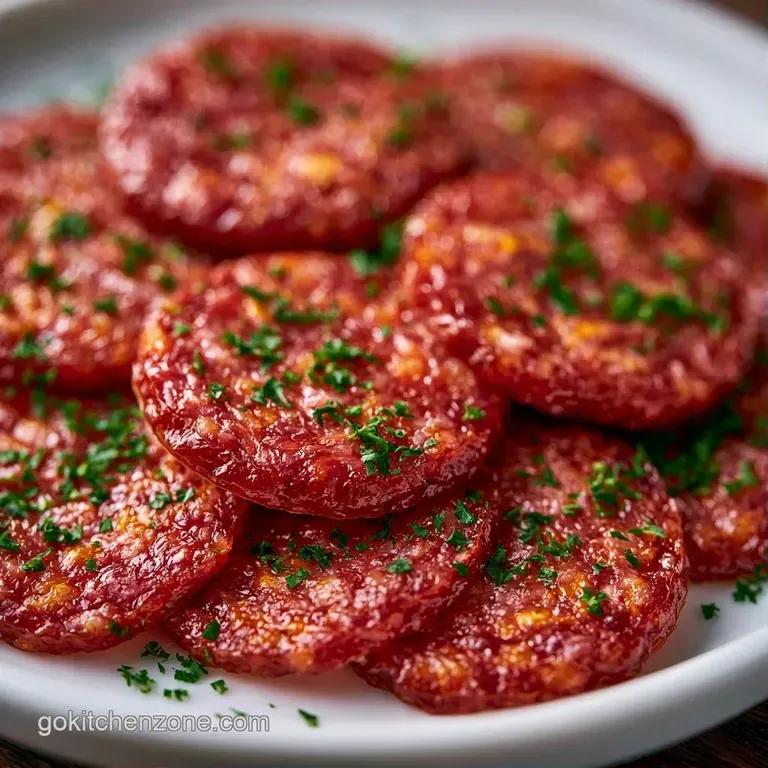
Preparing the Meat Blend
- Combine the ground beef and ice cold water in a large bowl. Mix by hand or a stand mixer on low speed until the water is fully absorbed.
- Slowly fold in the curing salt, kosher salt, brown sugar, garlic powder, mustard seed, black pepper, and liquid smoke.
- Mix vigorously for 3–5 minutes. Note: Stop when the meat feels tacky and sticks to your hand.
Shaping the Loaves
- Divide the mixture into 2 or 3 equal portions.
- Form them into cylindrical logs roughly 3 inches in diameter.
- Wrap each log tightly in foil or parchment paper. Twist the ends like a candy wrapper until the meat is compressed. This prevents air pockets from forming.
Mastering the Slow Roast
- Preheat oven to 225°F (107°C).
- Place wrapped logs on a baking sheet. Roast until the internal temperature reaches 155°F (68°C), which usually takes about 2 hours.
- Remove from oven and let cool completely at room temperature.
- Refrigerate for at least 12 hours. Note: Slicing too early will result in a crumbly texture.
Fixing Common Issues
If your Beef Summer Sausage doesn't turn out quite right, it's usually a temperature or mixing issue. The most common complaint is a "meaty" texture instead of a "sausage" texture.
Troubleshooting Common Issues
| Issue | Solution |
|---|---|
| Why Your Sausage Is Crumbly | This happens when the proteins didn't bond. Either the meat wasn't mixed long enough to become tacky, or the internal temperature didn't reach the 155°F mark. |
| Why Your Sausage Is Too Dry | Cooking at too high a temperature causes the fat to melt and leak out. Always double check that your oven is actually at 225°F. |
| Why Your Sausage Has Air Pockets | If the foil isn't twisted tight, air gaps form. This leads to uneven cooking and a spongy texture in some spots. Quick Fix Table |
Tweaking the Flavor
This recipe is a great base, but you can easily change the profile. For a "Country Style" version, swap the liquid smoke for a tablespoon of maple syrup. This adds a subtle sweetness that works well with the mustard seed.
If you're looking to use this meat in other ways, you can follow a similar mixing process for a Meat Sauce Recipe to get a deep, savory base for pasta.
Variations
- The Garlic Heavy Version: Double the garlic powder and add 3 cloves of minced fresh garlic.
- Game Meat: Use 50% venison and 50% beef. Since venison is leaner, add 2 tbsp of melted butter to the mix to keep it from drying out.
- Low Sodium: Reduce kosher salt to 1 tbsp, but keep the curing salt the same for safety.
Saving and Freezing
Store the finished Beef Summer Sausage in the fridge for up to 2 weeks. Wrap it tightly in plastic wrap or keep it in an airtight container to prevent it from picking up other fridge smells.
For long-term storage, these logs freeze brilliantly. Wrap them in foil, then a layer of freezer bags. They'll stay good for 3 months. To use them, thaw in the fridge overnight rather than using the microwave, which can ruin the snap.
If you have leftover scraps or "ends" from slicing, don't toss them. Dice them up and fry them in a pan to add to an omelet or a cabbage stew.
Great Pairings
This sausage is salty and rich, so it needs something bright or acidic to balance it out. I love serving it with sharp cheddar cheese and a spicy brown mustard.
For a complete meal, try pairing slices with some roasted potatoes or a fresh green salad. If you want something more indulgent, a side of Garlic Butter Sauce drizzled over grilled sourdough bread works perfectly.
The Heritage Board
- Sliced Beef Summer Sausage
- Pickled cornichons
- Dried apricots
- Sharp white cheddar
- Whole grain mustard
Recipe FAQs
What is the difference between standard summer sausage and beef summer sausage?
Beef summer sausage uses 100% ground beef. Traditional versions often rely on a blend of pork and beef for flavor and texture.
What is the best meat to use for beef summer sausage?
Use ground beef with an 80/20 lean-to-fat ratio. This specific balance ensures the sausage remains juicy without becoming overly greasy during the slow roast.
Do I need to cook beef summer sausage before eating it?
No, it is ready to eat after the initial preparation. Because it is cured and roasted to an internal temperature of 155°F, it is safe to slice and serve cold.
How to eat beef summer sausage for the best flavor?
Slice the chilled log thinly. Serve it on a charcuterie board with crackers or use it to add a salty punch to a savory sandwich.
Is it true that you cannot cook summer sausage after it's already been cured?
No, this is a common misconception. While ready to eat cold, you can pan-fry slices to caramelize the brown sugar and enhance the smoky flavor.
Why is my beef summer sausage crumbly?
The proteins likely didn't bond properly. Ensure you mix the meat vigorously for 3–5 minutes until tacky and verify the internal temperature reached exactly 155°F.
How to prevent air pockets in beef summer sausage?
Wrap the logs tightly in foil or parchment paper. Twist the ends firmly like a candy wrapper to compress the meat and eliminate gaps.
Beef Summer Sausage for 10 Servings