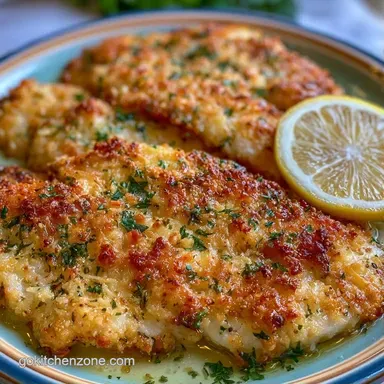
Gluten Free Baked Tilapia with Almond Flour
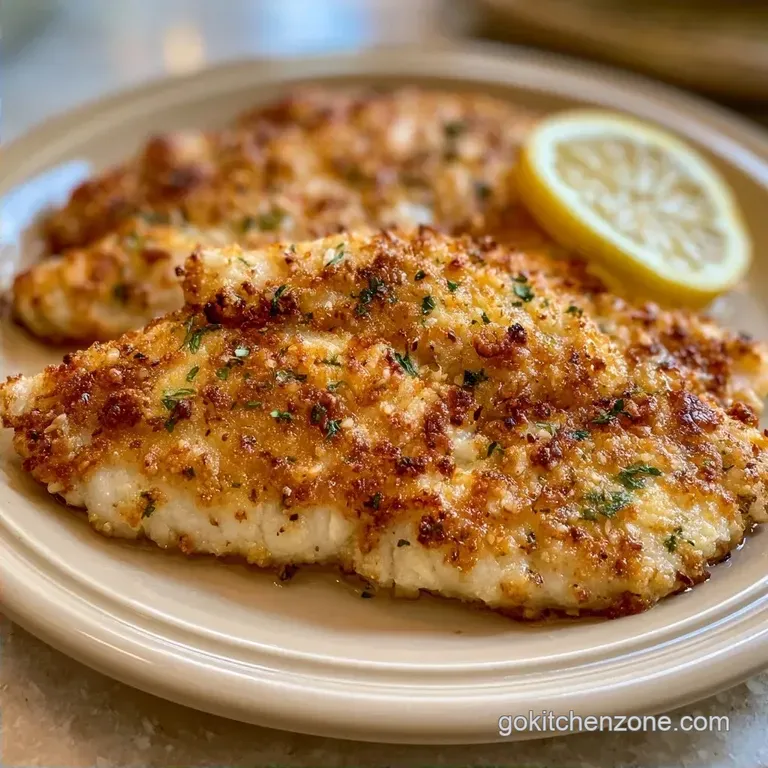
- Time: 10 min active + 12 min bake
- Flavor/Texture Hook: Toasted Parmesan crust with zesty lemon
- Perfect for: Weeknight dinner struggle or low carb meal prep
The scent of toasted Parmesan and lemon hits you the second the oven door opens. It's that specific, salty aroma that makes you forget you're eating a "healthy" meal. I used to dread fish night because tilapia often ends up as a soggy, grey piece of protein that tastes like nothing.
I spent a few months trying to find a coating that actually sticks and crisps up. I tried cornmeal, but it felt too gritty. Rice flour was too bland. The answer turned out to be a mix of almond flour and cheese, which gives you that golden brown finish we all want.
This gluten free Baked Tilapia is a quick win for anyone who needs dinner on the table in under 30 minutes. You get a satisfying crunch and a moist center, all without the mess of deep frying.
Gluten free Baked Tilapia That Actually Works
What Actually Makes It Crispy
Surface Moisture: Patting the fish dry stops steam from forming under the crust, which prevents sogginess. High Temperature: 425°F (218°C) evaporates water instantly, letting the almond flour and cheese toast rather than soften.
| Fish Type | Prep Effort | Texture | Best For |
|---|---|---|---|
| Fresh Fillets | Low | Flaky & Moist | Best overall flavor |
| Frozen (Thawed) | Medium | Slightly Softer | Budget meal prep |
| Frozen (Direct) | High | Can be watery | Not recommended here |
Ingredient Deep Dive
According to USDA FoodData, tilapia is a lean protein, meaning it doesn't have much internal fat to keep it moist during baking. That's why the coating is so important.
| Ingredient | What It Does | Best Swap |
|---|---|---|
| Almond Flour | Provides structure and healthy fats | Coconut flour (use 1/3 amount) |
| Parmesan | Adds salt and browning (umami) | Pecorino Romano |
| Lemon Juice | Tenderizes and cuts through the richness | Lime juice |
| Smoked Paprika | Adds a hint of wood fired color | Sweet paprika |
Picking Your Main Ingredients
For the fish, I use 4 (6 oz / 170g) tilapia fillets. You want fillets that are roughly the same thickness so they all finish at the same time. If one is significantly thinner, it'll overcook while the others are still raw in the middle.
For the breading, you'll need 1/2 cup (60g) superfine almond flour and 1/2 cup (50g) grated Parmesan cheese. Don't use the pre shredded cheese in a bag if you can avoid it. Those have anti clumping agents that stop the cheese from melting and bonding to the flour. Grate your own for a better crust.
The seasoning is a mix of 1 tsp (2g) garlic powder, 1/2 tsp (1g) smoked paprika, and 1/4 tsp (1g) onion powder. I also use 1/2 tsp (3g) sea salt and 1/4 tsp (1g) cracked black pepper. The smoked paprika is the trick here, as it gives the fish a mahogany color that makes it look like it came from a restaurant.
Finally, grab 1 tbsp (15ml) of fresh lemon juice. Avoid the bottled stuff. Fresh lemon has a brightness that cuts through the nuttiness of the almond flour.
Essential Kitchen Gear
You don't need much for this, which is why it's a weeknight staple. A large rimmed baking sheet is a must. If your sheet is too small, the fillets will crowd each other, trapping steam and ruining the crust.
Parchment paper is non negotiable. Without it, the Parmesan will stick to the pan, and you'll spend ten minutes scrubbing the tray instead of eating.
I also suggest using paper towels. You'll be surprised how much water is on a "dry" fillet. Getting the fish bone dry is the only way to ensure the breading stays put.
Step-by-step Cooking Flow
Let's crack on. This process moves fast, so have your ingredients measured before you start.
- Preheat your oven to 425°F (218°C). Line a large rimmed baking sheet with parchment paper. Note: A hot oven is the only way to get the crust to set quickly.
- Press paper towels firmly onto both sides of the tilapia fillets. Do this until the surface feels tacky, not wet.
- Brush each fillet with a thin layer of lemon juice. Note: This acts as the glue for your breading.
- In a small bowl, whisk together the almond flour, grated Parmesan, garlic powder, smoked paprika, and onion powder.
- Press the top side of each fillet firmly into the breading mixture. Push down hard to embed the flour and cheese into the meat.
- Place the fillets on the baking sheet, leaving 2 inches of space between them.
- Bake for 10-12 minutes. Wait until the crust is mahogany colored and the fish flakes easily with a fork.
- Let the fish rest for 2 minutes before serving.
Chef's Tip: If you want an even crunchier topping, freeze your Parmesan cheese for 10 minutes before grating it. This creates smaller, finer shreds that melt into the almond flour more evenly.
Stopping Common Fish Fails
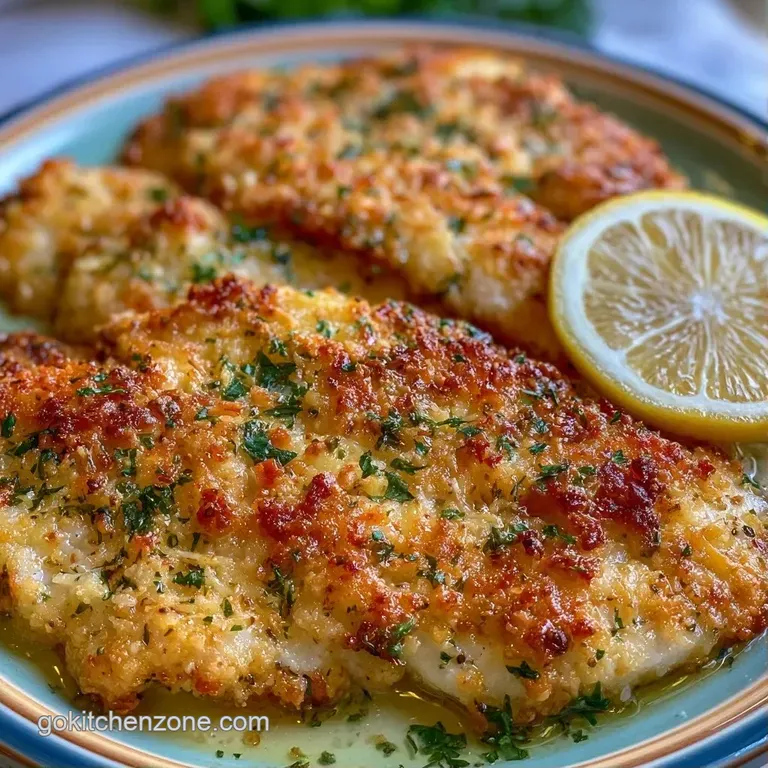
When making gluten free Baked Tilapia, the most common issue is the "soggy bottom." This happens when moisture leaks out of the fish and pools on the pan. If you see water under your fillets, you probably didn't pat them dry enough or you overcrowded the pan.
Another issue is the breading sliding off. This usually means the lemon juice layer was too thick, or the fish was too wet. The breading should be a crust, not a paste.
Why Your Fish Is Soggy
If your tilapia feels mushy, it's usually a temperature or moisture problem.
| Problem | Root Cause | Solution |
|---|---|---|
| Soggy Crust | Oven temp too low | Use 425°F (218°C) |
| Breading Slips | Fish was too wet | Pat dry with more paper towels |
| Uneven Cooking | Fillets vary in size | Use fillets of equal thickness |
Swapping Flavors and Ingredients
If you're bored of the classic taste, you can easily change the vibe. For a Lemon Pepper Baked Tilapia, skip the paprika and double the black pepper. It gives a sharp, zesty punch that works well with a side of steamed asparagus.
To make this Whole30 Baked Tilapia, you'll need to ditch the Parmesan. Replace the cheese with an extra 1/4 cup of almond flour and a pinch more salt. It won't be as brown, but it still tastes great.
If you prefer a different protein, this method works for cod or halibut, though you might need to add 2-3 minutes to the bake time for thicker cuts.
For another seafood night, you might enjoy my Shrimp Pasta Recipe, which uses similar lemon butter notes.
Adjusting the Batch Size
If you're just cooking for one, you can halve the recipe easily. Use a smaller baking sheet so the heat stays concentrated. I usually reduce the bake time by about 2 minutes when doing a single fillet, as it doesn't absorb as much heat from the surrounding fish.
For a crowd (8+ fillets), do not try to jam them all on one tray. Work in batches. If you crowd the pan, you'll create a steam room in your oven, and your gluten free Baked Tilapia will be pale and soft.
When doubling the spices, I only go to 1.5x the amount of salt and paprika. Over seasoning large batches can lead to a metallic taste, especially with smoked paprika.
| Goal | Adjustment | Impact |
|---|---|---|
| Single Serving | Half ingredients | Reduce bake time by 2 mins |
| Party Size | Double ingredients | Bake in batches; 1.5x salt |
| Thicker Fillets | Same ingredients | Add 3-5 mins to bake time |
Fish Cooking Myths
You'll often hear that you need to sear fish in a pan first to "lock in the juices." This is simply not true. Searing adds flavor, but it doesn't create a seal. over High heat baking achieves a similar result for the crust without the oil splatter.
Another myth is that tilapia is always "bland." The fish itself is a blank canvas. The flavor comes from how you treat the surface. By using a high fat breading like almond flour and Parmesan, you add the richness that the fish naturally lacks.
Storage and Zero Waste
Leftover gluten free Baked Tilapia stays good in the fridge for 3 days. Store it in an airtight container with a piece of parchment paper between the fillets so they don't stick together.
To reheat, avoid the microwave. Microwaves make fish rubbery and the crust soggy. Instead, pop them back in the oven at 350°F (175°C) for about 5-7 minutes. This brings the crunch back to the Parmesan.
For zero waste, don't throw away the leftover lemon halves. Squeeze them into a tray and freeze them in ice cube portions. You can drop these into water or use them for future cooking.
Also, if you have a bit of the almond Parmesan mix left over, toast it in a dry pan for 2 minutes and sprinkle it over a salad.
Sides That Match
Since this dish is quite rich due to the nuts and cheese, you want sides that bring some acidity or freshness. A simple arugula salad with a balsamic glaze works well.
If you want something heartier, this pairs well with a Broccoli Casserole recipe. The creaminess of the casserole complements the crunch of the tilapia.
For a low carb option, try sautéed spinach with garlic or roasted cauliflower. The earthiness of the vegetables balances the zesty lemon in the fish.
Right then, you've got everything you need. This gluten free Baked Tilapia is a reliable, fast dinner that doesn't feel like a compromise. Just remember to pat that fish dry, keep the heat high, and you're set. Trust me, the crunch is worth the effort.
Recipe FAQs
Is it true that tilapia is unsafe to eat?
No, this is a common misconception. Most farmed tilapia is safe and provides a lean, high-quality source of protein.
What seasonings work best for baked tilapia?
Garlic powder, smoked paprika, and onion powder. These spices create a savory, smoky crust that complements the fish's mild flavor.
How long should tilapia bake at 400 degrees?
Increase the temperature to 425°F and bake for 10-12 minutes. High heat is essential to set the almond flour crust quickly without overcooking the delicate fish.
Can tilapia replace salmon in recipes?
Yes, but the taste is significantly milder. If you prefer a richer protein profile, see how we balance savory flavors in our creamy chicken recipe.
What is the fastest way to prepare tilapia?
Bake the fillets at 425°F for 10-12 minutes. With a short 10-minute prep, the entire process takes only 22 minutes from start to finish.
Can you bread fish without using wheat flour or cornmeal?
Yes, use a mixture of almond flour and Parmesan cheese. This creates a gluten-free coating that is crisp and adheres well to the fillets.
How to reheat leftover baked tilapia?
Place the fillets in the oven at 350°F for 5-7 minutes. This brings back the crunch to the Parmesan crust, which a microwave would otherwise make soggy.
gluten free Baked Tilapia in 22 Minutes