Quiche Recipe Quiche: Flaky Crust
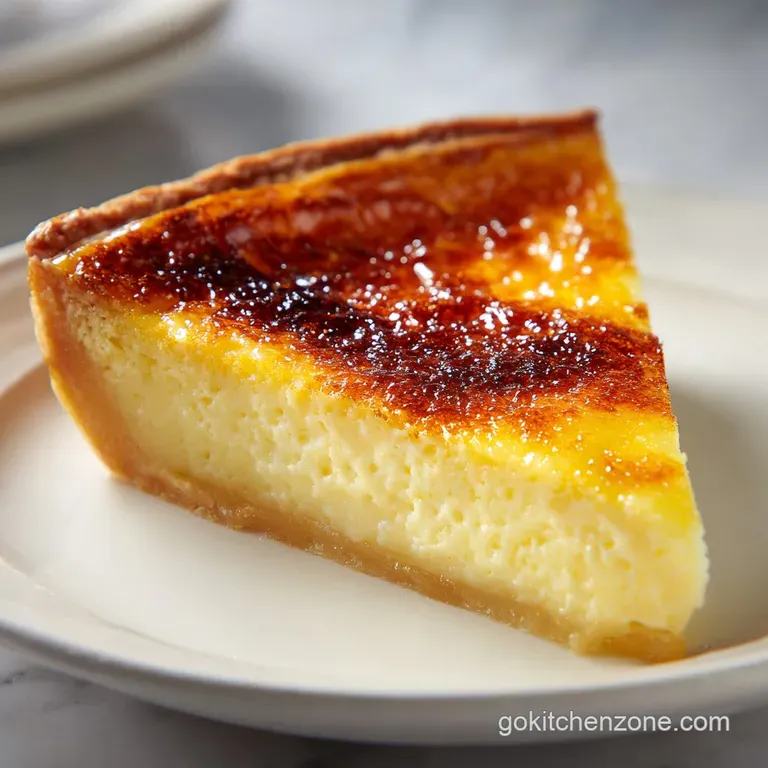
- Time: Active 25 minutes, Passive 45 minutes, Total 1 hours 10 mins
- Flavor/Texture Hook: Silky custard with smoky bacon and a flaky, buttery crust
- Perfect for: Weekend brunch, meal prep, or a simple weeknight dinner
- Reasons This Custard Stays Silky
- Essential Breakdown of Recipe Components
- Minimal Tools for Better Baking
- Master These Simple Cooking Steps
- Fixing Common Baking Failures
- Smart Ingredient Swaps and Variations
- Adjusting Portions for Different Crowds
- Debunking Common Baking Misconceptions
- Keeping Your Leftovers Fresh
- Side Dishes for a Complete Meal
- Recipe FAQs
- 📝 Recipe Card
I still remember the first time I attempted a quiche recipe quiche for a friend's baby shower. I was so worried about the custard curdling that I didn't pay enough attention to the crust. The result? A watery mess that soaked through the pastry, leaving me with what looked like a savory soup in a damp cardboard box.
It was a massive dinner struggle that happened right when I wanted to impress everyone.
Since that disaster, I've learned that the secret isn't just in the eggs, but in how you treat the fat and the moisture. When you hear the sizzle of thick cut bacon hitting a cold pan or smell the earthy aroma of fresh spinach hitting warm shallots, you know you're on the right track.
This version is my reliable go to because it actually holds its shape and tastes better the next day.
We've all been there with store-bought crusts that taste like plastic, but trust me on this, making your own with ice cold butter is the only way to go. It turns a basic meal into something that feels special without requiring a degree in pastry arts.
Let's crack on with the details so you can avoid my past mistakes and get that velvety texture every single time.
Reasons This Custard Stays Silky
The 1:2 Protein to Fat Ratio: Using a mix of 1 cup heavy cream and 1 cup whole milk creates enough fat to prevent the 4 large eggs from becoming rubbery during the bake.
The Thermal Barrier Technique: Brushing the par baked crust with a thin layer of egg white creates a waterproof seal that keeps the custard from soaking into the pastry.
Enzymatic Browning Control: Pre cooking the 2 cups of fresh baby spinach removes excess water that would otherwise "weep" into the eggs and ruin the structure.
Residual Heat Management: Pulling the quiche recipe quiche when the center still has a slight wobble allows carryover cooking to finish the center without over coagulating the egg proteins.
If you enjoy this type of savory bake, you might also find the techniques in my Food Quiche Recipe helpful for mastering different vegetable fillings.
| Feature | Fresh Homemade Crust | Pre made Store Shortcut |
|---|---|---|
| Texture | Shattering, distinct layers | Soft, often crumbly or sandy |
| Flavor | Deep buttery notes | Neutral or slightly artificial |
| Reliability | Holds up to heavy fillings | May sag or break under weight |
Essential Breakdown of Recipe Components
Understanding why we use these specific items will help you troubleshoot if something doesn't happen quite right in your kitchen. This quiche recipe quiche relies on high-quality fat sources to achieve that signature mouthfeel.
| Ingredient | Science Role | Pro Secret |
|---|---|---|
| 0.5 cup Unsalted Butter | Creates steam pockets for lift | Freeze for 10 minutes then grate it into the flour for maximum flakiness |
| 1.5 cups Gruyère Cheese | Provides stable emulsified fat | Always shred it yourself; pre bagged cheese has starch that prevents a silky melt |
| 4 Large Eggs | Acts as the primary binding agent | Ensure they are at room temperature to emulsify properly with the cold dairy |
| 1 cup Heavy Cream | Increases the coagulation temperature | Don't swap for half and half if you want that specific velvety custard finish |
Minimal Tools for Better Baking
You don't need a kitchen full of gadgets to make this work. In fact, keeping it simple often leads to better results because you aren't overworking the dough. I prefer a standard 9 inch glass pie dish because it lets me see if the bottom crust is actually browning.
A box grater is your best friend here, not just for the cheese but for the butter too. If you don't have a pastry cutter, two forks work just as well to incorporate the fat into the 1.25 cups all purpose flour. The goal is to keep everything cold, so the less you touch the dough with your warm hands, the better.
Chef Tip: If your kitchen is hot, chill your mixing bowl and flour in the freezer for 15 minutes before starting. This prevents the butter from melting prematurely, which is the main reason crusts turn out tough instead of flaky.
Master These Simple Cooking Steps
1. The Par Bake Foundation
Whisk 1.25 cups all purpose flour and 0.5 tsp fine sea salt. Work in 0.5 cup ice cold, cubed unsalted butter until it looks like coarse crumbs. Add 3 tbsp ice water, one tablespoon at a time, until a dough forms.
Note: Over mixing here develops gluten, making the crust tough. Roll it out, fit it into your 9 inch pan, and bake at 190°C with pie weights for 15 minutes until the edges are set and pale golden.
2. Preparing the Protein and Greens
While the crust bakes, fry 6 strips of thick cut bacon in a skillet until crispy and deeply browned. Remove the bacon, leave a teaspoon of fat, and sauté 1 medium minced shallot and 2 cups fresh baby spinach until the spinach is completely wilted.
Note: Squeeze the cooked spinach in a paper towel to remove every drop of extra liquid.
3. Emulsifying the Custard
In a large bowl, whisk 4 large eggs with 1 cup heavy cream and 1 cup whole milk. Season with 0.5 tsp salt, 0.25 tsp white pepper, and a pinch of ground nutmeg. Note: White pepper provides heat without the black specks, keeping the custard looking clean.
4. The Layered Assembly
Spread the chopped bacon, wilted spinach, and 1.5 cups freshly shredded Gruyère cheese into the bottom of your par baked crust. Pour the egg mixture slowly over the top. Note: Layering the solids first ensures an even distribution in every slice.
5. The Low and Slow Bake
Slide the pan into the oven at 175°C. Bake for 35 to 45 minutes until the edges are puffed and the center has a slight, gelatinous jiggle. Note: If the center is firm like a hard boiled egg, you've overcooked it.
6. The Mandatory Rest
Let the quiche recipe quiche sit on a wire rack for at least 15 minutes before slicing. Note: This allows the steam to settle and the custard to fully set for clean cuts.
Fixing Common Baking Failures
The "Weeping" Quiche
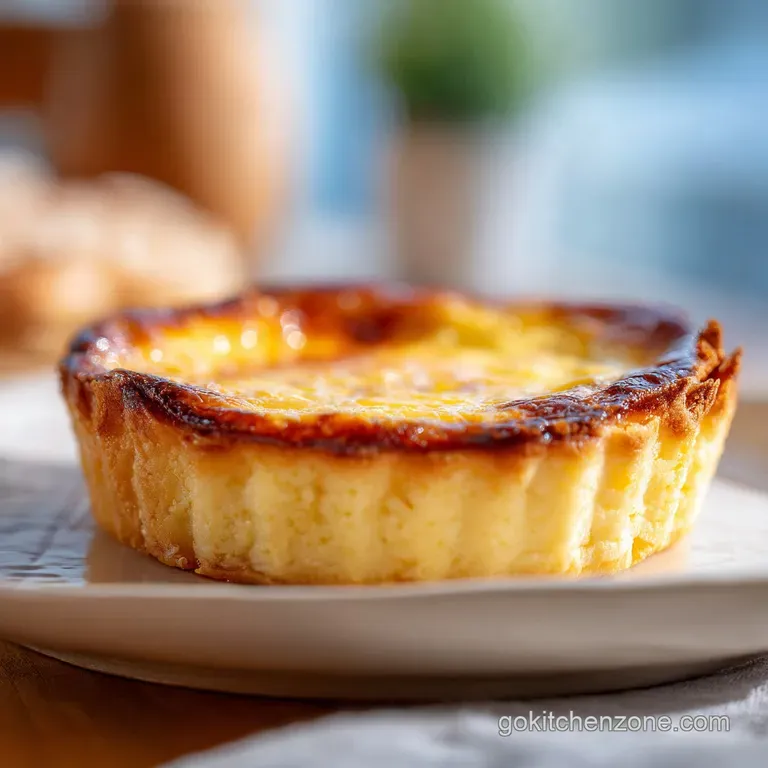
If you notice a pool of water at the bottom of your plate, it’s usually because of the vegetables. Fresh spinach or mushrooms hold a surprising amount of liquid. When the egg proteins tighten during baking, they squeeze that water out. Always sauté and squeeze your greens before they touch the egg mixture.
Shrinking Crust
If your pastry slides down the sides of the pan like a melting candle, the gluten was likely too tense. This happens when you skip the resting phase. After rolling the dough, let it sit in the pan in the fridge for 30 minutes before it hits the oven. This relaxes the protein strands so they stay put.
| Problem | Root Cause | Solution |
|---|---|---|
| Tough, chewy crust | Overworked dough | Use a light touch; stop mixing once the dough barely holds together |
| Curdled custard | Oven temperature too high | Reduce heat to 175°C and use a water bath if your oven runs hot |
| Soggy bottom | No par baking | Always blind bake the crust for 15 minutes before adding wet ingredients |
Common Mistakes Checklist:
- ✓ Pat the cooked spinach completely dry with paper towels (prevents a watery filling).
- ✓ Use ice cold water for the dough (prevents the butter from melting too early).
- ✓ Shred the cheese yourself (pre shredded cheese has cellulose that affects the texture).
- ✓ Let the quiche rest for 15 minutes after baking (essential for clean slices).
Smart Ingredient Swaps and Variations
The Healthier Crustless Quiche Recipe
If you want to skip the pastry altogether, heavily grease your pie dish with butter or bacon fat. Increase the cheese by 0.5 cup to help provide structure. You'll still get a velvety custard, but it’s much faster for a busy weeknight dinner struggle.
The Simple Quiche Recipe Swap
Sometimes you don't have Gruyère on hand. You can use a mix of sharp cheddar and parmesan for a similar depth of flavor. Just keep the total cheese volume at 1.5 cups to maintain the fat balance.
Vegetable Medley
Instead of spinach, try roasted red peppers or sautéed leeks. Just remember the golden rule: if it's a vegetable, it must be cooked and dried before going into this quiche recipe quiche.
| Original Ingredient | Substitute | Why It Works |
|---|---|---|
| Heavy Cream (1 cup) | Full fat Greek Yogurt | Adds a tangier flavor and thicker texture. Note: Custard will be denser. |
| Gruyère (1.5 cups) | Swiss or Comté | Similar melting points and nutty flavor profiles. |
| Thick cut Bacon | Smoked Ham or Prosciutto | Provides the salt and smoke without the need for rendering fat. |
Similar to the sauce in a Chicken Divan Recipe, the key here is maintaining the emulsion so the fat doesn't separate from the protein.
Adjusting Portions for Different Crowds
Scaling a quiche recipe quiche is fairly straightforward if you follow the "one egg per half cup of dairy" rule. If you want to make a giant sheet pan version for a party, double the ingredients but use a 9x13 inch rectangular baking dish.
When doubling the recipe, don't double the salt or nutmeg immediately. Go to 1.5x the amount first, then taste. Spices can become overwhelming when scaled linearly. Also, remember that a larger surface area means the edges will cook much faster than the center.
You might need to cover the edges with foil halfway through the bake.
Debunking Common Baking Misconceptions
One major myth is that you can just toss raw spinach into the eggs and it will cook in the oven. While it will "cook," it will also release all its internal moisture into the custard, turning your beautiful bake into a soggy mess. Always pre cook your greens.
Another common thought is that more eggs make a "better" quiche. Actually, too many eggs make it taste like a dense frittata. The high ratio of cream and milk is what separates a true quiche recipe quiche from a standard omelet. It’s the fat that creates that luxurious, melt in-your mouth feel.
| Method | Time | Texture | Best For |
|---|---|---|---|
| Standard Oven | 45 minutes | Velvety, crisp crust | Best overall quality |
| Air Fryer (Mini) | 20 minutes | Extra crispy edges | Quick single servings |
| Slow Cooker | 3 hours | Very soft, souffle like | Large groups, no crust version |
Keeping Your Leftovers Fresh
Storage: Store any remaining slices in an airtight container in the fridge for up to 4 days. To keep the crust from getting too soft, place a piece of paper towel in the container to absorb excess humidity.
Freezing: You can freeze the whole quiche recipe quiche after it has cooled completely. Wrap it tightly in plastic wrap and then foil. It stays good for up to 2 months. Thaw it in the fridge overnight before reheating.
Reheating: Avoid the microwave if you can; it makes the crust gummy. Instead, pop a slice into a 175°C oven for 10 to 12 minutes. This brings back the "shatter" in the crust and warms the center without rubberizing the eggs.
Zero Waste Tip: Don't throw away those spinach stems! Finely chop them and sauté them with the shallots. They add a nice crunch. Also, save your bacon fat in a jar in the fridge; it's the best thing to use for frying eggs the next morning.
Side Dishes for a Complete Meal
This dish is quite rich, so I usually pair it with something bright and acidic. A simple arugula salad with a lemon vinaigrette cuts through the fat of the Gruyère perfectly. If you are serving this for a heavier dinner, it pairs surprisingly well with a Mashed Potatoes Recipe or even a light Brown Gravy Recipe if you want to lean into the comfort food vibe.
If you have leftovers from a holiday ham, you can easily swap the bacon for diced ham and add some roasted asparagus. This quiche recipe quiche is essentially a blank canvas for whatever is lingering in your crisper drawer, as long as you stick to the custard ratios we discussed.
Right then, you're ready to tackle this without the fear of a soggy bottom. Just keep that butter cold, squeeze your spinach dry, and don't overbake the eggs. You've got this!

Recipe FAQs
What are common quiche mistakes to avoid?
Overbaking the custard is the primary mistake leading to a rubbery texture. Pull the quiche when the center still has a slight, gelatinous wobble; residual heat will finish cooking it. Also, always thoroughly cook and squeeze moisture from vegetables like spinach to prevent a soggy bottom.
Is it better to use heavy cream or milk in quiche?
Use a mix of both heavy cream and whole milk for the ideal texture. Heavy cream provides the necessary fat content to prevent the eggs from becoming tough, while whole milk lightens the custard slightly. A 1:1 ratio of cream to milk usually yields the best silky result.
What to add to quiche to make it fluffy?
Ensure your eggs are at room temperature before whisking them into the dairy. Room temperature eggs emulsify much more smoothly with the cold cream, leading to a lighter, less dense custard structure. This technique is similar to balancing fat ratios when preparing a stable sauce, as seen in our Pot Roast Recipe.
Does a quiche need a pie crust?
No, a crust is not strictly necessary, resulting in a crustless quiche or a frittata variation. However, a traditional quiche relies on the pastry for structure, texture contrast, and flavor.
If omitting the crust, heavily grease your baking dish to prevent sticking and consider adding extra cheese for body.
How long should I pre-bake (blind bake) the crust?
Bake the crust with pie weights at 190°C for 15 minutes until the edges are set and pale golden. This crucial step creates a barrier against the wet custard. If you skip this, you risk the dreaded soggy bottom because the moisture seeps into the raw dough.
Can I substitute Gruyère cheese with another cheese?
Yes, but aim for a good melting cheese with flavor complexity. Swiss cheese or Comté work well as they have similar fat and moisture content to Gruyère. Avoid low-moisture, pre-shredded cheeses, as the additives can prevent that signature silky melt we aim for.
What is the best way to reheat leftover quiche?
Reheat in a conventional oven at 175°C for 10 to 12 minutes. This method allows the crust to re-crisp while gently warming the custard through. Microwaving usually results in a gummy crust and can overcook the egg proteins.
Simple Quiche Recipe
Ingredients:
Instructions:
Nutrition Facts:
| Calories | 452 kcal |
|---|---|
| Protein | 15.2 g |
| Fat | 35.2 g |
| Carbs | 18.9 g |
| Fiber | 0.9 g |
| Sugar | 2.1 g |
| Sodium | 485 mg |
