Ravioli Lasagna Bake: Shortcut Comfort Food
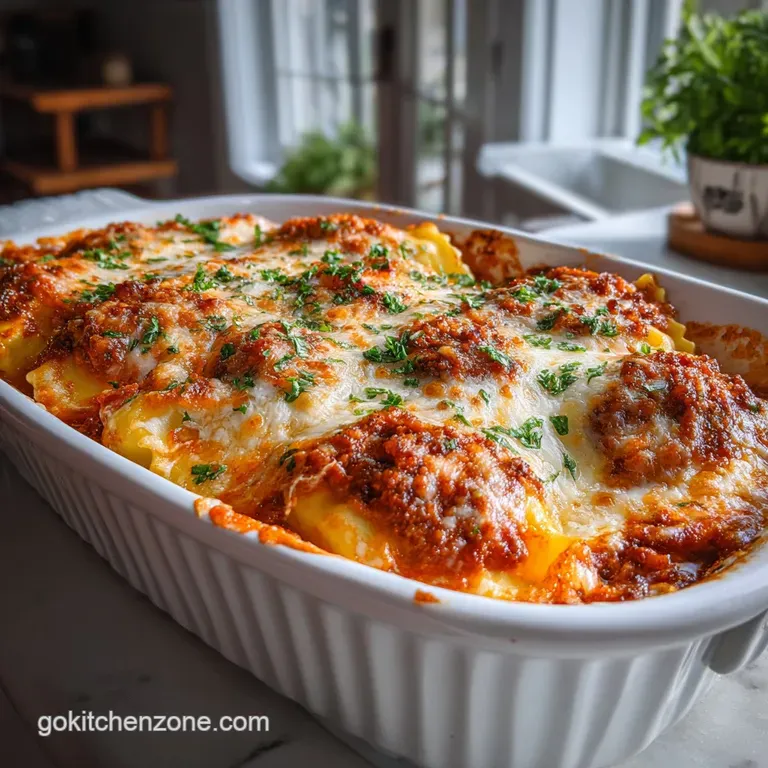
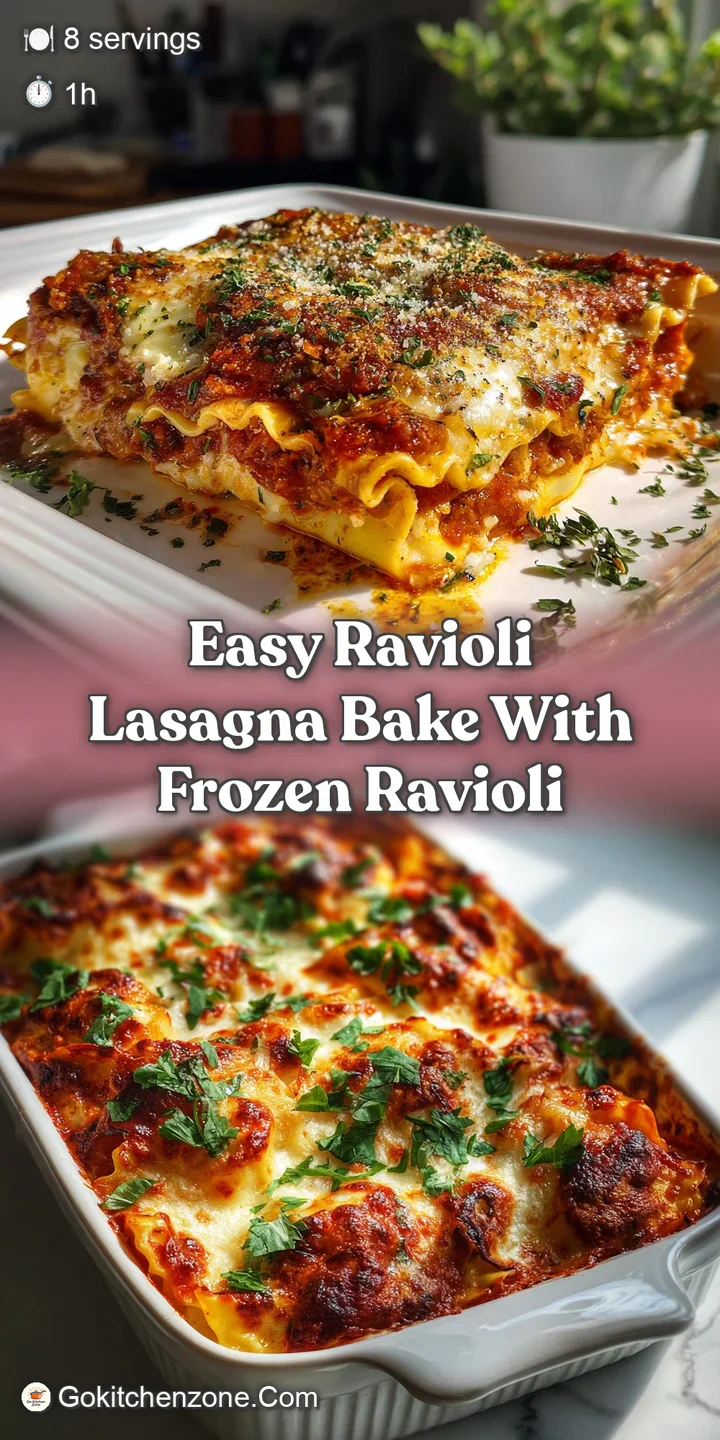
- Time: Active 15 minutes, Passive 45 minutes, Total 1 hour
- Flavor/Texture Hook: Silky ricotta paired with a golden, bubbly cheese canopy
- Perfect for: High stress weeknights or feeding a hungry crowd on a budget
- Master the Ravioli Lasagna Bake for Weeknight Victory
- The Culinary Mechanics Behind This One Pan Winner
- Essential Components for a Budget-Friendly Pasta Feast
- Tools You Need for This Hearty Casserole Setup
- Step-by-Step Guide to a Silky Pasta Layer Bake
- Navigating Common Pitfalls for a Better Result
- Flavor Modifications to Keep Your Dinners Interesting
- Storage Tactics to Prevent Your Leftovers from Wilting
- Side Dish Pairings for the Ultimate Family Dinner
- Culinary Myths About Pasta Bakes
- High in Sodium
- Recipe FAQs
- 📝 Recipe Card
Master the Ravioli Lasagna Bake for Weeknight Victory
The first time I attempted a Ravioli Lasagna Bake, it was a total accident born of sheer exhaustion. I had a bag of frozen cheese ravioli, a jar of marinara, and exactly zero patience for boiling a massive pot of water. I threw everything into a baking dish, hoped for the best, and waited.
The sizzle of the fat rendering from the beef and the aroma of garlic hitting the hot oil filled the kitchen, and I realized I might be onto something.
It turned out better than any traditional lasagna I had spent half a Sunday making. The edges of the ravioli got slightly chewy, the centers stayed pillowy, and the sauce thickened into this incredible, concentrated glaze. Honestly, since that night, I have rarely gone back to the old way.
Why bother with the "authentic" hassle when you can get these results in an hour?
We are going to skip the fancy techniques and focus on what actually happens in the oven. You will get those distinct layers, that velvety ricotta mouthfeel, and a top layer of cheese that shatters slightly under your fork. It is brilliant, it is efficient, and it will save your sanity when the 5:00 PM panic sets in.
Trust me on this one.
The Culinary Mechanics Behind This One Pan Winner
- The Starch Hydration Loop: Frozen ravioli acts like a sponge, absorbing the excess moisture from the marinara sauce as it thaws in the oven. This prevents a watery mess and ensures the pasta is perfectly tender.
- Protein Coagulation: Adding a large egg to the 15 oz whole milk ricotta cheese creates a structural "net." This prevents the cheese from weeping and helps the layers stay distinct when you slice into it.
- Maillard Concentration: By browning the 1 lb lean ground beef thoroughly before layering, we develop deep savory notes that would otherwise be lost in a quick bake casserole.
| Servings | Ingredient Adjustments | Pan Size | Cook Time |
|---|---|---|---|
| 4 people | 0.5 lb beef, 12 oz sauce, 12 oz ravioli | 8x8 inch square | 35 minutes |
| 8 people | 1 lb beef, 24 oz sauce, 25 oz ravioli | 9x13 inch pan | 45 minutes |
| 12 people | 1.5 lb beef, 36 oz sauce, 38 oz ravioli | Two 9x9 inch pans | 50 minutes |
If you are cooking for a larger group, I always suggest using two smaller pans rather than one giant one. It increases the surface area for that golden mozzarella crust, which is the part everyone fights over anyway. If you're looking for other meal prep ideas that use your oven efficiently, you might find my French Toast Casserole recipe helpful for busy mornings.
Essential Components for a Budget Friendly Pasta Feast
I have learned the hard way that not all ingredients are created equal when you are trying to save money. You want the fat content in the whole milk ricotta because low-fat versions often turn grainy and unpleasant in the heat.
Similarly, skipping the fresh parsley might seem like a shortcut, but that hit of green is what cuts through the heavy fats of the beef and mozzarella.
Component Analysis
| Ingredient | Science Role | Pro Secret |
|---|---|---|
| Frozen Ravioli | Starch source | Do not thaw; the ice crystals provide the necessary steam to cook the pasta through. |
| Whole Milk Ricotta | Moisture buffer | Beat it with the egg until it looks like whipped cream for a lighter texture. |
| Lean Ground Beef | Umami base | Drain the excess fat after browning to prevent the sauce from becoming greasy. |
The Ingredient List and Smart Swaps
- 1 lb lean ground beef: Provides the hearty structure. Why this? It offers the best flavor to cost ratio for a meaty lasagna.
- Substitute: Ground turkey or bulk Italian sausage. Note: Sausage adds more salt, so reduce the oregano.
- 25 oz frozen cheese ravioli: The shortcut king. Why this? Frozen pasta holds its shape better than refrigerated versions during a long bake.
- Substitute: Frozen tortellini. It creates a "chunkier" texture but tastes just as good.
- 24 oz marinara sauce: The moisture medium. Why this? It carries the spices and hydrates the pasta.
- Substitute: Crushed tomatoes with an extra teaspoon of sugar and dried basil.
- 15 oz whole milk ricotta cheese: The creamy layer. Why this? Provides the classic lasagna "white layer" without the work of a béchamel.
- Substitute: Small curd cottage cheese. Note: Pulse it in a blender first for a smoother, ricotta like consistency.
- 2 cups shredded mozzarella cheese: The melt factor. Why this? Low moisture mozzarella gives you those long, satisfying cheese pulls.
- Substitute: Provolone or Muenster for a deeper, tangier flavor.
- 1 large egg: The binder.
- Substitute: 1/4 cup heavy cream, though the layers will be much softer.
- 3 cloves garlic, minced: The aromatic punch.
- 1/2 cup freshly grated parmesan cheese: The salty finish.
- 1 tbsp extra virgin olive oil: For searing.
- 1 tsp dried oregano & 1/2 tsp red pepper flakes: The spice profile.
- 1/4 cup fresh parsley & fresh basil: The finishing brightness.
Tools You Need for This Hearty Casserole Setup
You don't need a professional kitchen, but a heavy bottomed skillet is non negotiable for browning the beef. If your pan is too thin, the meat will steam in its own juices rather than searing, and you’ll miss out on that "sizzle" that builds the flavor foundation.
A standard 9x13 inch glass or ceramic baking dish is perfect here because it distributes heat evenly, preventing the bottom layer of ravioli from scorching before the cheese on top has melted.
Chef's Tip: If you have 10 minutes, throw your block of mozzarella in the freezer before grating. It makes the cheese much firmer and easier to shred without it turning into a clump in your hand.
| Feature | Stovetop Method | Oven Method (This Recipe) |
|---|---|---|
| Texture | Softer, more "stew like" | Crispy edges, distinct layers |
| Effort | High (requires constant stirring) | Low (set it and forget it) |
| Flavor | Bright and fresh | Concentrated and caramelized |
step-by-step Guide to a Silky Pasta Layer Bake
1. Build the Flavor Foundation
Heat the olive oil in a large skillet over medium high heat. Add the 1 lb ground beef, breaking it apart with a wooden spoon until no pink remains and it starts to hiss and pop.
Stir in the minced garlic, oregano, and red pepper flakes, cooking for just 60 seconds until the garlic smells fragrant but hasn't turned brown. Pour in the 24 oz marinara sauce and let it come to a gentle simmer for 5 minutes.
2. Prepare the Ricotta Binder
In a medium bowl, whisk the 1 large egg until the yolk and white are fully combined. Fold in the 15 oz ricotta cheese and the chopped parsley. Note: This mixture should look thick and creamy, which ensures it won't run all over the place once the Ravioli Lasagna Bake starts to heat up.
3. Execute the Layering Strategy
Spread about 1/2 cup of the meat sauce onto the bottom of your 9x13 dish. Note: This prevents the pasta from sticking to the glass. Arrange half of the 25 oz frozen ravioli in a single layer. They can overlap slightly, but try to keep it even.
Dollop half of the ricotta mixture over the pasta and spread it gently with the back of a spoon. Top with half of the remaining meat sauce and 1 cup of mozzarella.
4. The Precision Bake
Repeat the layers one more time, finishing with the remaining mozzarella and the 1/2 cup of grated parmesan. Cover the dish tightly with aluminum foil. Note: This creates a steam chamber that cooks the frozen pasta. Bake at 375°F for 30 minutes.
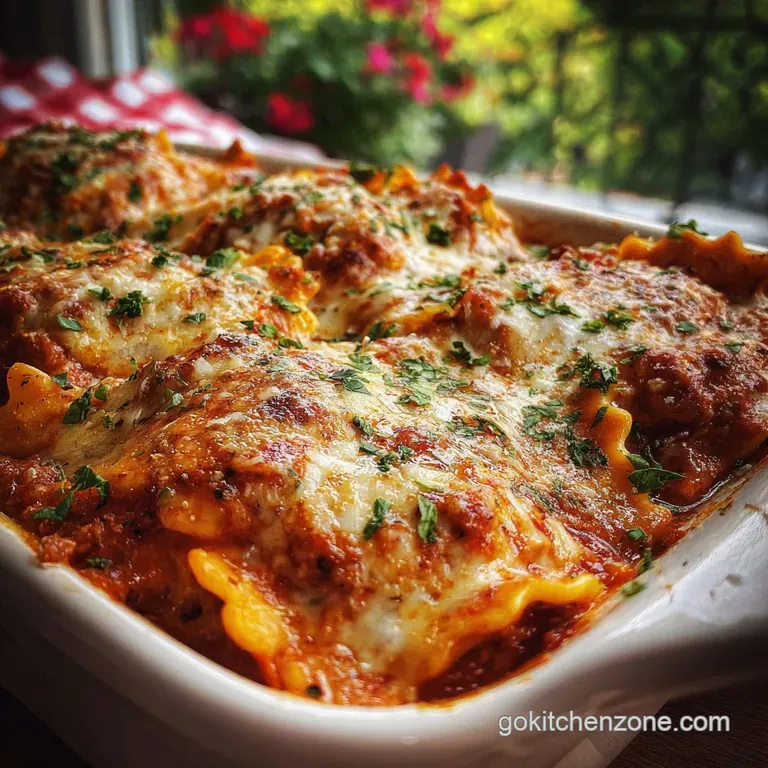
Remove the foil and bake for another 15 minutes until the cheese is bubbling and has developed golden brown spots.
If you enjoy the way this sauce coats the pasta, you might want to try the technique in my Tortellini Alfredo in recipe which uses a similar shortcut method for a creamy finish.
Navigating Common Pitfalls for a Better Result
The "Soupy" Lasagna Problem
If your lasagna comes out with a pool of liquid at the bottom, it usually means the sauce was too thin or the ravioli released more moisture than expected. This often happens if you use a "light" or watery store brand marinara.
| Problem | Root Cause | Solution |
|---|---|---|
| Watery base | Thin sauce or excess pasta moisture | Simmer the marinara for 10 minutes to reduce it before layering. |
| Tough pasta | Foil wasn't sealed tightly | Ensure a complete seal so the steam stays inside the dish. |
| Greasy top | High fat beef not drained | Use 90/10 lean beef or drain the fat after browning. |
Common Mistakes Checklist
- ✓ Never thaw the ravioli before layering (it will turn into mush).
- ✓ Don't skip the egg in the ricotta mixture; it’s the only thing holding the layers together.
- ✓ Let the dish rest for at least 10 minutes before slicing. This allows the starches to set so you get a clean square rather than a heap of pasta.
- ✓ Use a deep baking dish. If the sauce is too close to the top, it will bubble over and smoke in your oven.
Flavor Modifications to Keep Your Dinners Interesting
If you want a "Green Goddess" version, swap the ground beef for two cups of chopped fresh spinach mixed directly into the ricotta. It lightens the whole dish up significantly and adds a nice earthy note.
For a Mediterranean vibe, use a jar of sundried tomato pesto mixed with the marinara and add a handful of kalamata olives between the layers.
Decision Shortcut
- If you want a crispier crust, turn on the broiler for the last 2 minutes of cooking.
- If you want a spicier kick, double the red pepper flakes and use a "Diavolo" style sauce.
- If you want a lighter meal, use veggie stuffed ravioli (like mushroom or spinach) instead of cheese.
Storage Tactics to Prevent Your Leftovers from Wilting
The Ravioli Lasagna Bake actually tastes better the next day because the flavors have had time to fully marry. Store any leftovers in an airtight container in the fridge for up to 4 days.
When reheating, add a teaspoon of water to the corner of the container before microwaving; the steam will help revive the pasta without making it rubbery.
For freezing, you can assemble the entire dish (but don't bake it), wrap it in two layers of plastic wrap and one layer of foil, and freeze for up to 3 months. To bake from frozen, just add 20 minutes to the covered baking time.
For zero waste, if you have leftover ricotta, mix it with a little sugar and vanilla for a quick dessert dip, or stir it into your morning scrambled eggs for a velvety texture.
Side Dish Pairings for the Ultimate Family Dinner
Since this dish is quite heavy and rich, you need something with high acidity to balance the palate. A simple arugula salad with a heavy squeeze of lemon and some shaved radish works wonders. Alternatively, a tray of roasted broccolini with plenty of charred garlic provides a nice bitter contrast to the sweet marinara.
If you have some crusty bread sitting around, make a quick garlic herb butter. The bread is essential for mopping up any leftover sauce at the bottom of the plate. Honestly, there is nothing better than a cold glass of crisp white wine or a light red like a Chianti to round out the meal.
It turns a simple "lazy lasagna" into something that feels intentional and complete.
Culinary Myths About Pasta Bakes
One major misconception is that you need to cook the meat sauce for hours to get a deep flavor. In reality, the 45 minute bake time acts as a second "simmer," where the meat, garlic, and spices infuse into the sauce while it's trapped under the cheese. You don't need a half day commitment to get a complex sauce.
Another myth is that "fresh is always better." When it comes to a Ravioli Lasagna Bake, fresh refrigerated ravioli can actually overcook and become slimy because they aren't built to withstand 45 minutes of heat.
Frozen ravioli are par cooked and flash frozen, making them much more resilient in a casserole setting. The ice crystals inside the frozen pasta are actually your friend here.
High in Sodium
945 mg mg of sodium per serving (41% % of daily value)
The American Heart Association recommends limiting sodium intake to about 2,300mg per day for optimal health.
Tips to Reduce Sodium in Your Ravioli Bake
-
Low-Sodium Sauce-20%
Opt for a low-sodium marinara sauce. Many brands offer versions with significantly less sodium, reducing the overall sodium content of the dish. Look for sauces with less than 140mg of sodium per serving.
-
Reduce Parmesan-15%
Parmesan cheese is very high in sodium. Reduce the amount used by half, or substitute with a lower sodium hard cheese.
-
Lower Sodium Cheese-10%
Choose a lower sodium mozzarella cheese. Many brands offer reduced sodium versions without sacrificing flavor or texture. Check the nutrition label for sodium content before purchasing.
-
Leaner Ground Beef-5%
While lean ground beef isn't a primary source of sodium, using an even leaner variety (e.g., 95% lean) can slightly reduce overall sodium intake by minimizing added seasonings that might be used.
-
Spice It Up!
Enhance the flavor with fresh or dried herbs and spices like basil, oregano, black pepper, and garlic powder to reduce the need for salt and boost the dish's overall flavor profile.
Recipe FAQs
Do you cook the ravioli before making lasagna?
No, use them frozen. Using frozen ravioli is the key shortcut; they absorb the sauce moisture and steam perfectly in the oven without boiling them first.
Can you make ravioli lasagna in the oven?
Yes, the oven is the required cooking vessel. Baking it covered first traps the steam needed to cook the frozen pasta, and uncovering it finishes the cheese crust.
How long does it take to bake ravioli in the oven?
Total covered and uncovered bake time is approximately 45 minutes. It requires 30 minutes covered at 375°F to steam cook the pasta, followed by 15 minutes uncovered to brown the cheese.
Do you bake lasagna at 350 or 400?
Use 375°F for the primary covered bake. This temperature is hot enough to generate steam effectively without scorching the bottom layer too quickly before the center is hot.
What is the most important ingredient for a creamy ricotta layer?
Use whole milk ricotta cheese combined with an egg. The egg acts as a binder, creating a structural net that prevents the cheese from weeping or becoming grainy during the bake.
Can I assemble this ahead of time like a traditional casserole?
Yes, it is excellent for make-ahead preparation. You can assemble the entire dish up to 24 hours in advance; just cover it tightly and keep it chilled before adding about 20 extra minutes to the covered bake time.
Is it true that using fresh ravioli ruins the texture?
Yes, this is a common misconception that fresh ravioli is better for this bake. Fresh pasta often lacks the structural integrity of frozen pasta and can turn mushy or watery during the long bake time.
Ravioli Lasagna Bake Recipe
Ingredients:
Instructions:
Nutrition Facts:
| Calories | 584 kcal |
|---|---|
| Protein | 36.4 g |
| Fat | 31.2 g |
| Carbs | 39.5 g |
| Fiber | 3.8 g |
| Sugar | 6.2 g |
| Sodium | 945 mg |
