The Best Peanut Butter Balls Recipe
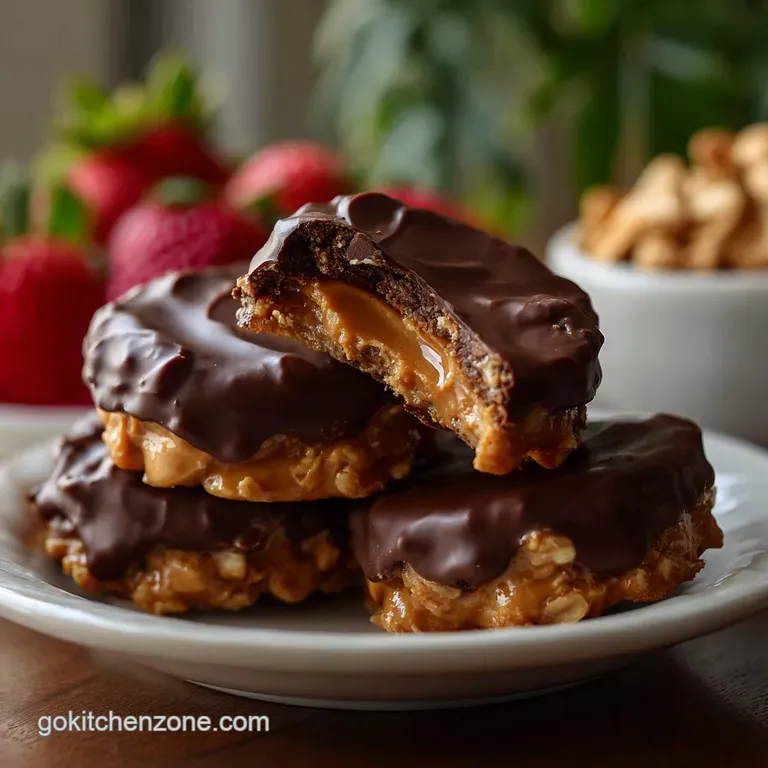
- Effort/Time: 50 minutes total (Active: 20 minutes)
- Flavor Hook: Rich, crave-worthy salt-sweet fusion with a vibrant finish.
- Perfect for: Make-ahead gifts, holiday platters, or high-energy grab-and-go snacks for your peanut butter balls.
The Diamond Hook: From Grainy Failure to Velvety Precision
There is nothing more frustrating than spending $30 on premium ingredients only to have your peanut butter balls turn into a weeping, grainy mess that refuses to hold its shape.
I remember a specific holiday season where I tried to rush the process, skipping the sifting and using a "natural" oil-heavy peanut butter. The result was a textural disaster the chocolate seized, the centers were gritty with undissolved sugar, and the entire batch ended up in the bin.
It wasn't just a waste of Jif and butter; it was a total loss of the "feel good" energy I wanted for my party, and the cookies were frankly inferior to proper peanut butter balls.
I spent the next three years testing the physics of lipid stabilization. I realized that the secret isn't just adding more sugar to "dry out" the dough; it’s about the mechanical emulsion of the fats before the solids are ever introduced.
If the butter and peanut butter aren't perfectly homogenized, the sugar won't hydrate properly, leading to that "sandy" mouthfeel we all crave to avoid in our final peanut butter balls.
The revelation came when I treated the center like a ganache rather than a dough. By controlling the temperature of the unsalted butter and using the coconut oil to lower the surface tension of the chocolate chips, I achieved a professional, shattering snap that yields to a creamy, melt-on-the-tongue core.
It’s a sensory masterpiece: the snap of the shell, the velvety interior, and the sharp crunch of flaky sea salt that defines these amazing peanut butter balls.
The Chemistry of Cravings: Balancing Salt, Sugar, and Saturated Fat
Lipid Crystallization: Cold unsalted butter provides the structural "skeleton" that keeps the peanut butter balls firm at room temperature. Hygroscopic Absorption: Powdered sugar absorbs moisture from the butter and vanilla, creating a stable, non-weeping solid.
- Emulsion Stability: Creaming the fats ensures the oil in the peanut butter is trapped in a matrix of milk solids and sugar, which is crucial for successful peanut butter balls.
- Viscosity Control: Coconut oil reduces the chocolate's viscosity, allowing for a thinner, more professional coating that doesn't overwhelm the palate.
Precision Metrics for the Ultimate Confectionary Outcome
| Metric | Target Value | Why It Matters |
|---|---|---|
| Dough Weight | 22g per ball | Ensures uniform 24 servings and consistent chilling times for the batch of peanut butter balls. |
| Internal Temp | 35°F (2°C) | Prevents the center from melting when hitting the hot chocolate. |
| Coating Temp | 90°F (32°C) | The "sweet spot" for a glossy finish without seizing the chocolate. |
The Component Library: Selecting High Performance Fats and Sugars
| Ingredient | Chemical/Physical Role (Science) | The Pro Secret (Why This Matters) |
|---|---|---|
| Jif Creamy Peanut Butter | Primary protein and unsaturated fat source | Why this? Stabilized PB prevents oil separation during the rolling phase. |
| Domino Powdered Sugar | Fine particle bulking agent | Why this? 10x sifting prevents the "sandy" texture common in unrefined sugars. |
| Ghirardelli Semi Sweet Chips | Eutectic fat system for the shell | Why this? High cocoa butter content ensures a clean "shatter" when bitten. |
| Kerrygold Unsalted Butter | Saturated fat for structural integrity | Why this? Higher fat content than standard butter means firmer balls. |
Ingredient Alchemy & Substitution Strategies
| Original Ingredient | Substitute | Why It Works |
|---|---|---|
| Unsalted Butter (1/4 cup) | Virgin Coconut Oil (solid) | Maintains saturated fat levels. Note: Adds tropical notes and lower melting point. |
| Semi Sweet Chips (1.5 cups) | 70% Dark Chocolate Bar | Higher cacao-to-sugar ratio. Note: Results in a more bitter, sophisticated profile. |
| Creamy Peanut Butter (1 cup) | Smooth Almond Butter | Similar fat profile. Note: Requires 10% more sugar due to higher oil content in almond butter. |
Essential Hardware for Tempered Coatings and Uniform Geometry
To achieve a fusion of professional aesthetics and home cooked soul, you need the right tools. Skip the hand mixing; a KitchenAid Stand Mixer with the paddle attachment is non-negotiable for achieving the level of aeration required for a velvety core in these treats.
For the coating, a Nordic Ware Aluminum Half Sheet lined with a Silpat Silicone Mat ensures the chocolate doesn't stick or develop "feet" (excess chocolate pooling at the base).
I also recommend a Wilton Chocolate Dipping Tool or a simple fork with the middle tines bent slightly to allow excess coating to drain back into the bowl, preserving that clean, spherical look on every piece.
Execution Protocol: From Emulsified Core to Shattering Shell
- Cream the fats. Place 1/4 cup (57g) softened unsalted butter and 1 cup (250g) Jif Creamy Peanut Butter in the bowl of your KitchenAid. Note: This creates a stable emulsion to prevent oil weeping. Beat on medium for 3 minutes until the mixture is pale, aerated, and smells nutty.
- Incorporate aromatics. Add 1 tsp (5ml) pure vanilla extract and 1/4 tsp fine sea salt. Note: Salt breaks the surface tension of the sugar, enhancing the crave worthy contrast. Mix for 30 seconds until fully integrated and the aroma shifts from fatty to sweet.
- Sift the solids. Gradually add 2 cups (240g) sifted Domino powdered sugar at low speed. Note: Sifting prevents clumps that cause "sugar pockets" in the finished truffle. Mix until the dough pulls away from the sides and feels like soft clay.
- Partition and roll. Using a small cookie scoop, portion the dough into 22g rounds. Note: Uniformity ensures all 24 servings chill at the same rate. Roll between palms until smooth, spherical, and no cracks are visible.
- Flash chill the centers. Place the rounds on a Nordic Ware sheet. Note: Rapid cooling stabilizes the butter skeleton. Freeze for 20 minutes until the balls are firm to the touch and no longer tacky.
- Prepare the coating. Combine 1.5 cups (255g) semi sweet chocolate chips and 1 tbsp (15g) coconut oil in a microwave safe glass bowl. Note: Coconut oil lowers the melting point for a thinner shell. Heat in 30 second bursts until the chocolate is velvety, pourable, and glossy.
- Execute the dip. Using a fork, submerge one ball into the chocolate. Note: Minimal handling prevents the cold center from dropping the chocolate temperature too fast. Lift and tap the fork against the bowl until the excess chocolate stops dripping and the coating looks smooth.
- Set and garnish. Return to the Silpat mat and immediately sprinkle with a pinch of flaky sea salt. Note: Salt must be added while the coating is wet to ensure adhesion. Repeat until all 24 balls are coated and shimmering.
- Final stabilization. Refrigerate the tray for 30 minutes. Note: This allows the chocolate to fully crystallize for that signature "snap." Wait until the chocolate is matte set and no longer sticks to your fingertip.
- Quality Check. Remove one ball and bite. Note: The shell should shatter, not bend, revealing a vibrant, creamy center, confirming you have made excellent peanut butter balls.
Diagnosing Structural Failures and Surface Imperfections
Why Your Centers Are Crumbly
If the interior is falling apart, the osmotic pressure of the sugar has drawn too much moisture from the butter, or the ratio of dry-to-wet is skewed. This usually happens when the butter is too cold during the mixing phase, preventing it from coating the sugar particles, resulting in a failure of the core structure of the peanut butter balls.
| Problem | Root Cause | The Fix | Pro Protocol |
|---|---|---|---|
| Sticky Dough | High ambient humidity or oily PB | Add 2 tbsp powdered sugar | Chill the PB for 1 hour before mixing to stabilize fats. |
| Seized Chocolate | Water contamination or overheating | Stir in 1 tsp coconut oil | Use a dry glass bowl; never use a wooden spoon which holds moisture. |
| Dull Coating | Improper tempering or condensation | Avoid the freezer for final set | Set in the fridge, then move to a cool, dry pantry for storage. |
⚗️ The Scaling Lab: The Physics of Quantity
When you decide to double this batch for a fusion themed holiday party, remember that flavor compounds accumulate non-linearly. If you go to 2x ingredients, only use 1.5x the vanilla and salt.
Excess vanilla can introduce too much alcohol, which might break the delicate fat emulsion of the peanut butter balls.
Thermal Mass Warning: Doubling the dough volume means the center of the mixing bowl will stay warmer longer. If you are making 48 balls, your "flash chill" time must increase to 35 minutes.
The Square Cube Law dictates that as you increase the volume, the surface area available for cooling doesn't keep up, leading to a core that stays soft and "melts" your chocolate coating from the inside out.
Common Myths in Confectionery
- Myth: You must use natural peanut butter for the "best" flavor.
- Truth: Natural PB is an unstable emulsion. For peanut butter balls, the stabilizers in brands like Jif are chemically necessary to prevent a greasy, separating mess.
- Myth: Adding water helps thin out thick chocolate.
- Truth: Even a single drop of water will cause the chocolate to "seize," turning it into a gritty, unworkable paste due to the sugar particles bonding with the moisture.
Preservation Physics: Maintaining Snap and Texture Integrity
Store your peanut butter balls in an airtight container with parchment paper separating the layers. In the refrigerator, they maintain peak "snap" for up to 2 weeks.
For long term storage, they freeze beautifully for 3 months; however, you must thaw them in the fridge to avoid "sugar bloom" those white streaks caused by condensation dissolving the sugar and then re-crystallizing on the surface.
💡 ZERO WASTE PHILOSOPHY: Don't discard the leftover chocolate and peanut butter dregs in the mixing bowls. Transform: Stir them into warm oatmeal or use them as a base for a "feel good" mocha.
Science: The residual fats and sugars provide a high calorie energy boost and deep umami notes.
Curation Strategy: Pairing Textural Contrasts for Maximum Impact
For a vibrant dessert platter, pair these peanut butter balls with tart elements like fresh raspberries or a sharp hibiscus tea. The acidity of the fruit cuts through the heavy lipid profile of the peanut butter, while the flaky sea salt garnish bridges the gap between the sweet chocolate and the savory core.
Decision Shortcut: If you want a crunchy texture, fold in 1/4 cup crushed pretzels to the dough. If you want a sophisticated bite, use 72% cacao chocolate and double the sea salt.
If you want a softer, truffle like experience, skip the freezer and serve at room temperature.
These peanut butter balls aren't just a snack; they are a study in confectionery balance. Let's crack on and get rolling!
Recipe FAQs
What is the minimum time required for flash chilling the centers?
20 minutes in the freezer. Rapid cooling stabilizes the butter skeleton, preventing the cold center from melting the chocolate coating upon dipping.
Why did my chocolate coating seize and become gritty?
Water contamination caused sugar bonding. A single drop of water causes the sugar particles in the chocolate to hydrate too rapidly and clump together, forming a solid mass instead of a smooth emulsion.
- Ensure the glass bowl is completely dry
- Do not add water to thin the mixture
- Stir vigorously after overheating (if it happens)
Should I use natural or stabilized peanut butter?
Stabilized peanut butter ensures structure. Unstable natural peanut butter will separate its oil content during mixing, leading to a weeping, greasy core that resists forming a cohesive dough.
What is the optimal temperature for dipping the balls?
90°F (32°C) ensures a glossy shell. This temperature provides the ideal viscosity, allowing the coating to flow thinly over the cold center without dulling upon contact.
Myth: Adding water helps thin out thick chocolate coating.
Myth: Adding water helps thin out thick chocolate. Reality: Even a single drop of water will cause the chocolate to "seize," turning it into a gritty, unworkable paste due to the sugar particles bonding with the moisture.
Myth: You must use natural peanut butter for the "best" flavor.
Myth: You must use natural peanut butter for the "best" flavor. Reality: Natural PB is an unstable emulsion; stabilizers in commercial brands are chemically necessary to prevent a greasy, separating mess in the final product.
How does Kerrygold butter differ from standard grocery store butter?
Kerrygold provides higher saturated fat content. Its higher milk fat percentage compared to standard US butter offers superior structural integrity to the chilled dough base.
Peanut Butter Balls Recipe
Ingredients:
Instructions:
Nutrition Facts:
| Calories | 174 kcal |
|---|---|
| Protein | 3.1 g |
| Fat | 10.9 g |
| Carbs | 18.8 g |
| Fiber | 1.3 g |
| Sugar | 16.3 g |
| Sodium | 50 mg |
