Juicy Turkey Meatballs: Tender and Flavorful
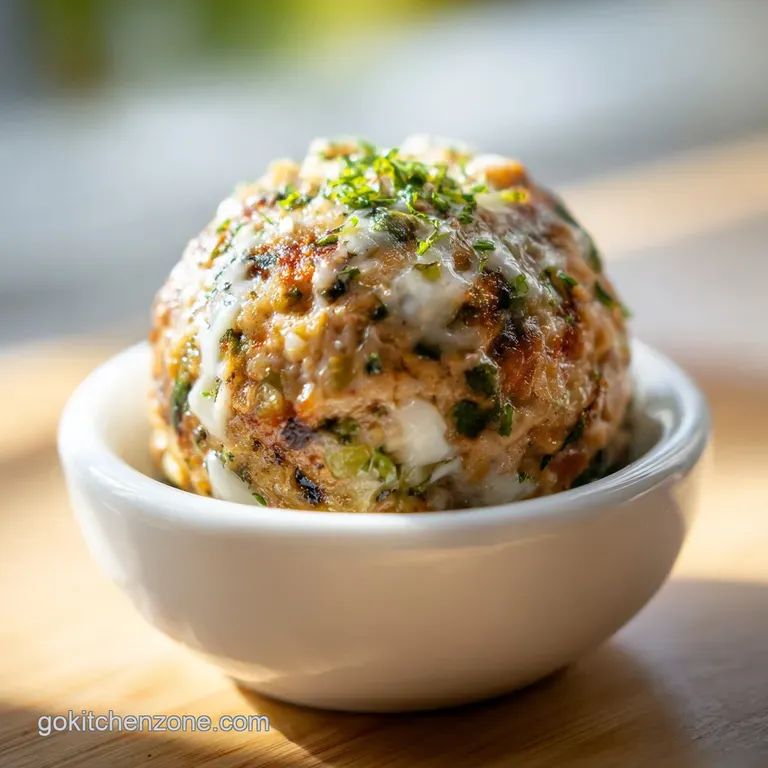
- Time: Active 15 minutes, Passive 15 minutes, Total 30 minutes
- Flavor/Texture Hook: Savory, garlic infused spheres with a velvety interior
- Perfect for: Quick weeknight dinners or high protein meal prep
- Why This Juicy Turkey Meatball Recipe Works
- Components For Maximum Flavor And Texture
- Essential Tools For The Job
- Detailed Guide To Rolling And Roasting
- Troubleshooting Your Meatball Batch
- Flavor Variations And Smart Swaps
- Storage And Reheating Guidelines
- Making Your Meal Look Restaurant Quality
- Recipe FAQs
- 📝 Recipe Card
Why This Juicy Turkey Meatball Recipe Works
The scent of roasting garlic and dried oregano filling the kitchen is a surefire way to signal that the dinner struggle is finally over. I used to think turkey was the "boring" cousin of beef, often ending up with meatballs that had the texture of a rubber bouncy ball.
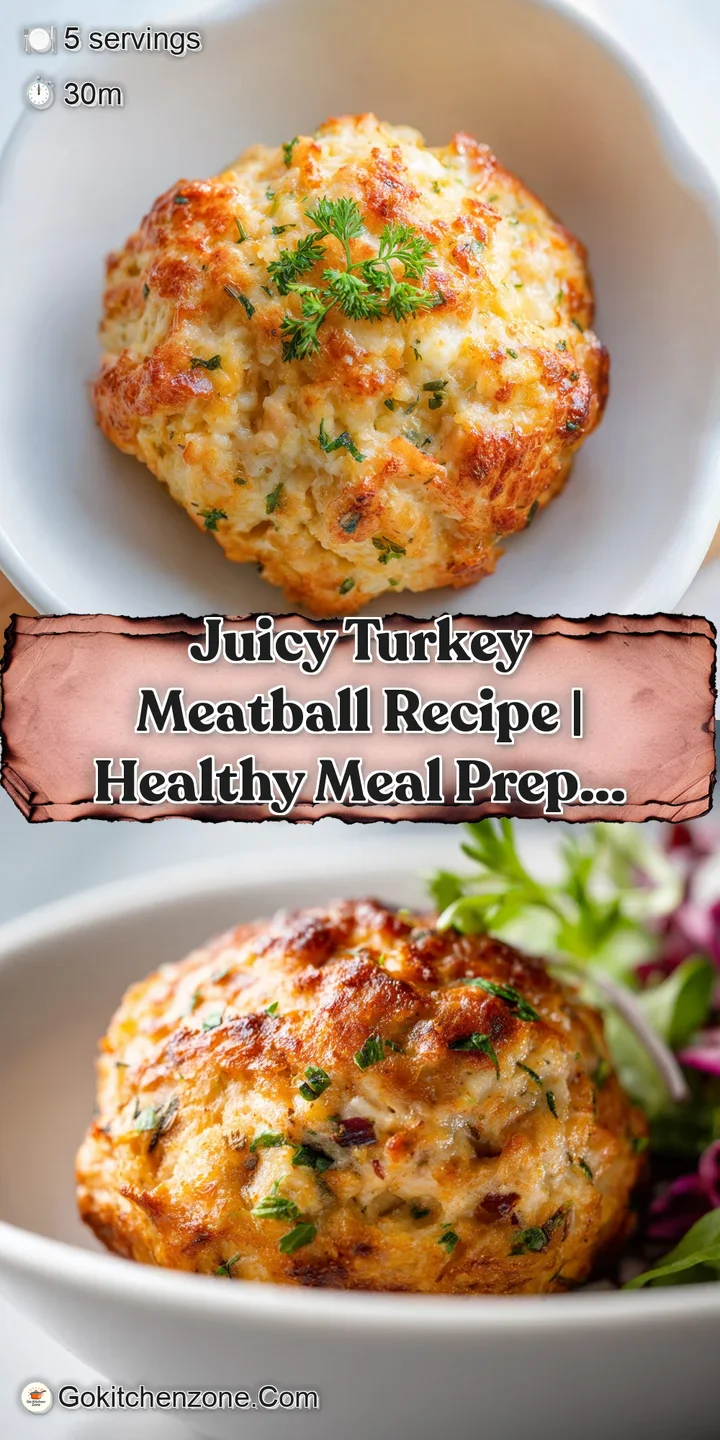
That all changed when I stopped treating turkey like beef and started respecting its lean nature. These meatballs come out of the oven with a mahogany crust and an interior that actually stays moist, even if you reheat them for lunch the next day.
The real hero of this dish isn't actually the turkey it's the milk. By whisking the milk into the egg and spices before the meat even touches the bowl, we create a moisture rich environment that protects the lean protein from the harsh heat of a 400°F oven.
Most people just toss everything in a bowl and hope for the best, but that leads to overworking the meat. We're going for a texture that is soft and yielding, not dense and tough.
We’ve all been there: staring at a pack of ground turkey and wondering how to make it taste like something other than "health food." This recipe is my go to because it relies on pantry staples like panko and Worcestershire sauce to build deep, savory layers of flavor.
It’s practical, it’s fast, and it’s consistently the most requested meal in my house because it feels indulgent while staying relatively light.
The Hydration Buffer: Adding milk to the breadcrumbs creates a gel like structure that prevents the turkey proteins from tightening too much during cooking.
Flavor Amplification: Worcestershire sauce provides a concentrated dose of umami that compensates for the lower fat content in turkey compared to beef.
Heat Distribution: Baking at a high temperature of 400°F creates a quick exterior sear while the short 15 minute cook time keeps the center from drying out.
Texture Contrast: Using panko instead of traditional fine breadcrumbs creates tiny air pockets, making the meatballs feel lighter and more velvety.
| Cook Method | Total Time | Texture Result | Best For |
|---|---|---|---|
| Oven Roast | 30 minutes | Evenly browned and tender | Bulk meal prep |
| Pan Sear | 25 minutes | Extra crispy exterior crust | Sauce heavy dishes |
| Air Fryer | 20 minutes | Maximum crunch, very firm | Quick snacks |
Choosing the right method depends on your evening. The oven is my favorite because it's hands off, letting you clean up the bowl and whisk while the heat does the work. If you are looking for a different vibe, you might enjoy my Ricotta Meatballs recipe which uses a similar moisture locking technique but with a creamy cheese base.
Components For Maximum Flavor And Texture
| Ingredient | Science Role | Pro Secret |
|---|---|---|
| Ground Turkey (93%) | Lean protein base | Avoid 99% lean to prevent a dry, crumbly texture. |
| Panko Breadcrumbs | Structural binder | Let them soak in the liquid for 2 minutes before adding meat. |
| Grated Parmesan | Fat and salt source | Use fresh grated for better melting and structural integrity. |
| Worcestershire Sauce | Umami booster | This replaces the "meatiness" lost by using a leaner bird. |
Ground turkey is a fantastic canvas, but it needs help in the fat department. The Parmesan cheese acts as a hidden fat source, melting into the turkey fibers as they roast. This creates a rich mouthfeel that makes you forget you aren't eating a traditional beef and pork blend.
The choice of breadcrumbs is also a strategic move. I always reach for panko because the larger flakes don't disappear into the meat; they stand their ground, keeping the interior from becoming a solid, dense block. If you want a more garlicky punch, you can look at the seasoning profile in my Garlic Parmesan Turkey Meatballs for inspiration on how to layer those aromatics.
Selecting Your Elements
- 1 lb ground turkey (93% lean): Why this? Provides enough fat for flavor without being greasy.
- Substitute: Ground chicken works with the exact same cook times.
- 1 large egg, beaten: Why this? The glue that holds the sphere together.
- Substitute: 1/4 cup applesauce (unsweetened) for an egg free version.
- 1/2 cup panko breadcrumbs: Why this? Creates air pockets for a lighter texture.
- Substitute: Crushed pork rinds for a gluten-free or keto option.
- 1/4 cup grated Parmesan cheese: Why this? Adds salt, fat, and a savory bite.
- Substitute: Nutritional yeast for a dairy-free umami kick.
- 2 cloves garlic, minced into a paste: Why this? Essential aromatic depth.
- Substitute: 1 tsp garlic powder if you're in a rush.
- 1 tbsp Worcestershire sauce: Why this? The "secret" for making turkey taste beefy.
- Substitute: Soy sauce or coconut aminos.
- 1 tsp dried oregano or Italian seasoning: Why this? Classic Mediterranean herbal notes.
- Substitute: Dried basil or marjoram.
- 1/2 tsp onion powder: Why this? Distributes onion flavor evenly without adding moisture.
- Substitute: 2 tbsp very finely grated yellow onion.
- 1/2 tsp sea salt: Why this? Enhances every other flavor in the bowl.
- Substitute: Kosher salt (use slightly more for the same impact).
- 1/4 tsp cracked black pepper: Why this? Adds a subtle back of-the throat heat.
- Substitute: White pepper for a milder, earthy heat.
- 2 tbsp fresh parsley, finely chopped: Why this? Adds brightness and a pop of color.
- Substitute: 1 tbsp dried parsley.
- 2 tbsp whole milk: Why this? Hydrates the crumbs and softens the turkey.
- Substitute: Unsweetened almond milk or heavy cream.
Essential Tools For The Job
You don't need a professional kitchen to pull this off, but two specific items make a world of difference. First, a rimmed baking sheet is non negotiable. You want those sides to catch any escaping juices so they don't smoke up your oven. If you have a wire cooling rack that fits inside that sheet pan, use it.
Elevating the meatballs allows the 400°F air to circulate underneath, which prevents the bottoms from getting soggy and helps the entire sphere brown evenly.
The second tool I swear by is a 1.5 tablespoon cookie scoop. I used to eyeball the sizes, but then I'd end up with some meatballs that were raw in the middle and others that were dry as sawdust. Consistency in size equals consistency in cooking. Plus, it keeps your hands a lot cleaner during the prep process.
When the meat is cold, it sticks less, so I like to keep the turkey in the fridge until the very second I'm ready to mix it.
Chef's Tip: Freeze your Parmesan cheese for 10 minutes before grating it. This prevents it from clumping and ensures it distributes perfectly through the meat mixture.
Detailed Guide To Rolling And Roasting
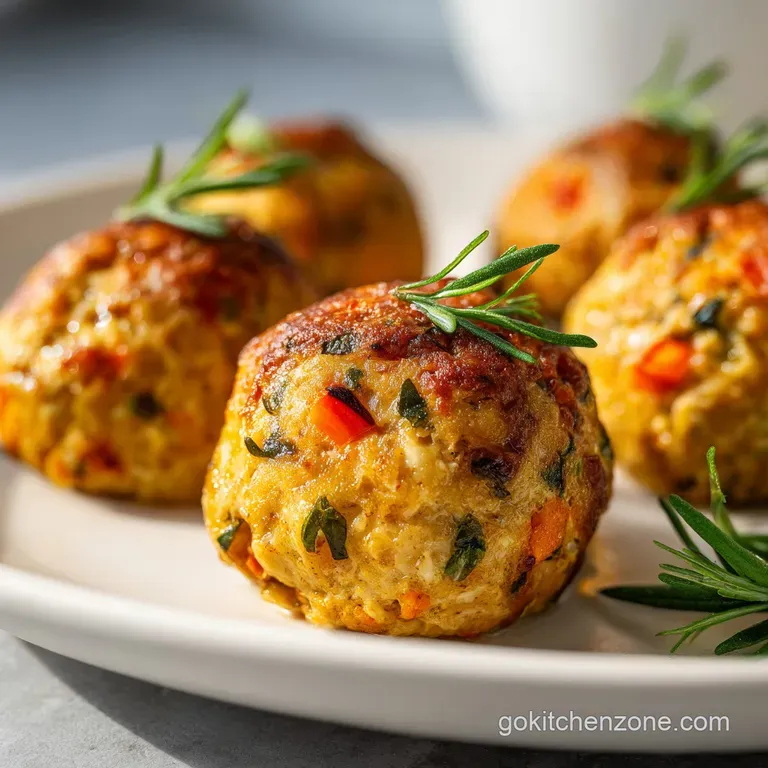
Preparing The Foundation
Preheat your oven to 400°F (200°C) and line a large rimmed baking sheet with parchment paper or a silicone mat. This high temperature is the key to getting a mahogany color in just 15 minutes. While the oven warms up, grab a large mixing bowl.
This is where we build the "liquid gold" that keeps the meatballs juicy.
Creating The Flavor Base
In your large mixing bowl, whisk together the beaten egg, 2 tbsp milk, minced garlic, Worcestershire sauce, oregano, onion powder, sea salt, black pepper, and fresh parsley. You want this to look like a thick, seasoned slurry.
By mixing the spices into the liquid first, you ensure that every single meatball gets the same amount of seasoning. No one wants a "surprise" bite of pure onion powder.
Hydrating The Binder
Stir the 1/2 cup panko breadcrumbs and 1/4 cup grated Parmesan cheese into the liquid mixture. Let this sit for about 2 minutes. This step is vital; it allows the crumbs to hydrate slightly. If the crumbs go in dry and stay dry, they will suck the moisture out of the turkey like a sponge.
We want them pre soaked so they act as a moisture reservoir instead.
Incorporating The Protein
Add the 1 lb of ground turkey to the bowl. Use the 'Gentle Fold' method to incorporate the ingredients. I usually use a silicone spatula or very light fingers. Stop the moment you don't see any more white streaks of turkey.
Over mixing is the number one cause of tough meatballs because it develops the proteins into a tight, rubbery web.
Forming The Spheres
Using a small cookie scoop (approx. 1.5 tbsp size), portion and gently roll the mixture into 20-24 balls. Don't squeeze them too hard; you want just enough pressure to make them hold their shape. If the mixture is sticking to your hands, lightly dampen your palms with cold water.
The Final Roast
Place the meatballs on the prepared baking sheet with space between them. If you're using a wire rack, set them right on top. Slide them into the center rack of the oven. Bake for 15 minutes.
Check for a deep mahogany color and an internal temperature of 165°F (74°C). They should feel firm to the touch but still have a slight give when pressed.
Troubleshooting Your Meatball Batch
Why Your Meatballs Are Dry
Even with the milk trick, turkey can dry out if it's overcooked. The window between "safe to eat" and "shoe leather" is surprisingly small. Ground turkey must reach 165°F for safety, but if you leave it until 180°F, the fat has all rendered out, leaving you with a crumbly mess.
Always use a digital thermometer for the most accurate results.
Preventing The Falling Apart Fiasco
If your meatballs are disintegrating as they cook, the culprit is usually too much liquid or not enough binder. The egg and the panko work together to create a structure. If you find your mixture feels more like a batter than a dough, add another tablespoon of panko.
Also, make sure your garlic is minced into a fine paste; large chunks of vegetables can create "fault lines" that cause the meatball to split.
| Problem | Root Cause | Solution |
|---|---|---|
| Rubbery Texture | Over mixing the meat | Use a "folding" motion instead of kneading the turkey. |
| Grey/Pale Color | Oven temperature too low | Ensure your oven is fully preheated to 400°F. |
| Mushy Interior | Crumbs didn't hydrate | Let the panade sit for 2 minutes before adding the meat. |
Common Mistakes Checklist
- ✓ Don't use 99% lean turkey; the lack of fat makes the meatballs dense and flavorless.
- ✓ Stop mixing the second the ingredients are combined to keep the protein tender.
- ✓ Use a cookie scoop to ensure every meatball is exactly the same size for even cooking.
- ✓ Always preheat the oven; putting meatballs into a cold oven leads to steaming rather than roasting.
- ✓ Pat the turkey dry with a paper towel if there is excess moisture in the packaging before mixing.
Flavor Variations And Smart Swaps
If you want to take this basic turkey meatball recipe and travel the world, it's incredibly easy. For a Greek Turkey Meatball, swap the oregano for dried dill and add 1/4 cup of crumbled feta cheese to the mix. Serve those with a side of tzatziki and a lemon wedge.
If you're looking for a Low Carb Alternative, you can replace the panko with almond flour. Just be aware that almond flour is moisture rich but results in a denser crumb than AP flour or panko.
The Air Fryer Shortcut is another popular choice. If you're only making a half batch, the air fryer can produce a very crispy exterior in about 10-12 minutes at 375°F. However, because the air is so aggressive, keep a close eye on them after the 8 minute mark.
They can go from shatter crisp to burnt very quickly in the small basket environment.
For a budget friendly twist, you can "stretch" the meat by adding 1/2 cup of very finely chopped sautéed mushrooms. Mushrooms have a similar texture to ground meat and add a massive hit of umami without the cost of extra turkey. This is a great trick for feeding a larger family on a single pound of meat.
Storage And Reheating Guidelines
These meatballs are a meal prep dream because they hold their shape so well. You can store cooked meatballs in an airtight container in the fridge for up to 4 days. When reheating, I recommend doing it in a pan with a splash of water or broth and a lid.
This "steams" them back to life, ensuring the center stays moist rather than drying out in the microwave.
For freezing, place the cooked and cooled meatballs on a baking sheet in a single layer and freeze for 2 hours. Once they are solid, toss them into a freezer bag. This "flash freezing" prevents them from sticking together, so you can pull out exactly 5 or 6 whenever you need a quick protein boost.
They will stay fresh in the freezer for up to 3 months.
Don't let the pan drippings go to waste! If you have any brown bits on the parchment paper or baking sheet, you can scrape those into a small saucepan with some canned tomatoes to make a quick "pan sauce." The fond (those caramelized bits) contains a huge amount of concentrated turkey and garlic flavor that will make any jarred marinara taste like it’s been simmering all day.
Making Your Meal Look Restaurant Quality
Presentation is usually the last thing on our minds on a Tuesday night, but a few small touches go a long way. I always save a little bit of the fresh parsley to sprinkle over the top right before serving. The green contrast against the mahogany meatballs makes the dish look vibrant and fresh.
If you’re serving these with pasta, toss the noodles in a little bit of olive oil and lemon zest first to brighten the whole plate.
Another trick is the "glaze." If you want that shiny, professional look, brush the meatballs with a tiny bit of melted butter or a thinned out balsamic reduction during the last 2 minutes of baking. It catches the light and adds a velvety finish to the crust.
Whether you're serving these over a bed of zucchini noodles or tucked into a toasted sub roll with melted provolone, that extra bit of care makes the meal feel like an event rather than just another chore checked off the list.
If you find yourself with leftovers and want to transform them, consider making a quick soup. You can drop these meatballs directly into a pot of simmering broth with some kale and white beans for a "cheat" version of Italian Wedding Soup.
The spices from the meatballs will leach into the broth, seasoning the entire pot for you with zero extra effort.
Recipe FAQs
How to keep turkey meatballs from becoming tough or rubbery?
Use the "Gentle Fold" method to combine ingredients. Overworking the ground turkey develops proteins that lead to a chewy texture, so stop mixing the second the ingredients are uniform. If you enjoyed mastering this technique here, see how the same principle applies to achieving a tender crumb in our Beef Stroganoff.
Can I prepare the meat mixture in advance?
Yes, you can prep the mixture up to 4 hours ahead. Keep the bowl tightly covered in the refrigerator so the panko breadcrumbs stay hydrated and the turkey remains cold, which helps the meatballs hold their shape better during baking.
Is it true I should skip the wire rack if I want juicier meatballs?
No, this is a common misconception. While some think a rack drains too much moisture, it actually ensures even heat circulation at 400°F (200°C), preventing the bottoms from steaming in their own juices and becoming mushy.
How to tell when the meatballs are perfectly cooked?
Insert a digital thermometer into the center of the largest meatball. You are looking for a final internal temperature of 165°F (74°C) after 15 minutes of baking, which ensures safety while maintaining maximum moisture.
How to store leftovers so they don't dry out?
Keep them in an airtight container in the refrigerator for up to 4 days. When reheating, add a splash of liquid to a pan, cover with a lid, and heat gently to steam the meatballs back to their original texture.
How to freeze meatballs for later use?
Flash freeze the cooked meatballs on a baking sheet for 2 hours before bagging. Placing them in a single layer until solid prevents them from sticking together, allowing you to grab only as many as you need at a time.
Is it necessary to use panko instead of regular breadcrumbs?
Yes, panko is essential for the best final texture. Its larger, coarser flake absorbs the milk and egg mixture more effectively than fine breadcrumbs, creating a lighter, less dense interior that stays tender after baking.
Juicy Turkey Meatballs
Ingredients:
Instructions:
Nutrition Facts:
| Calories | 219 kcal |
|---|---|
| Protein | 21.2 g |
| Fat | 10.6 g |
| Carbs | 8.9 g |
| Fiber | 0.5 g |
| Sugar | 1.1 g |
| Sodium | 415 mg |
