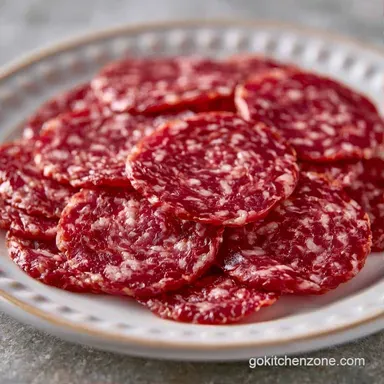
German Style Homemade Elk Summer Sausage
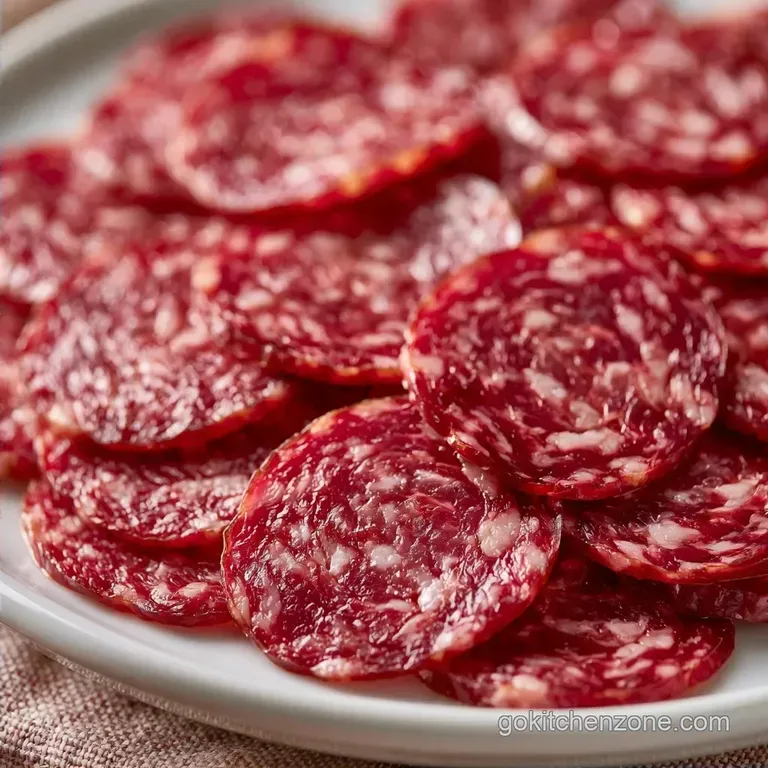
- Time: 20 min active + 4 hrs chilling + 60 min cooking
- Flavor/Texture Hook: Peppery, smoky, and firm with a clean snap
- Perfect for: High protein desk lunches and charcuterie boards
Ever wonder why some wild game sticks taste like salted cardboard while others have that professional, deli-style snap? It usually comes down to how the fat is managed. Many people simply toss everything into a grinder, but ignoring temperature leads to a mealy, dry texture that ruins a quality piece of meat.
I spent a long time trying to understand why my home-processed game always felt "grainy" compared to what you find at a specialty butcher. The answer was simpler than I thought. It wasn't the meat itself, but the temperature of the equipment. Once I started freezing my grinder parts, everything changed.
This Elk Summer Sausage is built for the prep-obsessed. We're using a lean, efficient workflow that allows you to make a massive batch of snacks in one session. It's designed to be a fridge staple, keeping your weekday lunches interesting with zero daily effort.
Making Elk Summer Sausage
Let's dive in. This isn't a recipe for improvisation; it requires a precise approach. To achieve the ideal texture, you must handle the meat as a delicate emulsion. If the fat temperature rises, it will smear, causing you to lose the distinct "bite" that characterizes a high-quality summer sausage.
The goal is a lean profile, yet enough added fat is necessary to prevent the meat from becoming a hockey puck. Elk is naturally lean, excellent for health, but challenging for sausage stability. By incorporating pork back fat, we establish a structure that preserves moisture throughout the oven bake.
Be patient with the chill time. While waiting four hours might seem tedious, it's the period when spices and curing salt truly bond with the proteins. Skipping this rest means the flavor remains on the surface instead of penetrating the center of the sausage.
Why This Method Works
The Cold Chain: Keeping meat and metal parts below 4°C prevents the pork fat from melting during the grind, which preserves the coarse, juicy texture.
Protein Binding: Mixing the meat until it feels tacky creates a matrix of myosin proteins that trap fat and water, preventing them from leaking out during cooking.
Curing Stability: The Prague Powder #1 reacts with the meat to stabilize the color and prevent spoilage, allowing for longer storage in the fridge.
| Approach | Texture | Effort | Control |
|---|---|---|---|
| Fresh Grind | Firm Snap | Higher | Full control over salt/fat |
| Pre Ground | Soft/Mushy | Lower | Limited flavor adjustment |
| Commercial | Rubbery | Zero | High sodium/preservatives |
The difference between a home-made version and a store-bought one is mostly the sodium. According to USDA FoodData, lean game meats are naturally lower in fat, so the added pork back fat is what gives this the traditional mouthfeel.
The Building Blocks
The balance here is about contrasting the gamey notes of the elk with warm, aromatic spices. Cloves and nutmeg might seem odd for meat, but they provide that classic "European deli" scent that makes this feel authentic.
The Meat Base
The 4:1 ratio of elk to pork fat is the gold standard. Too much lean and it's dry; too much fat and it feels greasy.
The Seasoning Blend
We use coarse kosher salt for better distribution and brown sugar to balance the acidity of the curing salt.
The Curing Agents
Prague Powder #1 is non negotiable if you want that characteristic pink color and a safe shelf life.
| Ingredient | What It Does | Best Swap |
|---|---|---|
| Pork Back Fat | Provides moisture and "snap" | Beef suet (richer, heavier flavor) |
| Prague Powder #1 | Cures meat and fixes color | None (essential for safety/color) |
| Ice Cold Water | Lowers temp and aids binding | Chilled apple cider (adds sweetness) |
Complete Ingredients List
- 1.8 kg (4 lbs) lean ground elk meat Why this? low fat, high protein base
- 450 g (1 lb) pork back fat, cubed Why this? Essential for emulsion stability
- 235 ml (1 cup) ice cold distilled water Why this? Keeps meat cold during mixing
- 3 tbsp coarse kosher salt Why this? Draws out proteins for binding
- 2 tbsp brown sugar Why this? Balances salty and cured notes
- 1 tbsp garlic powder
- 1 tbsp onion powder
- 1 tsp ground black pepper
- 1 tsp ground coriander
- 1/2 tsp ground cloves
- 1/2 tsp ground nutmeg
- 1 tbsp Prague Powder #1 Why this? Cures the meat safely
- 4-5 natural hog casings
Essential Gear for the Job
Forget the commercial smokehouse, but make sure you have a reliable way to keep your ingredients cold. A stand mixer is highly recommended, as it is much more efficient than hand mixing for achieving that specific "tacky" consistency.
Use a coarse plate in your meat grinder. If you opt for a fine plate, the Elk Summer Sausage will end up too similar to a hot dog and lose its rustic charm.
A dedicated sausage stuffer is ideal for the filling process, though a grinder attachment works as well. Just be careful; if you force the meat through too quickly, you risk bursting the casings before they even enter the oven.
How to Make It
Let's crack on. This process is split into three phases: the cold prep, the rest, and the finish.
Phase 1: The Cold Grind & Mix
- Freeze your gear. Put the grinder throat and blades in the freezer for 30 minutes. Note: This prevents the friction from warming the fat.
- Grind the meat. Run the elk and cubed pork fat together through the coarse plate.
- Add the liquids. Transfer the ground mix to a chilled bowl and stir in the ice cold water, salt, sugar, and all spices.
- Mix until tacky. Use a stand mixer on low or your hands. Mix for 3-5 minutes until the meat feels sticky and clings to your fingers.
- The big chill. Cover the bowl tightly and refrigerate for 4 hours. Note: This allows the curing salt to work its magic.
Phase 2: Stuffing the Casings
- Soak the casings. Put the hog casings in warm water for 30 minutes until they are pliable and easy to slide.
- Fill the logs. Load the meat into your stuffer. Gently fill the casings, leaving a tiny bit of room so they aren't tight like a drum.
- Tidy up. Twist the casings into 12 inch logs. Use a sterilized needle to prick any air bubbles you see.
Phase 3: The Oven Bake
- Heat the oven. Set your oven to 160°C (325°F).
- Bake and monitor. Place the sausages on a rack over a baking sheet. Bake for 60 minutes until the internal temp hits 71°C (160°F).
Chef's Note: If you have a smoker, you can do the first 2 hours at 65°C (150°F) with hickory wood before bumping the heat to finish. It adds a depth that the oven can't match.
Common Mistakes & Troubleshooting
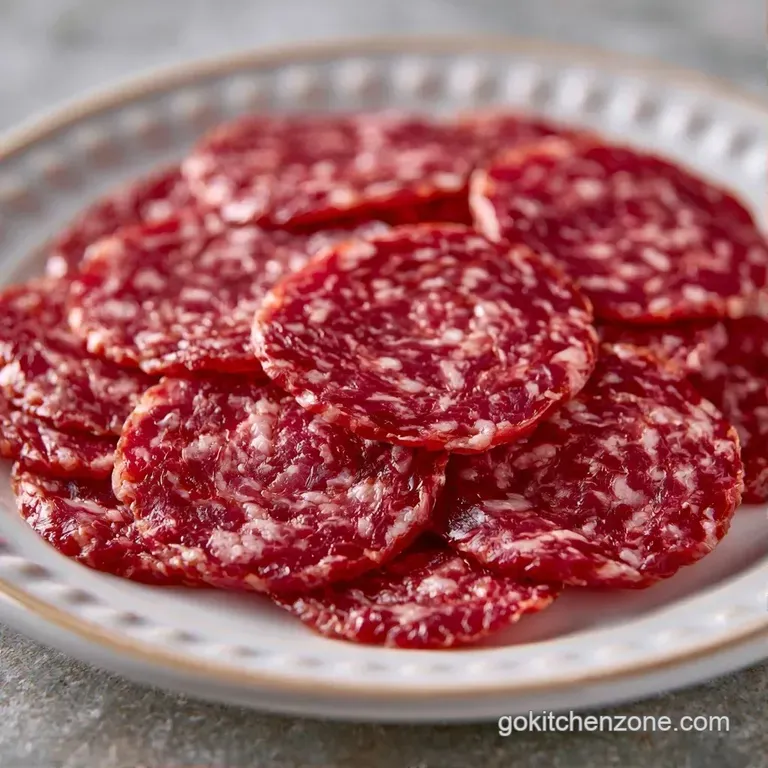
When working with wild game, things can go sideways if you aren't paying attention to the texture. The most common issue is "fat render out," where the fat melts during the grind and leaks out during the bake. This leaves you with a dry, grey sausage.
Another common headache is the casing burst. This usually happens because the meat was packed too tightly or the oven temperature spiked too quickly, causing the air inside the casing to expand.
If your sausages look pale, it's likely because the Prague Powder #1 didn't have enough time to react, or the meat was too warm during the mix.
Fixing a Crumbly Texture
This happens when the meat didn't reach the "tacky" stage. Without that protein bind, the sausage just falls apart when you slice it.
Dealing with Burst Casings
Avoid overfilling. The meat should feel firm but not stretched to the limit.
Correcting Pale Color
Ensure you use distilled ice water and a full 4 hour rest.
| Problem | Fix |
|---|---|
| Mealy/Grainy Texture | Chill grinder parts; mix until sticky |
| Casings Bursting | Prick air bubbles; don't overstuff |
| Dry/Lean Mouthfeel | Ensure 20% pork back fat ratio |
Mix It Up
If you find yourself with different game meats in the freezer, you can easily adapt this. For instance, if you're using venison, the process is identical. You might try my venison summer sausage if you want to skip the casings entirely for an even faster prep.
For those who like a kick, add 1 tablespoon of crushed red pepper flakes and a teaspoon of smoked paprika to the seasoning blend. It doesn't change the chemistry, just the profile.
If you want a sweeter, more "breakfast style" sausage, swap the brown sugar for maple syrup and double the nutmeg. Just remember that adding more liquids might require a slightly longer bake time to hit that 71°C internal temp.
| Goal | What to change |
|---|---|
| Spicier Heat | Add 1 tbsp red pepper flakes |
| Woodsy Flavor | Swap brown sugar for maple syrup |
| Extra Smoky | Add 1 tbsp smoked paprika |
Storage and Keeping Fresh
Thanks to the curing salt, this Elk Summer Sausage has a longer shelf life than a typical bratwurst. For refrigeration, wrap them tightly in parchment or butcher paper. Try to avoid using plastic wrap, as it can trap moisture and make the casings slimy. They will stay fresh for approximately 2 weeks.
Vacuum sealing is the best option for long-term storage. These freeze well for up to 6 months. To prepare them for eating, let them defrost in the refrigerator overnight.
To avoid waste, turn any remaining meat mixture into small "snack patties." Simply sear them in a skillet for 4 minutes per side. This is a perfect way to use the last bit of the batch that didn't fit into a casing.
Serving Suggestions
This is where the meal prep obsession really pays off. I like to slice the sausages into thin coins and keep them in a container for the week. They make a great addition to a high protein breakfast scramble with eggs and spinach.
For a more social setup, build a charcuterie board. Pair the Elk Summer Sausage with sharp cheddar, cornichons, and a grainy Dijon mustard. The acidity of the mustard cuts through the richness of the pork fat.
If you're looking for other options for your board, a beef summer sausage provides a nice contrast in flavor and color. I usually serve these with sliced apples or pears to bring some freshness to the plate.
Dispelling Common Myths
Myth: Leaner meat makes a healthier sausage. Truth: In the case of summer sausage, too lean means the proteins tighten and squeeze out all the juice. A little pork fat actually makes the sausage more satisfying and prevents you from overeating because the fat provides satiety.
Myth: Searing the sausage seals in the juices. Truth: Searing adds flavor through browning, but it doesn't "seal" anything. Moisture loss happens throughout the cooking process. The real "seal" is the protein bind you create during the mixing phase.
Myth: You can't make this without a smoker. Truth: An oven works just fine. While you miss the wood fire aroma, the texture and safety are exactly the same. You can even add a drop of liquid smoke to the water if you really miss that scent.
Critical Sodium Level
3764 mg 3,764 mg of sodium per serving (164% 164% of daily value)
The American Heart Association recommends a daily sodium limit of 2,300mg, with an ideal limit of 1,500mg for most adults to reduce cardiovascular risk.
Strategies to Reduce Sodium in your Elk Sausage
-
Reduce Kosher Salt-30%
The 3 tbsp of kosher salt is the primary sodium driver. Reduce this by half or replace a portion with a potassium-based salt substitute.
-
Optimize Prague Powder #1-15%
Since Prague Powder contains high levels of sodium chloride, ensure you are using a precise digital scale to avoid over-adding this curing salt.
-
Switch to Fresh Aromatics-5%
Replace the garlic and onion powders with fresh minced garlic and onion to provide a punchier flavor profile without the concentrated sodium often found in powders.
-
Amplify Warm Spices
Increase the amounts of ground coriander, cloves, and nutmeg. These bold spices can trick the palate into perceiving more flavor, making the reduction of salt less noticeable.
Recipe FAQs
How to cook elk summer sausage?
Sear in a pan or slice and serve cold. Since these are cured and smoked, they are safe to eat as is or lightly browned for extra flavor.
What exactly is summer sausage?
A cured, smoked sausage designed for longer shelf life. It typically uses curing salts like Prague Powder #1 to preserve the meat without immediate refrigeration.
Why do the casings sometimes burst during cooking?
Overpacking the meat or sudden temperature spikes. This causes the air and moisture inside the casing to expand rapidly, splitting the skin.
Is it true that curing salt is optional for this recipe?
Not true. Prague Powder #1 is essential for the characteristic color, flavor, and safety of a summer sausage.
Which technique prevents dry, grey sausages?
Chill the grinder throat and blades for 30 minutes. Keeping the meat cold prevents the pork fat from melting during the grind, which keeps the sausage juicy.
Does a pale color mean the curing salt failed?
Yes, this usually happens when the Prague Powder #1 lacks reaction time. Ensure the meat refrigerates for at least 4 hours before stuffing.
Can the leftover meat mix be used differently?
Sear them as small snack patties for 4 minutes. If you enjoyed the curing process here, you can apply similar flavor-balancing logic to a beef summer sausage.
How long does it stay fresh?
About 2 weeks in the refrigerator. Wrap them tightly in butcher paper or parchment to prevent the casings from becoming slimy.
Elk Summer Sausage for 16 Servings