Easy Banana Bread Recipe: Ultra Moist
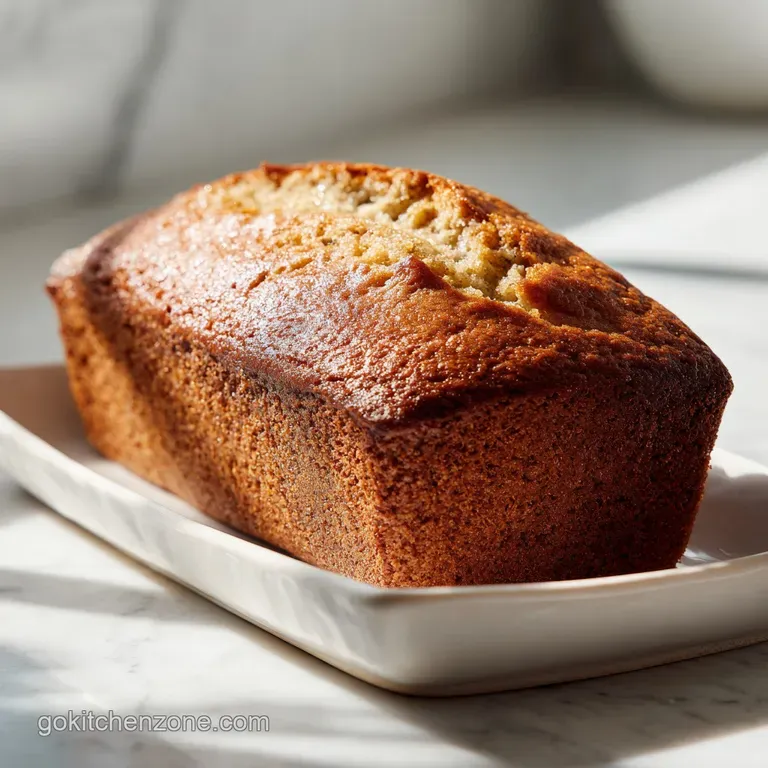
- My Journey Finding This Easy Banana Bread Recipe
- The Secret Science Behind This Moist Loaf
- Essential Details For Your Baking Success
- Simple Elements For Your Cheap Kitchen Hack
- Minimal Tools For Quick Loaves
- Step By Step Guide To Golden Slices
- Fixing Common Baking Errors
- Tasty Variations For Your Loaf
- Storing Bread To Survive Longer
- Serving Ideas For Better Snacks
- Recipe FAQs
- 📝 Recipe Card
My Journey Finding This Easy Banana Bread Recipe
The heavy, cloyingly sweet scent of blackened bananas hit me the second I walked into my cramped first apartment. I had exactly five dollars in my bank account and a pantry that looked like a wasteland, but those three bruised bananas on the counter were staring at me.
I remember mashing them with a plastic fork because I didn't even own a whisk back then, the rhythmic "thwack squish" against the bowl becoming a soundtrack to my kitchen survival. It was a desperate attempt to turn trash into a treat, and that first bite of warm, oil enriched bread changed everything for me.
I used to think you needed fancy European butter and a stand mixer to make something worth eating, but I was so wrong. That first loaf was a revelation in how cheap ingredients, like neutral oil and basic pantry staples, could create a crumb so velvety it put bakery versions to shame.
It wasn't about the price tag, it was about the moisture. This easy banana bread recipe became my go to "survival hack" for whenever friends came over or when I just needed a win after a long shift.
We've all been there, staring at a recipe that asks for "room temperature softened butter" when you're hungry right now. This is the solution. It is the most reliable, budget friendly way to use up those "ugly" bananas that most people would toss. No fancy tools, no expensive dairy, just a bowl and a fork.
It's brilliant, and I'm going to show you exactly how to make it work every single time without breaking the bank.
The Secret Science Behind This Moist Loaf
Hygroscopic Action: Sugar and mashed bananas both pull moisture from the air, ensuring the loaf stays tender for days.
Lipid Coating: Using oil instead of butter coats flour proteins more effectively, which prevents tough gluten from forming.
Maillard Reaction: The combination of banana sugars and baking soda creates that deep brown, caramelized crust during the long bake.
Acid Activation: Natural acids in the overripe fruit react instantly with the baking soda to create tiny air bubbles.
| Prep Strategy | Time Investment | Resulting Texture | Cost Impact |
|---|---|---|---|
| Fresh Mashed | 10 minutes | Thick, chunky, and moist | Lowest cost ($0.50) |
| Frozen/Thawed | 5 minutes | Syrupy and very sweet | Zero waste |
| Bakery Shortcut | 2 minutes | Uniform and cake like | Higher cost ($4.00) |
Using frozen bananas is a fantastic way to save money and reduce waste. When they thaw, they release a dark liquid that is basically pure banana nectar. Don't you dare throw that liquid away! Stir it right into the batter for an even more intense flavor profile that costs absolutely nothing extra.
Essential Details For Your Baking Success
Before we get into the mashing, let's look at the hard numbers. I've learned the hard way that guessing with baking is a recipe for a "gummy" disaster. Stick to these specs to ensure your loaf has that classic domed top and a middle that isn't raw. If you're looking for a different breakfast vibe, you might also like my French Toast Bake recipe which uses similar pantry staples.
Component Analysis
| Ingredient | Science Role | Pro Secret |
|---|---|---|
| Neutral Oil | Fat Source | Stays liquid at room temp, keeping the crumb soft. |
| Baking Soda | Leavening Agent | Reacts with fruit acid to provide the necessary lift. |
| Overripe Bananas | Flavor & Moisture | Provides the structural "glue" and natural sweetness. |
| All Purpose Flour | Structure | Provides the gluten network to hold the bread's shape. |
The key here is the oil. While butter tastes great, it hardens when cool. Since we want this bread to be just as soft on day three as it is on hour one, oil is the superior choice for a budget conscious baker.
Simple Elements For Your Cheap Kitchen Hack
- 3 large overripe bananas, mashed: Use the ones with the most black spots for the best sugar content. Why this? They provide 1.5 cups of moisture and the primary flavor. (Substitute: 1.5 cups unsweetened applesauce, though the flavor will change).
- 0.5 cup neutral oil: Vegetable or canola works perfectly. Why this? Keeps the bread moist for much longer than butter. (Substitute: Melted coconut oil for a tropical hint).
- 0.75 cup granulated sugar: Standard white sugar is fine. Why this? Provides sweetness and helps the edges crisp up. (Substitute: Brown sugar for a deeper, molasses like flavor).
- 1 large egg, room temperature: It acts as the binder. Why this? Holds the heavy fruit and flour together. (Substitute: 1 flax egg for a vegan alternative).
- 1 teaspoon pure vanilla extract: Adds that "bakery" aroma. Why this? Rounds out the sweetness of the bananas. (Substitute: 0.5 teaspoon almond extract).
- 1.5 cups all purpose flour: The foundation. Why this? Gives the bread its essential structure. (Substitute: 1:1 gluten-free flour blend).
- 1 teaspoon baking soda: The lift. Why this? Makes the bread rise so it isn't a brick. (Substitute: 3 teaspoons baking powder, but the texture will be cakey).
- 0.5 teaspoon fine sea salt: To balance the sugar. Why this? Enhances every other flavor in the bowl. (Substitute: Table salt, use slightly less).
- 0.5 teaspoon ground cinnamon: For warmth. Why this? Pairs perfectly with the caramelized banana notes. (Substitute: Ground nutmeg or allspice).
Minimal Tools For Quick Loaves
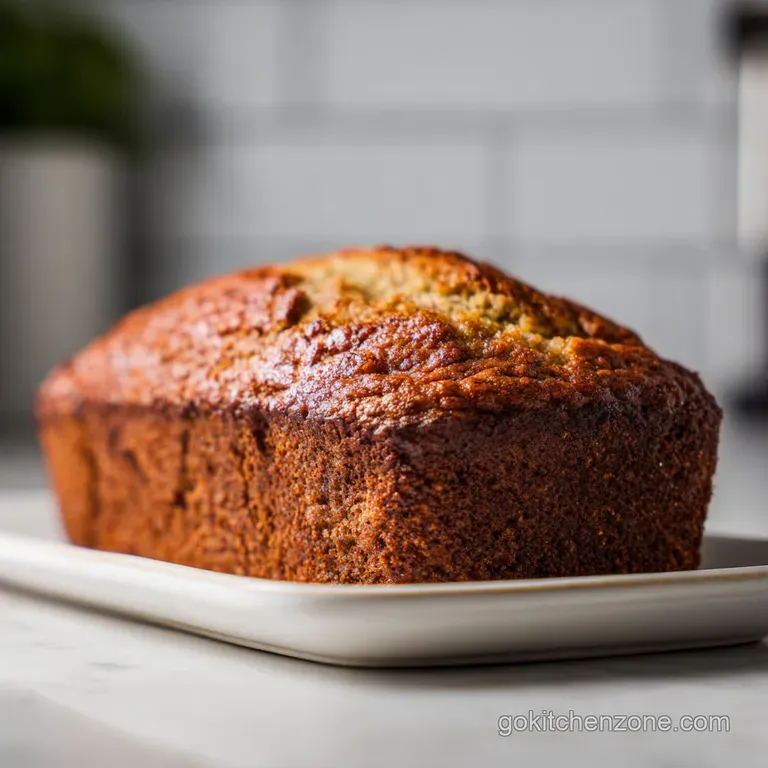
One of the reasons I love this easy banana bread recipe is that it doesn't require a kitchen full of gadgets. You really only need two bowls one for the dry stuff and one for the wet. If you have a 9x5 inch loaf pan, you're golden.
If not, I've even made this in a muffin tin when I was living in a dorm with no real pans.
Chef's Tip: If you want a truly spectacular crust, sprinkle a tablespoon of sugar over the top of the batter right before it goes into the oven. It creates a "shatter" effect that feels way more expensive than it actually is.
2 Must Have Tools
A sturdy fork is actually better than a masher here because it allows you to leave a few small chunks of banana, which turn into velvety pockets of sweetness during the bake. Also, a silicone spatula is a lifesaver for folding the flour in gently so you don't overwork the gluten and end up with a rubbery loaf.
step-by-step Guide To Golden Slices
- Preheat your oven to 350°F (180°C) and grease a 9x5 inch loaf pan. Note: Proper preheating ensures the baking soda activates immediately.
- Mash 3 bananas in a large bowl until mostly smooth with a few small lumps.
- Whisk in 0.5 cup neutral oil and 0.75 cup granulated sugar until the mixture looks glossy.
- Add 1 egg and 1 teaspoon vanilla, beating until fully incorporated and pale.
- Sift together 1.5 cups flour, 1 teaspoon baking soda, 0.5 teaspoon salt, and 0.5 teaspoon cinnamon. Note: Sifting prevents "flour pockets" in the dense batter.
- Fold the dry ingredients into the wet until just combined and no white streaks remain.
- Pour the batter into the prepared pan and smooth the top.
- Bake 55 minutes until a toothpick comes out clean or with dry crumbs.
- Cool in the pan for 10 minutes until the edges pull away slightly.
- Transfer to a wire rack to cool completely before slicing.
Fixing Common Baking Errors
One mistake I once made was taking the bread out too early because the top looked dark. I ended up with a literal puddle of raw batter in the middle of my plate. It was heartbreaking. But what about the sogginess? We'll get to that.
Usually, it's just a matter of checking the internal temperature or using the "poke test" correctly.
Why Your Bread Sinks
A sunken middle usually happens because the oven door was opened too early, causing a sudden temperature drop. It could also mean you used too much baking soda, which caused the bread to rise too fast and then collapse. Stick to the measurements!
| Problem | Root Cause | Solution |
|---|---|---|
| Gummy Bottom | Underbaked or too much fruit | Use a thermometer; bake until 200°F (93°C) internally. |
| Dry Crumb | Overbaked or too much flour | Measure flour by spooning it into the cup, don't scoop. |
| Burned Top | Oven rack too high | Move to the center rack or tent with foil at 40 minutes. |
Common Mistakes Checklist
- ✓ Use blackened bananas only - yellow ones don't have enough sugar.
- ✓ Don't overmix the batter - stop as soon as the flour disappears.
- ✓ Ensure your baking soda is fresh - it expires faster than you think.
- ✓ Let the loaf cool completely - slicing it hot lets all the moisture escape.
- ✓ Double check your oven temp with an external thermometer if possible.
Tasty Variations For Your Loaf
If you're feeling fancy, this is the perfect base for an "easy banana bread recipe with chocolate chips." Just toss half a cup of semi sweet chips in a teaspoon of flour before folding them in. This prevents them from sinking to the bottom and forming a sugary sludge at the base of your pan.
For those looking for an "easy banana bread recipe healthy" version, you can swap half the white flour for whole wheat. It adds a nutty flavor that I actually prefer. If you’re a fan of making doughs from scratch, you might find my Homemade Cinnamon Rolls recipe just as satisfying and budget friendly for a weekend project.
Decision Shortcut
- If you want extra crunch, add 0.5 cup chopped walnuts or pecans to the batter.
- If you want maximum moisture, stir in 2 tablespoons of Greek yogurt or sour cream.
- If you want intense flavor, use 4 bananas instead of 3, but bake for an extra 10 minutes.
Storing Bread To Survive Longer
This bread is a meal prep dream. It stays moist in an airtight container at room temperature for up to 4 days. If you find yourself with leftovers that are starting to get a bit stale, don't throw them out! They make the best French toast you've ever had in your life.
For the freezer, wrap individual slices in plastic wrap and then store them in a freezer bag. They'll last for 3 months. When you're ready for a snack, just pop a frozen slice into the toaster. The edges get crispy while the middle stays soft it's honestly better than the first day.
To reduce waste, I always save my banana peels for the garden, or you can even boil them to make "banana tea" for your houseplants.
Serving Ideas For Better Snacks
While a plain slice is great, I love topping mine with a smear of salted espresso butter. Just whip a pinch of instant coffee and sea salt into softened butter. It makes the whole experience feel like a five dollar coffee shop treat for about twenty cents.
If you want a more savory contrast, serve a warm slice alongside a bowl of yogurt or even a small portion of something savory like my Brown Gravy Recipe over biscuits for a full "poor man's brunch" setup. It sounds weird, but the sweet and salty combo is a total budget win.
Debunking Banana Bread Lore
A lot of people think you shouldn't use "rotten" bananas. There is a huge difference between a black, overripe banana and one that has mold or smells like fermented alcohol. As long as the skin is just dark and the inside is mushy and brown, it’s safe and actually preferred.
Another myth is that you must use butter for flavor. Oil actually allows the banana flavor to shine through much more clearly because it doesn't mask the fruit with heavy dairy fats. Finally, don't believe that "more is better" with leavening.
Too much baking soda will give your bread a metallic, soapy aftertaste that ruins the whole loaf.
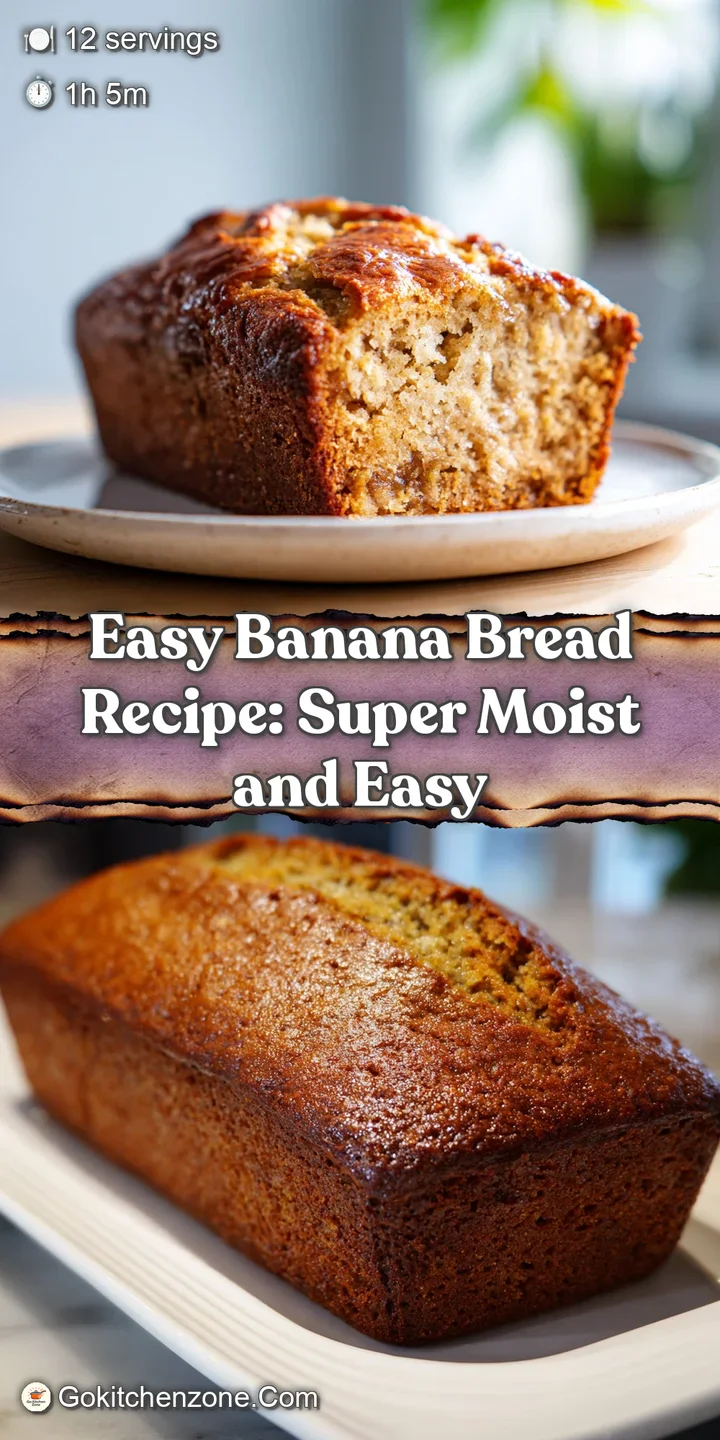
Recipe FAQs
How to make an easy banana loaf?
Mash 3 very ripe bananas with a fork in a large bowl first. Whisk in the oil, sugar, egg, and vanilla until the mixture is glossy, then gently fold in the dry ingredients (flour, soda, salt, cinnamon) until just combined. Pour into a greased loaf pan and bake at 350°F for about 55 minutes.
What is the secret to the best banana bread?
Use oil instead of butter for superior moisture retention. Butter solidifies when cool, making the bread dense, but oil keeps the crumb velvety soft for days. If you enjoyed controlling the fat content for texture here, see how the same principle of lipid coating prevents tough gluten in recipes like our Tender Cube Steak recipe.
What are the essential ingredients in standard banana bread?
You need overripe bananas, neutral oil, sugar, an egg, flour, baking soda, and salt. The overripe bananas provide the necessary moisture and natural sweetness that drives the flavor profile. Baking soda is crucial as it reacts with the fruit acid to ensure a proper rise.
What is the one ingredient banana bread upgrade?
Stir in one tablespoon of Greek yogurt or sour cream. This small addition boosts acidity and liquid content, guaranteeing an incredibly moist final product. If you enjoy these powerful texture hacks, you'll appreciate how adding ricotta achieves a similar velvety result in our Ricotta Meatballs Oven Baked Fluffy.
Should I use brown sugar instead of granulated sugar?
Yes, swapping half the white sugar for brown sugar deepens the flavor. Brown sugar contains molasses, which adds a richer, slightly caramelly note to the finished loaf. Be aware that increasing molasses slightly increases the hygroscopic (moisture retaining) quality of the bread.
How do I prevent my banana bread from sinking in the center?
Check your oven temperature with an external thermometer before baking. Sinking often results from opening the oven door too soon or having an oven that runs too cool, preventing the structure from setting before the leavening gases escape. Ensure your baking soda is fresh for maximum lift.
Can I use yellow bananas instead of heavily spotted ones?
No, stick with bananas that are heavily spotted or nearly black for best results. Less ripe bananas contain more starch and less sugar, which results in a denser, less flavorful loaf. The deep black spots signal maximum sugar conversion for perfect caramelization.
Easy Banana Bread Recipe
Ingredients:
Instructions:
Nutrition Facts:
| Calories | 222 kcal |
|---|---|
| Protein | 2.5 g |
| Fat | 9.7 g |
| Carbs | 32.2 g |
| Fiber | 1.3 g |
| Sugar | 16.6 g |
| Sodium | 196 mg |
