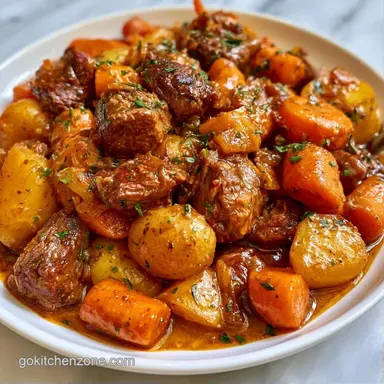
Crockpot Vegetable Beef Soup with Stew Meat
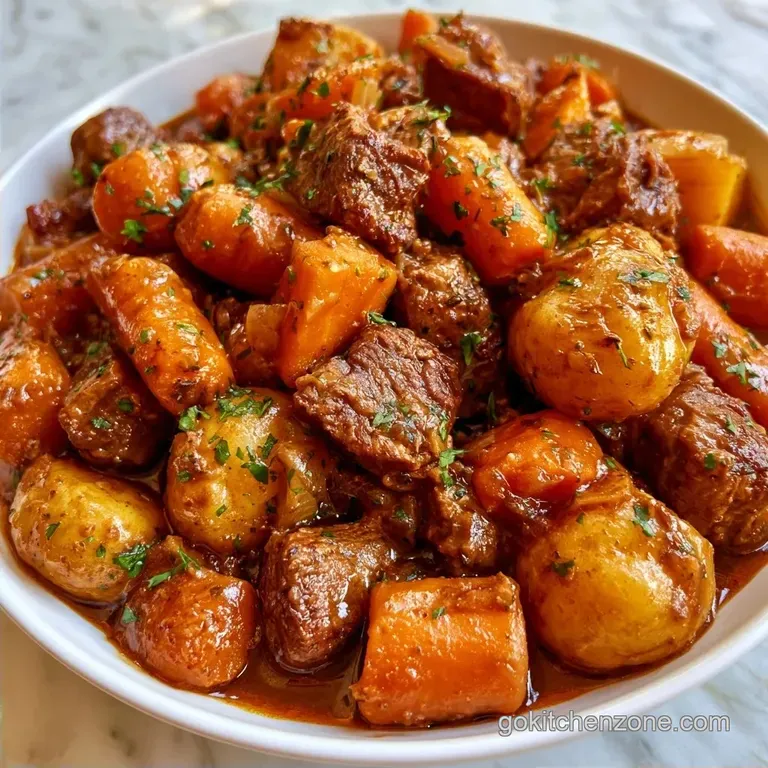
- Time:15 minutes active + 6 hours cooking
- Flavor/Texture Hook: Hearty, savory broth with tender beef chunks
- Perfect for: Rainy day family dinners or meal prep
- Hearty Crockpot Vegetable Beef Soup
- The Trick Behind the Texture
- Gathering Your Essentials
- Equipment Needed
- Step-by-Step Instructions
- Common Mistakes & Troubleshooting
- Make It Your Own
- Freezing and Reheating Guide
- Serving Suggestions
- Adjusting the Batch Size
- Common Kitchen Myths
- High in Sodium
- Recipe FAQs
- 📝 Recipe Card
There is nothing quite like the sizzle of beef browning in olive oil to kick off a rainy Tuesday. I recall a chilly autumn day when the house felt freezing and I craved a meal that offered pure, warm comfort.
After tossing the ingredients into the slow cooker and stepping away, I returned to a home filled with the aroma of a professional kitchen.
No advanced culinary skills are required here. The secret is allowing the low temperature to do the hard work, transforming affordable ingredients into a dish that tastes like it has been simmering for days. This Crockpot Vegetable Beef Soup perfumes the entire house, signaling to everyone that dinner is nearly ready.
You can expect a deep, mahogany colored broth and vegetables that are tender without becoming mushy. By using a few straightforward techniques, we'll ensure the meat stays succulent and the flavors remain bold, all without needing to buy the most expensive cuts of beef.
Hearty Crockpot Vegetable Beef Soup
Now, let's examine how this version compares to the quicker method. Many assume the stovetop is the only option, but there is a significant difference in texture.
| Method | Time | Meat Texture |
|---|---|---|
| Stovetop | 2 hours | Firmer, slightly tougher |
| Crockpot | 6-8 hours | Tender, falls apart |
Regarding the cost, this recipe is very budget friendly. It utilizes stew meat, which is more affordable and provides the deepest flavor when slow cooked.
The Trick Behind the Texture
The reason this recipe tastes so rich comes down to how the heat interacts with the ingredients over several hours.
Collagen Conversion: Stew meat contains high levels of connective tissue. Slow heat turns this collagen into gelatin, giving the broth a silky mouthfeel.
Layered Aromatics: Searing the meat first creates a brown crust. This adds a deep, savory base that simmering alone can't achieve.
Staggered Entry: Adding the frozen corn and peas at the end keeps them from turning into mush.
Gathering Your Essentials
I've discovered that Yukon Gold potatoes are the ideal choice because they retain their shape far better than Russets. You definitely don't want your soup to end up with a mashed potato consistency.
| Component | Purpose | Substitute Notes |
|---|---|---|
| Beef Stew Meat | Primary protein and substance | Chuck roast; cut into 1 inch cubes |
| Beef Broth | Savory foundation | Vegetable broth; slightly milder flavor |
| Tomato Paste | Depth and color | Extra crushed tomatoes; thinner consistency |
| Yukon Gold Potatoes | Hearty thickness | Red potatoes; also maintains shape well |
The Ingredients List
- 2 lbs beef stew meat Why this? Tougher cuts provide richer flavor during slow cooking
- 2 tablespoons olive oil
- 1 medium yellow onion, finely chopped
- 4 cloves garlic, minced
- 3 large Yukon Gold potatoes, cubed
- 3 large carrots, sliced into rounds
- 2 stalks celery, chopped
- 2 cups chopped cabbage
- 6 cups low sodium beef broth
- 1 can (15 oz) crushed tomatoes
- 2 tbsp tomato paste
- 1 tbsp Worcestershire sauce
- 1 tsp dried thyme
- 1 tsp salt
- ½ tsp black pepper
- 1 cup frozen peas and carrots mix
- 1 cup frozen corn
- ¼ cup fresh parsley, chopped
Equipment Needed
You only need a few reliable tools to get this done.
2 Essential Tools
A heavy skillet is required for searing. I recommend stainless steel or cast iron for their superior heat retention, which helps create a great crust on the beef. You will also need a slow cooker (6 quarts or larger) to fit all the vegetables.
Quick Tip: You can brown the beef using the sauté function of an Instant Pot before switching to slow cook if you prefer not to use a separate skillet.
Step-by-step Instructions
Use these guidelines to achieve the perfect blend of flavor and consistency for your Crockpot Vegetable Beef Soup.
Phase 1: The Flavor Foundation
- Sauté olive oil in a pan over medium high heat. Sear the stew meat in small groups until a deep brown crust forms on all sides. Avoid overloading the pan to prevent the meat from steaming.
- Toss in the chopped onions and garlic during the last 2 minutes of browning until they are translucent and fragrant. Move the beef and aromatics into the slow cooker.
Phase 2: The Slow Simmer
- Place the diced potatoes, carrots, celery, and cabbage into the crockpot.
- Stir in the crushed tomatoes and beef broth.
- Mix in the Worcestershire sauce, tomato paste, thyme, salt, and pepper.
- Whisk thoroughly until the tomato paste is fully integrated into the broth and completely smooth.
- Cover with the lid and cook on High for 6 hours (or Low for 8 hours).
Phase 3: The Finishing Touch
- About thirty minutes before serving, fold in the frozen corn and the frozen peas and carrots mix. Note: This preserves their bright color.
- Mix in the freshly chopped parsley immediately before serving.
Common Mistakes & Troubleshooting
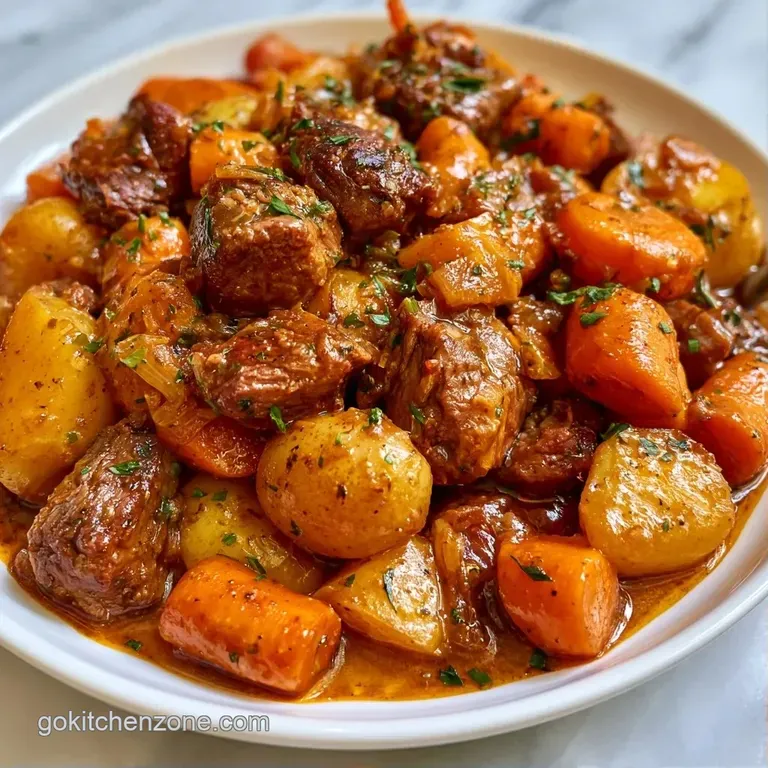
It's easy to get this right, but a few things can go sideways. Most often, the broth ends up too thin, or the meat doesn't quite reach that "melt in-your mouth" stage.
Fixing a Thin Broth
If the soup feels more like a broth than a hearty meal, you can use a potato masher. Smash a few of the cooked potato chunks against the side of the pot and stir them back in. This releases natural starches that thicken the liquid without needing flour.
Dealing with Tough Beef
Tough meat usually means it hasn't cooked long enough. According to USDA guidance, beef is safe at 145°F, but for stew meat, you need it to reach a much higher temperature to break down the collagen. If it's still chewy, give it another hour on high.
Balancing Bland Flavor
If it tastes flat, you likely need an acid. A teaspoon of lemon juice or a splash of red wine vinegar added at the very end wakes up all the other flavors.
| Problem | Root Cause | Solution |
|---|---|---|
| Broth is too watery | Not enough starch | Mash a few potatoes into the soup |
| Beef is chewy | Under cooked | Cook for 1 more hour on High |
| Taste is "flat" | Lacks acidity | Add a splash of vinegar or lemon juice |
Make It Your Own
This slow cooker vegetable beef soup is incredibly versatile. If you're pressed for time and can't wait 6 hours, a Ground Beef Stir Fry is a dependable way to enjoy those savory beef notes in just 20 minutes.
2 Hearty Flavor Twists
For a more earthy, woodsy profile, add a sprig of fresh rosemary alongside the thyme. If you enjoy a hint of heat, tossing in a pinch of red pepper flakes during the searing process adds a subtle warmth that balances the savory depth of the meat.
2 Dietary Swaps
Substitute the potatoes with cauliflower florets for a lower carb option, though the broth will be thinner without the potato starch. For a different leafy green, swap cabbage for chopped kale, adding it during the final 30 minutes to prevent overcooking.
| Goal | What to change |
|---|---|
| Thicker soup | Mash some potatoes |
| Brighter taste | Add extra fresh parsley |
| More heartiness | Add extra beef chunks |
Freezing and Reheating Guide
With 12 servings, this Crockpot Vegetable Beef Soup will likely leave you with extras.
Keep the soup in airtight glass containers; it will remain fresh for 3 to 4 days when chilled. If the liquid has thickened during storage, simply stir in a bit of water or broth when reheating on the stove.
For freezing, ensure the soup has cooled completely. Divide it into freezer safe bags or plastic containers for up to 3 months. Let it defrost in the fridge overnight before warming it on the stovetop or in the microwave.
To reduce waste, save any cabbage cores or carrot peels to create a quick vegetable stock for another meal.
Serving Suggestions
I love serving this with a piece of crusty sourdough bread toasted with garlic butter. The acidity of the bread balances the rich, savory broth.
2 Perfect Pairings
A simple side salad with a sharp vinaigrette works well to clear the palate between bites of the hearty soup. If you're craving a different kind of comfort, my Homemade Tomato Soup is another great choice for cold weather.
Adjusting the Batch Size
Adjusting the portion size of this dish involves more than simple multiplication.
Scaling Down For a half portion, switch to a smaller slow cooker. Since lower volumes warm up more quickly, trim the cooking time by roughly 20%. For the searing step, use a small amount of oil or one beaten egg.
Scaling Up If you double the ingredients, avoid doubling the seasoning. Instead, begin with 1.5x the salt and thyme, then adjust to taste at the finish. You can also cut the liquids by about 10%, as a fuller pot experiences less evaporation.
Common Kitchen Myths
I've heard people say that searing meat "seals in the juices." That's actually not true. Searing doesn't stop moisture from leaving the meat, but it does create a brown crust that adds a ton of flavor.
Another myth is that using low-fat broth automatically makes a soup "healthy." The real nutritional value comes from the vegetables and the protein. Focus on the quality of the ingredients rather than just the fat content of the broth.
High in Sodium
845 mg 845 mg of sodium per serving (37% 37% of daily value)
The American Heart Association recommends a daily sodium limit of 2,300 mg, though an ideal limit for most adults is 1,500 mg.
Tips to Reduce Sodium
-
Swap the Broth-30%
Replace the low-sodium beef broth with homemade unsalted beef stock or water infused with vegetable scraps for a massive sodium drop.
-
Eliminate Added Salt-25%
Completely omit the 1 tsp of salt and use a squeeze of fresh lemon juice at the end to mimic the flavor enhancing properties of salt.
-
Modify the Sauce-20%
Reduce the Worcestershire sauce by half or replace it with balsamic vinegar to maintain that savory, acidic depth without the salt.
-
Use No-Salt Tomatoes-20%
Substitute the canned crushed tomatoes with a 'no salt added' version to reduce hidden sodium in the base of the stew.
-
Enhance with Herbs
Double the amount of dried thyme and fresh parsley to add more aromatic complexity and flavor without adding any sodium.
Recipe FAQs
How to make beef vegetable soup in a slow cooker?
Brown stew meat and aromatics, combine with vegetables and broth, then cook on High for 6 hours or Low for 8 hours.
Tip: stir in frozen peas, carrots, and corn only 30 minutes before serving to maintain a fresh snap.
What is the secret to a flavorful beef soup?
Searing the beef stew meat until a deep brown crust forms creates a rich, savory base. If you enjoyed the deep flavor profile from searing here, see how the same principle works in our brown gravy.
Tip: use a high smoke point oil like olive oil to get a better crust without burning.
Is it true that you can skip searing the meat for slow cooker soup?
False. Searing the beef first is essential for the deep crust and complex flavor that slow cooking alone cannot achieve.
Tip: brown the meat in small batches to avoid crowding the pan and steaming the beef.
Which vegetables provide the best taste in this recipe?
Yukon Gold potatoes, carrots, celery, and cabbage provide the best texture and sweetness for this broth.
Tip: cut potatoes into uniform cubes so they cook evenly throughout the long simmer.
How to prevent the vegetables from overcooking?
Add the frozen peas, carrots, and corn during the final 30 minutes of the cooking cycle.
Tip: use Yukon Gold potatoes instead of russets because they hold their shape better over 8 hours.
Crockpot Vegetable Beef Soup