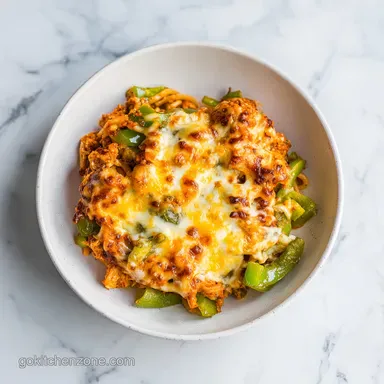
Creamy Chicken Spaghetti Bake
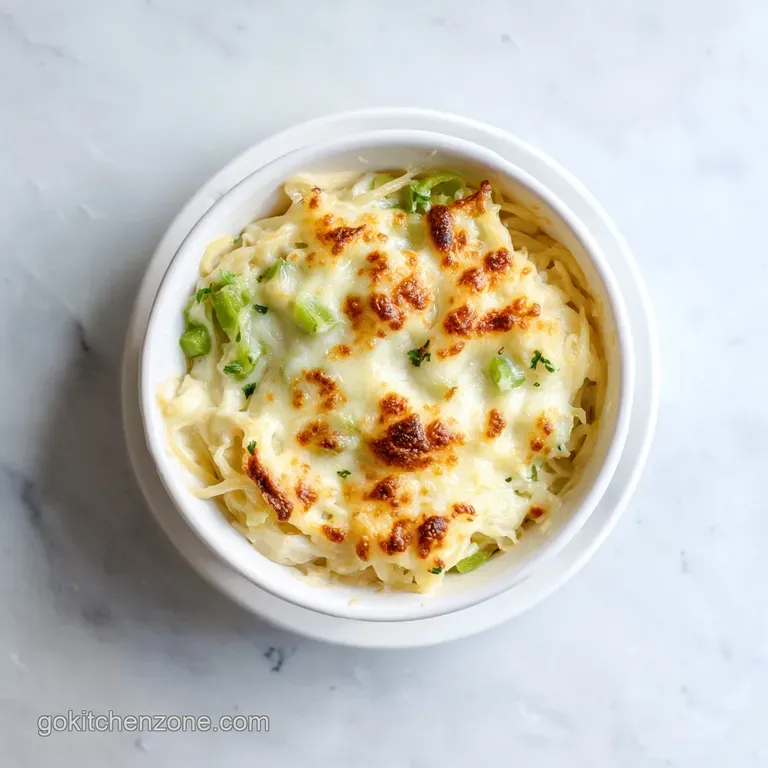
- Time:15 minutes prep + 30 minutes cook = 45 minutes total
- Flavor/Texture Hook: Velvety, cheesy sauce with a subtle kick from green chilies
- Perfect for: Weeknight dinner struggle or feeding a large family
- Real Talk on Southern Chicken Spaghetti
- The Blueprint: Timing and Yield
- The Pantry List: Every Element
- The Gear: Tools for the Job
- The Logic Behind the Flavor
- The Process: Step-by-Step Flow
- Saving the Day: Common Fixes
- Changing the Flavor: Personal Tweaks
- Preservation: Cold and Frozen Storage
- Debunking Kitchen Myths
- Perfect Pairings: Completing the Plate
- Recipe FAQs
- 📝 Recipe Card
Real Talk on Southern Chicken Spaghetti
The first thing that hits you isn't even the cheese, it's that specific sizzle of diced onions and green peppers hitting hot butter. If you grew up in the South, that smell is a signal that something serious is happening in the kitchen.
For me, this dish always brings back memories of those massive family reunions where three different versions of the same casserole would show up on the table, and everyone would argue about whose "secret ingredient" made theirs the best.
I remember one Sunday where I tried to be "helpful" and boiled the spaghetti until it was perfectly soft before mixing it in. Big mistake. By the time the dish came out of the oven, the noodles had basically dissolved into the sauce, turning the whole thing into a creamy porridge.
It was still tasty, but the texture was a disaster. That's when I learned the golden rule of any baked pasta: you have to stop the boil early.
This recipe isn't about being fancy or using a dozen different pots. It's about that reliable, velvety consistency that makes you want to curl up on the couch. We're talking about a dish that handles the dinner struggle with ease, giving you a huge yield of comfort food that actually tastes like home.
Trust me on this, once you get the roux right, you'll never go back to the canned "cream of" soups.
The Blueprint: Timing and Yield
When you're planning a meal for eight people, the flow is everything. You don't want to be chopping peppers while your pasta is overcooking. The best way to handle this is to get your "mise en place" ready, which is just a fancy way of saying "put all your stuff in bowls first." Since this takes about 45 minutes total, it's a great choice for those nights when you're starving but still want a homemade meal.
The yield is generous, and honestly, this is one of those dishes that tastes even better the next day. The flavors have time to meld, and the sauce thickens up just a bit more. If you're cooking for a smaller group, don't worry, I've got the scaling notes later on.
But for a full house, this 8 serving batch is exactly what you need to keep everyone happy and full.
Since we're working with a 30 minute cook time, you can easily fit this into a busy evening. The most active part is the first 15 minutes of prep and the whisking of the sauce. After that, it's mostly just assembling and letting the heat do the work.
| Servings | Ingredient Adjustments | Pan Size | Cook Time |
|---|---|---|---|
| 4 People | Half all ingredients | 9x9 inch | 20-25 mins |
| 8 People | Full recipe | 9x13 inch | 30 mins |
| 12 People | 1.5x ingredients | Two 9x13 | 30 mins |
Let's talk about the flow. First, the pasta goes on, then the aromatics, then the roux, and finally the assembly. It's a linear process that doesn't require any crazy multitasking, which is why it's a staple for home cooks who just want a win at the end of the day.
The Pantry List: Every Element
Getting the ingredients right is where the magic happens. I always insist on chicken thighs over breasts. Why? Because thighs have more fat, which means they don't dry out when they're baked in a creamy sauce. Breasts can get a bit "stringy" or dry, but thighs stay juicy and tender.
For the cheese, don't even bother with the pre shredded bags if you can avoid it. Those bags are coated in potato starch to keep the cheese from clumping, but that same starch stops the cheese from melting into a smooth, velvety sauce.
Grating your own sharp cheddar takes two minutes and makes a world of difference in the final texture.
For the Base
- 1 lb spaghetti noodles Why this? Classic shape that holds onto the heavy sauce
- 3 cups cooked chicken thighs, shredded or cubed Why this? Higher fat content prevents drying out
- 2 cups sharp cheddar cheese, shredded Why this? Strong flavor that cuts through the milk
For the Aromatic Mix
- 5 tbsp unsalted butter Why this? Base for the roux and sautéing
- 1 medium onion, finely diced Why this? Essential savory foundation
- 1 medium green bell pepper, finely diced Why this? Adds a slight bitterness and color
- 3 cloves garlic, minced Why this? Pungent depth
- 1 can (14.5 oz) diced tomatoes with green chilies Why this? Adds acidity and a subtle heat
For the Creamy Sauce
- 3 tbsp all purpose flour Why this? Thickening agent for the roux
- 2 cups whole milk Why this? Creates the velvety mouthfeel
- 1 cup chicken bone broth Why this? Deepens the chicken flavor
- 1 tsp salt Why this? Basic seasoning
- 1/2 tsp black pepper Why this? Mild heat
- 1/2 tsp paprika Why this? Adds a warm, earthy note
- 1/4 cup grated Parmesan cheese Why this? Salty, umami kick
- 1/2 tsp dried parsley Why this? Fresh herbal finish
| Original Ingredient | Substitute | Why It Works |
|---|---|---|
| Whole Milk (2 cups) | Half and Half (2 cups) | Higher fat content. Note: Makes the sauce much richer and thicker |
| Chicken Thighs | Rotisserie Chicken | Same convenience. Note: Very easy shortcut for weeknights |
| Sharp Cheddar | Monterey Jack | Similar meltability. Note: Milder flavor, less "tang" |
| Bone Broth | Regular Chicken Broth | Same liquid ratio. Note: Slightly less depth than bone broth |
Using the right fats is crucial here. If you're tempted to use low-fat milk, just don't. This is a comfort dish, and the fat is what carries all the flavor from the paprika and garlic. If you want to lighten it up, it's better to just serve a smaller portion and pair it with a big salad.
The Gear: Tools for the Job
You don't need a professional kitchen to pull this off, but a few specific tools make the process way smoother. A large skillet is non negotiable. You need enough room to sauté the veggies and whisk the sauce without it splashing all over your stove.
If you have a cast iron skillet (like Lodge), that's a great choice because it holds heat consistently.
A good whisk is your best friend during the roux stage. If you try to stir flour into butter with a spoon, you'll end up with little clumps of raw flour that stay in the sauce. A whisk breaks those down and ensures the milk integrates perfectly.
Finally,, have a 9x13 inch baking dish ready. If you use a dish that's too small, the pasta will pile up too high and the middle won't heat through before the top burns. If you're using a glass dish, just be mindful of the temperature changes, though this recipe is gentle enough that it shouldn't be an issue.
The Logic Behind the Flavor
I'm not a scientist, but after making this a dozen times, I've noticed a few things that actually make this recipe work. It's all about how the ingredients interact under heat.
- The Roux Anchor: Mixing butter and flour creates a thickener that prevents the milk and broth from separating. This is what gives you that velvety sauce instead of a watery mess.
- Starch Management: Cooking the noodles for 2 minutes less than the box says is key. The pasta finishes cooking in the oven by absorbing the sauce, which locks the flavor inside the noodle.
- The Acid Balance: The diced tomatoes and green chilies provide acidity. This cuts through the heavy fat of the cheddar and butter, so the dish doesn't feel too "heavy" on the palate.
- Fatty Emulsion: Using whole milk and butter together creates a stable emulsion. This means the sauce stays smooth and glossy rather than breaking into oil.
Right then, let's look at what's actually happening with the ingredients.
| Ingredient | Science Role | Pro Secret |
|---|---|---|
| All Purpose Flour | Thickening | Cook it for 2 mins to kill the "raw" taste |
| Sharp Cheddar | Binding/Flavor | Grate it fresh for a smoother melt |
| Chicken Bone Broth | Collagen/Depth | Adds a richer "mouthfeel" than water or stock |
| Green Chilies | pH Balance | The acidity brightens the heavy dairy notes |
But what about the consistency? If you've ever had a casserole that was too dry, it's usually because the pasta was overcooked. When the noodle is already saturated with water from the pot, it can't take in the sauce. By keeping them al dente, you're creating a sponge that sucks up all that creamy goodness.
The Process: step-by-step Flow
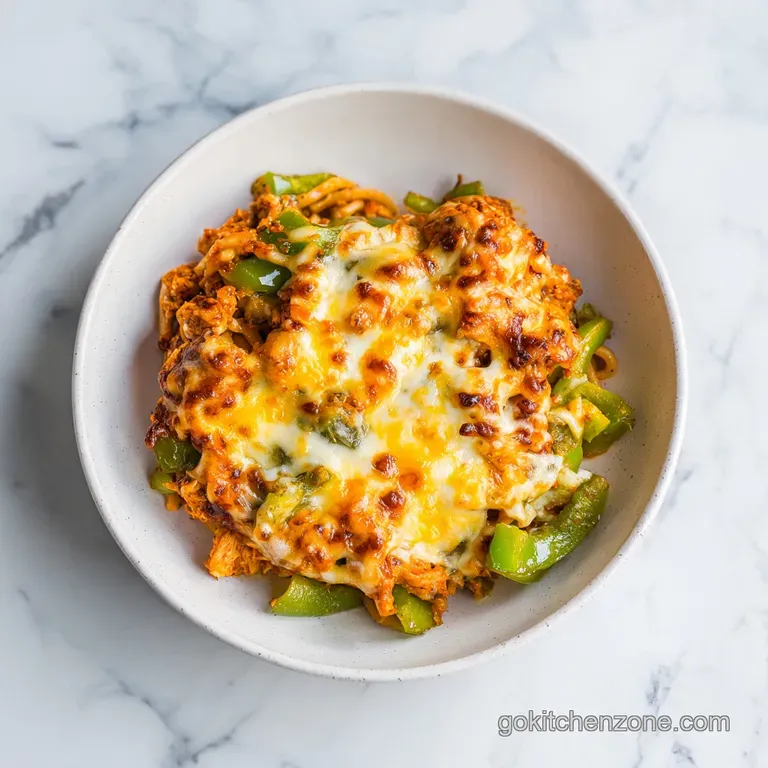
Let's crack on with the actual cooking. This is a straightforward flow, but pay attention to the sensory cues. That's how you know you're on the right track.
- Bring a large pot of salted water to a boil. Add the spaghetti and cook for 2 minutes less than the package instructions. Drain and set aside. Note: This prevents mushy noodles in the oven.
- In a large skillet, melt 2 tbsp of butter over medium heat. Add the diced onion and green pepper, sautéing until the onions are translucent and the peppers are softened.
- Stir in the minced garlic and cook for 60 seconds until it smells fragrant. Note: Don't let the garlic brown, or it will turn bitter.
- Add the remaining 3 tbsp of butter to the skillet. Once melted, whisk in the flour and cook for 1-2 minutes until the mixture looks like a pale paste.
- Slowly pour in the milk and chicken broth, whisking constantly. Simmer until the sauce thickens and becomes glossy.
- Stir in the salt, pepper, and paprika. The sauce should look smooth and hold a light coating on the back of your spoon.
- Fold in the shredded chicken and the diced tomatoes with green chilies. Stir gently so you don't break the chicken pieces too much.
- Mix in the cooked spaghetti and half of the cheddar cheese. Stir until every noodle is coated in that velvety sauce.
- Transfer the mixture to your baking dish. Sprinkle the remaining cheddar and the Parmesan cheese over the top, then garnish with dried parsley.
- Bake at 350°F (180°C) for 30 minutes until the cheese is bubbly and golden brown.
Chef's Tip: If you want a truly deep flavor, try adding a pinch of espresso powder or a teaspoon of Worcestershire sauce to the roux. It doesn't make it taste like coffee or fish, but it adds a savory "darkness" that makes people ask what's in the sauce.
Another trick I've picked up: freeze your butter for 10 minutes before grating it into the pan if you're using a cold start method, though here we're melting it. More importantly, pat your cooked chicken dry before adding it to the sauce.
If the chicken is dripping with liquid, it will thin out your roux and make the sauce runny.
Saving the Day: Common Fixes
Even with a plan, things happen. Maybe the sauce is too thick, or the cheese isn't melting. Don't panic; most of these are easy fixes.
Sauce Texture Issues
If your sauce looks like glue, you've likely simmered it too long or used too much flour. You can easily thin it out by whisking in a splash more chicken broth or milk over low heat. Just do it slowly so you don't break the emulsion.
Burnt Cheese Fixes
If the top is browning too fast but the middle is still cold, just tent the dish with aluminum foil. This blocks the direct heat from the oven element while allowing the center to continue cooking.
| Problem | Root Cause | Solution |
|---|---|---|
| Sauce is grainy | Cheese overheated | Remove from heat immediately and stir in a splash of milk |
| Pasta is dry | Overcooked noodles | Add 1/4 cup broth before baking to add moisture |
| Bland flavor | Under seasoned roux | Stir in a pinch of salt or Parmesan after baking |
Here's a quick checklist to keep you on track:
- ✓ Pat chicken completely dry before adding to sauce (prevents thinning)
- ✓ Cook pasta 2 minutes under the box instructions (prevents mushiness)
- ✓ Whisk the roux constantly (prevents flour clumps)
- ✓ Grate cheese from a block (ensures velvety melt)
- ✓ Use a 9x13 dish for even heat distribution (prevents cold centers)
If you're looking for something a bit different but still in that creamy vein, you might like my Creamy Chicken Spaghetti recipe which uses a slightly different approach to the cheese blend.
Changing the Flavor: Personal Tweaks
Once you've got the base down, you can start playing with the flavors. I've tried a few variations over the years, and some are definitely better than others.
For a "Southern Zest" version, I like to add a chopped jalapeño along with the green pepper. It gives the dish a bit more bite without overwhelming the creaminess. If you want something more "Italian Fusion," swap the cheddar for mozzarella and add a teaspoon of dried oregano.
It changes the vibe completely but keeps the comfort.
If you're trying to make this a bit healthier, you can swap the whole milk for unsweetened almond milk, but be warned: it will be thinner. To fix that, you'll need to increase the flour by about a tablespoon.
You could also use whole wheat spaghetti, which adds a nuttier flavor and more fiber, though the texture is slightly grainier.
Decision Shortcut:
- Want it creamier? Add an extra 1/2 cup of milk to the sauce.
- Want more kick? Double the amount of green chilies from the can.
- Want it heartier? Stir in sautéed mushrooms with the onions.
Let's look at a few common shortcuts compared to the fresh method.
| Method | Time | Texture | Best For |
|---|---|---|---|
| Fresh Grated | 5 mins | Silky/Velvety | Special dinners |
| Pre shredded | 0 mins | Slightly grainy | Super rushed nights |
| Rotisserie | 0 mins | Tender/Easy | Mid week meals |
Preservation: Cold and Frozen Storage
This dish is a meal prep dream. Because it's a bake, it holds its structure surprisingly well in the fridge. I usually keep leftovers in an airtight container for up to 4 days. The sauce might thicken up as it cools, which is normal.
When you're reheating it, avoid the microwave if you can. The microwave tends to "blast" the fats, which can make the sauce separate and look oily. Instead, put a portion in a small oven safe dish, add a tiny splash of milk or broth to loosen the sauce, and heat it at 325°F (160°C) until it's bubbly again.
If you want to freeze it, you can do that too. I recommend freezing the assembled dish before baking. Wrap it tightly in plastic wrap and then foil to prevent freezer burn. It'll stay good for about 3 months.
When you're ready to eat, let it thaw in the fridge overnight before baking it according to the original instructions.
Zero Waste Tip: If you have leftover shredded chicken or a half can of green chilies, don't let them go to waste. They're the perfect start for a Classic Chicken Tortilla Soup, which uses similar flavor profiles but in a lighter, brothy format.
Debunking Kitchen Myths
There are a lot of "rules" about pasta that people swear by, but some of them are just plain wrong.
First, some people tell you to rinse your pasta after draining. Please, don't do this. Rinsing removes the surface starch that helps the creamy sauce actually stick to the noodle. If you rinse it, your sauce will just slide off, leaving you with bland noodles and a puddle of cheese at the bottom.
Second, there's a myth that you have to sear the chicken before putting it in the casserole. While searing adds flavor, it's not necessary for this specific recipe because the chicken is already cooked and the sauce is so rich. The thighs provide enough flavor on their own.
Finally, some say you can't use a slow cooker for this. You actually can, but the texture is totally different. A crock pot version is more like a thick stew than a bake. If you want those golden, bubbly cheese edges, the oven is the only way to go.
Perfect Pairings: Completing the Plate
Since this is a very rich, heavy dish, you need something to cut through all that dairy. A bright, acidic side is the way to go. I love a simple arugula salad with a lemon vinaigrette or some steamed broccoli with a squeeze of fresh lime. The bitterness of the greens balances the saltiness of the cheddar.
If you're hosting a party and want a full spread, you could start with an appetizer like Crispy Honey BBQ Wings. The sweetness of the honey and the crunch of the wings provide a great contrast to the velvety, savory nature of the spaghetti.
For a drink, a cold iced tea with lemon is the traditional choice. The tannins in the tea help cleanse the palate between bites of cheesy pasta. If you're feeling fancy, a crisp white wine like a Sauvignon Blanc works well because the acidity mirrors the tomatoes and chilies in the sauce.
Right then, you're all set. Just remember to keep those noodles al dente and don't skimp on the fresh cheese. It's a simple, reliable meal that turns a stressful evening into something actually enjoyable. Happy cooking!
Recipe FAQs
What all goes in chicken spaghetti?
Spaghetti noodles, cooked chicken thighs, sharp cheddar, and Parmesan. The sauce is built from a butter and flour roux combined with milk, chicken bone broth, onion, green pepper, garlic, diced tomatoes with green chilies, and a blend of paprika, salt, pepper, and parsley.
What are some common mistakes to avoid when making chicken spaghetti?
Overcooking the pasta during the initial boil. Boiling noodles to full softness results in a mushy texture once mixed with the sauce. Stop the boil 2 minutes early to ensure they stay sturdy.
Can chicken be used for spaghetti?
Yes, it is a classic combination. Shredded or cubed chicken thighs are especially effective as they remain tender and juicy within the creamy cheese sauce.
What sauce goes best with chicken pasta?
A velvety cheese sauce with a savory aromatic base. A roux-based sauce with sharp cheddar provides the traditional comfort profile, though you can explore a tomato sauce approach for a brighter, more acidic flavor profile.
How to prevent the pasta from getting mushy?
Cook the spaghetti for 2 minutes less than the package instructions. This leaves room for the noodles to absorb the creamy sauce without disintegrating.
Is it true I need canned cream soups to make the sauce thick?
No, this is a common misconception. Whisking flour into melted butter to create a roux produces a superior, glossy thickness without the need for processed canned soups.
How to make the sauce glossy and smooth?
Slowly pour in the milk and chicken broth while whisking constantly. Simmering the mixture after the liquids are added allows the flour to fully hydrate and the sauce to thicken evenly.
Chicken Spaghetti for 8 Servings: Creamy and Cheesy Bake