Corned Beef and Cabbage Recipe
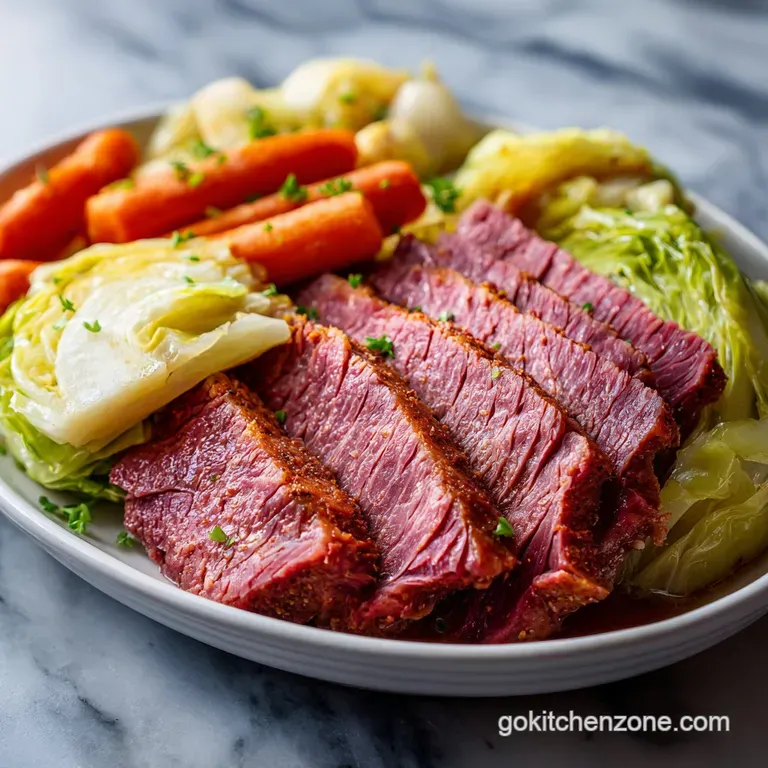
- Time: Active 20 minutes, Passive 3 hours 30 mins, Total 3 hours 50 mins
- Flavor/Texture Hook: Velvety, salt cured beef with crisp tender cabbage and buttery potatoes
- Perfect for: St. Patrick’s Day celebrations or a low effort Sunday family dinner
- Mastering Tender Corned Beef and Cabbage
- Why This Method Works
- Key Recipe Specifications
- Essential Ingredients and Subs
- Tools for Success
- Step by Step Cooking Guide
- Fixing Common Cooking Problems
- Adjusting the Recipe
- Storing and Reheating Tips
- Ideas for Serving
- Critical High in Sodium
- Recipe FAQs
- 📝 Recipe Card
Mastering Tender Corned Beef and Cabbage
The first time I tried making this, I followed a random box instruction that basically said "boil everything until gray." It was a disaster. The house smelled like a vinegar factory, the beef was as tough as a literal boot, and the cabbage had dissolved into a sad, swampy mess.
I remember sitting at the table with a fork, trying to poke a potato that felt like a rock while the meat just bounced back. It was the ultimate dinner struggle, and we ended up ordering pizza.
Since then, I've spent years figuring out how to actually treat a brisket with respect. The secret isn't just "cooking it a long time," it's about managing the salt and the timing.
When you get it right, the kitchen fills with this incredible aroma of toasted spices and sweet onion, and the meat practically falls apart under your knife. It’s one of those one pan wonders that feels like a massive victory once you crack the code.
Trust me, you don't need to be a pro to get that silky, melt in-your mouth texture. You just need a little patience and a big enough pot. We’re going to walk through exactly how to avoid the "gray mush" trap and make something your friends will actually beg you to cook again next year.
Let's get that pot on the stove.
Why This Method Works
The Physics of the Brisket Breakdown
Collagen Conversion: Simmering the tough brisket at a low temperature for over three hours slowly transforms tough connective tissue into rich, silky gelatin. This process requires a steady, gentle heat rather than a violent boil to keep the muscle fibers from tightening up and becoming chewy.
Osmotic Balance: By adding brown sugar and apple cider vinegar to the cooking liquid, we create a balanced environment that prevents the meat from tasting like a salt lick. The sugar doesn't make it "sweet" but instead rounds out the harshness of the curing salts used in the brining process.
Staggered Thermal Cooking: Vegetables have much less cellulose and fiber than a 4.5 lb brisket, so adding them in stages prevents overcooking. This ensures the carrots keep their snap and the cabbage stays bright rather than turning sulfurous and limp.
| Thickness | Internal Temp | Rest Time | Visual Cue |
|---|---|---|---|
| 2 Inches | 195°F | 15 minutes | Meat pulls apart easily with a fork |
| 3 Inches | 200°F | 20 minutes | Center is completely tender and pink |
| 4 Inches | 205°F | 25 minutes | Fat cap is translucent and soft |
The internal temperature is your best friend here. While many people just "guess," hitting that 195-200°F range is the sweet spot where the meat is tender but hasn't started to dry out.
Key Recipe Specifications
Component Analysis
| Ingredient | Science Role | Pro Secret |
|---|---|---|
| Apple Cider Vinegar | Acid Break Down | Helps soften tough fibers and cuts through the heavy fat of the brisket. |
| Brown Sugar | Flavor Balance | Counteracts the intense saltiness of the pre packaged brine without adding sugariness. |
| Yellow Onion | Aromatic Base | The sulfur compounds in the onion meld with the beef fat to create a savory broth. |
| Yukon Gold Potatoes | Starch Structure | These hold their shape better than Russets when simmered for longer periods. |
Choosing the right potato is actually a huge deal for this dish. If you use a starchy Russet, it will likely crumble into the broth before the cabbage is even done. Yukon Golds have a waxy texture that stays velvety and intact, similar to the starch behavior in my Beef Stew Recipe.
Essential Ingredients and Subs
This list is built for a 4.5 lb flat cut corned beef brisket, which is the gold standard for even cooking. If you happen to find a point cut, just know it has more fat and might need a little extra trimming.
- 4.5 lb flat cut corned beef brisket with spice packetWhy this? The flat cut provides uniform slices and consistent tenderness across the whole piece.
- Substitute: Brisket with a homemade pickling spice blend if you lose the packet.
- 1 tbsp black peppercornsWhy this? Adds a sharp, woody heat that permeates the meat during the long simmer.
- Substitute: 1 tsp ground black pepper (but the whole berries are better for the broth).
- 4 cloves garlic, smashedWhy this? Smashed cloves release oils slowly without burning or disappearing into the liquid.
- Substitute: 1 tsp garlic powder in a pinch.
- 2 bay leavesWhy this? Provides a subtle herbal background note that lifts the heavy meat flavors.
- Substitute: 1/2 tsp dried thyme.
- 1 medium yellow onion, quarteredWhy this? Adds sweetness and depth to the poaching liquid as it breaks down.
- Substitute: White onion or two large shallots.
- 2 tbsp brown sugarWhy this? Essential for balancing the high sodium content of the cured beef.
- Substitute: Honey or maple syrup.
- 0.25 cup apple cider vinegarWhy this? The acidity is the key to breaking down the tough collagen fibers.
- Substitute: White wine vinegar or even a splash of stout beer.
- 1.5 lbs baby Yukon Gold potatoesWhy this? Their waxy skins and creamy interiors hold up beautifully under heat.
- Substitute: Red bliss potatoes or fingerlings.
- 4 large carrots, peeled and cut into 2 inch chunksWhy this? Large chunks ensure they don't turn into baby food during the final simmer.
- Substitute: Parsnips for an earthier, spicy twist.
- 1 large head green cabbage, cut into 8 wedgesWhy this? Keeping them in wedges prevents the leaves from floating away and overcooking.
- Substitute: Savoy cabbage for a more delicate texture.
- 4 tbsp unsalted butter, meltedWhy this? A final drizzle adds a luxurious mouthfeel to the boiled vegetables.
- Substitute: Olive oil with a pinch of sea salt.
- 2 tbsp fresh parsley, choppedWhy this? The fresh green flavor cuts through the richness of the finished plate.
- Substitute: Fresh chives or even a little dill.
Tools for Success
You don't need a pantry full of gadgets, but a heavy bottomed pot is non negotiable. I use a 7 or 8 quart Dutch oven (like a Lodge or Le Creuset) because it holds heat so steadily. If your pot is too thin, you'll get hot spots that might scorch the bottom of the meat.
A sharp chef's knife is also vital for the end of the process. Brisket has a very specific grain, and if you use a dull knife, you'll end up shredding the meat instead of getting those clean, beautiful slices.
You'll also want a pair of sturdy tongs to handle the 4.5 lb brisket, as it gets quite slippery and heavy once it's fully cooked.
Finally, have a large platter ready for serving. This isn't a "serve from the pot" kind of meal if you want it to look good. We want to arrange the vegetables around the meat so everyone can see the work you put into those perfectly intact cabbage wedges.
step-by-step Cooking Guide

Preparing the Brisket
- Rinse the meat. Remove the brisket from its packaging and rinse it under cold water to remove excess brine. Note: This prevents the final dish from being overly salty.
- Place in pot. Set the brisket in a large Dutch oven, fat side up, and sprinkle the included spice packet over the top.
- Add aromatics. Toss in the smashed garlic, quartered onion, peppercorns, and bay leaves around the edges of the beef.
- Balance the liquid. Pour in the apple cider vinegar and brown sugar, then add enough water to submerge the meat by at least an inch.
Simmering to Tenderness
- Start the simmer. Bring the liquid to a gentle boil over medium high heat, then immediately reduce to low.
- Cook low and slow. Cover the pot tightly and simmer for 3 hours. Check the liquid level occasionally to ensure the beef remains submerged.
- Test for doneness. Poke the meat with a fork; it should feel soft but not quite falling apart yet.
Finishing the Vegetables
- Add root vegetables. Place the potatoes and carrots into the pot with the beef. Simmer for 15 minutes until the potatoes are just starting to soften.
- Nestle the cabbage. Arrange the cabbage wedges on top of the other ingredients, pushing them down slightly into the liquid.
- Final cook. Cover and cook for another 15 minutes until the cabbage is translucent and the potatoes are tender.
- Rest and carve. Remove the brisket to a cutting board and let it rest for 15 minutes. Slice against the grain for the most tender bite.
- Finish and serve. Arrange the vegetables on a platter, drizzle with melted butter, and sprinkle with fresh parsley before serving.
Fixing Common Cooking Problems
Sometimes things don't go exactly as planned. If your meat feels like rubber after three hours, don't panic. It just means the collagen hasn't fully converted yet. Simply put the lid back on and give it another 30 minutes.
It's almost impossible to "overcook" a brisket in liquid as long as the heat is low, so when in doubt, give it more time.
If you're worried about the salt, you can always do a "test" of the broth halfway through. If it tastes like seawater, ladle out two cups of the liquid and replace it with fresh water. This is a common trick for heavily brined store-bought meats that might have sat in the salt a little too long.
Troubleshooting Your Dish
| Problem | Root Cause | Solution |
|---|---|---|
| Tough, Chewy Meat | Not enough cook time | Simmer for another 30-45 mins until fork tender. |
| Mushy Vegetables | Added too early | Follow the staggered timing: roots at 3 hours, cabbage last. |
| Greasy Broth | Fat cap was too thick | Skim the surface with a spoon before adding vegetables. |
Common Mistakes Checklist
- ✓ Always rinse the brisket before cooking to control the sodium levels.
- ✓ Never let the liquid reach a rolling boil; a gentle simmer is the goal.
- ✓ Do not skip the resting period, or all the juices will run out onto the board.
- ✓ Cut against the grain (the lines in the meat) to ensure the slices are tender.
- ✓ Keep the lid on! Every time you peek, you lose heat and extend the cook time.
Adjusting the Recipe
If you are cooking for a smaller crowd, you can certainly use a smaller 2 lb brisket. You should reduce the cooking time to about 2 hours 15 minutes before adding the vegetables.
Use a smaller pot so the liquid still covers the meat without needing gallons of water, which would dilute the flavor.
For a massive party, you can double this recipe, but you'll likely need two separate Dutch ovens. Scaling up the spices and liquid is easy, but don't just double the salt the meat already brings plenty of that to the party. If you're looking for a faster beef fix for a smaller group, you might actually prefer my Beef and Broccoli recipe, which hits those savory notes in about 25 minutes.
| Servings | Brisket Weight | Pot Size | Total Liquid |
|---|---|---|---|
| 3-4 People | 2.5 lbs | 5 Quart | 6-8 cups |
| 7 People | 4.5 lbs | 8 Quart | 10-12 cups |
| 12-14 People | 9 lbs (two cuts) | Two Pots | 20+ cups |
When doubling the recipe, keep the spice packet amounts the same if using two briskets, but maybe add an extra onion and a few more garlic cloves to each pot to keep the aromatic profile strong.
Storing and Reheating Tips
Storage: Leftover beef and cabbage will stay fresh in the fridge for about 4 days. I highly recommend storing the meat in some of its cooking liquid to prevent it from drying out. The vegetables should be stored in a separate container so they don't get even softer from the residual heat of the meat.
Freezing: You can freeze the cooked beef for up to 3 months. Slice it before freezing so you can grab just what you need. However, I don't recommend freezing the cooked cabbage or potatoes, as their texture becomes very grainy and unpleasant once thawed.
Zero Waste: Don't throw away that broth! It is liquid gold. You can use it as a base for a "leftover" soup. Just chop up the remaining beef, potatoes, and carrots, add some extra beef stock, and you have a completely new meal. If you have extra raw cabbage, it’s also great for a quick stir fry, similar to the veggie prep in my Beef Lo Mein Recipe.
Ideas for Serving
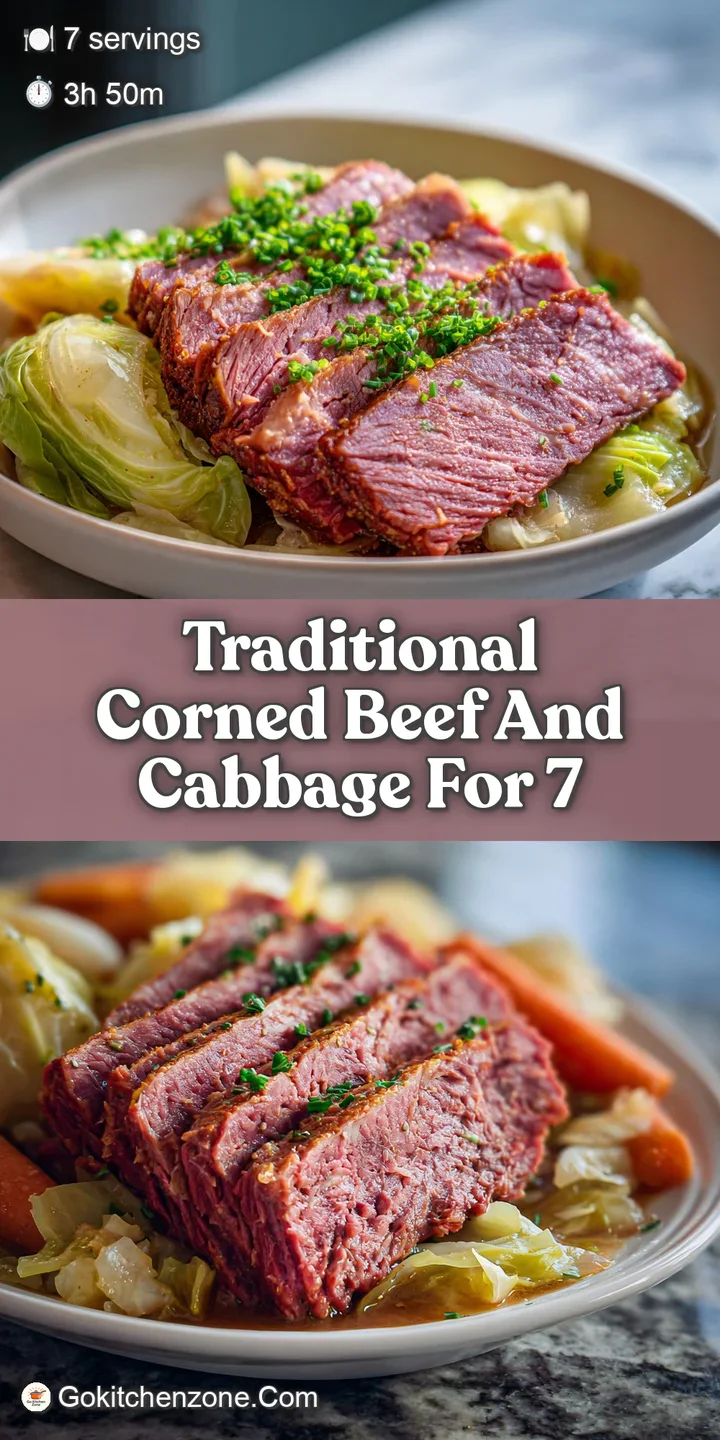
When it comes to serving, presentation is everything for a "boiled" meal. I like to slice the beef fairly thin, about 1/4 inch thick, and fan it out across the center of a warm platter. Surround it with the vibrant orange carrots and the pale green cabbage wedges. The potatoes look best tucked into the corners.
A side of grainy mustard or creamy horseradish sauce is mandatory in my house. The sharp, spicy kick of the horseradish cuts right through the fatty richness of the beef. If you want to get really traditional, serve it with some buttered Irish soda bread to soak up all that flavorful juice on the plate.
Myths About This Dish
- "You must boil it for it to be authentic." In reality, boiling actually toughens the meat. A "simmer" (where only a few bubbles break the surface) is the true secret to success.
- "Corned beef needs to be gray to be safe." The pink color comes from the curing process (usually sodium nitrite). Even when fully cooked to 200°F, the meat will remain pink. Don't keep cooking it until it turns gray, or it will be incredibly dry.
- "Searing the meat first adds more flavor." While searing works for a pot roast, it doesn't do much for a brined brisket. The "corned" flavor is so strong that the Maillard reaction from searing is mostly lost in the simmering liquid. Save your time and skip the sear.
Enjoy the process! There is something deeply satisfying about a meal that takes a few hours of doing almost nothing to result in something so hearty. Just keep an eye on that simmer, and you'll be the hero of the dinner table.
Critical High in Sodium
1845 mg mg of sodium per serving (80% of daily value)
The American Heart Association recommends limiting sodium intake to about 2,300mg per day.
Tips to Reduce Sodium in Your Corned Beef and Cabbage
-
Skip the Spice Packet-30%
The spice packet included with corned beef is a major source of sodium. Discard it and rely on the peppercorns, garlic, bay leaves, and apple cider vinegar for flavoring. This can significantly reduce the sodium content of the dish.
-
Rinse the Corned Beef-20%
Before cooking, thoroughly rinse the corned beef brisket under cold water to remove excess salt from the surface. This simple step can make a noticeable difference in the final sodium level.
-
Increase Acidity-15%
Increasing the amount of apple cider vinegar from 0.25 cup to 0.5 cup helps to tenderize the meat and add flavor, potentially allowing you to reduce the need for added salt. The acidity balances the richness.
-
Boost Flavor with Aromatics-10%
Increase the amount of onion and garlic. This adds more flavor dimension and you will not need as much salt. Consider adding other fresh vegetables, such as parsnips, to enhance the flavor further.
-
Fresh Herbs are Key
Experiment with other fresh herbs like thyme, rosemary, or oregano to add depth of flavor to your corned beef and cabbage. Fresh herbs offer a vibrant taste without adding any sodium.
Recipe FAQs
What is the best method for cooking corned beef and cabbage?
Simmer low and slow in a heavy pot. Bring the liquid just to a boil, then immediately drop the heat to a gentle simmer for 3+ hours until the internal temperature reaches 195°F, followed by adding vegetables for the final 30 minutes.
What are the common mistakes cooking corned beef?
The two biggest errors are boiling too hard and undercooking. A violent boil tightens the meat fibers, making them tough; always aim for a gentle bubble. Undercooking means the connective tissue hasn't converted to gelatin, leaving the beef chewy.
What happens if you don't rinse corned beef before cooking?
The final dish will likely be too salty. Corned beef is heavily cured in brine, and skipping the initial cold water rinse allows that excess saltiness to permeate the entire cooking liquid and the finished meat.
What are some common mistakes to avoid when cooking cabbage?
Adding the cabbage too early is the main mistake. It should be added for the last 15-20 minutes only, cut into large wedges, otherwise it turns into soft, sulfurous mush.
Do I have to rest the corned beef after removing it from the liquid?
Yes, a mandatory 15-minute rest is required. Resting allows the muscle fibers to relax and redistribute the internal moisture; carving immediately results in dry slices and a watery cutting board.
Is it true that corned beef must remain pink to be safely cooked?
No, this is a common misconception rooted in curing science. The pink color is retained due to the sodium nitrite used in the curing process, not due to undercooking; you should cook it to the proper 195°F regardless of its color.
Can I use the leftover cooking liquid for anything else?
Yes, the broth is excellent and should be saved. Strain it to remove spices, then use it as a flavorful base for soup or rice; if you enjoy slow cooked depth, mastering this technique is key to rich broths, similar to the principles in the No Peek Beef recipe.
Corned Beef And Cabbage
Ingredients:
Instructions:
Nutrition Facts:
| Calories | 632 calories |
|---|---|
| Protein | 37.5 g |
| Fat | 41.8 g |
| Carbs | 26.4 g |
| Fiber | 5.8 g |
| Sugar | 8.2 g |
| Sodium | 1845 mg |
