Au Gratin Potatoes Recipe with Gruyère
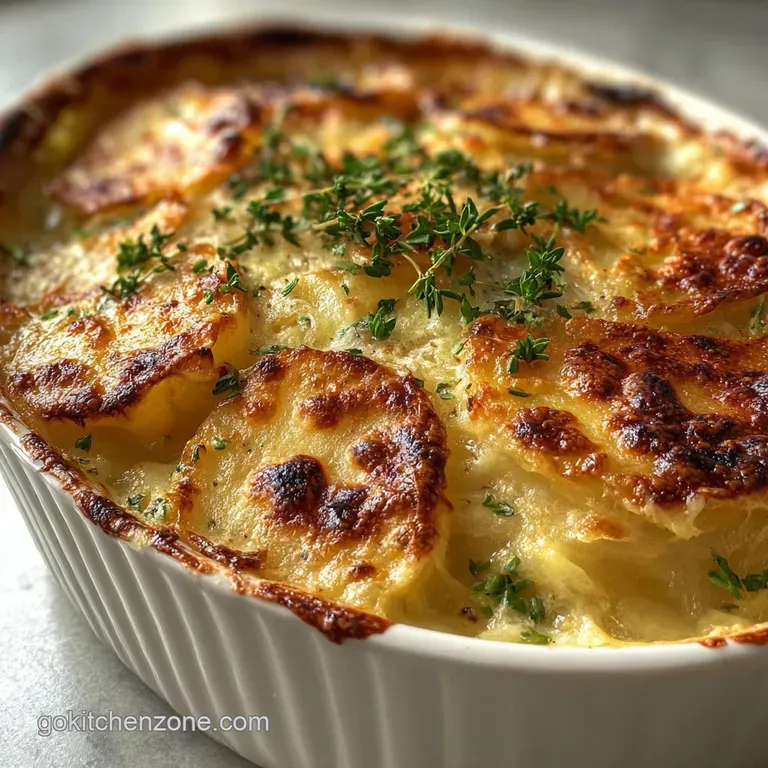
- Time: Active 25 minutes, Passive 1 hours 15 mins, Total 1 hours 40 mins
- Flavor/Texture Hook: Velvety cheese sauce with a crispy, shattered glass top layer
- Perfect for: Holiday gatherings, Sunday roasts, or a high comfort weeknight side
- Mastery of the Classic Au Gratin Potatoes Recipe
- Science Secrets for a Velvety Potato Casserole
- Essential Components and Ingredient Deep Dive
- Gathering Your Elements and Smart Substitutions
- Essential Kitchen Tools for Even Baking
- Step-by-Step Cooking Flow and Timing
- Solving Texture Problems and Common Mistakes
- Flavor Variations for Every Occasion
- Storing Leftovers and Reducing Kitchen Waste
- Debunking Common Potato Myths
- Professional Garnish and Serving Ideas
- Recipe FAQs
- 📝 Recipe Card
Mastery of the Classic Au Gratin Potatoes Recipe
There is a specific sound that happens when you pull a pan of these potatoes out of the oven - a frantic, tiny hissing from the bubbling edges that smells exactly like a cozy Sunday afternoon.
I remember the first time I tried making this for a big family dinner; I rushed the potato slicing and ended up with a dish that was half crunchy and half mush. It was a dinner struggle I’ll never forget, but it taught me that this dish isn't about being fancy; it's about the chemistry of the slice and the sauce.
We have all been there, staring at a broken, oily sauce and wondering where it went wrong. This version is designed to be reliable, using a blend of cheeses that melt without separating and a specific thickness for the potatoes so they actually cook through.
You don't need a culinary degree to pull this off, just a sharp knife and a bit of patience while it bubbles away.
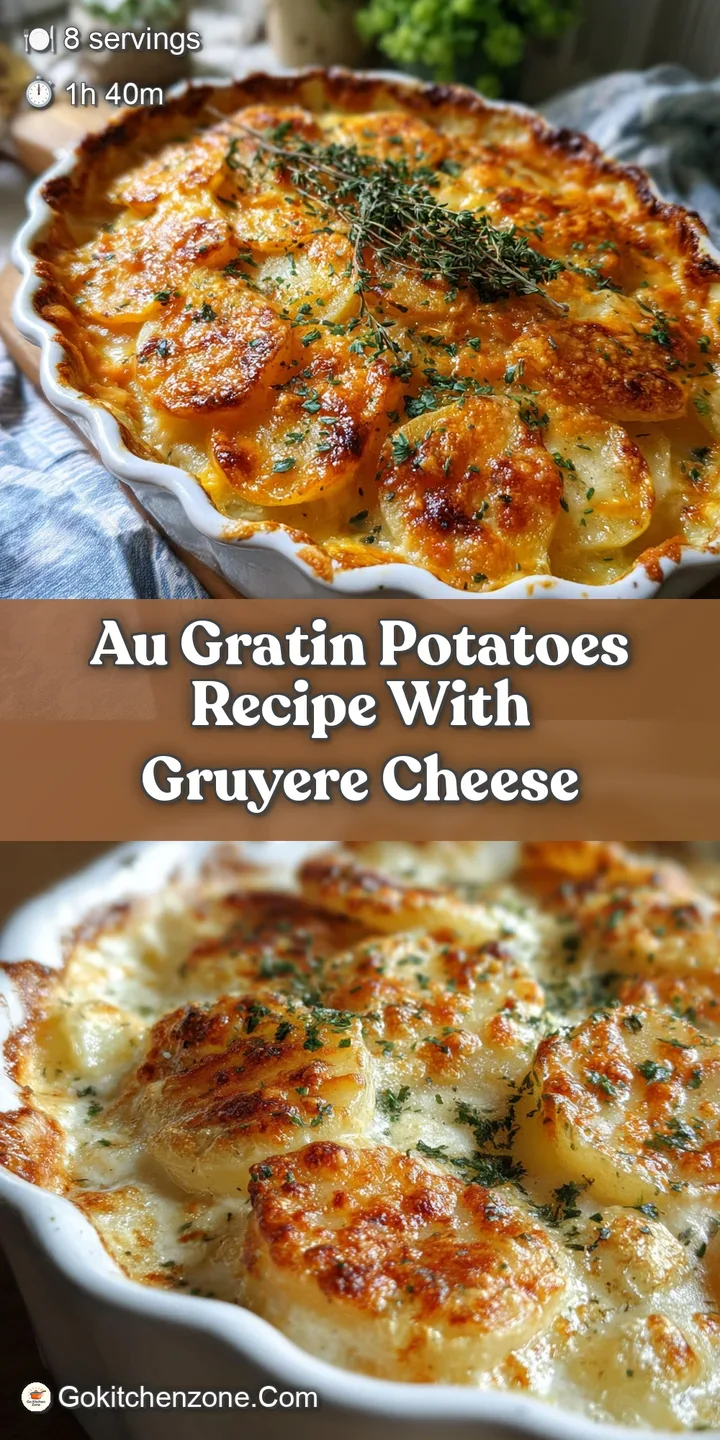
This is the kind of side dish that steals the show from the main course. Whether you're pairing it with a simple roast or making it a part of your Christmas Dinner Sides recipe, the goal is a silky interior and a top that shatters when your fork hits it. We are going to skip the shortcuts that lead to watery results and focus on what actually works in a real kitchen.
Science Secrets for a Velvety Potato Casserole
Starch Gelatinization: As the potatoes bake, they release starch that binds with the milk and cream, naturally thickening the sauce from within. This prevents the "milky puddle" effect often found in lower quality recipes.
Protein Emulsification: The dry mustard powder acts as a bridge between the fats in the cheese and the liquid in the milk. It stabilizes the sauce, ensuring the fats don't break and leave a greasy film on top of your dish.
| Servings | Potato Weight | Cheese Amount | Pan Size | Cook Time |
|---|---|---|---|---|
| 4 People | 1.5 lbs | 6 oz total | 8x8 square | 1 hour |
| 8 People | 3 lbs | 12 oz total | 9x13 glass | 1 hours 15 mins |
| 12 People | 4.5 lbs | 18 oz total | Two 9x13 pans | 1 hours 20 mins |
Using the right amount of cheese per pound of potato is what separates a "pretty good" side dish from one people talk about for weeks. If you go too heavy on the cheese, the potatoes get buried; too light, and it’s just scalloped potatoes with a mid life crisis.
Essential Components and Ingredient Deep Dive
The choice of potato is the foundation of the entire Au Gratin Potatoes Recipe. Russets provide the most starch for a thick sauce, while Yukon Golds offer a buttery texture that doesn't fall apart. I like a mix, but 100% Russets are the weeknight standard for a reason.
| Ingredient | Science Role | Pro Secret |
|---|---|---|
| Russet Potatoes | High starch content | Keeps the sauce thick and clingy rather than watery. |
| Gruyère Cheese | High fat/low moisture | Provides the characteristic "nutty" pull and superior melting. |
| Dry Mustard | Emulsifier | Prevents the cheese oils from separating during the long bake. |
| Nutmeg | Flavor enhancer | Compounds in nutmeg mimic the savory notes in aged cheese. |
A quick tip on the milk: always warm it before adding it to your roux. Cold milk hitting a hot butter flour mixture is the fastest way to get lumps that won't go away, no matter how hard you whisk.
Gathering Your Elements and Smart Substitutions
- 3 lbs Russet or Yukon Gold potatoes: Sliced 1/8 inch thick. Why this? Uniform thickness ensures every potato is tender at the same time.
- 1 clove garlic: Peeled and halved. Why this? Rubbing the dish provides a subtle aroma without burnt garlic bits.
- 4 tbsp unsalted butter: For the roux.
- 1/4 cup all purpose flour: The thickening base.
- 2.5 cups whole milk: Warmed. Why this? Provides the volume for the sauce without being too heavy.
- 1 cup heavy cream: For richness.
- 8 oz sharp cheddar cheese: Freshly shredded.
- 4 oz Gruyère cheese: Freshly shredded.
- 1 tsp kosher salt: Essential for potato flavor.
- 1/2 tsp freshly cracked black pepper: For a bit of bite.
- 1/2 tsp dry mustard powder: The secret stabilizer.
- 1/4 tsp freshly grated nutmeg: For depth.
- 1 tsp fresh thyme leaves: For an earthy finish.
| Original Ingredient | Substitute | Why It Works |
|---|---|---|
| Gruyère Cheese | Swiss Cheese | Similar melting point and mild, nutty profile. |
| Whole Milk | 2% Milk | Slightly thinner sauce, but the heavy cream compensates. |
| Fresh Thyme | Dried Thyme | Use 1/3 the amount; earthy notes remain but are more intense. |
Don't be tempted to use pre shredded cheese in a bag. Those are coated in potato starch or cellulose to prevent clumping in the bag, which will make your sauce grainy or chalky. Grate it yourself for that velvety finish.
Essential Kitchen Tools for Even Baking
You don't need a kitchen full of gadgets, but a Mandoline slicer is the MVP here. It’s the only way to get those perfect 1/8 inch slices consistently. If you're using a knife, just take your time; thick slices will stay hard even after an hour in the oven.
A heavy bottomed saucepan is also vital for the cheese sauce. Thin pans have hot spots that can scorch the milk or burn the flour before you've even started. Finally, a 9x13 inch baking dish, preferably ceramic or glass, will give you the best heat distribution.
Chef's Tip: Freeze your block of Gruyère for about 10 minutes before grating. It hardens the fats just enough so the cheese doesn't turn into a soft mush against the grater.
step-by-step Cooking Flow and Timing
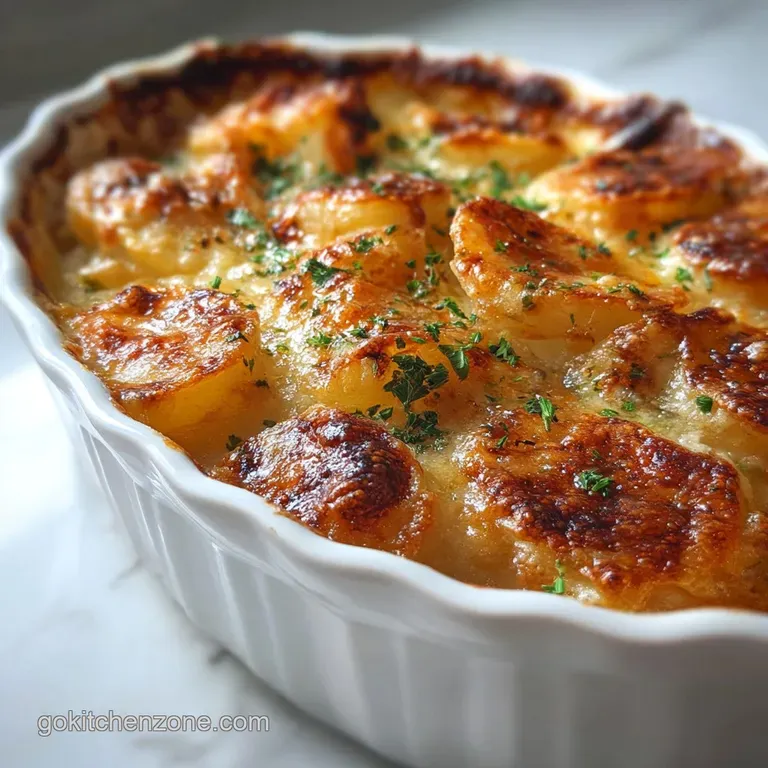
The secret to a stress free Au Gratin Potatoes Recipe is managing the flow. Don't start your sauce until your potatoes are already sliced and waiting.
- Prep the dish. Rub the inside of a 9x13 dish with the cut garlic clove, then grease with a little butter.
- Slice the potatoes. Use a mandoline to get 1/8 inch rounds. Keep them in a bowl of cold water if you aren't using them immediately (then pat dry).
- Create the roux. Melt 4 tbsp butter in a saucepan over medium heat; whisk in 1/4 cup flour for 2 minutes until it smells like toasted crackers.
- Whisk the liquids. Slowly pour in 2.5 cups warm milk and 1 cup cream, whisking constantly until the sauce coats the back of a spoon.
- Build the flavor. Stir in salt, pepper, mustard powder, and nutmeg. Remove from heat and fold in 6 oz of the cheddar and all the Gruyère until completely melted and silky.
- Layer the potatoes. Arrange half the potatoes in the dish. Pour over half the sauce. Repeat with the remaining potatoes and sauce.
- Top it off. Sprinkle the remaining 2 oz of cheddar and the fresh thyme over the top.
- Bake covered. Cover with foil and bake at 375°F for 30 minutes to soften the centers.
- Finish uncovered. Remove foil and bake for another 45 minutes until the top is golden brown and the edges are bubbling vigorously.
- Rest the dish. Let it sit for 10-15 minutes until the sauce sets and stops wiggling.
| Method | Time | Texture | Best For |
|---|---|---|---|
| Traditional Oven | 75 mins | Crispy top, creamy middle | Dinner parties and holidays |
| Stovetop (Skillet) | 35 mins | Softer, more "stewed" feel | Quick weeknight dinners |
| Slow Cooker | 4-5 hrs | Ultra tender, no crust | Saving oven space on Thanksgiving |
If you find yourself running low on time, you can jump over to my Brown Gravy Recipe to add a savory punch to any potato side, though this gratin is usually rich enough on its own.
Solving Texture Problems and Common Mistakes
Why Your Potatoes Are Still Hard
This usually happens because the slices were too thick or the oven temperature was uneven. Potatoes need a lot of thermal energy to break down their cell walls. If the top is browning too fast but the middle is crunchy, tent it with foil and keep cooking.
Why Your Sauce Is Curdled
A broken or grainy sauce usually comes from boiling the cheese. Cheese is an emulsion; if it gets too hot too fast, the protein clumps together and the fat leaks out. Always melt your cheese into the warm sauce off the heat to keep it velvety.
| Problem | Root Cause | Solution |
|---|---|---|
| Oily Surface | Cheese overheated | Let rest for 15 mins; the oil often re absorbs as it cools. |
| Soupy Center | Too much liquid/thin potatoes | Bake uncovered longer to evaporate excess moisture. |
| Gray Potatoes | Oxidation | Sliced potatoes sat out too long; keep in water until use. |
Common Mistakes Checklist
- ✓ Use a mandoline for 1/8 inch slices to ensure even cooking.
- ✓ Warm the milk before adding to the roux to prevent lumps.
- ✓ Grate your own cheese to avoid the grainy texture of anti clumping agents.
- ✓ Let the dish rest for at least 10 minutes after baking so the starch sets.
- ✓ Pat potatoes dry if they were soaking in water to avoid thinning the sauce.
Flavor Variations for Every Occasion
If you want a Potato Gratin Without Cream, you can swap the heavy cream for more whole milk and add an extra tablespoon of flour to the roux. It will be less decadent but still very satisfying.
For a smoky twist, use smoked gouda instead of cheddar; it adds a campfire depth that pairs amazingly with grilled meats.
- If you want a crunchier top, mix 1/2 cup panko breadcrumbs with 1 tbsp melted butter and sprinkle it on for the last 15 minutes.
- If you want a punchier flavor, add 2 tablespoons of prepared horseradish to the cheese sauce.
- If you want a "Crockpot Au Gratin Potatoes" version, layer everything in the slow cooker and cook on high for 4 hours, though you'll miss out on the crispy top.
Downscaling this recipe is easy: just halve everything and use an 8x8 inch pan. If you're doubling it for a crowd, don't just double the salt start with 1.5x and taste the sauce before pouring it over the potatoes.
Storing Leftovers and Reducing Kitchen Waste
You can keep these potatoes in the fridge for up to 4 days. The starch will actually continue to set, so leftovers often have a better "stack" than the fresh version. To reheat, avoid the microwave if possible; it tends to make the cheese oily.
Instead, put a portion in a small oven safe dish with a splash of milk and bake at 350°F until sizzling.
For zero waste, don't toss those potato peels! Toss them with oil and salt and bake them at 400°F until they turn into crispy potato skins. It’s the perfect chef’s snack while the main dish is in the oven.
If you have leftover cheese sauce, it’s basically a liquid gold that can be drizzled over steamed broccoli the next night.
Debunking Common Potato Myths
A common misconception is that you need to wash the starch off the potatoes after slicing. For a Potatoes Recipe where you want separation, like fries, that’s true. But for an au gratin, that surface starch is your friend it helps thicken the sauce and bonds the layers together.
Another myth is that you must use heavy cream for a "real" gratin. While the French might argue, a solid roux based sauce with whole milk can be just as creamy if you use high-quality, high fat cheeses like Gruyère. It's the ratio of fat to starch that matters, not just the pourable fat from a carton.
Professional Garnish and Serving Ideas
Presentation is everything with a beige dish. A sprinkle of fresh thyme is great, but finely minced chives add a pop of green and a sharp onion bite that cuts through the richness.
If you want to go full "fancy restaurant" style, use a circular ring mold to cut out portions for a perfectly round, layered look on the plate.
Choosing the right vessel makes a difference too. A shallow dish provides more surface area for that crispy top, which is what everyone fights over anyway. If you prefer a deep, gooey center, use a deeper ceramic baker.
No matter what, make sure you bring the dish straight to the table while it's still making that iconic sizzling sound.
Frequently Asked Questions
What is the difference between scalloped and au gratin potatoes? The main difference is the cheese. Scalloped potatoes are typically cooked in a basic cream sauce (bechamel) with herbs, while au gratin potatoes feature layers of cheese within the sauce and a crispy cheese crust on top.
Can I make this recipe ahead of time? Yes. You can bake the dish completely, let it cool, and refrigerate it. Reheat it covered with foil at 350°F until the center is hot.
Alternatively, you can assemble it and keep it in the fridge for up to 6 hours before baking, but the potatoes may discolor slightly.
Why did my cheese sauce turn out grainy? Grainy sauce is usually caused by using pre shredded bagged cheese or by adding the cheese to a boiling liquid. Always grate your own cheese and whisk it into the sauce after removing the pan from the heat.
What are the best potatoes to use for gratin? Russet potatoes are best for a thick, starchy sauce, while Yukon Golds offer a creamier, more intact texture. A mix of both is often considered the "gold standard" for this dish.
How do I prevent the milk from curdling? Avoid using low-fat or skim milk, as the lack of fat makes it more prone to curdling. Also, ensure you aren't adding any highly acidic ingredients directly to the milk sauce. Using a roux (butter and flour) helps stabilize the proteins in the milk.
Recipe FAQs
What are the 4 main ingredients in au gratin potatoes?
Potatoes, cheese, milk/cream, and a thickening agent (flour). While recipes vary, these four components form the essential structure of the dish: the starch base, the primary flavor/fat, the liquid, and the binder for the sauce.
What's the difference between scalloped potatoes and potatoes au gratin?
Au gratin includes cheese; scalloped generally does not. Scalloped potatoes use a simple cream or bechamel sauce, whereas potatoes au gratin specifically layers cheese into the sauce and creates a cheesy browned crust on top.
What are common potato gratin mistakes?
Using pre-shredded cheese or slicing potatoes unevenly are the biggest errors. Pre-shredded cheese contains anti caking agents that lead to a grainy sauce, and uneven slices mean some potatoes will be mush while others remain raw.
What kind of cheese is good for au gratin potatoes?
Gruyère and sharp cheddar are the recommended pairing. Gruyère melts beautifully and adds a nutty complexity, while sharp cheddar provides the tanginess needed to cut through the richness of the cream base.
How should I slice the potatoes for the best texture?
Slice the potatoes to exactly 1/8 inch thickness using a mandoline. Uniformity is crucial here; this thinness allows the starch to release evenly and cook through at the same rate as the sauce thickens.
Why is my sauce thin and watery after baking?
You likely did not cook the flour in the roux long enough, or you added cold milk. Cooking the flour (roux) removes the raw taste and activates its thickening power; adding cold liquids to a hot roux also shocks the emulsion.
Is it true you must use heavy cream for the sauce?
No, heavy cream is preferred but not strictly mandatory if you stabilize the sauce well. You can substitute whole milk for some of the heavy cream, but you must rely on an emulsifier like dry mustard powder to keep the sauce from breaking. This principle of stabilizing fat is key in recipes like our Country Fried Chicken recipe gravy, too.
Au Gratin Potatoes Recipe
Ingredients:
Instructions:
Nutrition Facts:
| Calories | 518 kcal |
|---|---|
| Protein | 16.9g |
| Fat | 34.2g |
| Carbs | 37.8g |
| Fiber | 3.2g |
| Sugar | 5.1g |
| Sodium | 592mg |
