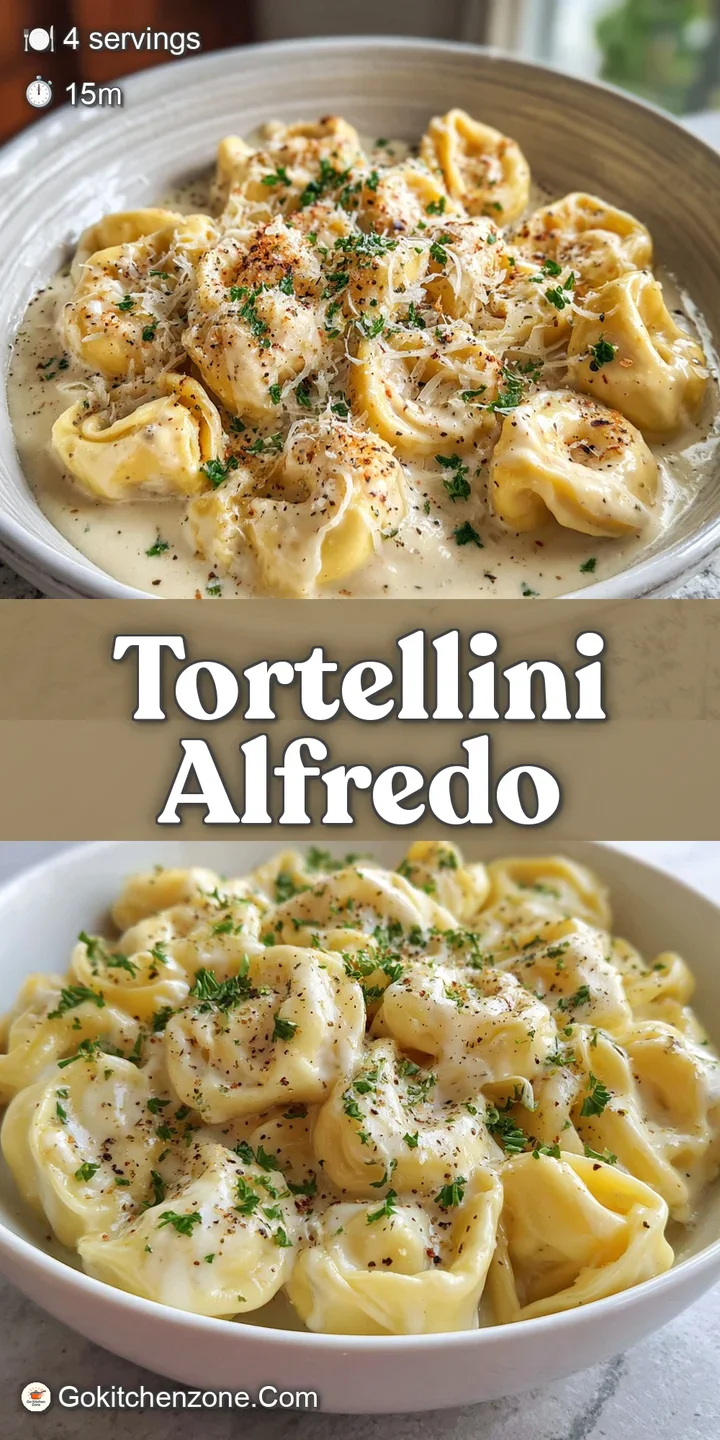
Tortellini Alfredo: Velvety Cream Sauce
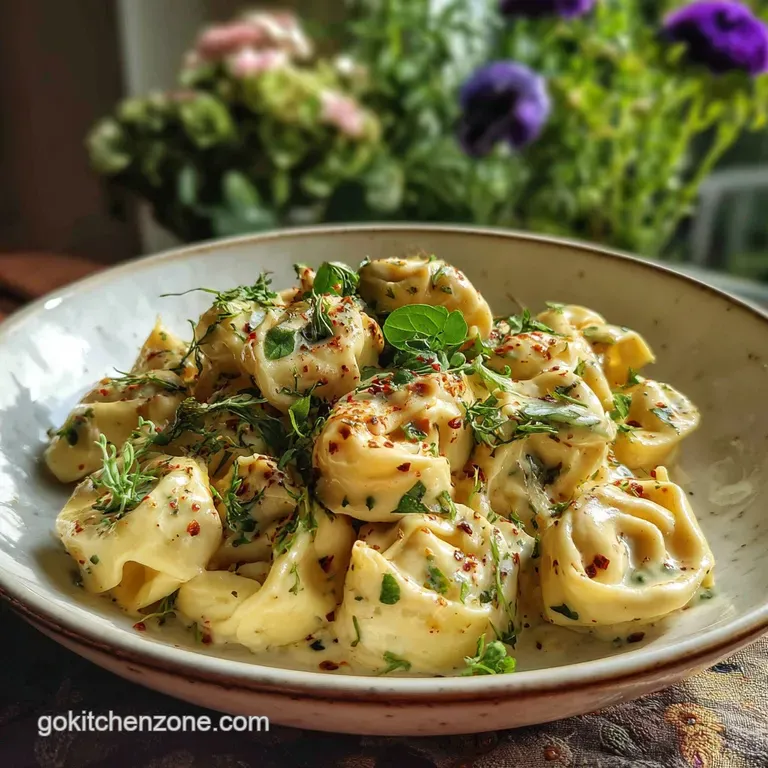
- Time: Active 5 mins, Passive 10 mins, Total 15 mins
- Flavor/Texture Hook: Velvety cream sauce with savory cheese
- Perfect for: Stressful weeknights or quick recovery meals
- Why This Quick Tortellini Alfredo Recipe Always Wins
- Essential Recipe Performance Specifications
- Essential Component and Flavor Analysis
- Required Tools for Fast Cooking
- Step-by-Step Stovetop Cooking Method
- Fix Common Texture and Sauce Issues
- Flavor Variations and Easy Substitutes
- Smart Storage and Reheating Tips
- Perfect Side Dishes and Pairings
- Flavor Myths Debunked
- Very High in Sodium
- Recipe FAQs
- 📝 Recipe Card
Why This Quick Tortellini Alfredo Recipe Always Wins
You know those nights when the fridge looks empty and your brain is fried from work? That happened to me last Tuesday. I stood in the kitchen, staring at a pack of refrigerated pasta, wondering if toast was a viable dinner. Then I remembered the heavy cream hiding behind the milk.
I threw the butter in the pan, and as that first sizzle hit the heat and the aroma of grated garlic filled the room, the "dinner struggle" just vanished. It's the kind of meal that feels like a hug in a bowl, and honestly, we all need that sometimes.
This isn't some fancy, three hour project. It's a 15 minute dash to the finish line that tastes like you actually tried. The secret is the refrigerated pasta. It cooks so fast that the sauce barely has time to thicken before you're ready to eat.
We aren't doing the jarred stuff here, because making a real alfredo sauce is actually faster and ten times more satisfying. You’ll get that silky, buttery finish that clings to the tortellini instead of sliding off into a puddle at the bottom of your bowl.
We've all been disappointed by pasta that’s either too dry or swimming in a soup of thin milk. This recipe fixes that by using high fat heavy whipping cream and real Parmesan. It’s thick, it’s rich, and it’s reliable. You won't need a pantry full of spices or a sink full of dishes.
Just one pot for the pasta, one pan for the sauce, and a massive appetite. Let’s get stuck into how to make this work every single time without breaking a sweat.
Essential Recipe Performance Specifications
The Physics of the Velvety Emulsion: High fat content in heavy cream stabilizes the cheese, preventing the proteins from clumping together into a stringy mess. The residual starch on the tortellini acts as a bridge, helping the fat and water molecules bond for a glossy finish.
Chef's Tip: Freeze your block of Parmesan for 10 minutes before grating. It makes the cheese firmer and prevents it from gumming up your grater, resulting in those tiny, feathery shreds that melt instantly into the sauce.
| Method | Time | Texture | Best For |
|---|---|---|---|
| Stovetop | 15 mins | Silky and loose | Immediate serving |
| Oven Bake | 25 mins | Thick and bubbly | Meal prep / Crispy tops |
| Slow Cooker | 2 hrs | Very soft pasta | Set and forget |
Choosing the stovetop method is almost always the right call for a quick tortellini alfredo. It keeps the pasta "al dente" so you don't end up with mushy cheese pockets. If you do decide to bake it, undercook the pasta by 2 minutes so it can finish in the oven without falling apart.
Essential Component and Flavor Analysis
| Ingredient | Science Role | Pro Secret |
|---|---|---|
| Heavy Cream | Emulsion Base | Use room temp cream to prevent the butter from seizing. |
| Parmesan | Protein/Flavor | Grate it yourself; pre shredded has cellulose that prevents melting. |
| Tortellini | Starch Source | Don't rinse them; that surface starch is "liquid gold" for sauce. |
The heavy cream provides the necessary fat solids to keep the sauce stable even when the temperature drops slightly at the table. If you want a deeper flavor, you could try the technique used in my Beef Tips and recipe where browning the protein first creates a savory fond for the sauce to pick up.
Required Tools for Fast Cooking
- Large Pot: You need at least 4 liters of water to let the tortellini move freely.
- Wide Skillet: A 30cm pan provides more surface area for the cream to reduce quickly.
- Microplane Grater: Grating the garlic and cheese finely is the key to a smooth sauce.
- Silicone Spatula: This helps you scrape every bit of velvety sauce from the sides of the pan.
step-by-step Stovetop Cooking Method
- Boil water. Fill a large pot with 4 liters of water and add 1 tbsp (15g) sea salt. Note: Salted water is your only chance to season the pasta dough itself.
- Cook pasta. Drop 567g refrigerated cheese tortellini into the boiling water. Cook for 2 to 3 minutes until they float to the surface.
- Prepare garlic. While pasta cooks, grate 2 cloves of garlic. Note: Grating creates a paste that dissolves into the butter without leaving crunchy raw bits.
- Melt butter. In a wide skillet over medium heat, melt 113g unsalted butter until it begins to foam and sizzle.
- Sauté aromatics. Stir in the grated garlic and cook for 30 seconds until fragrant but not browned.
- Simmer cream. Pour in 473ml heavy whipping cream and add 0.25 tsp ground nutmeg. Simmer for 3 minutes until bubbles form around the edges.
- Emulsify cheese. Lower heat and whisk in 150g freshly grated Parmesan cheese. Stir until the sauce looks glossy and smooth.
- Combine. Drain the tortellini and toss them directly into the skillet. Note: A little clinging pasta water helps the sauce emulsify even further.
- Add protein. Fold in 280g cooked, sliced chicken breast.
- Final season. Sprinkle with 0.5 tsp freshly cracked black pepper and serve immediately while the sauce is still fluid.
Fix Common Texture and Sauce Issues
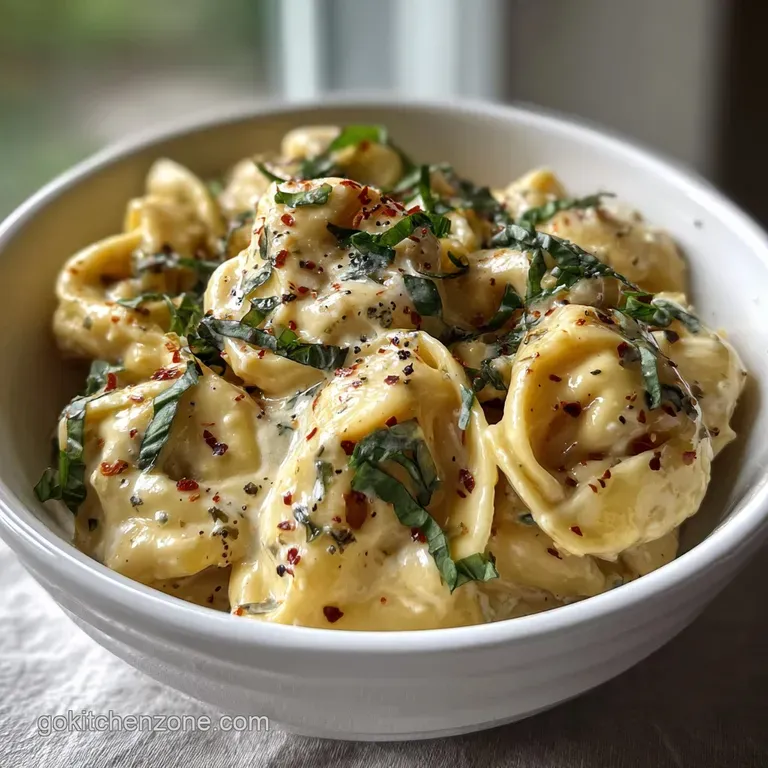
Why is my sauce grainy?
Grainy sauce usually happens when the heat is too high. If the cheese gets too hot, the proteins tighten up and separate from the fat, creating little clumps. To fix this, always remove the pan from the burner before adding the bulk of your cheese.
The residual heat from the cream is more than enough to melt it without shocking the proteins.
What if the sauce is too thin?
If your sauce looks like milk, it just needs a bit more time or a bit more cheese. Alfredo thickens significantly as it cools. If you're in a rush, take a tablespoon of the hot cream, mix it with a teaspoon of cornstarch to make a slurry, then whisk it back in.
But usually, just letting it sit for 2 minutes off the heat will do the trick.
| Problem | Root Cause | Solution |
|---|---|---|
| Separated Sauce | Heat was too high | Add a splash of cold cream and whisk vigorously. |
| Bland Flavor | Not enough salt | Add a splash of pasta water or more Parmesan. |
| Mushy Pasta | Overcooked in water | Boil for 1 minute less than the package says. |
When you're aiming for a creamy tortellini alfredo sauce, remember that the "carryover" heat is real. If the sauce looks exactly right in the pan, it might be too thick by the time it hits the plate. Aim for a slightly looser consistency than you think you need.
Common Mistakes Checklist
- ✓ Never use pre grated cheese; the anti clumping agents ruin the texture.
- ✓ Don't forget to salt the pasta water; it's the foundation of the dish's flavor.
- ✓ Avoid boiling the sauce after the cheese is added to prevent separation.
- ✓ Use refrigerated tortellini, not dried, for the best texture and speed.
- ✓ Pat the chicken dry before slicing if you are reheating it to avoid extra moisture.
Flavor Variations and Easy Substitutes
If you're craving a bit of heat, you can follow a similar path to my Cajun Chicken Alfredo Orzo recipe by adding a teaspoon of blackened seasoning to the butter. It cuts through the richness of the cream beautifully.
| Original Ingredient | Substitute | Why It Works |
|---|---|---|
| Heavy Cream | Half and Half | Lower fat; will be thinner and requires more reduction. |
| Parmesan | Pecorino Romano | Saltier, tangier profile that adds a sharp bite. |
| Tortellini | Ravioli | Same cook time and starch profile; different shape. |
If you want to scale this down for a solo dinner, it's easy. Since we use a half cup of butter and two cups of cream, just quarter everything. Use 140g of pasta and a small handful of cheese. The cook time stays exactly the same, which is perfect for a quick 10 PM "I forgot to eat" meal.
For scaling up to a crowd, increase the liquids by only 1.5x instead of doubling them, as large batches of cream reduce slower and can become overly greasy.
Smart Storage and Reheating Tips
Store any leftovers in an airtight container in the fridge for up to 3 days. I don't recommend freezing this dish. The cream and cheese emulsion often "breaks" during the freezing and thawing process, leaving you with a grainy texture and a layer of yellow oil.
When reheating, avoid the microwave if you can. It heats unevenly and usually causes the sauce to separate into a greasy mess. Instead, put the tortellini back in a skillet with a splash of milk or extra cream. Heat it over low, stirring constantly, until the sauce becomes silky again.
If you must use the microwave, do it in 30 second bursts at 50% power, stirring in a teaspoon of water between each interval.
For a zero waste tip, if you have leftover Parmesan rinds, don't throw them away! Drop them into your next batch of soup or stock to add a massive hit of savory flavor.
Perfect Side Dishes and Pairings
This dish is incredibly rich, so you need something acidic or crunchy to balance the palate. A simple arugula salad with a lemon vinaigrette is my go to. The peppery greens cut right through the heavy cream.
- If you want a classic pairing, go with garlic bread.
- If you want something lighter, roasted broccoli with red pepper flakes works wonders.
- If you want more protein, add sautéed shrimp instead of chicken.
Actually, if you're looking for something with a bit more of a tangy profile, you might enjoy the balance found in a Pink Sauce Pasta recipe, which mixes tomato acidity with that same creamy goodness.
Flavor Myths Debunked
One common myth is that you need flour (a roux) to thicken an alfredo sauce. Real homemade tortellini alfredo relies entirely on the reduction of cream and the melting of cheese. Adding flour makes the sauce heavy and "pasty" rather than silky.
Another misconception is that adding oil to the pasta water prevents sticking. In reality, it just makes the pasta greasy, which prevents the beautiful sauce from clinging to the tortellini. Just use plenty of water and give it a stir in the first 30 seconds. Finally, garlic shouldn't be browned.
Browned garlic becomes bitter and takes over the delicate notes of the cream and nutmeg. Keep it pale and fragrant for the best results.
Very High in Sodium
1745 mg mg of sodium per serving (76% % of daily value)
The American Heart Association recommends limiting sodium intake to about 2,300mg per day.
Tips to Reduce Sodium in Your Tortellini Dish
-
Reduce Parmesan-15%
Parmesan cheese is a major sodium contributor. Reduce the amount used from 150g to 75g. You can also use a low-sodium Parmesan alternative.
-
Limit Added Salt-25%
Eliminate the added sea salt entirely. Taste the dish before adding any salt, and only add a tiny pinch if absolutely necessary.
-
Low-Sodium Chicken-15%
Ensure the cooked chicken breast is prepared without added salt or sodium containing seasonings. Poach or bake the chicken yourself to control the sodium content.
-
Fresh Garlic Boost
Increase the amount of fresh grated garlic to enhance the flavor of the dish and help offset the reduction in sodium.
-
Spice It Up
Experiment with fresh herbs and spices like basil, oregano, or red pepper flakes to add flavor without sodium.
Recipe FAQs
Can you put tortellini in alfredo sauce?
Yes, absolutely. Tortellini is a fantastic pasta shape for Alfredo sauce, as the pockets and ridges hold the creamy sauce wonderfully.
Can I cook tortellini in pasta sauce instead of water?
No, cook tortellini in boiling salted water. Cooking pasta directly in sauce can lead to an unevenly cooked product and a sauce that's too thick and gummy.
What goes well with tortellini alfredo?
Simple sides complement the richness. Consider a crisp arugula salad with lemon vinaigrette, garlic bread, or roasted broccoli with red pepper flakes to balance the creamy sauce.
Can you put tortellini in pasta sauce?
No, you should cook tortellini in boiling water first. Pasta needs to be cooked in ample boiling water to ensure it cooks evenly and doesn't stick together or absorb too much liquid from the sauce.
Why is my alfredo sauce grainy?
The heat was likely too high when adding the cheese. Overheating causes the cheese proteins to tighten and separate from the fat, creating a grainy texture. Remove the pan from the heat before whisking in the majority of the cheese.
What if my alfredo sauce is too thin?
Allow it to reduce further or add more cheese. Alfredo sauce thickens as it cools. If it's still too thin, let it sit off the heat for a few minutes, or whisk in a bit more grated Parmesan cheese.
Is it true I must use heavy cream for Alfredo sauce?
No, while heavy cream yields the richest result, other options exist. You can use half and-half, but it will produce a thinner sauce that requires more reduction time. For the classic velvety texture, heavy cream is best.
Tortellini Alfredo
Ingredients:
Instructions:
Nutrition Facts:
| Calories | 1291 kcal |
|---|---|
| Protein | 54.6 g |
| Fat | 88.1 g |
| Carbs | 67.8 g |
| Fiber | 1.2 g |
| Sugar | 4.5 g |
| Sodium | 1745 mg |
