Silky Mashed Potatoes Recipe with Roasted Garlic
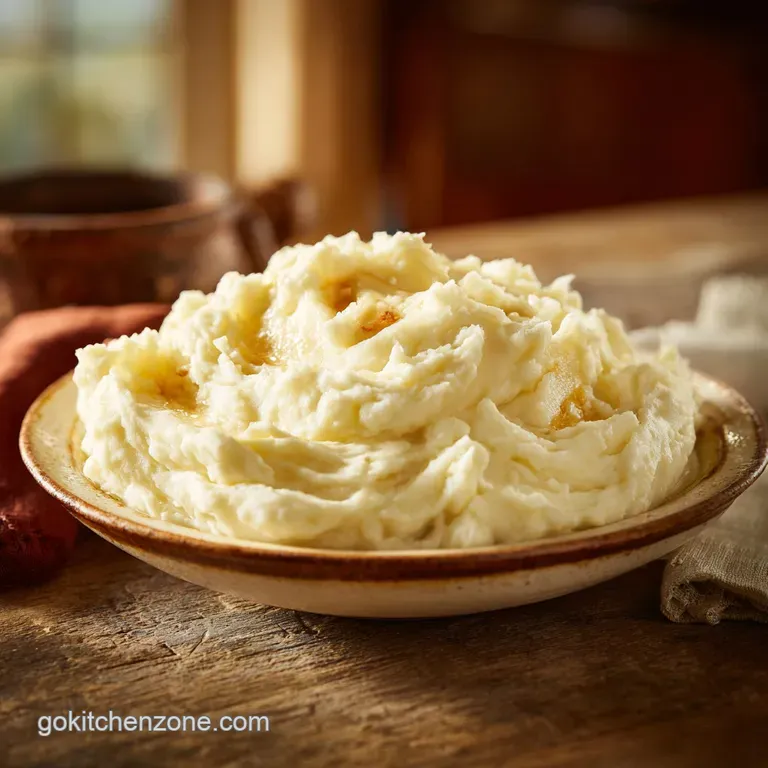
- Time: Active 15 minutes, Passive 20 minutes, Total 35 minutes
- Flavor/Texture Hook: Silky, garlic infused, and cloud like texture
- Perfect for: Holiday dinners, weeknight comfort, or beginner cooks
- Finding the Balance for a Perfect Mashed Potatoes Recipe
- The Physics of the Fluff
- Essential Timings and Quantities for Flawless Potato Results
- Component Analysis for Texture and Flavor
- The Alchemy of Selecting Your Elements
- Simple Tools Required for Achieving a Velvety Smooth Texture
- Step by Step Guide to a Smooth Mashed Potatoes Recipe
- Fixing Texture Problems and Common Cooking Errors
- Adjusting Ratios for Larger or Smaller Batches
- Debunking Common Potato Legends
- Smart Storage and Reducing Kitchen Waste
- Excellent Main Dish Pairings for a Complete Comfort Meal
- Recipe FAQs
- 📝 Recipe Card
Finding the Balance for a Perfect Mashed Potatoes Recipe
The first time I tried to make a big batch of mash for a friend's dinner party, I ended up with something that looked more like wallpaper paste than food. I had overworked the potatoes in a food processor, thinking it would make them smoother, but I just ended up with a stretchy, gummy mess that was honestly embarrassing to serve.
We ended up ordering pizza, and I spent the next week researching what went wrong.
That failure taught me that a great mashed potatoes recipe isn't about muscle or fancy tools; it's about respecting the starch. When you get it right, the aroma of roasted garlic hitting the hot spuds is enough to bring everyone into the kitchen before the table is even set.
You want that "shatter" of the potato skin as you peel them, followed by the soft, pillowy yield of a perfectly boiled chunk.
This method is the result of dozen of trials in my own kitchen, focusing on what actually works for a busy weeknight. We aren't going for "gourmet" pretension here. We want reliable, consistent results that make people reach for a second scoop.
It's about that velvety finish and the way the butter pools in the little craters you make with your spoon. Trust me, once you nail the moisture balance, you'll never go back to the boxed stuff.
The Physics of the Fluff
Starch Gelatinization: When potatoes cook, starch granules swell and burst; if you over mix, they release too much amylose, creating a gluey texture.
Surface Dehydration: Tossing cooked potatoes in a dry, hot pot for two minutes evaporates excess water, making room for the fat and dairy to soak into the cell structure.
Essential Timings and Quantities for Flawless Potato Results
| Servings | Potato Weight | Dairy Ratio | Cook Time |
|---|---|---|---|
| 4 people | 1.5 lbs | 0.5 cup milk / 2 oz cream cheese | 15-18 mins |
| 8 people | 3 lbs | 1 cup milk / 4 oz cream cheese | 20 mins |
| 12 people | 4.5 lbs | 1.5 cups milk / 6 oz cream cheese | 22-25 mins |
Getting the timing right is the difference between a chunky mess and a smooth side dish. I always tell people to start their potatoes in cold water. If you drop them into boiling water, the outside cooks and disintegrates before the inside even softens. Starting cold ensures the whole chunk heats up at the same rate.
This is especially important for this mashed potatoes recipe because we are mixing two different types of potatoes that have slightly different densities.
Component Analysis for Texture and Flavor
| Ingredient | Science Role | Pro Secret |
|---|---|---|
| Russet Potatoes | Provides high starch content for a fluffy, light structure. | Peel these completely to avoid any grainy "eyes" in the final mash. |
| Yukon Gold Potatoes | Adds a natural buttery flavor and a waxy, creamy mouthfeel. | These hold their shape better, providing the "body" of the dish. |
| Cream Cheese | Acts as an emulsifier to keep the fats from separating. | Always use full fat for the structural integrity of the fluff. |
| Roasted Garlic | Softens the harsh sulfur notes of raw garlic into a sweet umami. | Roast the whole head in foil while the potatoes boil to save time. |
The Alchemy of Selecting Your Elements
- 1.5 lbs Russet potatoes: Peeled and cut into 2 inch chunks. Why this? High starch creates the classic "cloud" fluffiness we want.
- 1.5 lbs Yukon Gold potatoes: Peeled and cut into 2 inch chunks. Why this? They provide a yellow hue and rich, buttery flavor.
- 1 tbsp sea salt: Added to the boiling water. Why this? Seasons the potato from the inside out as it absorbs water.
- 0.5 cup unsalted high-quality butter: Cubed and slightly softened. Why this? Unsalted lets you control the final sodium levels perfectly.
- 1 cup whole milk: Warm this before adding. Why this? Cold milk shocks the starch and can lead to a lumpy texture.
- 4 oz cream cheese: Room temperature is a must. Why this? Adds a subtle tang and keeps the mash stable for longer.
- 6 cloves roasted garlic: Mashed into a paste. Why this? Provides deep, mellow flavor without the bite of raw cloves.
- 1 tbsp fresh chives: Finely minced for garnish. Why this? The oniony bite cuts through the heavy fat of the dairy.
- 0.5 tsp white pepper: Finely ground. Why this? Seasons without adding black specks to the clean, white mash.
Simple Tools Required for Achieving a Velvety Smooth Texture
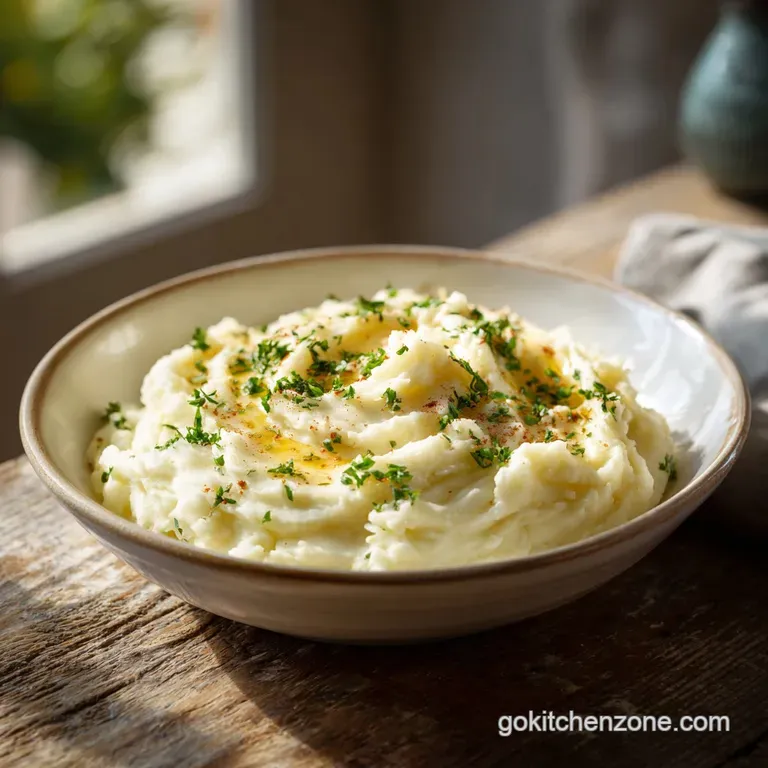
You don't need a high tech kitchen to make this happen. Honestly, a simple hand masher is often better than a fancy mixer because it gives you more control over the texture. If you want that restaurant style, ultra fine finish, a potato ricer is your best friend.
It pushes the potato through tiny holes, breaking up every single lump without overworking the starch.
I usually reach for my heavy bottomed Dutch oven. It holds heat brilliantly, which is vital when you're trying to evaporate that extra moisture after draining. If you're looking for a similar vibe with a different potato style, you might like the technique in this Au Gratin Potatoes Recipe where the slicing tool matters just as much as the heat.
Chef's Tip: Freeze your butter for 10 minutes then grate it into the hot potatoes. The small shreds melt instantly and evenly, preventing "fat pockets" in the mash.
step-by-step Guide to a Smooth Mashed Potatoes Recipe
- Prep the potatoes. Peel 1.5 lbs Russets and 1.5 lbs Yukons, cutting them into uniform 2 inch chunks. Note: Uniform size ensures they all finish cooking at the same time.
- Start the boil. Place chunks in a large pot and cover with cold water by at least an inch, then add 1 tbsp sea salt.
- Simmer steadily. Bring to a boil, then reduce to a simmer for 20 minutes until the potatoes slide off a fork easily.
- Drain thoroughly. Pour the potatoes into a colander and let them sit for 30 seconds to shed the initial water.
- Steam dry. Return the potatoes to the hot, empty pot over low heat for 2 minutes until a white filmy residue forms on the bottom.
- Mash the base. Use a ricer or masher to break down the potatoes while they are still piping hot.
- Infuse the garlic. Stir in the 6 cloves of roasted garlic paste and the 4 oz cream cheese.
- Add the fats. Drop in the 0.5 cup cubed butter and stir gently until the butter has completely vanished into the spuds.
- Stream the milk. Slowly pour in the 1 cup of warm whole milk, folding it in with a spatula rather than beating it.
- Final season. Fold in 0.5 tsp white pepper and taste, adding more salt if the flavor doesn't "pop" yet.
Fixing Texture Problems and Common Cooking Errors
Why Your Potatoes Are Gluey
If your mash feels like elastic or looks shiny and sticky, you've likely over processed them. This happens most often with electric hand mixers or food processors. Once those starch bonds are broken and turned into glue, there is no way to "un glue" them.
However, you can save the meal by spreading them in a baking dish, topping with cheese, and making a casserole.
| Problem | Root Cause | Solution |
|---|---|---|
| Lumpy Mash | Under cooked centers or adding cold dairy | Cook 2 mins longer; always warm your milk/butter |
| Watery Flavor | Potatoes absorbed too much water | Increase the "steam dry" step to 3 full minutes |
| Bland Taste | Salt added too late in the process | Add a pinch of MSG or more sea salt at the very end |
The salt in the boiling water is non negotiable. Potatoes are like sponges; they take in whatever liquid they are in. If that liquid isn't seasoned, the potato will be bland all the way through, and no amount of salt on top will fix that deep seated lack of flavor.
Common Mistakes Checklist
- ✓ Never start with boiling water; always start with cold water to ensure even cooking.
- ✓ Don't forget to warm the milk; cold dairy causes the potato starches to seize up.
- ✓ Avoid the food processor at all costs unless you want edible adhesive.
- ✓ Do not over peel the Yukon Golds; a little bit of the tender skin adds character.
- ✓ Always drain the potatoes the second they are fork tender to prevent water logging.
Adjusting Ratios for Larger or Smaller Batches
When you need to scale this recipe down for a quiet night in, simply halve everything. Use a smaller pot so the water comes to a boil faster. If you're cutting the recipe by half, reduce the total cook time by about 20% since smaller amounts of potato tend to soften quicker in the center.
Scaling up for a crowd requires a bit more care. If you're doubling this for 16 people, don't just double the salt in the water start with 1.5x and taste the water; it should taste like the sea. Work in batches when mashing if your pot isn't big enough.
Crowding the masher leads to lumps because you can't reach the bottom layers effectively. If you're doing a massive holiday spread, you might want to look into a make-ahead Mashed recipe to save your sanity on the big day.
Debunking Common Potato Legends
A common misconception is that you should leave the skins on for "extra nutrients." While the skins do have fiber, Russet skins are tough and bitter when mashed. For a smooth, classic result, peeling is mandatory. Another myth is that adding oil to the water prevents sticking.
It actually just makes the potatoes greasy and prevents the salt from penetrating the surface.
Some people think you have to use heavy cream for the "best" result. Honestly, I find that whole milk combined with cream cheese provides a better structural balance. Heavy cream can sometimes make the mash feel too heavy or "slick" on the tongue, whereas the cream cheese adds a necessary lactic tang that keeps you coming back for more.
Smart Storage and Reducing Kitchen Waste
Storage Guidelines: Fridge: Store in an airtight container for up to 4 days. Freezer: These freeze surprisingly well due to the high fat content from the cream cheese and butter. They will last up to 2 months.
Reheating: Use a heavy saucepan over low heat. Add a tablespoon of milk and a pat of butter to restore the silky texture. Avoid the microwave if possible, as it can create hot spots that dry out the edges.
Zero Waste Tips: Don't throw away those potato peels! Toss them with a little olive oil, salt, and paprika, then bake at 400°F (200°C) until crispy. They make a fantastic crunchy snack or a "crouton" for the top of your mash.
If you have leftover mashed potatoes, they are the perfect base for potato pancakes or can be used to thicken a leek and potato soup the next day.
Excellent Main Dish Pairings for a Complete Comfort Meal
These potatoes are a blank canvas, but they truly shine next to something with a bit of acidity or a rich gravy. A classic pot roast or a seared steak is the traditional choice, but don't overlook a simple roasted chicken.
The juices from the chicken mingle with the roasted garlic in the mash in a way that is truly life changing.
- If you want a crunchier experience, try serving these alongside my Potatoes on the Grill recipe for a mix of textures.
- If you're craving more cheese, fold in some sharp cheddar and bacon to transform this into a Loaded Mashed Potatoes recipe.
- If you want a lighter meal, pair the mash with a piece of flaky white fish and a squeeze of lemon to cut through the richness.
| Method | Texture | Time | Best For |
|---|---|---|---|
| Hand Masher | Rustic with small bites | 35 mins | Casual family dinners |
| Potato Ricer | Silky and uniform | 40 mins | Holiday meals / Formal events |
| Stand Mixer | Aerated and whipped | 30 mins | Large batches for crowds |
This mashed potatoes recipe is all about the details. Whether it's the cold start water or the two minutes of steam drying, these small steps are what separate "okay" potatoes from the ones your family will ask for every single week. Get your butter grated, your garlic roasted, and let's get mashing.
Recipe FAQs
What is the secret to really good mashed potatoes?
Steam drying the cooked potatoes in the hot, empty pot. This evaporates excess surface water, allowing the potatoes to fully absorb the butter and milk, resulting in a non-watery, flavor infused texture.
How to make the best mashed potatoes?
Combine Russet and Yukon Gold potatoes for balanced texture and flavor. Use Russets for fluffiness and Yukons for creamy body, and ensure all dairy additions are warmed before incorporating them to prevent starch seizing.
Is milk or cream better for mashed potatoes?
Whole milk combined with cream cheese is often better than heavy cream alone. Heavy cream can make the mash feel overly slick, while whole milk offers hydration, and the cream cheese provides essential emulsification and a slight, pleasing tang.
What is a common mistake when making mashed potatoes?
Overmixing the potatoes, especially with an electric mixer or food processor. This breaks down the starch too much, releasing amylose which results in a sticky, gummy, or stretchy consistency.
Why are my mashed potatoes lumpy?
Lumps usually result from either adding cold dairy or not cooking the potatoes evenly. Always start potatoes in cold, salted water so the insides cook at the same rate as the outside, and always warm your milk before adding it.
Can I make mashed potatoes ahead of time for a large gathering?
Yes, you can prepare the base up to two days ahead of serving. Cool the mash completely, then store it airtight; when reheating, use low heat on the stove with a splash of warm milk and butter to restore that fresh, silky texture.
What pairs well with these rich mashed potatoes?
These rich potatoes pair wonderfully with any dish featuring a complementary sauce or gravy. The earthy flavor profile of the roasted garlic in the mash acts as a great base for savory sauces, similar to how the technique of slow reduction balances flavor in a good Brown Gravy Recipe.
Silky Mashed Potatoes Recipe
Ingredients:
Instructions:
Nutrition Facts:
| Calories | 296 calories |
|---|---|
| Protein | 5.2g |
| Fat | 17.5g |
| Carbs | 30.9g |
| Fiber | 3.7g |
| Sugar | 2.4g |
| Sodium | 210mg |
