Mac N Cheese Panera Recipe: Velvety White Cheddar
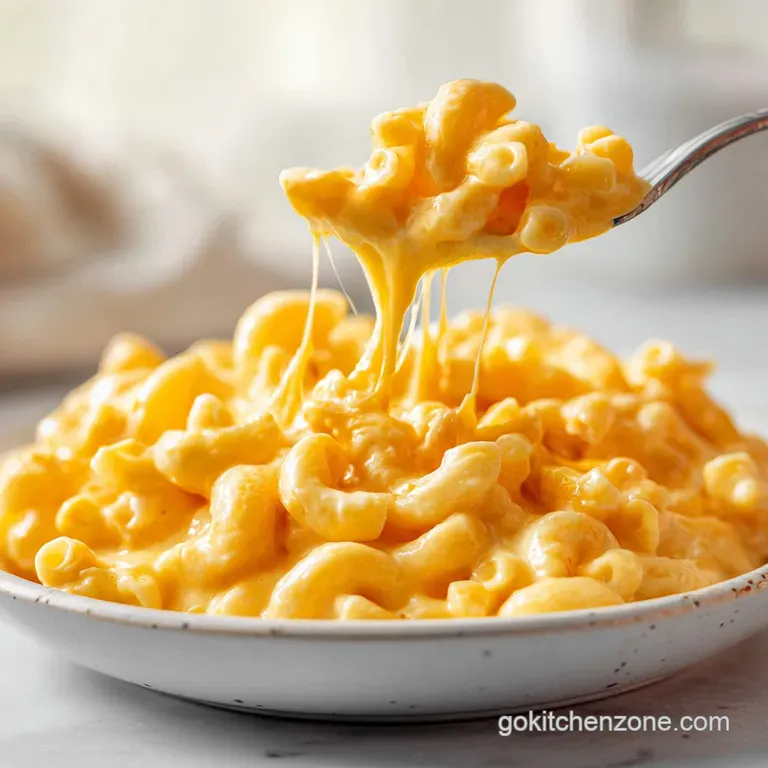
- Time: Active 15 minutes, Passive 5 minutes, Total 20 minutes
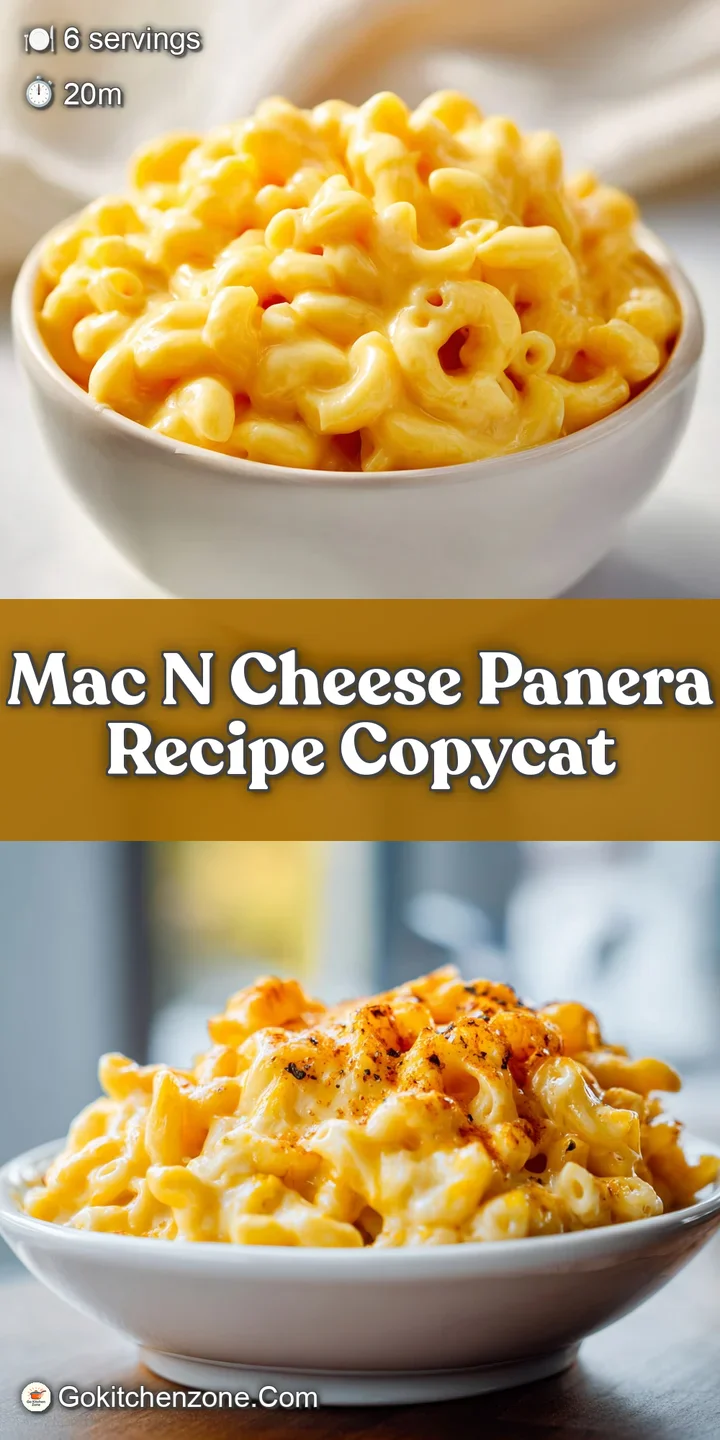
- Flavor/Texture Hook: Velvety, sharp white cheddar coating ridged pasta
- Perfect for: Stressful weeknights or a cozy weekend lunch
- The Secrets to This mac n cheese panera recipe
- Vital Stats for Your Weeknight Success
- Everything for That Signature White Sauce
- The Right Tools for the Job
- A Step-by-Step Cooking Timeline
- Common Pitfalls and Pro Fixes
- Tasty Variations and Easy Swaps
- Keep Your Leftovers Creamy
- Perfect Pairings and Serving Ideas
- Critical Level of Sodium
- Recipe FAQs
- 📝 Recipe Card
The Secrets to This mac n cheese panera recipe
I still remember the first time I tried to recreate this at home. I thought I could just toss some shredded cheddar into a pot of noodles and call it a day. It was a disaster, the cheese clumped into a greasy ball, and the pasta was swimming in watery milk.
I realized then that the magic of the mac n cheese panera recipe isn't just the cheese, it is the emulsion. You want that specific, heavy cling where the sauce stays thick even as it cools slightly on your fork.
Getting that signature taste requires a bit of restraint. It is easy to want to add garlic or herbs, but the real deal is remarkably clean. It tastes like high-quality dairy and sharp Vermont cheddar. When you pull the pot off the stove, the aroma should be punchy and salty, not masked by too many spices.
We are looking for that specific "shatter" of sharp flavor followed by the silky finish of the cream.
Trust me, once you see how the white American cheese acts as the stabilizer, you will never go back to those boxed mixes. It is the secret weapon for anyone who struggles with homemade cheese sauces. We've all been there, staring at a grainy mess and wondering where it went wrong.
This method is basically foolproof if you follow the order of operations. Let's get into what actually makes this dish tick.
The Physics of the Velvety Emulsion: White American cheese contains sodium citrate, an emulsifying salt that prevents the proteins in the sharp cheddar from clumping. This ensures the sauce stays completely smooth rather than separating into oil and solids.
Chef Tip: Freeze your block of sharp cheddar for 10 minutes before grating. It makes the cheese firmer and prevents it from turning into a mushy mess against the grater blades.
Vital Stats for Your Weeknight Success
Before we start boiling water, let's look at how this stovetop method stacks up against the traditional baked version. Many people think they need to toss this in the oven with breadcrumbs, but for the true copycat experience, the stovetop is king.
| Method | Time | Texture | Best For |
|---|---|---|---|
| Stovetop | 20 mins | Silky and loose | Authentic copycat feel |
| Oven Baked | 45 mins | Firm and crusty | Potlucks and large crowds |
| Slow Cooker | 3 hours | Very soft/thick | Set and forget meal prep |
The beauty of the stovetop method is the speed. You aren't waiting for a crust to brown while the pasta underneath continues to overcook. You get that immediate gratification. If you're looking for something with a bit more protein, you might want to try a Chicken Mac and Cheese recipe which uses a similar base but adds more bulk for a full dinner.
Everything for That Signature White Sauce
The ingredient list for this cheese panera recipe is intentionally short. Using the right pasta shape is actually more important than people think. You need those ridges and a hollow center to trap the sauce. If you use smooth elbows, the sauce just slides right off.
The Chemistry of the Cheese Blend
| Ingredient | Science Role | Pro Secret |
|---|---|---|
| White American | Emulsifier | Prevents the sharp cheddar from separating |
| Heavy Cream | Fat Buffer | Stabilizes the roux against high heat |
| Dry Mustard | Flavor Booster | Cuts through the fat to brighten the cheese |
- 1 lb Lumaconi or Pipe Rigate pasta
- Why this? The large ridges and curved shape act like little scoops for the sauce.
- 1/4 cup Unsalted butter
- Why this? Provides the fat base for the roux without adding extra salt.
- 1/4 cup All purpose flour
- Why this? Thickens the milk into a stable bechamel base.
- 2 cups Whole milk
- Why this? Essential for a smooth, pourable sauce consistency.
- 1 cup Heavy cream
- Why this? Adds the necessary richness for that "Panera" mouthfeel.
- 4 oz White American cheese
- Why this? Acts as the stabilizing agent for a smooth sauce.
- 1/2 tsp Dry mustard powder
- Why this? Enhances the perception of "sharpness" in the cheddar.
- 1/4 tsp Onion powder
- Why this? Adds a subtle savory depth without texture.
- 1/8 tsp Ground white pepper
- Why this? Keeps the sauce visually pristine without black flecks.
The Right Tools for the Job
You don't need a professional kitchen, but a heavy bottomed pot is a non negotiable. Thin pots have "hot spots" that will scorch your milk before the cheese even has a chance to melt. I prefer a Dutch oven or a high-quality stainless steel saucier.
You'll also want a balloon whisk. When you are making the roux, you need to reach the edges of the pan to make sure no flour gets stuck and burns. A wooden spoon is great for the final folding of the pasta, but the whisk is what builds the sauce.
Finally,, please avoid the pre shredded cheese in bags. I know it's a time saver, but those are coated in potato starch or cellulose to keep them from sticking together in the bag. That starch will ruin your panera recipe by making the sauce gritty and thick.
Use a box grater for the cheddar and just roughly chop the American cheese.
A step-by-step Cooking Timeline
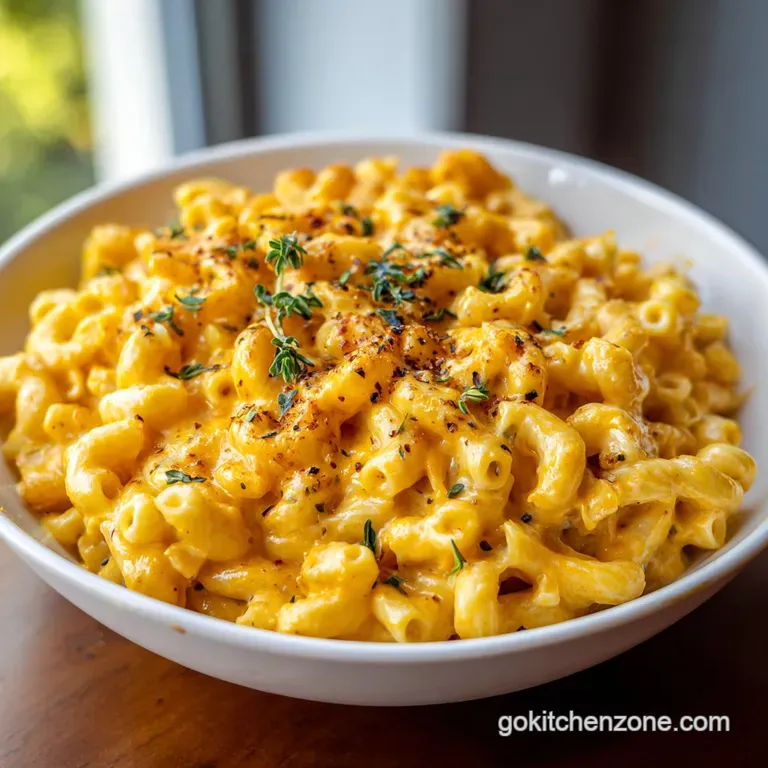
Let's get the flow right. The pasta and the sauce should finish at roughly the same time so nothing sits around getting gummy.
- Boil the water. Use a large pot with 2 tbsp Kosher salt. Note: The water should taste like the sea to season the pasta from within.
- Cook 1 lb Lumaconi. Boil until the pasta is slightly firm (al dente). Usually 1-2 minutes less than the box says.
- Melt 1/4 cup butter. Use medium low heat in a large saucepan until it starts to foam.
- Whisk in 1/4 cup flour. Cook for 1-2 minutes until it smells slightly nutty but stays pale.
- Pour 2 cups milk and 1 cup cream. Add slowly, whisking constantly until the mixture is silky and starts to thicken.
- Add spices. Whisk in the mustard, onion powder, white pepper, and salt.
- Reduce heat to low. Stir in 8 oz grated White Cheddar and 4 oz chopped American cheese.
- Melt the cheese. Stir gently until the sauce is glossy and completely smooth.
- Drain the pasta. Do not rinse it; the starch helps the sauce stick.
- Combine everything. Fold the pasta into the sauce until every shell is heavily coated and glistening.
Chef Tip: If your sauce seems too thick after adding the pasta, add a splash of the reserved pasta water. The starch and salt in the water help maintain the emulsion while thinning the consistency.
Common Pitfalls and Pro Fixes
The most common issue I see with this mac n cheese panera recipe is the sauce breaking. This usually happens because the heat is too high. Once you add the cheese, you really just want enough residual heat to melt it.
If you boil the sauce after the cheese is in, the proteins will tighten up and squeeze out the fat, leaving you with a grainy, oily mess.
Troubleshooting Your Cheese Sauce
| Problem | Root Cause | Solution |
|---|---|---|
| Grainy Texture | Heat was too high or pre shredded cheese used | Remove from heat, add a splash of cold cream and whisk vigorously |
| Sauce Too Thin | Roux didn't cook long enough | Let it simmer for 2 more mins before adding cheese |
| Pasta is Mushy | Overboiled in the water | Cook 2 mins less than box instructions next time |
If you ever find yourself with a sauce that just won't come together, similar to what might happen with a Nacho Cheese Sauce recipe, the key is often more emulsifier. Adding one more slice of American cheese can often save a broken sauce.
Common Mistakes Checklist
- ✓ Grating your own cheese from a block (prevents grittiness)
- ✓ Adding milk gradually to the roux (prevents lumps)
- ✓ Keeping the heat low once cheese is added (prevents separation)
- ✓ Salting the pasta water heavily (essential for flavor)
- ✓ Not rinsing the pasta (helps sauce adherence)
Tasty Variations and Easy Swaps
While the classic version is iconic, there's plenty of room to play. I've often made a "Panera Broccoli Cheddar Mac and Cheese Recipe" by simply adding steamed broccoli florets at the very end. It adds a bit of texture and makes me feel slightly better about eating a bowl of cheese for dinner.
Smart Ingredient Substitutes
| Original Ingredient | Substitute | Why It Works |
|---|---|---|
| Lumaconi Pasta | Shells or Campanelle | Similar "cup" shape to hold sauce. Note: Campanelle adds a fancy look |
| White American | Mild Provolone + 1/4 tsp Lemon juice | Provolone melts well; acid helps emulsify |
| Heavy Cream | Half and Half | Lower fat but still provides creaminess. Note: Sauce will be slightly thinner |
If you want to try something even more decadent, you could adapt this technique for an Au Gratin Potatoes Recipe where the same white cheddar base can be poured over thinly sliced spuds. It is basically the same flavor profile but with a completely different texture.
Decision Shortcut
- If you want a crunchy top, transfer to a dish, add panko, and broil for 3 mins.
- If you want a spicier kick, add a pinch of cayenne or chopped pickled jalapenos.
- If you want it extra sharp, swap half the white cheddar for an aged yellow sharp cheddar.
Keep Your Leftovers Creamy
Storing mac and cheese is tricky because the pasta continues to soak up the sauce as it sits. When you put it in the fridge, it will turn into a solid block. This is normal! Don't panic when you see it the next day.
Fridge Life: This stays good for about 3 to 4 days in an airtight container. Freezing: You can freeze this for up to 2 months. I recommend freezing it in individual portions. Thaw it in the fridge overnight before reheating.
Reheating Tips: Never just microwave it on high. The cheese will break and become oily. Instead, put the mac and cheese in a small saucepan with 2 tablespoons of milk. Heat it over low, stirring gently as it melts back into a sauce.
If you must use a microwave, use 50% power and stir every 30 seconds, adding a tiny splash of milk halfway through.
Zero Waste Idea: If you have leftover sauce but no pasta, use it as a dip for pretzels or drizzle it over steamed cauliflower. If you have leftover mac that is too dry to enjoy as is, roll it into balls, coat in breadcrumbs, and air fry them for homemade mac and cheese bites.
Perfect Pairings and Serving Ideas
When serving this this recipe, I like to keep the sides simple. Because the dish is so rich and heavy, something acidic or fresh is a must. A simple green salad with a sharp vinaigrette or some roasted green beans works wonders.
Scaling the Recipe for Crowds
If you need to feed a larger group, you can easily double this. However, when doubling, only increase the salt and spices to 1.5x initially. You can always add more at the end, but the flavors concentrate differently in larger batches.
- Down (1/2 batch): Use a smaller saucepan. Cook time remains the same, but the sauce thickens faster.
- Up (2x batch): Use a large stockpot. Work in batches when whisking the milk into the roux to ensure no lumps form.
Debunking Kitchen Myths
One major myth is that adding oil to the pasta water prevents sticking. In reality, it just coats the pasta in a slick layer that prevents this Panera Mac and recipe from actually sticking to the noodles. Just use plenty of water and stir occasionally.
Another misconception is that "real" cooks don't use American cheese. In the world of chemistry, American cheese is a tool. It contains the salts necessary to keep an aged cheddar sauce from turning into a grainy mess. Even high end chefs use it for exactly this purpose. It is about functionality, not just flavor.
Finally, don't worry if your sauce looks a little bit too thin right before you add the pasta. The Lumaconi will release a tiny bit of starch and absorb some liquid, which thickens everything up in the final 60 seconds of folding. If it starts out too thick, it will be a brick by the time it hits the table.
Trust the process!
Critical Level of Sodium
1180 mg of sodium per serving (51% of daily value)
The American Heart Association recommends limiting sodium intake to about 2,300mg per day for overall cardiovascular health.
Tips to Reduce Sodium in Your Mac & Cheese
-
Reduce Cheese Sodium-20%
Choose a lower sodium cheese. Opt for Swiss, Monterey Jack, or even a mild cheddar with reduced sodium instead of extra sharp cheddar and American. This substitution can significantly cut down on the recipe's sodium content.
-
Cut Back on Added Salt-15%
Eliminate the 1/2 teaspoon of salt added to the cheese sauce. The cheeses already contribute a significant amount of sodium, and you may not miss the added salt. Consider tasting before adding any salt at all.
-
Unsalted is Key-10%
Ensure you are using truly unsalted butter. Even a small amount of salt in the butter can contribute to the overall sodium content.
-
Skip Pasta Salt-10%
Omit the 2 tablespoons of Kosher salt from the pasta water. While some salt is absorbed, a significant amount can be avoided without impacting the pasta's texture.
-
Consider Milk Alternatives-10%
Using unsweetened and unflavored almond milk or a low-sodium dairy milk alternative instead of whole milk can help lower the sodium content of the recipe. Be sure to adjust the flour amount to achieve the proper thickness.
-
Spice it Up!
Enhance the flavor with sodium free herbs and spices. Try adding garlic powder, smoked paprika, or a pinch of cayenne pepper for extra depth of flavor.
Recipe FAQs
What are the key ingredients in the Panera mac and cheese recipe?
Sharp white Vermont cheddar and white American cheese. The primary ingredients are Lumaconi pasta, butter, flour, whole milk, heavy cream, sharp white cheddar, and white American cheese for stabilization.
Where does Panera source the specific cheese for their mac and cheese?
The source is proprietary, but the function isn't. The secret lies in the use of emulsifying salt found in processed American cheese, which prevents the natural cheddar proteins from clumping when melted.
How to make Panera microwave mac and cheese if I am in a rush?
Make a roux in a microwave safe bowl, then temper the liquids slowly. Melt butter, whisk in flour, and microwave in 20-second bursts, stirring until slightly nutty; slowly whisk in milk and cream, then melt cheeses in 30-second intervals, stirring constantly.
What is the world's best mac and cheese, generally speaking?
That's subjective, but the best recipes prioritize emulsification over ingredient count. The smoothest sauces often use sodium citrate or similar stabilizers, similar to how we ensure a stable emulsion in our Brown Gravy Recipe for perfect texture.
Why is my homemade mac and cheese sauce turning grainy?
The heat was too high after the cheese was added. Boiling the sauce after the cheddar melts causes the proteins to seize and release fat, resulting in separation. Remove from heat and add cold milk/cream to rescue it.
Can I substitute whole milk for the heavy cream in this recipe?
Yes, but the richness and texture will significantly change. If you substitute, consider adding a small knob of butter to the bechamel base to compensate for the lost fat content, ensuring the sauce doesn't become too thin like our Lasagna Cheese Filling recipe sometimes does when rushed.
Is it true that pre-shredded cheddar cheese is acceptable for this copycat recipe?
No, pre-shredded cheese should be avoided entirely for this specific recipe. Those cheeses are coated in anti caking agents like potato starch, which will cause the velvety cheese sauce to become gritty and ruin the smooth Panera texture.
Panera Mac N Cheese Copycat

Ingredients:
Instructions:
Nutrition Facts:
| Calories | 774 kcal |
|---|---|
| Protein | 27.0 g |
| Fat | 44.1 g |
| Carbs | 66.7 g |
| Fiber | 2.5 g |
| Sugar | 6.2 g |
| Sodium | 1180 mg |
