Olive Garden Alfredo Sauce: Rich and Velvety
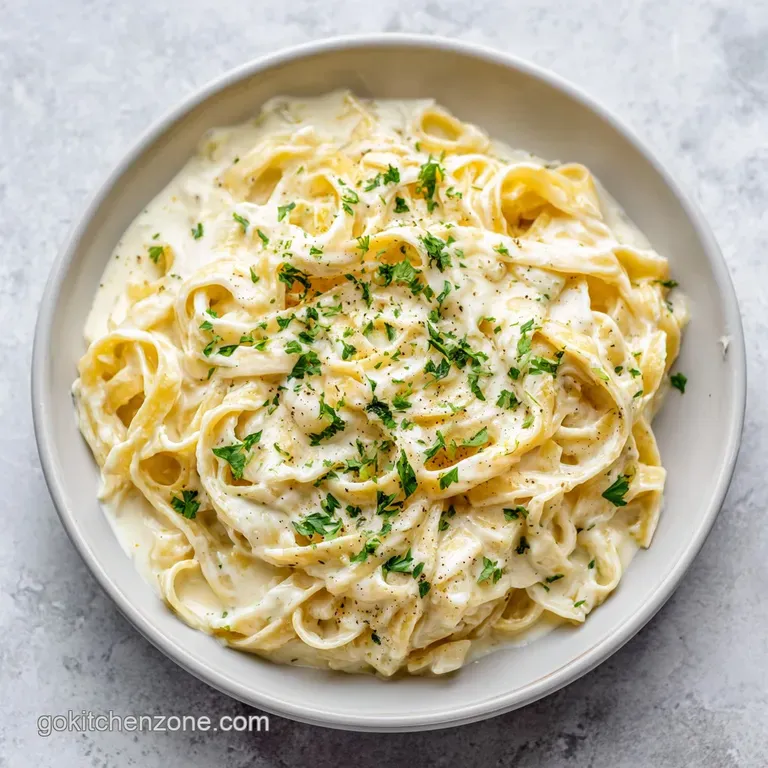
- Time: Active 15 minutes, Passive 5 minutes, Total 20 minutes
- Flavor/Texture Hook: Glossy, buttery, and garlic infused
- Perfect for: Quick weeknight dinners or replicating date night comfort
- Secret to the Best Olive Garden Alfredo Sauce
- Why This Creamy Sauce Works
- Essential Shopping List Details
- Tools for a Smooth Sauce
- Detailed Cooking Instructions
- Fixing Common Sauce Mistakes
- Smart Recipe Adjustments
- Storing Your Leftover Sauce
- Best Ways to Serve It
- Myths About This Sauce
- Recipe FAQs
- 📝 Recipe Card
Secret to the Best Olive Garden Alfredo Sauce
Have you ever wondered why the sauce at the restaurant stays perfectly glossy while the version you make at home often turns into a pool of yellow oil? It is the kind of kitchen mystery that drives home cooks wild.
I remember standing over a skillet years ago, watching in horror as my expensive Parmesan clumped into a rubbery ball while the cream broke into a greasy mess. It looked nothing like the silk draped pasta I was craving, and honestly, the dinner struggle was very real that night.
The secret isn't some expensive machinery or a industrial chemical; it is all about the "glue" that holds the fat and liquid together. Most people think Alfredo is just heavy cream and cheese, but the restaurant style relies on a very specific, thin stabilizer.
We are going to use a tiny bit of flour to make sure your sauce stays together even if it sits on the table for twenty minutes. It is a tiny insurance policy for your dinner.
You are going to love how the garlic fragrance hits you the moment it touches the warm butter. It shouldn't smell burnt or bitter; it should smell sweet and inviting. This recipe is designed to be reliable, using simple tools you already have in your cupboard.
Let's get into why this method actually works and how you can avoid the grainy texture that ruins so many homemade attempts.
Why This Creamy Sauce Works
Getting that restaurant quality finish requires a bit of basic kitchen logic that keeps the dairy from panicking when it hits the heat.
- The Roux Anchor: Adding a small amount of flour to the butter creates a network that traps fat droplets, preventing them from leaking out and making the sauce greasy.
- Dual Dairy Balance: Using a mix of heavy cream and whole milk provides enough fat for richness while keeping the consistency fluid enough to coat every strand of pasta.
- over Low heat Integration: Melting the cheese off the heat prevents the proteins from tightening up, which is what usually causes that dreaded "gritty" feeling on your tongue.
- White Pepper Stealth: Using white pepper instead of black provides a gentle floral heat without leaving little black specks that disrupt the snowy white look of the dish.
| Method | Total Time | Texture | Best For |
|---|---|---|---|
| Stovetop (This Recipe) | 20 minutes | Velvety and stable | Precise control and consistency |
| Slow Cooker | 2 hours | Thick and heavy | Large batches but risks breaking |
| Microwave | 8 minutes | Thin and quick | One person emergency lunch |
Choosing the stovetop method is really the only way to go if you want that specific glossy finish. It allows you to control the exact moment the cheese melts into the liquid. If you are looking to round out your meal, you might find that this pairs beautifully with a fresh salad topped with my favorite salad dressing recipe.
Essential Shopping List Details
The quality of your ingredients is the biggest factor here, especially when it comes to the cheese. If you buy the stuff in a green shaker can, the sauce will never be smooth.
| Component | Science Role | Pro Secret |
|---|---|---|
| Unsalted Butter | Fat Base | Use high-quality European style butter for a richer, more yellow hue. |
| Heavy Cream | Thickener | Ensure it is at least 36% fat to prevent the sauce from being watery. |
| Parmesan Cheese | Umami Punch | Always grate it yourself from a block; pre shredded has cellulose that prevents melting. |
| Fresh Garlic | Aromatic | Mince it right before cooking to keep the oils potent and sweet. |
- 4 tbsp unsalted butter (56g): Why this? Provides the fat base for the roux and a signature buttery flavor.
- 2 cloves fresh garlic: Why this? Fresh is mandatory here; jarred garlic tastes acidic and ruins the profile.
- 2 tbsp all purpose flour (16g): Why this? This acts as our stabilizer to keep the sauce from breaking.
- 1.5 cups heavy cream (355ml): Why this? The high fat content creates the luxurious mouthfeel we want.
- 0.5 cup whole milk (120ml): Why this? Lightens the sauce so it isn't too heavy or cloying.
- 1 cup Parmesan cheese (90g): Why this? Freshly grated is the only way to ensure a smooth melt.
- 0.25 cup Romano cheese (22g): Why this? Adds a sharp, salty tang that cuts through the rich cream.
- 1 pinch nutmeg: Why this? A classic Italian secret that brings out the nuttiness of the cheese.
- 1/4 tsp salt: Why this? Enhances the other flavors; adjust based on the saltiness of your cheese.
- 1/4 tsp white pepper: Why this? Provides heat without the visible black flecks.
Tools for a Smooth Sauce
You don't need a high end kitchen to make this happen, but a couple of specific items will make your life much easier. A heavy bottomed saucepan is your best friend here because it distributes heat evenly. Thin pans have "hot spots" that can scorch the dairy or burn the garlic in seconds.
A sturdy balloon whisk is also essential. You need to be able to move the liquid quickly when you are adding the dairy to the roux. If you use a spoon, you are likely to end up with little flour dumplings floating in your cream. Finally, a microplane or a fine grater is non negotiable.
The finer the cheese is grated, the faster it will melt, and the less chance you have of the sauce becoming grainy.
Detailed Cooking Instructions
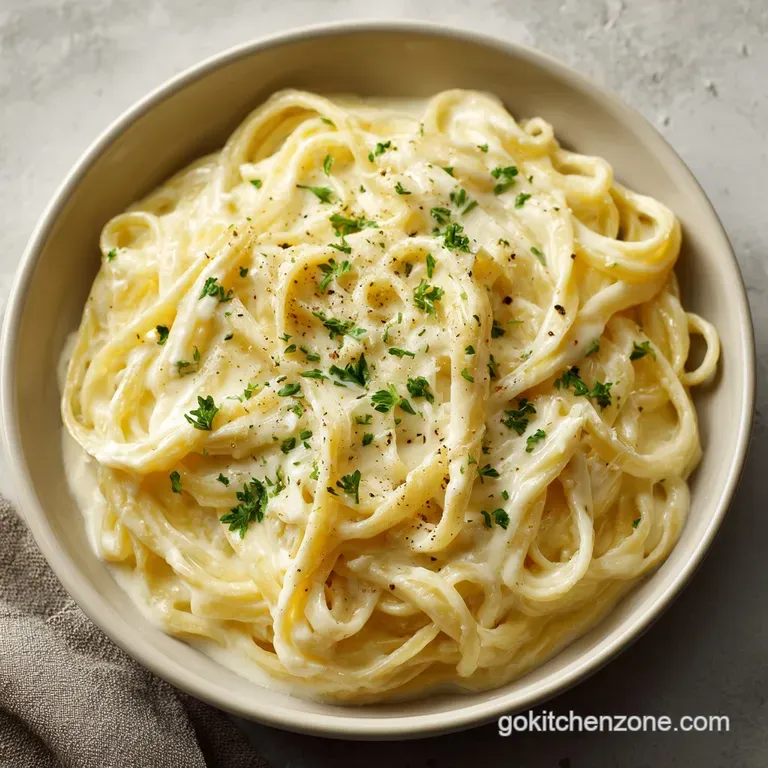
- Place a heavy bottomed saucepan over medium low heat and add the 4 tbsp of unsalted butter. Let it melt slowly until it is foaming and bubbling gently.
- Drop in the 2 cloves of finely minced garlic. Sauté them for 2 minutes until they look translucent and smell incredible, but do not let them turn brown or they will taste bitter.
- Sprinkle the 2 tbsp of all purpose flour over the butter and garlic. Whisk it constantly for 1 minute until it forms a pale, thick paste. Note: This cooks out the raw flour taste without adding color.
- Slowly stream in the 1.5 cups of heavy cream and 0.5 cup of whole milk. You must whisk vigorously during this part until the liquid is completely smooth and no lumps remain.
- Increase the heat slightly to medium. Keep whisking as the mixture comes to a gentle simmer.
- Stir in the pinch of nutmeg, 1/4 tsp salt, and 1/4 tsp white pepper. Continue to simmer for 3 to 5 minutes until the sauce thickens enough to coat the back of a spoon.
- Turn off the heat entirely and move the pan to a cool burner. This is the most important step for a smooth finish.
- Add the 1 cup of Parmesan and 0.25 cup of Romano cheese one handful at a time. Whisk gently until each addition is fully melted and the sauce is glossy.
- Taste the sauce and add a pinch more salt if needed, then immediately toss with warm pasta.
Fixing Common Sauce Mistakes
Even the best cooks run into trouble with dairy based sauces. Most issues happen because of temperature swings or using the wrong type of cheese. If your sauce looks like it is separating, don't panic. Usually, a splash of hot pasta water and some aggressive whisking can bring it back together.
Saving a Split Sauce
If you see beads of oil forming on the surface, your sauce has "broken." This usually happens if the heat was too high after the cheese was added. To fix it, remove it from the heat immediately. Add a tablespoon of cold heavy cream and whisk like your life depends on it.
The cold fat can sometimes help re emulsify the mixture.
Fixing Grainy Texture Issues
A grainy sauce is almost always caused by pre shredded cheese or overheating the proteins. If it's already grainy, you can try pouring it into a blender and pulsing it for a few seconds.
It won't be as perfect as a correctly melted sauce, but it will shatter those clumps and make it much more palatable for a weeknight meal.
| Problem | Root Cause | Solution |
|---|---|---|
| Sauce is too thick | Too much evaporation | Whisk in a splash of warm milk or pasta water. |
| Sauce is too thin | Not simmered long enough | Simmer for 2 more minutes or add extra cheese. |
| Bland flavor | Not enough salt or acid | Add a tiny squeeze of lemon or more Romano cheese. |
Common Mistakes Checklist
- ✓ Always use a heavy bottomed pan to prevent the milk solids from scorching on the bottom.
- ✓ Never let the sauce reach a rolling boil once the cream is added; a gentle simmer is all you need.
- ✓ Grate your cheese fresh from the block to avoid the anti clumping starches found in bags.
- ✓ Whisk the flour and butter for at least a full minute to ensure the sauce doesn't taste like raw dough.
- ✓ Add the cheese only after the pan is removed from the heat source to keep the texture silky.
Smart Recipe Adjustments
If you are cooking for a crowd, you can easily double this recipe. Just remember to keep the spices at about 1.5 times the original amount rather than doubling them completely, as they can become overwhelming.
For a smaller portion, you can cut the ingredients in half, but keep a close eye on the garlic so it doesn't burn in the smaller amount of butter.
If you are looking for a shortcut that still feels fancy, you can use this same base for a tortellini alfredo which takes almost no time at all. The cheese filled pasta adds an extra layer of richness that works perfectly with the garlic forward sauce.
- If you want a thicker sauce, use all heavy cream and skip the milk entirely.
- If you want a lighter version, swap the heavy cream for half and half, but be aware it will be more prone to breaking.
- If you want a deeper flavor, brown the butter slightly before adding the flour for a nutty, toasted profile.
| Substitute | Usage | Why It Works |
|---|---|---|
| Half and Half | 1:1 for cream | Lower fat but less stable. Note: Sauce will be thinner. |
| Garlic Powder | 1 tsp | Use if fresh is unavailable. Note: Flavor is less vibrant. |
| Pecorino | 1:1 for Romano | Similar salty, sharp profile that melts well. |
Storing Your Leftover Sauce
Alfredo sauce is notorious for being difficult to reheat because the fat likes to separate once it cools. If you have leftovers, store them in an airtight container in the fridge for up to 3 days.
I don't recommend freezing this sauce; the ice crystals will break the emulsion, and when you thaw it, you will likely end up with a grainy, watery mess that no amount of whisking can fix.
When you are ready to eat it again, do not use the microwave if you can avoid it. Instead, put the sauce in a small pan over very low heat. Add a splash of milk or water to help loosen it up. Stir it constantly and gently until it is just warm enough to eat. If you overheat it, the cheese will turn oily.
For zero waste, if you have just a little bit of sauce left, stir it into some mashed potatoes the next day for an incredible side dish.
Best Ways to Serve It
While fettuccine is the classic partner for this sauce, don't feel limited by tradition. It is fantastic over grilled chicken breasts or as a dip for warm breadsticks. If you want to get some greens in, stir in some steamed broccoli florets or fresh spinach right at the end.
The heat from the sauce will wilt the spinach perfectly in about thirty seconds.
Another great way to use this is as a white pizza base. Spread a thin layer over raw pizza dough, top with mozzarella and some sliced red onions, and bake until bubbly. The flour in the recipe helps it stay stable even in the high heat of an oven.
Myths About This Sauce
One of the biggest misconceptions is that the "authentic" version must contain eggs. While some Roman styles use egg yolks for richness, the Olive Garden Alfredo Sauce style is strictly a dairy and cheese emulsion.
Adding eggs would change the flavor profile entirely and make it taste more like a Carbonara, which is a different beast altogether.
Another myth is that you need to use high heat to thicken the sauce. Heat is actually the enemy of a smooth Alfredo. The thickening comes from the reduction of the cream and the starch in the roux, not from boiling. If you see big, aggressive bubbles, turn the heat down immediately.
You want a lazy, slow simmer that gently coaxes the moisture out of the cream. High heat will only tighten the proteins in the cheese and lead to a clumped up disaster. Finally, many people believe that adding oil to the pasta water helps the sauce stick. In reality, it does the opposite.
The oil coats the pasta and prevents this beautiful, velvety sauce from clinging to the noodles. Skip the oil and let the starch on the pasta do its job!
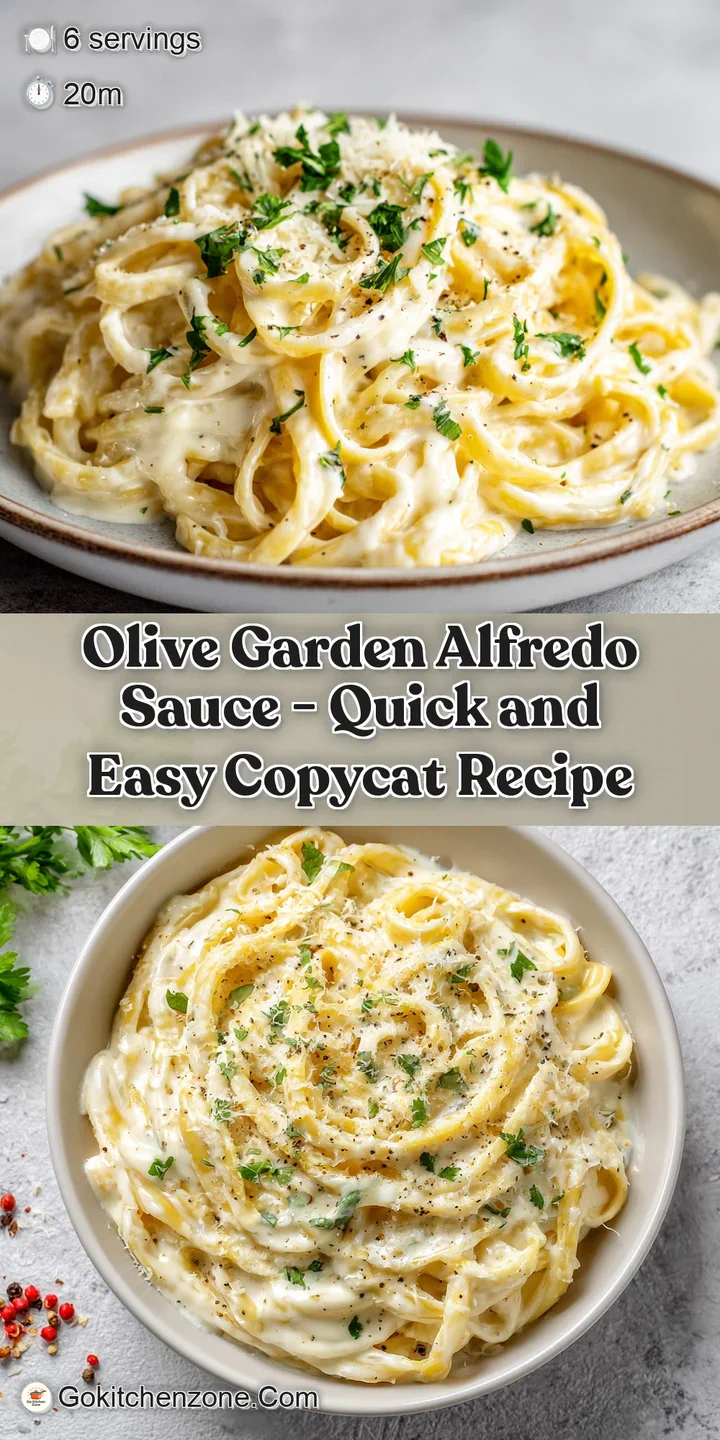
Recipe FAQs
What is in Olive Garden's alfredo sauce?
This sauce consists of unsalted butter, minced garlic, all-purpose flour, heavy cream, whole milk, Parmesan cheese, Romano cheese, nutmeg, salt, and white pepper. It relies on a roux of butter and flour to create a stable base for the dairy and cheeses.
Where does Olive Garden get their alfredo sauce from?
They produce their alfredo sauce in-house daily rather than using a pre-made commercial product. This scratch made method ensures the fresh, creamy consistency that defines their signature dish.
Does Olive Garden sell their alfredo sauce in grocery stores?
No, the restaurant does not sell its house made alfredo sauce in retail stores. While various brands sell "Alfredo style" jarred sauces, those products do not replicate the flavor or texture of the fresh version made in their kitchens.
Does Olive Garden make their own sauce?
Yes, the chefs prepare the sauce from scratch in the restaurant. They cook the components in a heavy bottomed saucepan to manage the delicate emulsion of dairy and cheese properly.
How to keep the sauce from breaking when reheating?
Reheat the sauce in a small pan over very low heat instead of using a microwave. Add a splash of milk or water while gently stirring to help the fats re-emulsify. If you enjoyed mastering the velvety sauce technique here, you will find the same logic helpful when heating other cream based dishes.
Is it true you must use pre-shredded cheese to save time?
No, this is a common misconception. You should always grate your Parmesan and Romano fresh from the block, as pre-shredded bags contain anti clumping starches that prevent the sauce from becoming smooth and glossy.
How to fix the sauce if it tastes like raw flour?
Whisk the flour and butter together for at least a full minute during the initial roux stage. Cooking the flour thoroughly before adding the liquids ensures the starch is activated and the raw, pasty flavor is completely eliminated.
Olive Garden Alfredo Sauce
Ingredients:
Instructions:
Nutrition Facts:
| Calories | 378 kcal |
|---|---|
| Protein | 9.8 g |
| Fat | 35.2 g |
| Carbs | 6.1 g |
| Fiber | 0.1 g |
| Sugar | 2.4 g |
| Sodium | 425 mg |
