The Golden Crust Guide: How Long to Cook Lasagna
- Time: Active 50 minutes, Passive 55 minutes, Total 105 minutes
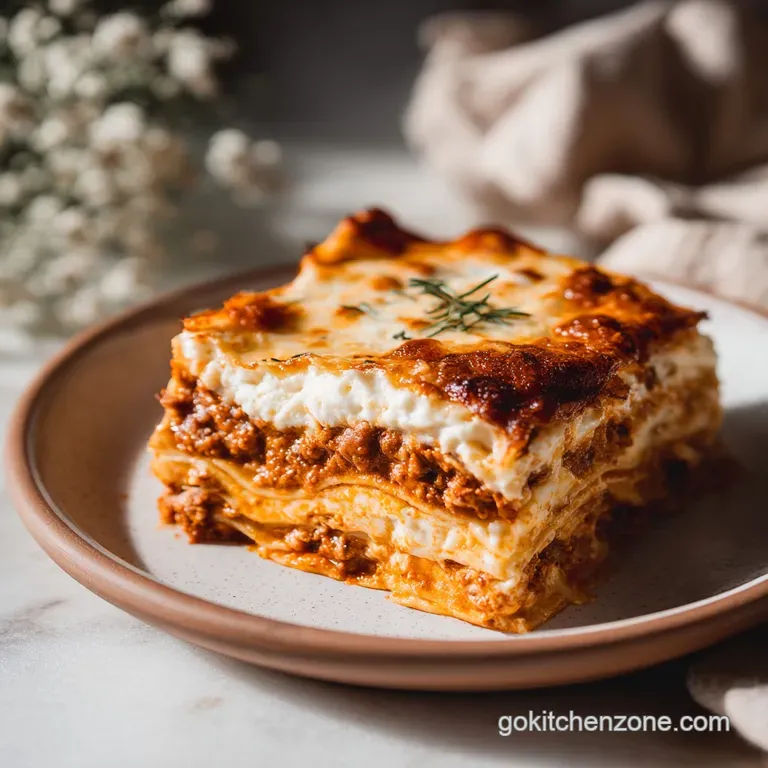
- Flavor/Texture Hook: Mahogany crusted mozzarella with velvety, nutmeg spiced ricotta layers
- Perfect for: Sunday meal prep or a crowd-pleasing weekend family dinner
- Determining How Long to Cook Lasagna
- Why This Timing Works
- Essential Ingredient Science
- Detailed Ingredient List
- Required Kitchen Equipment
- Mastering the Cooking Process
- Troubleshooting Common Failures
- Scaling the Recipe
- Debunking Lasagna Myths
- Storage and Waste Tips
- Best Serving Practices
- Frequently Asked Questions
- Troubleshooting Common Issues
- Very High in Sodium
- Recipe FAQs
- 📝 Recipe Card
Determining How Long to Cook Lasagna
Forget everything you have been told about boiling noodles in a massive pot of salted water for fifteen minutes. That is a dinner struggle you simply do not need in your life. I spent years chasing the "perfect" noodle texture, only to end up with slippery, overcooked sheets that slid right out of the lasagna.
The truth is, the noodles actually cook better when they absorb the moisture directly from your sauce while sitting in the oven. It creates a much tighter bond between the meat and the cheese, giving you those clean, stackable slices you see in restaurants.
The real secret to mastering how long to cook lasagna lies in the two stage bake. If you just throw it in the oven uncovered, the cheese will turn into a burnt cracker before the middle is even warm. If you leave it covered the whole time, you miss out on that beautiful mahogany colored bubbling cheese.
We are going for a precise 35 to 40 minutes under foil to trap the steam, followed by 15 minutes of direct heat to finish the top. It is about managing the moisture so the pasta softens without the whole thing becoming a watery mess.
I used to think that the longer it stayed in the oven, the better it would be. That is how I ended up with dry beef and rubbery cheese. This recipe is built on reliability. We are looking for an internal temperature of 165°F, which is the magic number for food safety and structural stability.
But the most important part of the timing happens after the oven beeps. You absolutely must let it rest for 20 minutes. If you cut into it immediately, the molten cheese will flow like lava, and you will be left with a pile of ingredients instead of a slice of lasagna.
Why This Timing Works
Understanding the physics of your oven helps you stop guessing when the timer goes off. We are balancing three different thermal processes at once.
- Steam Hydration: Covering the dish with foil creates a pressurized steam chamber where the moisture from the 56 oz of crushed tomatoes penetrates the starch in the noodles.
- Protein Binding: The large egg added to the 30 oz of ricotta acts as a structural glue that sets as it reaches 160°F, preventing the cheese from leaking out.
- Maillard Reaction: Removing the foil for the final 15 minutes allows the sugars and proteins in the mozzarella to brown, creating that complex, savory crust.
- Carryover Cooking: During the 20 minute rest, the temperature continues to even out, allowing the pasta to finish absorbing any stray liquid from the ragù.
| Cook Method | Bake Time | Texture Result | Best For |
|---|---|---|---|
| Standard Oven (375°F) | 55 minutes | Silky noodles, crispy top | Classic family dinner |
| From Frozen (375°F) | 90 minutes | Soft noodles, extra saucy | Emergency meal prep |
| Reheating Slice | 15 minutes | Chewy edges, molten core | Quick weekday lunch |
It is a common mistake to think that higher heat equals faster cooking. If you try to bake this at 425°F, the edges will be black while the center is still cold. Sticking to 375°F ensures the heat penetrates the thick layers of beef and ricotta evenly.
It is the sweet spot where the noodles hydrate without the tomato sauce drying out or burning against the sides of the pan.
Essential Ingredient Science
Every component in this lasagna serves a specific physical purpose beyond just tasting good. We are essentially building a culinary skyscraper.
| Ingredient | Science Role | Pro Secret |
|---|---|---|
| Lean Ground Beef (93%) | Structural Base | Drain the fat thoroughly to prevent "grease pooling" between layers. |
| Ricotta & Egg | Binding Agent | The egg coagulates at 160°F, turning the ricotta into a solid, creamy "brick." |
| Crushed Tomatoes | Hydration Source | Use the 56 oz volume to ensure there is enough liquid for the noodles to absorb. |
| Nutmeg | Flavor Bridge | A tiny amount cuts through the fat of the cheese and highlights the sweetness of the beef. |
The interaction between the acid in the tomatoes and the starch in the pasta is what creates that perfect "bite." If your sauce is too watery, the noodles will become mushy. That is why we simmer the ragù for 20 minutes before layering; we need to cook off the excess water so only the concentrated flavor and necessary hydration remain.
Detailed Ingredient List
You will need these specific quantities to fill a standard 9x13 deep dish casserole perfectly. Using these exact amounts prevents the lasagna from being too thin or overflowing in your oven.
- 2 lbs lean ground beef (93% lean): Why this? Higher fat beef makes the lasagna greasy and unstable. (Sub: Ground turkey or plant based crumbles)
- 1 large yellow onion, finely diced: (Sub: 2 teaspoons onion powder in a pinch)
- 4 cloves garlic, minced: (Sub: 1 teaspoon garlic powder)
- 56 oz crushed tomatoes: (Sub: Tomato purée for a smoother texture)
- 2 tbsp tomato paste: Why this? Adds deep umami and thickens the sauce instantly. (Sub: Double the simmer time if skipped)
- 1 tbsp dried oregano: (Sub: Dried basil or Italian seasoning)
- 1 tsp red pepper flakes: (Sub: 0.5 tsp cayenne pepper)
- 30 oz part skim ricotta cheese: (Sub: Small curd cottage cheese, drained)
- 1 large egg: Why this? This is the "glue" for your cheese layers. (Sub: 2 tbsp heavy cream, though it won't set as firmly)
- 0.5 cup freshly grated Parmesan cheese: (Sub: Pecorino Romano)
- 2 cups fresh spinach, chopped: (Sub: 10 oz frozen spinach, thawed and squeezed very dry)
- 0.5 tsp ground nutmeg: (Sub: A pinch of ground mace)
- 1 box lasagna noodles (12-15 sheets): (Sub: gluten-free lasagna sheets)
- 4 cups mozzarella, shredded: Why this? Low moisture mozzarella melts without releasing water. (Sub: Provolone or Monterey Jack)
- 0.5 tsp sea salt
- 0.5 tsp black pepper
If you find yourself making the beef and realize you want something a bit more vibrant for another night, this ground beef stir fry recipe uses very similar base ingredients like garlic and onion but takes them in a totally different direction. It is a great way to use up that second pound of beef if you aren't feeling the lasagna vibe today.
Required Kitchen Equipment
You don't need a professional kitchen to make this happen, but a few specific tools make the process much smoother and prevent the dreaded "lasagna overflow."
- 9x13 Deep Dish Casserole: Ensure it has at least 3 inch sides. Standard pans are often too shallow for all these layers.
- Heavy Bottomed Pot: A Dutch oven or large stockpot is necessary for browning the 2 lbs of beef and simmering the 56 oz of sauce without splashing.
- Mixing Bowls: You will need at least one medium bowl to properly combine the ricotta, egg, and spinach.
- Aluminum Foil: This is non negotiable for the first 35 to 40 minutes of baking to prevent the cheese from burning.
I highly recommend placing your casserole dish on a rimmed baking sheet before putting it in the oven. Even with a deep dish pan, the sauce can occasionally bubble over the sides. Cleaning a baking sheet is much easier than scrubbing burnt tomato sauce off the floor of your oven.
Also, make sure your cheese grater is sharp if you are shredding your own mozzarella pre shredded works fine for speed, but fresh melts into a much silkier blanket.
Mastering the Cooking Process
This process is about building a foundation and then layering the "floors" of your lasagna. Don't rush the simmering of the sauce; that is where the soul of the dish lives.
- Brown the beef. In your large pot over medium high heat, cook the ground beef until it is completely browned. No pink should remain. This usually takes about 8 to 10 minutes.
- Drain the fat. Tilt the pot or use a spoon to remove the excess oil. This step is critical for a lasagna that doesn't feel heavy or greasy.
- Sauté aromatics. Toss in the diced onion and minced garlic. Cook for about 5 minutes until they are soft and smelling incredible.
- Simmer the ragù. Stir in the tomato paste, crushed tomatoes, oregano, red pepper flakes, salt, and pepper. Lower the heat and let it simmer for 20 minutes. You want it to thicken up so it holds its shape.
- Prep the cheese. While the sauce bubblers, mix the ricotta, egg, Parmesan, chopped spinach, and nutmeg in a bowl. Stir it well until the egg is totally invisible.
- Preheat and layer. Get the oven to 375°F. Spread a thin layer of sauce on the bottom of the 9x13 pan. Follow with noodles, the ricotta mix, and mozzarella. Keep repeating this until the pan is full and the top is heavy with mozzarella.
- Cover and bake. Seal the pan tightly with foil. This traps the steam. Bake for 35 to 40 minutes.
- The final brown. Take the foil off and bake for another 15 minutes. You are looking for those mahogany bubbles and a slightly golden crust.
- Check the temp. Stick a meat thermometer in the center. You want it to hit 165°F.
- The critical rest. Take it out and let it sit on the counter for 20 minutes. The layers will "set" during this time, allowing for those perfect, clean slices.
During step 4, pay close attention to the thickness of the sauce. If it looks like a soup, keep simmering. You want it to be more like a thick jam. If the sauce is too thin, the noodles will just float around, and the lasagna will lose its structural integrity. If you enjoy this type of slow simmered comfort but want something for a weeknight that takes half the time, my beef stroganoff recipe provides that same creamy, beefy satisfaction in just 30 minutes.
Troubleshooting Common Failures
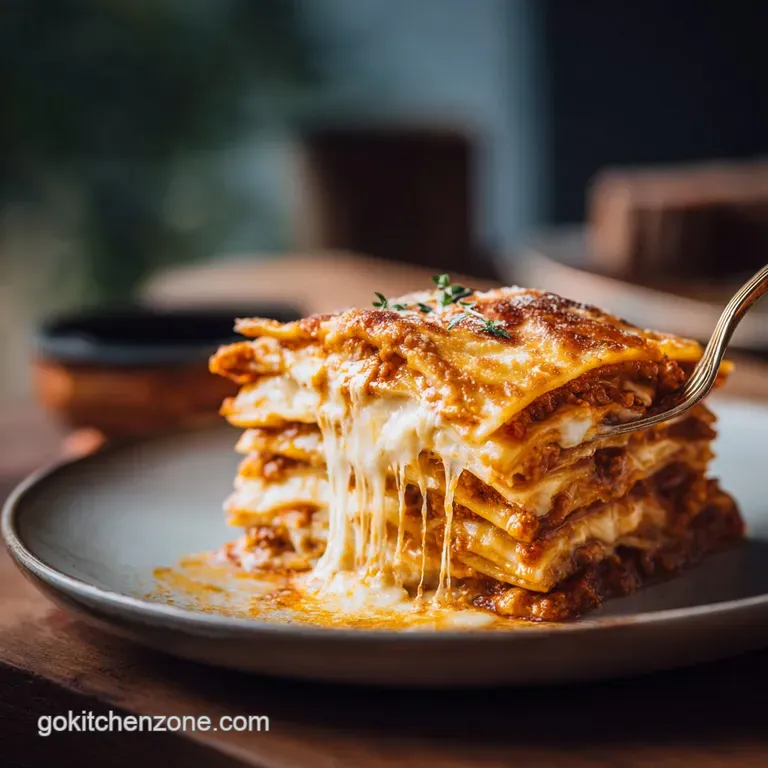
Lasagna is a forgiving dish, but a few small errors can ruin the texture. Most of the time, the issue comes down to moisture management or temperature control.
Why Your Lasagna Is Soupy
If your lasagna collapses into a puddle on the plate, it is usually because the sauce was too watery or you didn't let the dish rest long enough. The carryover cooking period is when the noodles finish absorbing the residual liquid. If you cut it early, that liquid has nowhere to go but all over your plate.
| Problem | Root Cause | Solution |
|---|---|---|
| Crunchy Noodle Edges | Foil wasn't sealed tight | Ensure foil is crimped around the edges to trap steam. |
| Burned Cheese Top | Exposed too early | Keep foil on for at least 35 minutes before browning. |
| Layers Sliding Apart | No binding agent | Always include the egg in the ricotta mixture to act as glue. |
Why Your Noodles Are Hard
This usually happens when there isn't enough sauce touching the edges of the pasta. When you are layering, make sure the sauce goes all the way to the corners of the pan. The dry heat of the oven will dehydrate any exposed noodle, turning it into a hard, inedible chip.
Common Mistakes Checklist
- ✓ Drain the beef fat completely to prevent a "grease lake" on top of your cheese.
- ✓ Squeeze all the water out of your spinach if using the frozen variety.
- ✓ Seal the foil tightly; any steam escaping means longer cook times for the noodles.
- ✓ Don't skip the nutmeg it’s the difference between a "okay" lasagna and a "wow" lasagna.
- ✓ Use a meat thermometer to ensure the center has reached 165°F.
Scaling the Recipe
If you are cooking for a smaller crowd or a massive party, you can't just double or halve everything without making a few adjustments. Lasagna is dense, and that affects how heat moves through it.
Scaling Down (Making a Half Batch) If you are using an 8x8 square pan, you should use about half the ingredients. However, don't just cut the time in half. The thickness of the layers remains similar, so you still need about 30 minutes covered and 10 minutes uncovered.
The key is to watch the internal temperature rather than the clock. Use half the egg by beating it in a cup first and then measuring out two tablespoons.
Scaling Up (Feeding a Crowd) For a double batch, I recommend using two separate 9x13 pans rather than one giant deep pan. A single massive lasagna will take forever to heat in the center, and by the time it is done, the outside will be mushy.
When baking two pans at once, rotate them halfway through the cooking time (around the 25 minute mark) to account for any hot spots in your oven.
| Goal | Method | Note |
|---|---|---|
| Ultra Crispy Top | Broil for last 2 mins | Watch it like a hawk; cheese burns in seconds. |
| Lighter Version | Swap beef for turkey | Use a bit more oregano to boost the flavor profile. |
| Time Saver | No boil noodles | Add 0.5 cup extra water to the sauce to compensate. |
When scaling up the spices, be careful. You don't necessarily need to double the red pepper flakes or salt. Start with 1.5 times the amount and taste your sauce. Spices can become overwhelming when amplified in large batches.
Debunking Lasagna Myths
There are so many "rules" about lasagna that simply don't hold up when you look at the science of home cooking.
Myth 1: You must boil the noodles first. This is the biggest time waster in the kitchen. As long as your sauce has enough moisture and you cover the pan with foil, the noodles will hydrate perfectly in the oven.
In fact, they often have a better "al dente" texture when cooked this way because they aren't being double cooked.
Myth 2: Fresh pasta is always better. While fresh pasta is lovely, it is often too delicate for a heavy, meat laden lasagna. It can turn into a mushy paste under the weight of 2 lbs of beef and 30 oz of cheese.
Dried pasta has the structural strength to hold up the layers, providing that satisfying chew.
Myth 3: More cheese is always better. There is a limit! If you add too much mozzarella between the layers, the lasagna won't hold together. The cheese will melt into a slippery slide, causing the noodles to shift. Stick to the 4 cup measurement for the best balance of gooiness and stability.
Storage and Waste Tips
Lasagna is one of those rare dishes that actually tastes better the next day. The flavors have more time to meld, and the structure becomes even firmer.
Storage GuidelinesFridge: Store in an airtight container for up to 4 days. Freezer: Wrap individual slices in plastic wrap and then foil. They will stay fresh for up to 3 months. To reheat from frozen, it’s best to let them thaw in the fridge overnight first.
Zero Waste Ideas Don't throw away those broken noodle pieces at the bottom of the box. You can snap them into smaller bits and toss them into a minestrone soup. If you have leftover ricotta, it is fantastic spread on toast with a bit of honey and sea salt for breakfast.
Any leftover ragù can be frozen and used as a quick pasta sauce for a Tuesday night dinner struggle.
If you find yourself with extra ground beef that didn't fit into the pan, don't let it go to waste. You can quickly brown it with some taco seasoning for a snack or add it to a breakfast scramble the next morning.
Best Serving Practices
How you present and cut the lasagna is just as important as how you cook it. After that 20 minute rest, use a very sharp serrated knife to saw through the layers. This prevents you from squishing the noodles down and squeezing out the cheese.
Pair this heavy, cheesy dish with something bright and acidic. A simple green salad with a sharp lemon vinaigrette is the perfect counterpoint to the rich nutmeg and ricotta. If you want bread, skip the heavy garlic bread and go for a crusty baguette that can soak up any stray tomato sauce on the plate.
When serving, try to lift the slices with a wide spatula that supports the entire piece. This ensures that the beautiful mahogany crusted top stays intact all the way to the plate.
If you are serving a crowd, I like to garnish the top with a few fresh basil leaves or a tiny sprinkle of extra Parmesan right before it hits the table for that fresh, aromatic finish.
Frequently Asked Questions
Troubleshooting Common Issues
| Issue | Solution |
|---|---|
| Cook lasagna noodles before layering | No, you do not need to boil them first. If you use a standard box of lasagna noodles and ensure your sauce is moist enough (like the 56 oz used here), they will hydrate perfectly during the 55 minute |
| What temperature should I cook lasagna in the oven | The most reliable temperature is 375°F (190°C). This allows the internal components to reach 165°F without burning the exterior. While some recipes suggest 350°F, the slightly higher heat helps with t |
| Know when the lasagna is done | The most accurate way is to use a meat thermometer; the center should reach 165°F. Visually, you are looking for the cheese on top to be bubbling and have mahogany colored spots. The edges of the sauc |
| Bake lasagna at 350 instead of 375 | Yes, but you will need to increase the cook time. At 350°F, expect to bake it covered for about 45-50 minutes, followed by 15-20 minutes uncovered. The lower temperature is safer if your oven runs hot |
| How long should lasagna rest before cutting | You must let it rest for at least 20 minutes. This allows the proteins in the cheese and the starches in the pasta to "set." If you cut it too soon, the layers will slide apart, and the liquid will ru |

Very High in Sodium
885 mg 885 mg (38% 38% of daily value)
The American Heart Association recommends limiting sodium intake to less than 2,300mg per day, with an ideal limit of 1,500mg for most adults.
Tips to Reduce Sodium
-
Choose No-Salt Added Crushed Tomatoes-20%
Opt for no-salt added crushed tomatoes. This single change can significantly lower the sodium content as canned tomatoes are a major contributor.
-
Reduce Parmesan and Mozzarella Cheese-15%
Use half the amount of Parmesan cheese (0.25 cup instead of 0.5 cup) and reduce mozzarella by 1 cup (3 cups instead of 4 cups). Cheese can be a hidden source of sodium.
-
Eliminate Added Salt-10%
Omit the 0.5 tsp of sea salt entirely. You can compensate for flavor with other seasonings. The existing ingredients, especially cheeses and tomatoes, already contribute significant sodium.
-
Boost Flavor with Herbs and Spices
Enhance the taste of your lasagna by generously using dried oregano, red pepper flakes, black pepper, and nutmeg. Consider adding fresh basil or parsley at the end for extra freshness without adding sodium.
-
Opt for Low-Sodium Tomato Paste-5%
If available, choose a low-sodium version of tomato paste. While not as impactful as no-salt added crushed tomatoes, it's another step to reduce sodium from canned components.
Recipe FAQs
Do you bake lasagna at 350 or 375?
Set your oven to 375°F. This temperature ensures the cheese develops a proper golden brown color while the sauce bubbles through the noodles effectively.
How long should you leave your lasagna in the oven?
Bake for a total of 50 to 55 minutes. You must cover the dish for the first 35-40 minutes and finish uncovered for the final 15 minutes to achieve the best texture.
How long does lasagne take to cook?
Plan for 55 minutes of total oven time. After removing it from the oven, you must let it rest for 20 minutes before serving to ensure clean, stackable slices.
Do you bake lasagna covered or uncovered?
Use both methods for the best results. Cover the dish tightly with foil for the initial 35-40 minutes to hydrate the noodles with steam, then uncover for the final 15 minutes to brown the cheese.
How to avoid watery lasagna?
Simmer your meat sauce for 20 minutes until it is thick and reduced. Excess liquid in the ragù is the primary cause of runny lasagna, so take care to drain fat from the beef thoroughly before adding your tomato ingredients.
Is it necessary to let the lasagna rest before cutting?
Yes, the 20-minute rest is non-negotiable. Allowing the temperature to stabilize ensures the ricotta and mozzarella layers set properly; if you enjoyed this focus on perfecting tomato based textures, you will appreciate how this resting period transforms the final plate.
How should I store leftovers?
Keep it in an airtight container for up to 4 days in the fridge. For longer storage, wrap individual portions in plastic wrap and foil to freeze them for up to 3 months.
How Long To Cook Lasagna
Ingredients:
Instructions:
Nutrition Facts:
| Calories | 491 calories |
|---|---|
| Protein | 34.8g |
| Fat | 18.4g |
| Carbs | 34.6g |
| Fiber | 4.2g |
| Sugar | 6.8g |
| Sodium | 885mg |
