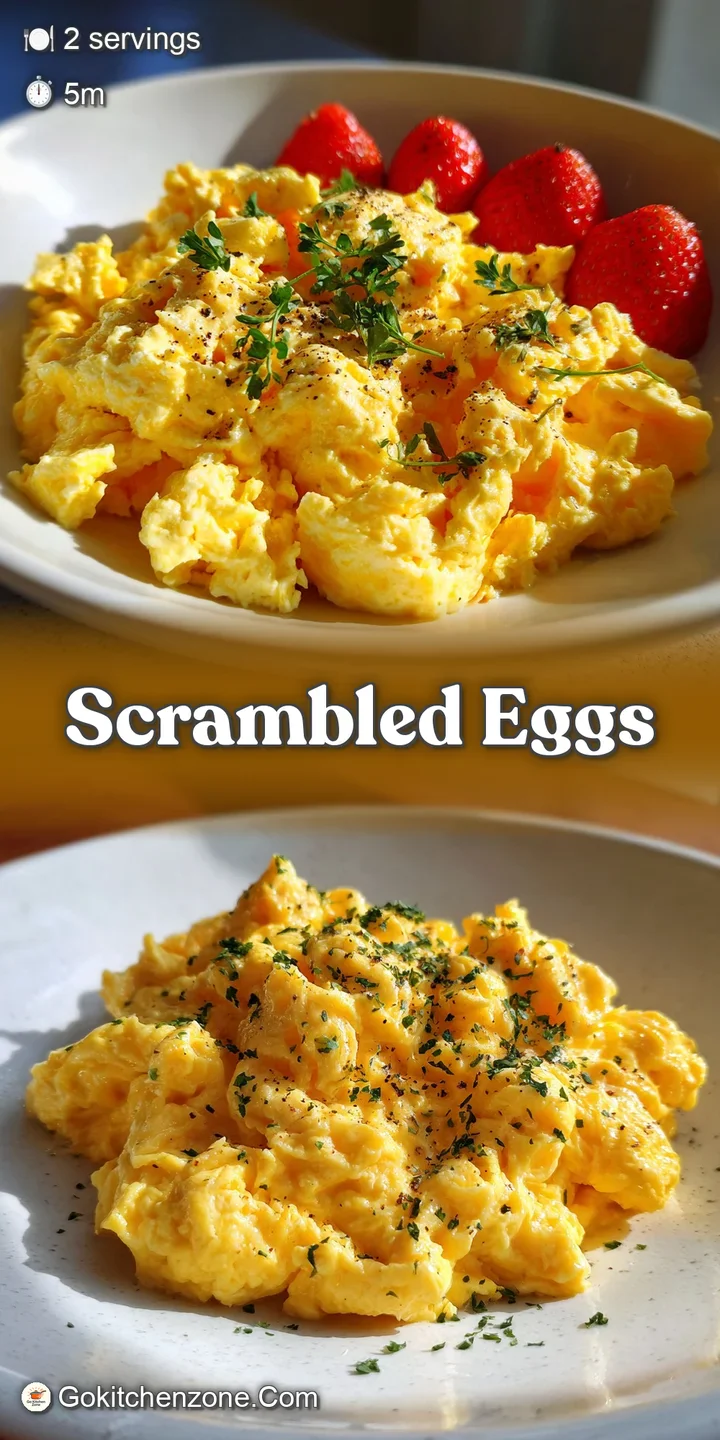
Scrambled Eggs: Velvety & Soft
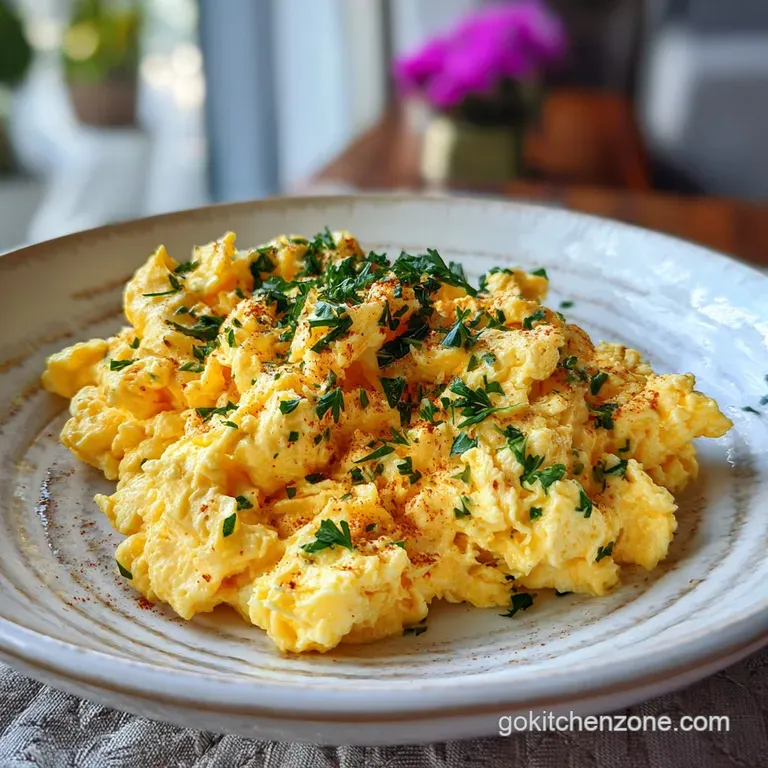
- Time: Active 2 minutes, Passive 3 minutes, Total 5 minutes
- Flavor/Texture Hook: Silky, buttery, and incredibly soft
- Perfect for: Busy mornings, budget meal prep, or a quick protein boost
- Understanding Thermal Egg Protein Reactions
- Key Recipe Specifications and Numbers
- Cheap Components for Better Texture
- Essential Tools for Soft Curds
- Steps for a Velvety Finish
- Fixing Common Scrambled Egg Errors
- Budget Swaps and Flavor Hacks
- Smart Storage and Leftover Survival
- Simple Garnish for Cheap Meals
- Scrambled Eggs FAQs
- 📝 Recipe Card
Understanding Thermal Egg Protein Reactions
The secret to why this works is simple physics. When you beat eggs, you’re basically untangling protein strands and forcing air into the mix. To make scrambled eggs fluffy, you need to trap that air and moisture before the heat causes the proteins to bond too tightly and squeeze out all the liquid.
- Coagulation Control
- Slow heating allows proteins to form a loose mesh that holds water, resulting in a tender curd.
- Steam Expansion
- The small amount of milk creates steam pockets as it heats, which physically lifts the egg structure from within.
- Emulsion Stability
- Whisking the 1 tbsp of whole milk thoroughly ensures the fat and water don't separate during the quick cook time.
- Carryover Magic
- Removing the pan from the heat while the eggs still look slightly wet prevents the rubbery "overcook" phase.
| Method | Cook Time | Texture Result | Best For |
|---|---|---|---|
| Stovetop | 3 minutes | Velvety and custardy | Quick solo breakfast |
| Oven | 15 minutes | Airy and soufflé like | Feeding a whole family |
If you’re looking for a hearty way to use these skills for a crowd, you should check out my Christmas Morning Breakfast recipe which uses a similar logic for the egg base.
Key Recipe Specifications and Numbers
When you are on a budget, precision is your best friend because it prevents waste. I’ve found that using 4 large eggs is the sweet spot for a standard 8 inch skillet; any more and they take too long to set, any fewer and they thin out and overcook instantly.
You want to aim for three specific checkpoints: whisking for exactly 30 seconds to incorporate air, keeping your pan at a medium low heat, and pulling the pan off the heat while the eggs are 90% set.
Chef's Tip: Freeze your butter for 10 minutes before starting. Grating cold butter directly into the whisked eggs creates tiny pockets of fat that melt slowly, creating a much more tender result than just melting it in the pan.
Cheap Components for Better Texture
You don't need fancy ingredients here. We are using 4 large eggs, which are arguably the most cost effective protein you can buy. Adding just 1 tbsp of whole milk provides enough fat to keep the proteins from clumping too hard.
If you're out of milk, even a splash of water works because the steam will still provide that "lift" you need to make scrambled eggs fluffy and light.
| Ingredient | Science Role | Pro Secret |
|---|---|---|
| 4 Large Eggs | Structural Base | Use room temp eggs to prevent the pan temperature from crashing. |
| 1 tbsp Unsalted Butter | Fat Lubricant | Adds a nutty flavor that oil just can't replicate. |
| 1/4 tsp Sea Salt | Protein Relaxant | Salt breaks down protein bonds, making the final texture softer. |
Essential Tools for Soft Curds
For the best results, skip the whisk once you get to the stove. A heat resistant silicone spatula is your MVP here. It allows you to sweep the bottom of the pan completely, ensuring no thin layer of egg gets left behind to brown and toughen.
A non stick skillet is also non negotiable if you want to save your sanity during cleanup nobody wants to scrub dried egg off stainless steel on a Monday morning.
For the Base
Start with a clean bowl and a fork or small whisk. You want to beat the 4 large eggs with the 1/8 tsp pepper and 1/4 tsp salt until no streaks of white remain. This ensures a uniform color and texture throughout the entire dish.
For the Fluff Factor
The 1 tbsp of whole milk needs to be fully integrated. Don't just swirl it in; beat it until the mixture looks slightly frothy. Those tiny bubbles are the architects of your fluffy breakfast.
For the Sauté
The 1 tbsp of unsalted butter should just barely sizzle when it hits the pan. If it browns instantly, your heat is too high. Lower it down we want a gentle melt, not a sear.
Steps for a Velvety Finish
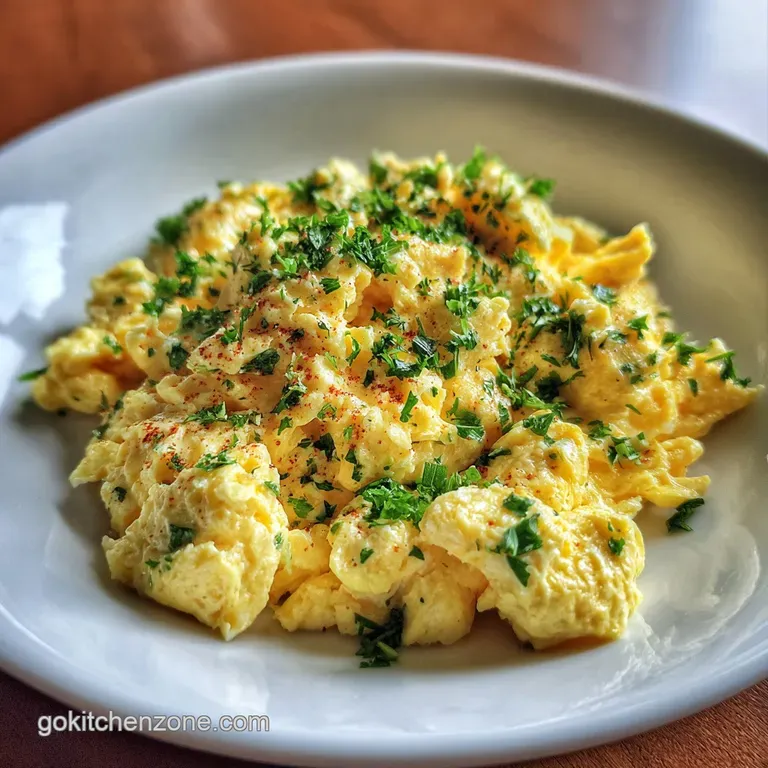
- Whisk eggs. Combine the 4 large eggs, milk, salt, and pepper in a bowl. Note: Beating for a full minute adds extra air for volume.
- Prep pan. Place your non stick skillet over medium low heat and add the butter.
- Melt butter. Wait until the butter is melted and foamy but not brown.
- Pour mixture. Add the egg mixture to the center of the pan.
- Initial set. Let the eggs sit undisturbed for about 20 seconds until the edges look opaque.
- Sweep curds. Use a spatula to push the cooked edges toward the center.
- Fold gently. Continue pushing and folding the liquid eggs into the cooked sections until soft mounds form.
- Off heat finish. Remove the pan from the heat when the eggs look shiny and slightly underdone.
- Final rest. Let them sit in the warm pan for 30 seconds to finish cooking.
- Plate up. Slide them onto a warm plate immediately to stop the cooking process.
| Original Ingredient | Substitute | Why It Works |
|---|---|---|
| 1 tbsp Whole Milk | 1 tbsp Water | Water creates steam for lift. Note: Result is less creamy but very airy. |
| 1 tbsp Unsalted Butter | 1 tbsp Margarine | Similar fat content. Note: Flavor is less rich; watch for higher salt content. |
| 4 Large Eggs | 1 cup Egg Whites | High protein, low-fat. Note: Will be much firmer; add a dash of oil. |
Using the right fat is a huge hack for better flavor. If you find yourself enjoying the process of making these, you might want to try your hand at a French Toast in recipe next time you have leftover bread, as the egg to milk ratio logic is very similar.
Fixing Common Scrambled Egg Errors
One of the biggest mistakes I see is people being afraid of the "wet" look. If they look done in the pan, they will be dry on the plate. Carryover cooking is real! The heat trapped in the curds will keep cooking the eggs for at least a minute after you plate them.
To Avoid Rubbery Texture
If your eggs feel like a bouncy ball, you likely cooked them over high heat. High heat causes the protein molecules to snap together tightly, squeezing out the water. To fix this, always stick to medium low and be patient. It only takes 3 minutes!
To Fix Watery "Weeping" Eggs
If a puddle of water forms on your plate, it’s usually because of salt timing or overcooking. Salt acts as a tenderizer if added early, but if you overcook the eggs, they will still "weep." Pull them off the heat sooner next time.
| Problem | Root Cause | Solution |
|---|---|---|
| Brown patches | Heat is too high | Lower heat and move eggs constantly. |
| Tiny, grainy curds | Stirring too fast | Use long, slow sweeps with the spatula. |
| Flat and dense | Not enough whisking | Beat eggs until bubbly before hitting the pan. |
Common Mistakes Checklist
- ✓ Never use a cold pan; let the butter foam first.
- ✓ Don't walk away; scrambled eggs need your full attention for 180 seconds.
- ✓ Avoid high heat; "low and slow" is the survival mantra for eggs.
- ✓ Use a non stick surface to prevent the "egg glue" effect.
- ✓ Season at the beginning to help the proteins stay relaxed.
Budget Swaps and Flavor Hacks
If you want to make scrambled eggs fluffy restaurant style without the restaurant price, try the "cold butter" trick. Instead of melting all the butter in the pan, whisk half of it (cold and cubed) into the eggs. As the eggs cook, the butter melts slowly, creating an emulsion that is incredibly creamy.
To scale this recipe down for one person, just use 2 eggs and a teaspoon of milk. The cook time will drop to about 90 seconds, so stay alert! To scale up for 4 people (8 eggs), use a larger 12 inch pan.
Don't double the butter exactly 1.5 tablespoons is usually enough for a larger batch to keep it from getting greasy.
- If you want a diner vibe, whisk the eggs with a fork until very uniform and cook over medium heat for slightly firmer curds.
- If you want a French style, use a silicone whisk in the pan and move it constantly for tiny, custard like curds.
- If you want to save money, omit the milk and use a splash of the liquid from a jar of mild peppers for a free flavor kick.
Smart Storage and Leftover Survival
I’ll be honest: scrambled eggs are best eaten within minutes. However, if you have leftovers, don't toss them! Store them in an airtight container in the fridge for up to 2 days. To reheat, don't use the microwave unless you want a rubber tire.
Instead, put them back in a non stick pan with a tiny drop of water over low heat just until warmed through.
For a zero waste hack, if you find your eggs are a bit too dry the next day, chop them up and toss them into a quick fried rice or fold them into a breakfast burrito with some cheap beans and salsa. It masks the texture change perfectly.
I don't recommend freezing scrambled eggs as the cell structure breaks down and they become very watery upon thawing.
Simple Garnish for Cheap Meals
You don't need truffles to make a plate look good. A simple sprinkle of extra freshly cracked black pepper or some chopped green onion tops (which you can regrow in a glass of water for free!) adds a pop of color and freshness.
One myth I hear all the time is that you shouldn't salt eggs before cooking because it makes them tough. That's actually the opposite of the truth! Salt helps prevent the proteins from bonding too tightly. Another one is that you need heavy cream for fluffiness. Nope.
Air and temperature control do the heavy lifting; the cream just adds fat.
Focus on the technique, keep your heat low, and you'll be able to make scrambled eggs fluffy every single time without spending a fortune. It's the ultimate kitchen win.
Scrambled Eggs FAQs
What is the key to fluffy scrambled eggs?
Gentle heat and constant movement. Low to medium low heat prevents overcooking, while gently pushing and folding with a spatula traps air and moisture for a tender, fluffy texture.
Is water or milk better for fluffy eggs?
Both work, but milk offers more richness. Water creates steam for lift, keeping eggs light. Milk adds a touch of creaminess and fat for a softer curd, but water is a fine substitute for pure fluffiness.
How to make Gordon Ramsay fluffy scrambled eggs?
Start with cold butter whisked into eggs. Melt the butter mixture over medium low heat, stirring constantly with a spatula, and remove from heat while still slightly wet, letting carryover heat finish cooking.
How do eggs become fluffy?
By trapping air and steam during cooking. Whisking incorporates air, and cooking on gentle heat with constant movement allows steam from the liquid to expand, creating light, fluffy curds.
Should I add salt before or after cooking?
Add salt before cooking. Salt actually helps relax the egg proteins, leading to a more tender texture. Adding it too late can make them weep moisture.
What is the best pan for scrambled eggs?
A non-stick skillet is ideal. This prevents the eggs from sticking and burning, making it easier to achieve consistent curds and reducing cleanup hassle.
Why are my scrambled eggs rubbery?
You likely cooked them too hot or too long. High heat causes the proteins to seize up quickly, squeezing out moisture and resulting in a tough, rubbery texture.
Fluffy Scrambled Eggs 2
Ingredients:
Instructions:
Nutrition Facts:
| Calories | 198 kcal |
|---|---|
| Protein | 12.9 g |
| Fat | 15.4 g |
| Carbs | 1.1 g |
| Fiber | 0 g |
| Sugar | 0.8 g |
| Sodium | 315 mg |
