Fluffy Eggs: Velvety and Light
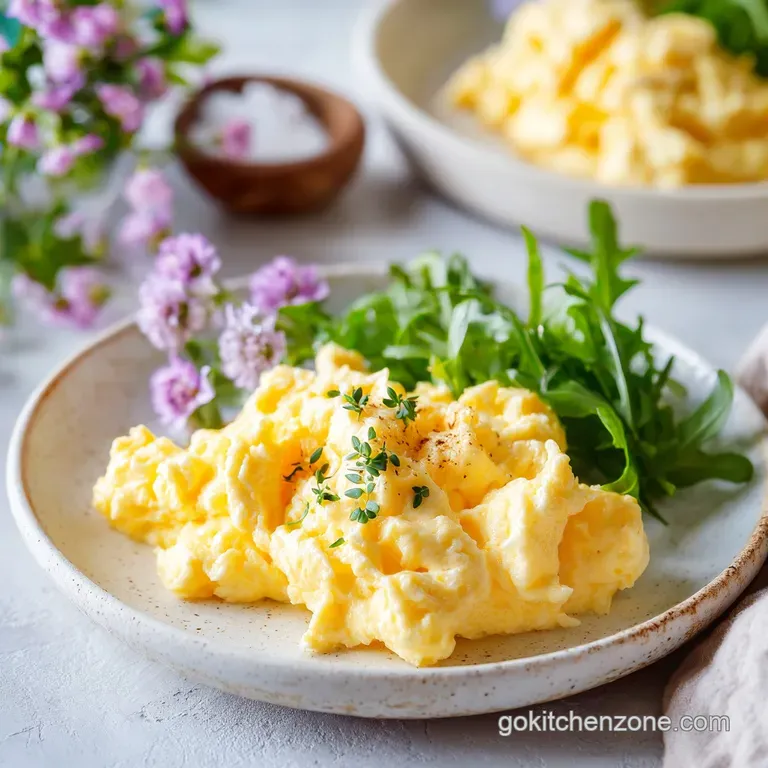
- Time: Active 2 mins, Passive 3 mins, Total 5 mins
- Flavor/Texture Hook: Velvety and light
- Perfect for: Busy weeknight dinners or a quick budget-friendly breakfast
- Discover the Secrets Behind Making Fluffy Eggs Every Morning
- The Science of the Steam Pocket
- The Quick Specs for Your Fast Breakfast Plan
- Gathering Every Cheap Ingredient for Better Results
- Simple Tools Required for a Fast Morning Routine
- Simple Steps for Achieving a Silky Scrambled Finish
- Fix Common Errors for Smooth Results Every Time
- Adjusting Amounts for Large Families or Solo Breakfasts
- Debunking Old Tales About Morning Egg Preparation
- Practical Guidelines for Keeping Your Leftovers Fresh
- Best Ways to Plate and Eat Your Breakfast
- Recipe FAQs
- 📝 Recipe Card
Discover the Secrets Behind Making Fluffy Eggs Every Morning
I still remember the first time I actually enjoyed breakfast at home. For years, I survived on those rubbery, yellow pucks that looked more like sponges than food. I thought "chef style" breakfast was just for people with expensive culinary degrees.
Then, I realized the biggest mistake I once made was overworking the pan. One morning, late for work and trying to save a few cents, I swapped my heavy cream for a splash of cold water and stopped stirring like a maniac. The result? A plate of literal clouds.
It’s brilliant how the simplest hacks often yield the most impressive results. You don't need a high end kitchen to make eggs fluffy; you just need to understand how heat interacts with moisture.
This recipe is my go to when I need to feel like I'm winning at life without spending more than a dollar on ingredients. We're going to use basic science to create pockets of air that stay trapped even after the heat is off.
Most people think you need heavy fats or baking soda to get that lift. Honestly, don't even bother with those unless you're making a specific bake. For a standard scramble, the secret is all in the steam.
By the time you finish reading this, you’ll know exactly how to make eggs fluffy using nothing but what’s already in your fridge. Let’s crack on and get that pan heating up.
The Science of the Steam Pocket
The Steam Engine Effect: When cold water hits a hot, buttered pan, it rapidly evaporates, creating tiny steam bubbles that lift the protein structure. This mechanical aeration ensures the proteins set around air pockets before they can collapse into a dense mass.
| Cooking Method | Time | Texture | Best For |
|---|---|---|---|
| Stovetop | 3 mins | Velvety and soft | Fast weeknight meals |
| Oven | 15 mins | Firm and bouncy | Large brunch crowds |
| Microwave | 2 mins | Spongy and quick | Office lunch survival |
Before we move into the specifics of the components, it's worth noting that if you enjoy this texture, you'll love the technique in my Fluffy Scrambled Eggs recipe. The goal here is to keep the heat low enough that the water doesn't just vanish before the eggs can "grab" it.
The Quick Specs for Your Fast Breakfast Plan
| Component | Science Role | Pro Secret |
|---|---|---|
| Large Eggs | Protein structure | Use room temp for faster lift |
| Cold Water | Steam generation | Tap water is fine; no need for fancy liquids |
| Unsalted Butter | Fat lubrication | Add when pan just starts to hiss |
The interaction between the water and the fat is what prevents the eggs from becoming tough. While some people swear by milk, using water is actually a better budget hack because it doesn't mask the natural flavor of the eggs.
Gathering Every Cheap Ingredient for Better Results
- 4 Large Grade A Eggs Why this? Provides the essential protein base for structural integrity.
- 1 tbsp Unsalted Butter Why this? Prevents sticking while adding a rich, nutty aroma.
- 1 tsp Cold Water Why this? Creates the steam necessary for mechanical lift.
- 0.25 tsp Fine Sea Salt Why this? Seasons the proteins and helps break down sulfur bonds.
- 1 pinch Freshly cracked white pepper Why this? Adds heat without leaving black specks in the finish.
If you're out of butter, you can use 1 tbsp of neutral oil, but the flavor won't be as rich. You can also use milk as a substitute for water if you want a creamier, denser finish, though it won't be quite as airy.
Simple Tools Required for a Fast Morning Routine
You don't need a drawer full of gadgets to make eggs fluffy. A basic 8 inch non stick skillet is your best friend here. I personally use a T fal pan because it's cheap and does the job perfectly. You'll also need a silicone spatula to sweep the curds without scratching your pan.
A small glass bowl and a fork (or a whisk if you’re feeling fancy) are all that's left.
Avoid using stainless steel pans for this unless you are a literal pro at heat management. Eggs love to stick to steel, and you'll end up scrubbing the pan for longer than it took to cook the meal.
A silicone spatula is better than a metal one because it allows you to get into the "corners" of the pan where the eggs tend to thin out and overcook.
Simple Steps for Achieving a Silky Scrambled Finish
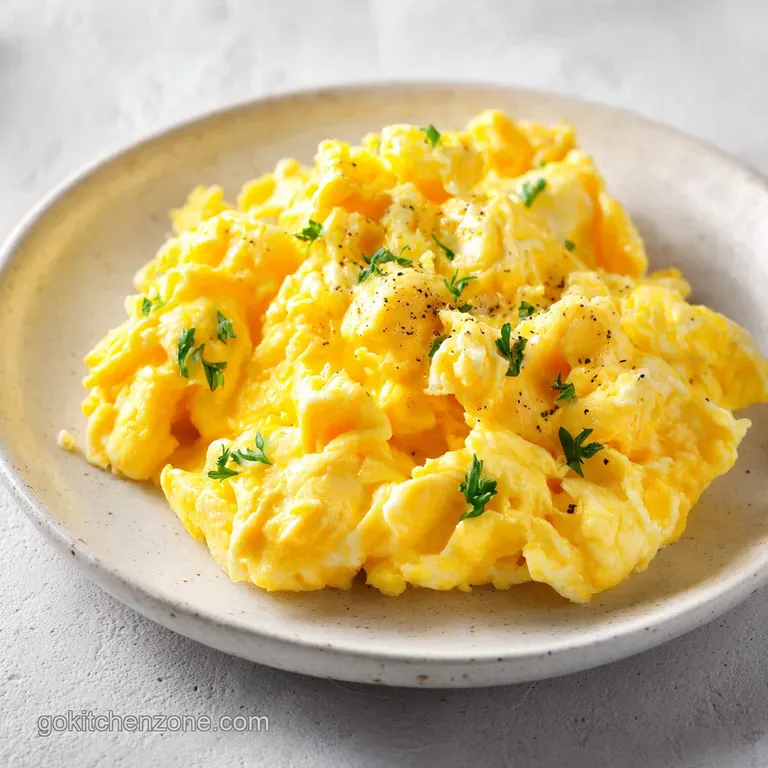
- Crack 4 Large Grade A Eggs into a bowl. Note: Cracking on a flat surface prevents shell fragments.
- Add 1 tsp Cold Water and 0.25 tsp Fine Sea Salt.
- Whisk vigorously for 30 seconds until the mixture is uniform and bubbly.
- Heat 1 tbsp Unsalted Butter in a non stick skillet over medium low heat until it starts to sizzle.
- Pour the egg mixture into the center of the pan.
- Wait 10 seconds until the edges begin to set slightly.
- Sweep the spatula from the outside in, creating large, soft curds.
- Fold the eggs gently rather than stirring constantly to keep the air inside.
- Remove from heat when they look slightly wet until the carryover heat finishes the job.
- Season with 1 pinch Freshly cracked white pepper and serve immediately.
Chef's Tip: Freeze your butter for 10 minutes before adding it to the pan. Small, cold bits of fat take longer to melt, creating extra pockets of flavor and moisture as the eggs cook around them.
Fix Common Errors for Smooth Results Every Time
Why Your Scramble is Leaking Liquid
This usually happens because of overcooking. When egg proteins are heated too long, they tighten up and squeeze out the moisture you worked so hard to put in. It's called syneresis. The "weeping" on the plate is a sign the heat was either too high or the eggs sat in the pan too long.
| Problem | Root Cause | Solution |
|---|---|---|
| Rubbery texture | Heat was too high | Cook on medium low and remove early |
| Flat and dense | Not enough whisking | Whisk until bubbles form on top |
| Stick to pan | Pan wasn't preheated | Wait for the butter to sizzle first |
If you find yourself struggling with consistency, it might be the way you're handling the heat. Similar to making a Velvety Custard recipe, patience is your biggest asset.
Common Mistakes Checklist:
- ✓ Stop stirring constantly; let the curds form for 5-10 seconds between sweeps.
- ✓ Don't salt the eggs too early; do it right before they hit the pan.
- ✓ Always use cold water, not warm, to delay the evaporation process.
- ✓ Remove the pan from the burner when the eggs look 90% done.
- ✓ Use a pan that fits the volume; 4 eggs in a massive skillet will thin out and dry.
Adjusting Amounts for Large Families or Solo Breakfasts
If you're cooking for one, just halve everything. Use 2 eggs and a tiny splash of water. Keep the cooking time the same, but be more vigilant since a smaller mass cooks faster. For a crowd, you can double the recipe to 8 eggs. However, I suggest working in batches if your pan is smaller than 12 inches.
When doubling the recipe, only increase the salt to 1.5x the original amount (about 0.35 tsp) to avoid over seasoning. For the fat, 1.5 tbsp of butter is usually enough for 8 eggs. If you are scaling up for a holiday brunch, consider using the technique found in my Chicken and Dumplings recipe for managing large volumes of protein without losing that tender texture.
| Premium Ingredient | Budget Alternative | Flavor Impact | Savings |
|---|---|---|---|
| Heavy Cream | Cold Water | Lighter, less rich | Saves $4.00 |
| European Butter | Store Brand Margarine | Less nutty aroma | Saves $2.50 |
| Fresh Herbs | Dried Parsley | Less "pop" but fine | Saves $3.00 |
Debunking Old Tales About Morning Egg Preparation
Many people think you must add milk to make eggs fluffy. That's actually a myth. Milk contains solids and sugars that can brown too quickly and actually make the eggs heavier. Water is the superior choice for pure lift because it turns to steam faster.
Another common misconception is that you need to whisk for minutes on end. In reality, over whisking can break down the protein strands too much, leading to a thin, watery result. You just need to incorporate enough air so that the yellow and white are fully combined.
Practical Guidelines for Keeping Your Leftovers Fresh
Storage: You can keep cooked eggs in the fridge for up to 3 days in an airtight container. Honestly, they are never quite as good as fresh, but they survive a quick reheat.
Reheating: Use the microwave at 50% power in 20 second bursts. Adding a tiny drop of water before reheating helps revive the steam pockets. Avoid high heat, or you'll turn your clouds into rubber bands.
Zero Waste: If you have leftover scramble that’s looking a bit sad, don’t toss it! Chop it up and throw it into some fried rice or fold it into a breakfast burrito. Even the "mistake" batches can be saved with a little hot sauce and a tortilla.
Best Ways to Plate and Eat Your Breakfast
Presentation doesn't have to be expensive. A simple sprinkle of chives or even just extra white pepper makes a world of difference. I love serving these on a piece of charred sourdough toast. The crunch of the bread against the velvety eggs is a texture dream.
- If you want a classic feel, serve with crispy bacon and a side of fruit.
- If you want a kick, drizzle with sriracha or a spoonful of salsa macha.
- If you want it fancy, add a tiny dollop of crème fraîche right before serving.
Getting the perfect plate of Fluffy Eggs is a skill that will serve you for life. It’s the ultimate cheap luxury. Trust me, once you see how those curds fold over themselves like silk, you'll never go back to the rubbery version again. Enjoy your breakfast!

Recipe FAQs
How do you get eggs fluffy?
Add a teaspoon of cold water before whisking. The water turns to steam when it hits the hot pan, creating tiny air pockets that lift the protein structure before it sets.
What makes eggs fluffy, water or milk?
Water is better for maximum fluffiness. Milk adds density due to its fat and protein content, whereas water rapidly converts to steam, mechanically creating more lift.
How do you mix eggs until they are fluffy?
Whisk vigorously for 30 seconds until uniform and bubbly. You want to incorporate air, but stop before the mixture looks overly thin or watery.
What is the 3 3 3 method for eggs?
This is not a standard technique for fluffy eggs, but a common confusion with folding methods. For fluffiness, focus on low heat and gentle folding in 5-10 second intervals after the base sets, similar to the technique used for a Homemade Cinnamon Rolls recipe where gentle folding is key.
Should I use high heat to cook fluffy eggs quickly?
No, always use medium low heat. High heat causes the egg proteins to seize up rapidly, squeezing out the moisture and resulting in dense, rubbery eggs.
Is it true you should only salt eggs right before cooking?
Yes, salt should be added just before the eggs hit the pan. Salting too early can break down the proteins, leading to a thinner final consistency that resists fluffing.
Can I use an alternative fat instead of butter for fluffier results?
Yes, but butter provides superior flavor and lubrication. While you can use oil, the small amount of fat in butter helps control the heat transfer, which is crucial for achieving the right texture; you can apply this heat control principle when searing for our Crispy Honey Garlic recipe.
Fluffy Eggs In 5 Minutes
Ingredients:
Instructions:
Nutrition Facts:
| Calories | 195 kcal |
|---|---|
| Protein | 12.7 g |
| Fat | 15.4 g |
| Carbs | 0.8 g |
| Fiber | 0 g |
| Sugar | 0.8 g |
| Sodium | 430 mg |
