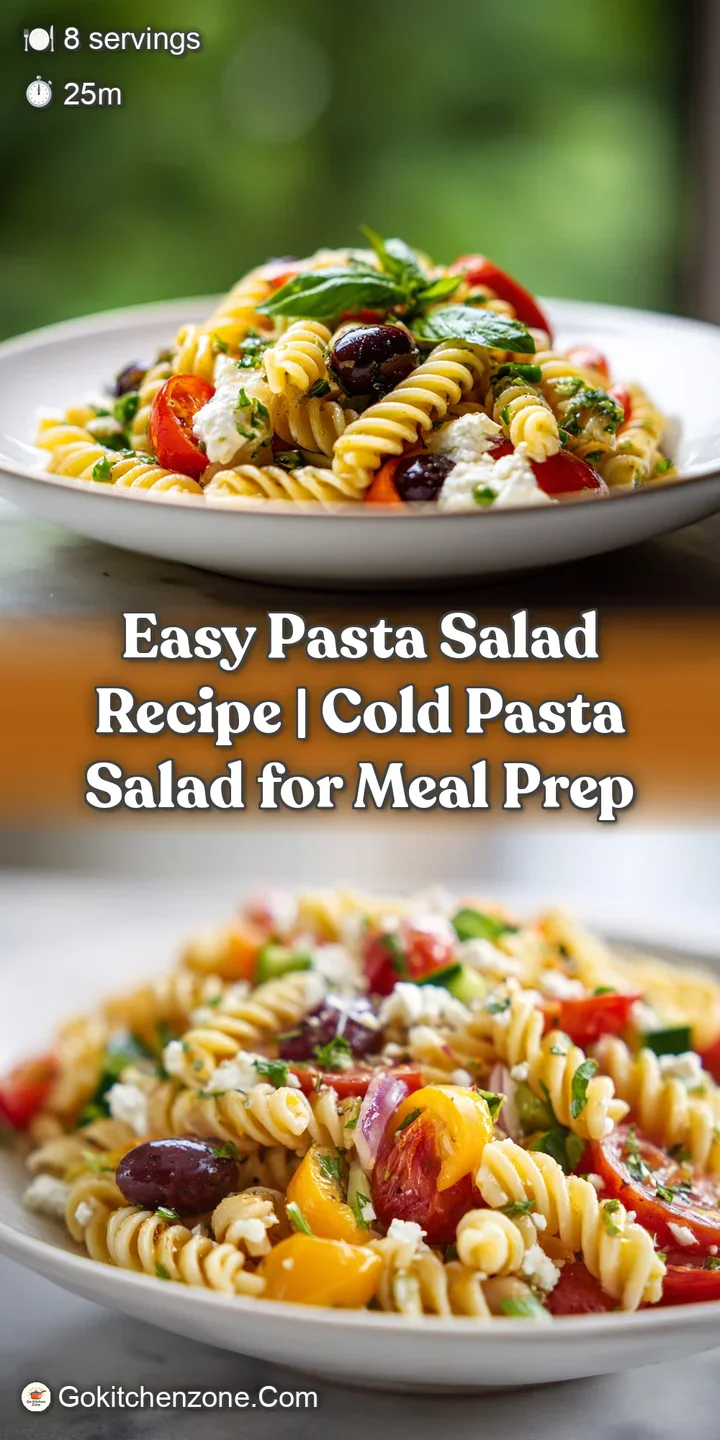
Easy Pasta Salad Recipe
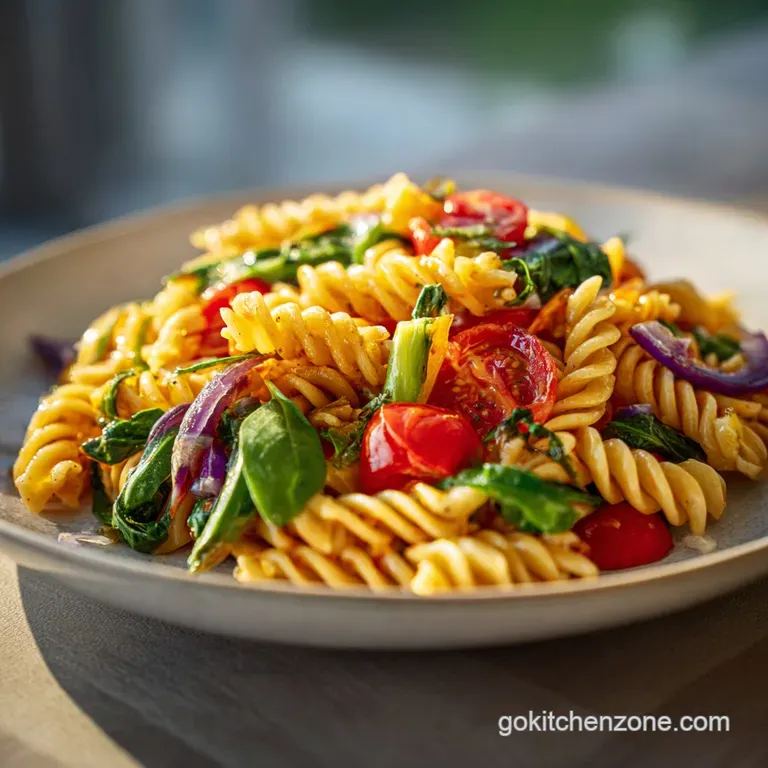
- Time: Active 15 minutes, Passive 10 minutes, Total 25 minutes
- Flavor/Texture Hook: Zesty, herby vinaigrette with crunchy vegetables and creamy feta cheese
- Perfect for: High efficiency meal prep, office desk lunches, and summer gatherings
- Mastering the Essential Technique for Vibrant Pasta Salad
- The Geometry of Dressing Adhesion
- Technical Specifications for the Ultimate Batch
- Selecting High Quality Ingredients on a Budget
- Tools Required for Efficient Meal Prep
- Step by Step Assembly for Maximum Flavor
- Resolving Common Texture and Flavor Issues
- Creative Adaptations for Different Dietary Needs
- Scientific Truths vs. Kitchen Myths
- Maintaining Freshness and Reducing Food Waste
- Ideal Pairings for a Balanced Lifestyle Meal
- Recipe FAQs
- 📝 Recipe Card
Mastering the Essential Technique for Vibrant Pasta Salad
The sharp, clean scent of red wine vinegar hitting warm pasta is the unofficial start of my Sunday prep ritual. I remember the exact moment I realized I had been doing this all wrong.
It was a Tuesday afternoon, and I was staring at a bowl of bloated, graying noodles that had absorbed every drop of dressing, leaving behind a gummy mess that tasted like nothing but sad wheat.
I almost gave up on cold noodles entirely until I started treating the process like a structural engineering project rather than just tossing things in a bowl.
If you are like me, you want a lunch that actually makes you feel good at 1 PM, not something that makes you want to crawl under your desk for a nap. The secret isn't just in the ingredients, it's in how we handle the starch and the moisture.
By the time you finish this, you'll understand why we never rinse the pasta under cold water and why the "two stage dress" is the only way to live. We're going for a lifestyle of efficiency here, not just a one off side dish.
This isn't about some fancy, complicated culinary school technique. It's about smart choices that give you the best results for the least amount of effort. I've tested this with different shapes, different vinegars, and different resting times.
What I'm sharing with you today is the bulletproof version that survives the fridge and actually tastes better on day three. Let's get into the mechanics of why this works.
The Geometry of Dressing Adhesion
Understanding the science of your lunch helps you troubleshoot on the fly. When we talk about a cold dish like this, we're really talking about managing starch and emulsification.
- Surface Area Maximization: The ridges in rotini pasta aren't just for looks; they create physical "pockets" that trap the vinaigrette through capillary action, ensuring the flavor doesn't just slide off to the bottom of the bowl.
- Starch Retrogradation: Cooling the pasta slowly after a partial dressing allows the starches to firm up, which prevents the noodles from becoming mushy when they sit in the acidic dressing overnight.
- Amphiphilic Emulsification: The Dijon mustard acts as a bridge between the oil and vinegar, creating a stable sauce that coats the ingredients evenly rather than separating into a greasy puddle.
- Osmotic Flavor Infusion: Adding a portion of the dressing while the pasta is still slightly warm opens up the "pores" of the grain, allowing the salt and acid to penetrate the center of the noodle rather than just sitting on the surface.
| Prep Style | Texture Outcome | Flavor Profile | Best Use Case |
|---|---|---|---|
| Freshly Made | Firm, bright veggies | Sharp, acidic punch | Immediate BBQ serving |
| Shortcut (store-bought) | Softer, uniform | Muted, often sugary | Emergency last minute meal |
| Smart Prep (Overnight) | Integrated, chewy | Mellowed, deep herbs | Weekly desk lunches |
The choice between fresh and prep depends entirely on your schedule, but for the most integrated flavor, I always recommend at least a two hour rest. This gives the dried oregano and red pepper flakes time to bloom in the oil, changing the profile from "acidic" to "complex." If you want to expand your repertoire, this logic also applies to my Healthy Tuna Pasta Salad recipe, which uses a similar veggie forward structure.
Technical Specifications for the Ultimate Batch
When we're talking about a batch that serves eight people, we need to be precise. This isn't the time to eyeball your measurements, especially with the dressing ratios. A poorly balanced vinaigrette can make the whole dish feel heavy and oily.
| Component | Scientific Role | Pro Secret |
|---|---|---|
| Red Wine Vinegar | Acid Catalyst | Macerate the minced garlic in the vinegar for 5 minutes first to remove the raw "bite." |
| Dijon Mustard | Emulsifier | Use a high-quality creamy Dijon to ensure the oil and vinegar stay bonded for days. |
| Sea Salt | Seasoning & Texture | Heavily salt the boiling water (30g) to season the pasta from the inside out. |
| Extra Virgin Olive Oil | Fat & Mouthfeel | Choose a peppery oil to complement the feta cheese and Kalamata olives. |
Using the right fat to acid ratio is non negotiable. I use a slightly higher acid content than a standard salad dressing because the pasta and the starch will naturally mute the flavors as the dish cools. Trust me on the lemon juice addition, too; it provides a high note brightness that vinegar alone can't achieve.
Selecting high-quality Ingredients on a Budget
We want high impact results without spending a fortune. Smart swaps are the key to keeping this a regular part of your lifestyle. You don't need the most expensive imported olives to get a great result, but you do need to know where to spend your money.
- 450g (1 lb) dried rotini pasta: Why this? The spirals offer maximum surface area for dressing to cling to.
- 30g (2 tbsp) sea salt: Why this? Crucial for flavoring the pasta starch during the boil.
- 120ml (1/2 cup) extra virgin olive oil: Why this? Provides the healthy fats and silky mouthfeel.
- 60ml (1/4 cup) red wine vinegar: Why this? The primary acid that cuts through the starch.
- 15ml (1 tbsp) fresh lemon juice: Why this? Adds a fresh citrus layer to the vinaigrette.
- 5ml (1 tsp) Dijon mustard: Why this? The essential glue for a stable emulsion.
- 2 cloves garlic, minced fine: Why this? Provides the aromatic base for the Mediterranean vibe.
- 15ml (1 tbsp) dried oregano: Why this? Dried herbs hold up better than fresh in long term preps.
- 2.5ml (1/2 tsp) red pepper flakes: Why this? A subtle back end heat that keeps things interesting.
- 150g (1 cup) cherry tomatoes: Why this? They release less water than large tomatoes, preventing sogginess.
- 1 large English cucumber: Why this? Thinner skin and fewer seeds mean more crunch.
- 75g (1/2 cup) Kalamata olives: Why this? Adds essential saltiness and fermented depth.
- 60g (1/2 cup) red onion: Why this? Provides a sharp, crunchy contrast to the pasta.
- 75g (1/2 cup) green bell pepper: Why this? Adds a fresh, "green" bitterness that balances the feta.
- 170g (6 oz) feta cheese: Why this? Briny, creamy pockets of flavor in every bite.
- 10g (1/4 cup) fresh Italian parsley: Why this? A final burst of chlorophyll to brighten the look.
| Original Ingredient | Substitute | Why It Works |
|---|---|---|
| Red Wine Vinegar | Apple Cider Vinegar | Similar acidity. Note: Adds a slightly fruitier, sweeter undertone. |
| Feta Cheese | Sharp White Cheddar | Cubed small, it provides the same salty "hit" but with a different texture. |
| Kalamata Olives | Capers (30g) | High salt and acidity. Note: Better for those who dislike the texture of olives. |
If you are trying to keep costs down, buy your dried herbs in the bulk section. You'll save a fortune compared to those little glass jars. Also, don't feel pressured to use the priciest "reserve" olive oil here; a decent supermarket extra virgin is perfect because the other bold flavors like garlic and oregano will do the heavy lifting.
Tools Required for Efficient Meal Prep
You don't need a kitchen full of gadgets, but a few specific items make the process much smoother. Efficiency is about reducing friction, and having the right bowl and whisk is a start.
- Large Stockpot: You need at least 6 liters of space so the pasta can dance. If the pot is too small, the water becomes too starchy, and the noodles will stick together.
- Stainless Steel Whisk: Essential for forcing the oil and vinegar into a stable emulsion. A fork just won't cut it here.
- Extra Large Mixing Bowl: You want something much larger than the actual volume of the salad. This allows you to toss the ingredients vigorously without sending cherry tomatoes flying across the room.
- Sharp Chef's Knife: A dull knife will bruise your parsley and squish your tomatoes.
- Glass Storage Containers: If you're meal prepping, glass is superior to plastic. It won't absorb the smell of the garlic or the red onion, and it keeps the vegetables crisper.
Chef's Tip: Freeze your block of feta for 10 minutes before crumbling. This prevents it from turning into a paste and ensures you get distinct, beautiful chunks throughout the salad.
For the most efficient workflow, I like to have my dressing whisked and my veggies chopped before the pasta even hits the water. This is the "mise en place" philosophy having everything in its place and it’s a total sanity saver. This method is very similar to how I prep my Italian Pasta Salad recipe, where timing the dressing is everything.
step-by-step Assembly for Maximum Flavor
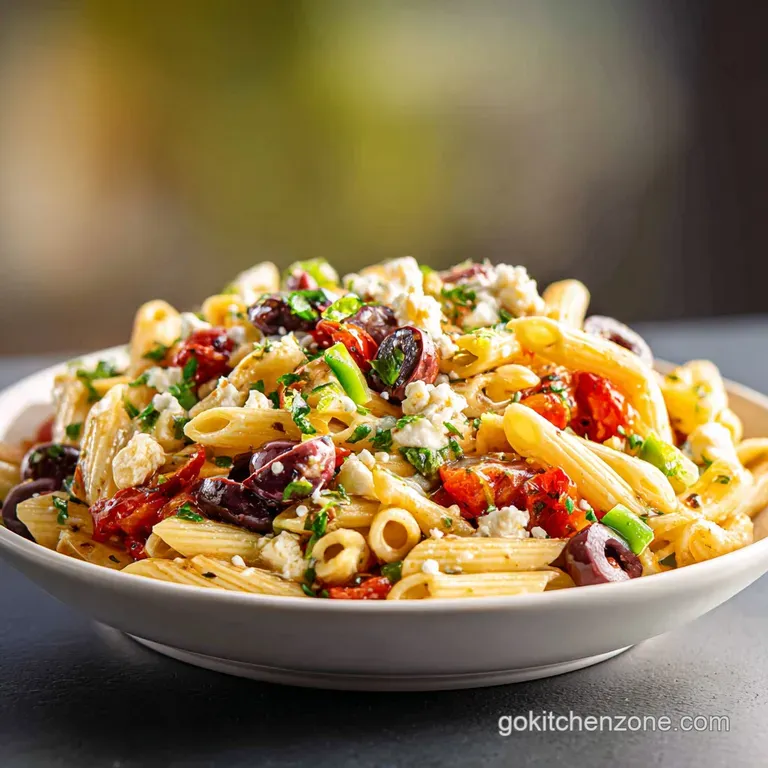
- Boil the water. Use a large pot and add your 30g of sea salt once it reaches a rolling boil. Note: Salted water is your only chance to season the actual dough of the pasta.
- Cook the rotini. Drop the 450g of pasta and cook for 8 to 9 minutes until firm to the bite (al dente). Do not overcook; the pasta will soften slightly as it marinates.
- Macerate the aromatics. While the pasta boils, whisk the 60ml red wine vinegar, 5ml Dijon, and 2 cloves of minced garlic in your large bowl. Let it sit for 5 minutes until the garlic scent mellows.
- Emulsify the dressing. Slowly stream in the 120ml olive oil while whisking constantly until the liquid is thick and opaque. Stir in the 15ml lemon juice, 15ml oregano, and 2.5ml red pepper flakes.
- Drain the pasta. Do NOT rinse. Let the pasta sit in the colander for exactly 60 seconds to steam off excess moisture until the noodles look matte rather than shiny.
- Execute the first dress. Add the warm pasta to the bowl with ONLY HALF of your dressing. Toss thoroughly. Note: The heat pulls the dressing into the pasta, creating a flavor base.
- Cool the base. Spread the partially dressed pasta on a baking sheet or leave it in the bowl to reach room temperature. Note: Adding vegetables to hot pasta will wilt them and make the salad watery.
- Prep the mix ins. Slice your tomatoes, cucumbers, onions, and peppers. Halve the olives.
- Final assembly. Once the pasta is cool, add all the vegetables, the 170g of feta, and the remaining dressing. Toss until every crevice of the rotini is coated.
- Garnish and rest. Fold in the chopped parsley. Let the salad sit for at least 30 minutes before serving until the flavors have fully married.
Resolving Common Texture and Flavor Issues
Even with the best plan, things can go sideways. The most common complaint with this dish is that it becomes dry or bland after a night in the fridge. This usually happens because the pasta continues to hydrate, pulling moisture from the dressing and leaving the oil behind.
The Problem of Thirsty Noodles
When your salad looks dry the next day, don't just add more oil. This will make it greasy. Instead, add a tablespoon of water or an extra splash of vinegar. This thins out the remaining oil and allows it to coat the noodles again.
Avoiding the Bitter Bite
Raw red onions can be aggressive. If you find them too sharp, soak the diced onions in ice water for 10 minutes, then pat them dry. This removes the sulfurous compounds that cause "onion breath" without losing the satisfying crunch.
Preventing a Watery Base
Cucumbers and tomatoes are high in water. If you're prepping this for a party 24 hours in advance, consider de seeding the cucumber. Use a spoon to scrape out the watery center before slicing. This keeps the dressing from becoming diluted.
| Problem | Root Cause | Solution |
|---|---|---|
| Gummy Pasta | Overcooking or rinsing | Cook 1 min less than package directions; never rinse with cold water. |
| Bland Flavor | Under salting the water | Add a pinch of salt to the final assembly and a squeeze of fresh lemon. |
| Soggy Vegetables | Adding to hot pasta | Ensure pasta is completely room temperature before mixing in veggies. |
Common Mistakes Checklist
- ✓ Never rinse your pasta; you need that surface starch to help the dressing stick.
- ✓ Don't skip the Dijon mustard; it's the only thing keeping your dressing from separating.
- ✓ Avoid "salad olives" in cans; stick to jarred Kalamata for the best fermented depth.
- ✓ Don't use dried parsley; it tastes like grass. Only use fresh Italian parsley for the finish.
- ✓ Wait to add the feta until the very end to prevent it from breaking down into a white "sludge."
Creative Adaptations for Different Dietary Needs
One of the reasons I love a good Pasta Salad is its versatility. You can pivot the flavor profile based on what's in your pantry or who is coming over for dinner. The structure remains the same, but the "accessories" change.
If you are looking for a lighter, more refreshing side that doesn't involve heavy carbs, my Creamy Cucumber Salad recipe is a fantastic alternative for summer BBQs. However, if you want to stick with the pasta but need a change of pace, consider these variations.
- For a Protein Packed Meal: Fold in two cans of drained chickpeas or a pound of grilled, sliced chicken breast. This turns a side dish into a complete, balanced lifestyle meal.
- To Make It Vegan: Simply omit the feta or swap it for a high-quality almond based feta alternative. Increase the olives and add some capers to maintain that salty, briny hit.
- For a Summer Backyard BBQ: Add diced salami and smoked provolone cubes. This gives it a "Sub Sandwich" vibe that is always a hit with a crowd.
Decision Shortcut: If you want maximum crunch, double the bell peppers and use Persian cucumbers. If you want creamy luxury, toss in a handful of pine nuts and extra feta.
If you want zesty heat, double the red pepper flakes and add sliced pepperoncini.
Scientific Truths vs. Kitchen Myths
Let's clear the air on a few things I see people arguing about in cooking forums. Most of these "rules" are just habits passed down that don't actually hold up to the physics of cooking.
Myth 1: You must add oil to the boiling water. This is a waste of oil. It doesn't stop the pasta from sticking; it just floats on top of the water. When you drain the pasta, that oil coats the noodles and actually prevents your dressing from sticking later.
Just use a big enough pot of water and stir occasionally.
Myth 2: Rinsing pasta "stops the cooking." While it does lower the temperature, it also washes away the surface starch that acts as a natural glue for your vinaigrette. If you're worried about overcooking, just pull the pasta out of the water 60 seconds earlier and let it air cool.
Myth 3: Fresh oregano is always better than dried. In long marinated salads, dried oregano is actually superior. Fresh oregano can turn black and slimy when exposed to acid over 24 hours. Dried herbs "bloom" in the oil and provide a consistent, earthy flavor that holds up for days.
Maintaining Freshness and Reducing Food Waste
This recipe is designed for the long haul. In the fridge, it will stay fresh and safe for 4 to 5 days. I find day two is the "peak" for flavor integration.
Storage Guidelines: Store in an airtight glass container. If the pasta has absorbed too much dressing by day three, revive it with a tiny splash of water and a quick toss. I don't recommend freezing this dish.
The cellular structure of the cucumbers and tomatoes will collapse upon thawing, leaving you with a watery, mushy mess.
- Veggie Scraps
- Save the ends of your onions, peppers, and cucumber skins in a bag in the freezer. When the bag is full, boil them down for a quick vegetable scrap stock.
- Leftover Feta Brine
- Don't dump the liquid in the feta container! It's liquid gold. Use it to marinate chicken or add a splash to your next batch of hummus.
- Herb Stems
- The stems of the Italian parsley have even more flavor than the leaves. Mince them very finely and add them to the dressing instead of throwing them away.
Ideal Pairings for a Balanced Lifestyle Meal
While this is a meal on its own, it plays well with others. If you're hosting, you want sides that provide a contrast in texture or temperature. For a truly efficient week, I often make a big batch of this and pair it with a different protein every day to keep my desk lunches from getting boring.
- Grilled Lemon Herb Chicken: The charred flavor of the grill complements the acidity of the red wine vinegar.
- Crispy Chickpeas: For a vegetarian crunch, roast some chickpeas with salt and paprika and sprinkle them on top right before eating.
- Warm Crusty Bread: There is nothing better than using a piece of sourdough to swipe up the leftover feta infused dressing at the bottom of the bowl.
If you find yourself craving more cheese forward pasta after this, my Cheese Pasta One Pot recipe is a great way to use up any leftover feta or parsley in a completely different, warm context.
The beauty of this recipe is that it’s smarter, not harder. By understanding the starch and the timing, you've turned a simple salad into a reliable staple of your weekly routine. No more soggy lunches, no more bland noodles. Just bright, zesty, and efficient cooking that actually works.
Right then, let's get that water boiling.
Recipe FAQs
Should I rinse the pasta after cooking for pasta salad?
No, never rinse it. You need the surface starch left on the warm pasta to help the vinaigrette adhere properly.
How long can pasta salad safely be stored in the refrigerator?
Yes, 4 to 5 days is the safe window. The flavor often integrates best around the 24-hour mark, but avoid freezing as the vegetables will turn mushy.
Why does my pasta salad taste dry the next day?
This happens because the pasta continues absorbing moisture overnight. To revive it, gently toss the salad with a tablespoon of plain water or a tiny splash of extra vinegar to redistribute the remaining dressing.
How to achieve maximum flavor absorption in the pasta?
Apply half of the dressing to the pasta while it is still warm. This heat allows the starch structure to open up, pulling the salt and acid into the center of the noodle, which is a foundational technique you'll see applied in our Cajun Chicken Pasta recipe.
Is it true you must avoid adding tomatoes until the last minute?
Yes, this prevents a watery final product. Tomatoes release significant liquid when mixed with acid, so add them, along with the feta, only after the pasta has fully cooled.
How to create a dressing that won't separate after two days?
Whisk vigorously using Dijon mustard as your primary emulsifier. This stable emulsion, where the oil and acid are bonded, is key; if you nailed this whisking action, you've mastered the stability principle used in many creamy sauces.
Should I use fresh or dried herbs for a make-ahead salad?
Use dried herbs in the initial dressing and fresh ones for garnish. Dried oregano holds its flavor better when marinating for days, whereas fresh herbs can look slimy or turn dark after prolonged exposure to the acid.
Easy Pasta Salad Recipe
Ingredients:
Instructions:
Nutrition Facts:
| Calories | 418 kcal |
|---|---|
| Protein | 10.6 g |
| Fat | 21.2 g |
| Carbs | 47.3 g |
| Fiber | 2.8 g |
| Sugar | 3.1 g |
| Sodium | 485 mg |
