Easy Oven Ribeye Steak Recipe
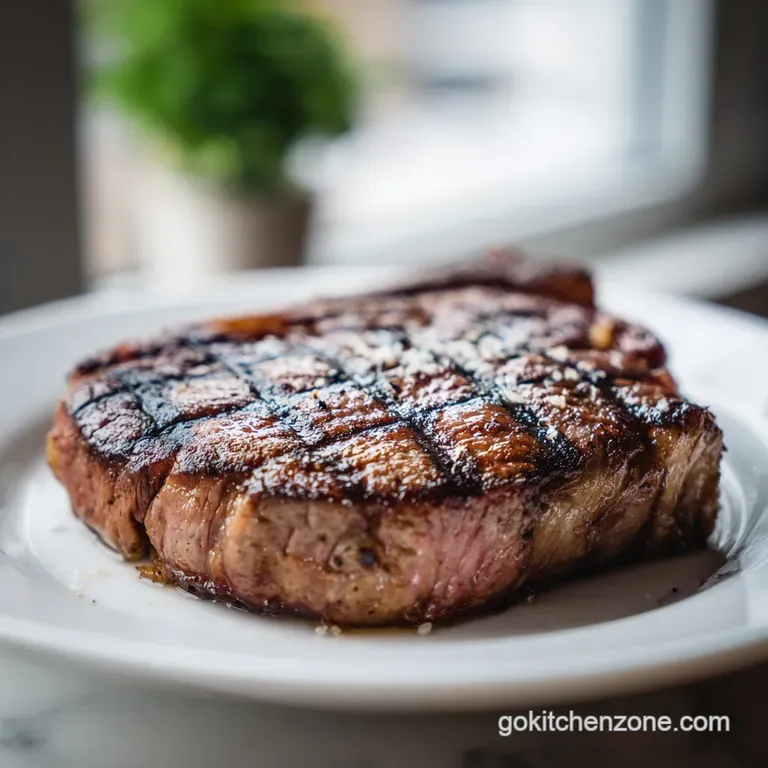
- Time: Active 10 minutes, Passive 10 minutes, Total 20 minutes
- Flavor/Texture Hook: Shattering salty crust with a buttery, velvety interior
- Perfect for: Date night or a high protein weeknight reward
- Mastering the Perfect Seared Ribeye Steak
- The Physics of the Crust
- Component Analysis and Pro Secrets
- Quality Ingredients and Substitutions
- Essential Gear for Searing
- The Perfect Searing Sequence
- Fixes for Common Mistakes
- Creative Flavor and Variation Ideas
- Scaling and Planning Adjustments
- Searing and Salt Truths
- Storage and Waste Reduction Tips
- Best Pairings for Your Meal
- Critically High in Sodium
- Ribeye Steak FAQs
- 📝 Recipe Card
Mastering the Perfect Seared Ribeye Steak
The second that cold beef hits the hot cast iron, you should hear a violent, rhythmic sizzle that sounds like applause. If it’s a pathetic hiss, the pan isn't hot enough, and we’re already in trouble. I remember the first time I splurged on a pair of beautiful 1.5 inch thick steaks.
I was so nervous about overcooking them that I barely let the pan get warm. The result was a depressing, gray piece of meat that tasted more like it had been boiled than seared. It was a $50 mistake I never made again.
Since then, I’ve learned that the secret to a world class rib steak eye isn't a fancy grill or a professional kitchen. It’s all about moisture control and heat management.
You want that exterior to undergo a total transformation turning from soft red muscle into a mahogany, crackling crust that shatters when your knife hits it. We aren't just "cooking" meat here; we’re engineering a texture contrast that makes every bite feel like a win.
Getting this right means ignoring some of the old school advice you might have heard. We're going to use a over high heat sear followed by a gentle butter baste to get that rich, nutty finish.
This recipe is designed to be reliable, whether you're a seasoned pro or someone who usually gets intimidated by thick cuts of beef. Let's get that skillet screaming hot and do this properly.
The Physics of the Crust
- The Maillard Reaction
- High heat triggers a chemical dance between amino acids and sugars, creating hundreds of new flavor compounds and that characteristic brown crust.
- Surface Dehydration
- Salt draws out surface moisture which then evaporates, allowing the steak to sear rather than steam in its own juices.
- Thermal Momentum
- Thick steaks continue cooking after they leave the heat, so pulling them early prevents the interior from turning into dry leather.
| Thickness | Internal Temp | Rest Time | Visual Cue |
|---|---|---|---|
| 1 inch | 130°F (Med Rare) | 5 mins | Deep brown, firm snap |
| 1.5 inches | 130°F (Med Rare) | 8 mins | Heavy crust, slight give |
| 2 inches | 130°F (Med Rare) | 10 mins | Charred exterior, soft center |
The resting period is non negotiable because it allows the muscle fibers to relax and reabsorb those velvety juices. If you slice it the second it leaves the pan, all that flavor just runs out onto the cutting board, leaving you with a dry dinner struggle.
Component Analysis and Pro Secrets
| Ingredient | Science Role | Pro Secret |
|---|---|---|
| Kosher Salt | Protein Denaturation | Season 45 mins early or right before hitting the pan. |
| Avocado Oil | High Smoke Point | Stays stable at 500°F, preventing a bitter, burnt oil taste. |
| Unsalted Butter | Emulsification & Flavor | Add at the end to prevent the milk solids from burning. |
Using the right fat is the biggest hurdle for most home cooks. Don't even think about using extra virgin olive oil for the initial sear; it will smoke you out of the kitchen and leave a funky, acrid film on your beautiful beef. Avocado oil is the workhorse here because it can take the heat without breaking down.
Quality Ingredients and Substitutions
To get the best results, start with the highest quality beef you can find. Look for heavy marbling those little white flecks of fat because that’s where the "melt in-your mouth" texture comes from.
- 2 Ribeye Steaks (1.5 inch thick, approx. 1 lb each):Why this? The thickness allows for a heavy sear without overcooking the center.
- Substitute: New York Strip. It’s leaner but handles the same over high heat technique well.
- 2 tbsp Avocado Oil:Why this? It has a 500°F smoke point, essential for the crust.
- Substitute: Grapeseed oil or Ghee. Both handle high heat beautifully.
- 2 tbsp Unsalted Butter:Why this? Adds a rich, nutty finish during the final basting phase.
- Substitute: Compound herb butter for an extra punch of flavor.
- 1.5 tbsp Kosher Salt:Why this? Larger grains make it easier to control the seasoning level.
- Substitute: Sea salt. Use slightly less if the grains are very fine.
- 1 tsp Coarsely Cracked Black Pepper:Why this? Provides a spicy, textured "bite" to the crust.
- Substitute: Peppercorn blend for a more complex, floral heat.
- 3 Garlic Cloves, smashed:Why this? Infuses the basting butter with a mellow, roasted aroma.
- Substitute: Garlic confit if you want a deeper, sweeter vibe.
- 2 sprigs Fresh Rosemary or Thyme:Why this? The oils release into the butter, scenting the entire steak.
- Substitute: Fresh oregano or even a pinch of dried herbs in a pinch.
Essential Gear for Searing
You don't need a kitchen full of gadgets, but a heavy bottomed pan is mandatory. A cast iron skillet is the gold standard because it holds onto heat like a beast. When you drop a cold steak into a thin aluminum pan, the temperature plummets, and you lose that chance at a crispy exterior.
You’ll also want a pair of long tongs. Steaks are heavy, and splashing hot oil is no joke. If you really want to be precise, grab an instant read meat thermometer. It takes the guesswork out of the equation so you aren't cutting into the meat to "check" and letting all the steam escape.
The Perfect Searing Sequence
- Prep the meat. Pat the steaks completely dry with paper towels. Note: Surface moisture is the enemy of a good sear.
- Season aggressively. Coat all sides, including the edges, with the salt and cracked pepper. Until the meat looks "frosted" with seasoning.
- Heat the skillet. Place your cast iron over high heat and add the avocado oil. Wait until the oil is shimmering and just starting to wisp with smoke.
- Start the sear. Lay the steaks in the pan away from you to avoid splashes. Note: Press down slightly to ensure total contact with the metal.
- Form the crust. Cook for 3-4 minutes without moving them. Until a dark, mahogany crust forms.
- Flip and repeat. Turn the steaks over. Cook another 3 minutes. Until the second side matches the first.
- Add the aromatics. Drop the butter, smashed garlic, and herb sprigs into the pan. Note: Tilt the pan so the melting butter pools at the bottom with the herbs.
- Baste the beef. Use a large spoon to pour the foaming butter over the steaks repeatedly for 2 minutes. Until the aroma is nutty and the garlic is golden.
- Check the temp. Pull the steaks when they hit 130°F for medium rare. The meat should feel like the fleshy part of your palm.
- Rest the steaks. Transfer to a warm plate and let them sit for 8 minutes. Note: This is when the juices redistribute for a velvety texture.
If you’re looking for easy ribeye steak recipes oven finishing is a great alternative for even thicker cuts, but for these 1.5 inch beauties, the pan does all the heavy lifting. If you find yourself craving a different flavor profile later in the week, this same searing technique works wonders for the Philly Cheesesteak Meat recipe if you slice the beef thin first.
Fixes for Common Mistakes
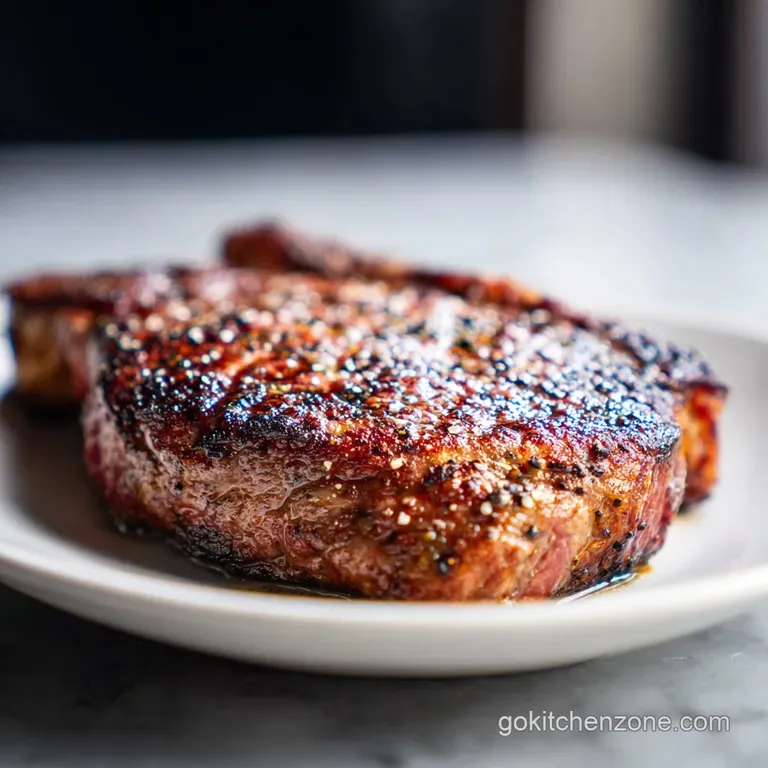
One of the most frustrating things is ending up with a "gray ring" that thick layer of overcooked meat surrounding a tiny pink center. This usually happens because the heat was too low for too long. You want to go hot and fast.
If your steak is "steaming" instead of searing, it’s usually because the pan was overcrowded or the meat was wet.
Avoiding the Dreaded Gray Ring
The gray ring is caused by heat penetrating too slowly. By using a screaming hot pan and flipping only once (before the butter stage), you maximize the temperature gradient. If you're worried about the center being cold, let the steaks sit on the counter for 30 minutes before cooking to take the chill off.
Preventing Bitter Garlic Bursts
Garlic burns fast. If you throw it in at the beginning with the oil, it will turn black and acrid. Always wait until the final two minutes of cooking when you add the butter. The butter lowers the pan temperature just enough to roast the garlic without incinerating it.
| Problem | Root Cause | Solution |
|---|---|---|
| No crust | Pan not hot enough | Wait for the oil to smoke before adding meat. |
| Tough meat | Not rested long enough | Allow a full 8-10 minutes before slicing. |
| Burnt butter | Added too early | Only add butter in the last 2 minutes of cooking. |
Common Mistakes Checklist
- ✓ Pat the beef dry with paper towels until the paper comes away clean.
- ✓ Don't skimp on the salt; a thick steak needs more than you think to season the center.
- ✓ Use a heavy pan like cast iron to maintain consistent thermal mass.
- ✓ Never crowd the pan; if the steaks are touching, they will steam.
- ✓ Use an instant read thermometer to avoid the "guess and stress" method.
Creative Flavor and Variation Ideas
Once you've mastered the basic sear, you can start playing with the finish. A classic "Blue Cheese Crust" is as simple as mashing some Gorgonzola with a bit of breadcrumbs and popping it under the broiler for 60 seconds after the steak has rested.
For those keeping it low carb, this is a naturally keto friendly powerhouse. You can swap the rosemary for fresh sage or even add a splash of balsamic vinegar to the butter baste for a tangy, bright finish. If you have leftovers, they are incredible when repurposed into a Minute Steak Recipe style stir fry the next day.
- If you want a smoky vibe, add a teaspoon of smoked paprika to your salt rub.
- If you want a spicy kick, finish the butter baste with a few red pepper flakes.
- If you want a citrus lift, grate some fresh lemon zest over the meat while it rests.
Scaling and Planning Adjustments
When cooking for a crowd, don't try to cram four steaks into one skillet. You’ll end up with a gray, soggy mess. Instead, work in batches. Sear two steaks, move them to a wire rack on a baking sheet, and keep them in a 200°F oven while you do the next batch.
- Scaling Down (1 person): Use a smaller 8 inch skillet and half the butter/oil. The cook time remains the same.
- Scaling Up (4+ people): Increase the salt and pepper to 1.5x. Use two pans simultaneously or sear in batches and finish in a 350°F oven until the desired internal temp is reached.
- Baking Batch: If finishing in the oven, reduce the stovetop time to 2 minutes per side and bake for 4-6 minutes.
| Method | Time | Texture | Best For |
|---|---|---|---|
| Pure Pan Sear | 10 mins | Maximum crust | 1.5 inch steaks or thinner |
| Sear & Oven | 15 mins | Even doneness | 2 inch thick "Cowboy" cuts |
| Reverse Sear | 45 mins | Edge to edge pink | Thick steaks with heavy marbling |
Searing and Salt Truths
One big myth is that searing "seals in the juices." Science tells us this isn't true; moisture is lost during the cooking process regardless. The reason we sear is purely for the flavor of the Maillard reaction. Another one is that you must bring meat to room temperature for hours.
In reality, a 20 minute rest on the counter is plenty to help the exterior dry out, which is far more important for the crust.
Finally, many people think you shouldn't salt meat until the very last second. Actually, salting 45 minutes ahead allows the salt to dissolve, penetrate the fibers, and then get reabsorbed, seasoning the meat deeply.
If you don't have 45 minutes, salt it the very second it hits the pan. Anything in between (like 10 minutes) will just draw moisture to the surface and ruin your sear.
Storage and Waste Reduction Tips
If you happen to have leftovers (a rare occurrence around here), store the steak in an airtight container in the fridge for up to 3 days. To reheat without turning it into rubber, do it gently in a 250°F oven until just warmed through, or slice it thin and eat it cold on a salad.
Don't toss those fat trimmings or the bone! You can render the fat down in a small saucepan to make "beef tallow," which is the best oil for roasting potatoes. The bone can be tossed into a freezer bag with veggie scraps to make a rich beef stock later.
Even the leftover garlic and herbs from the pan can be chopped up and stirred into a quick pan sauce or a morning omelet.
Best Pairings for Your Meal
A heavy, fatty Ribeye Steak needs something sharp or starchy to balance it out. I usually go for some crispy smashed potatoes or a simple arugula salad with a heavy lemon vinaigrette. The acidity cuts right through the richness of the butter basted beef.
If you're looking for a more indulgent side, a creamy garlic pasta works beautifully. You could even use the techniques from our Beef Steak and recipe to turn a single leftover steak into a whole second meal. Whatever you choose, make sure it doesn't overshadow the star of the show that perfectly seared, salty, crusty ribeye.

Critically High in Sodium
2480 mg mg of sodium per serving (108% % of daily value)
The American Heart Association recommends limiting sodium intake to about 2,300mg per day.
Sodium Reduction Tips for Ribeye Steak:
-
Reduce Salt by Half-25%
Reduce the amount of Kosher salt from 1.5 tbsp to 0.75 tbsp. This will significantly lower the sodium content without drastically altering the flavor. Consider using a salt substitute for part of the reduction.
-
Eliminate Salt Completely-25%
Omit the Kosher salt altogether and rely on other flavor enhancers like pepper, garlic, and herbs. You may not miss the salt as much as you think, especially with the rich flavor of the steak.
-
Use Unsalted Butter Wisely-5%
Ensure you are using truly unsalted butter. Measure the butter carefully to avoid adding more than the recipe calls for, as even unsalted butter contains trace amounts of sodium.
-
Boost with Garlic & Herbs
Increase the amount of smashed garlic cloves and fresh rosemary or thyme to enhance the flavor profile naturally without adding any extra sodium.
Ribeye Steak FAQs
What is the best way to cook a ribeye steak?
Sear in a screaming hot cast iron skillet. Start with a screaming hot pan and high smoke point oil like avocado oil to build a hard crust, then finish with a butter baste using fresh herbs and garlic.
Are rib steak and ribeye the same?
Essentially, yes, they refer to the same primal cut. Ribeye specifies the steak cut from the rib section, while rib steak often refers to the bone-in version of the ribeye, offering more flavor.
Is rib eye a good cut of steak?
Yes, it is one of the best cuts available. Its intense marbling intramuscular fat melts during cooking, resulting in unmatched juiciness and robust beefy flavor.
What two steaks make up a ribeye?
The Longissimus Dorsi and the Spinalis Dorsi. The Longissimus Dorsi is the main eye muscle, while the Spinalis Dorsi is the highly prized, cap muscle which is incredibly tender and flavorful.
How do I prevent the dreaded gray band of overcooked meat under the crust?
Use a high heat initial sear and avoid low and slow cooking on the stovetop. The key is thermal momentum: go hot and fast on the skillet to instantly brown the exterior before the heat fully penetrates the center.
How do I know when my ribeye is done without cutting into it?
Use an instant read thermometer to pull the steak at 130°F for medium rare. You can also check the firmness using the touch test, similar to mastering the temperature control required for Potatoes on the Grill recipe for precise results.
What is the secret to creating a deeply flavored crust on the ribeye?
Aggressively season the steak far ahead of time or immediately before searing. Salting too late is a mistake; proper salting allows the crust to form through the Maillard reaction, which is the same flavor development principle we use when building flavor for a rich Horseradish Cream Sauce recipe.
Easy Oven Ribeye Steak
Ingredients:
Instructions:
Nutrition Facts:
| Calories | 1245 kcal |
|---|---|
| Protein | 84 g |
| Fat | 102 g |
| Carbs | 1 g |
| Fiber | 0.3 g |
| Sugar | 0.1 g |
| Sodium | 2480 mg |
