Easy Beef Stroganoff with Velvety Sauce
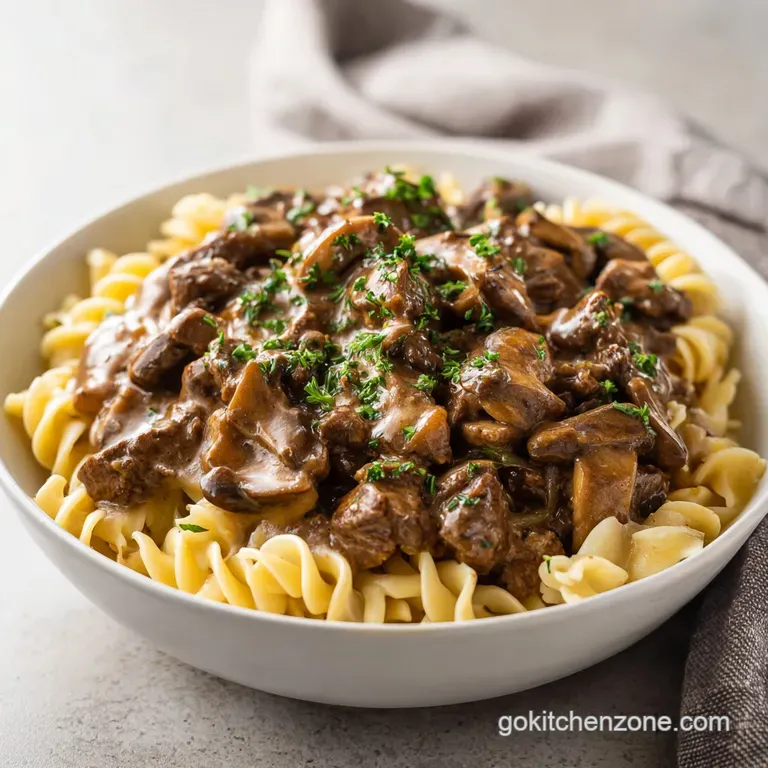
- Time: Active 10 mins, Passive 20 mins, Total 30 mins
- Flavor/Texture Hook: Velvety sauce with savory, browned mushrooms
- Perfect for: Busy weeknight dinner or beginner friendly comfort food
- Master the Ultimate Beef Stroganoff Recipe
- Why This Method Always Wins
- Fast Facts and Serving Details
- Essential Elements and Clever Swaps
- The Right Tools for Success
- Simple Steps for Silky Sauce
- Troubleshooting Common Kitchen Mistakes
- Easy Variations and Flavor Tweaks
- Storage and Reheating Done Right
- Best Sides for This Dish
- Kitchen Myths Debunked
- High in Sodium
- Recipe FAQs
- 📝 Recipe Card
Master the Ultimate Beef Stroganoff Recipe
The sizzle of thinly sliced sirloin hitting a hot pan is the sound of a weeknight win. I used to think this dish was reserved for fancy Sunday dinners, but once you nail the order of operations, it happens in one pan in less time than it takes to order takeout.
The aroma of cremini mushrooms browning in butter is enough to bring everyone to the kitchen before the noodles are even dropped.
We've all been there: a Beef Stroganoff that ends up with tough, rubbery meat or a sauce that looks like broken milk. I spent a dozen Tuesday nights making those mistakes so you don't have to. The secret isn't a hidden ingredient, it’s all about how you manage the heat and when you introduce the dairy.
This version is built for reliability. We’re going for that deep, savory "fond" on the bottom of the pan that transforms into a glossy, rich gravy. You’ll get a result that feels high effort without the gourmet stress, making it the ultimate solution for when you need comfort food fast.
Why This Method Always Wins
The success of this dish lies in the chemistry of the sear and the stability of the fats. Most home cooks boil their meat instead of searing it, but we’re going to fix that. If you’ve enjoyed my Ground Beef Stroganoff recipe, you’ll find this traditional sliced version offers a more sophisticated texture while using the same reliable sauce building principles.
- Maillard Reaction: over High heat searing creates a complex crust on the sirloin, providing the savory base for the entire sauce.
- Mushroom Desiccation: Sautéing mushrooms until they release all liquid and begin to brown concentrates their natural glutamates.
- Fat Emulsification: Combining butter and flour with bone broth creates a stable network that holds the sour cream in place.
- Tempered Dairy: Using room temperature sour cream prevents the thermal shock that leads to a grainy, separated sauce.
over High heat Searing for Flavor
To get the best result, your pan needs to be hot enough to cause a "sizzle" the moment the beef touches the oil. This isn't just for color; it's about developing flavor compounds that don't exist in raw meat. If the pan is too cold, the meat will steam in its own juices, leaving it grey and tough.
The Umami Mushroom Foundation
Mushrooms are sponges. If you crowd them, they’ll just sit in a puddle of water. We slice them thick so they maintain a meaty bite, then let them hit the hot pan and stay there until they're golden. This creates the "earthy" backbone that makes this recipe stand out.
Controlled Tempering of Cream
Sour cream is temperamental. If you drop cold cream into a boiling pan, the proteins tighten up and separate from the fat. By letting the cream reach room temperature and whisking it into a stabilized roux based sauce, you achieve that signature velvety consistency every time.
| Thickness | Internal Temp | Rest Time | Visual Cue |
|---|---|---|---|
| 5mm Strips | 63°C (145°F) | 3 mins | Pink center just disappears |
| 10mm Strips | 63°C (145°F) | 5 mins | Surface is deeply browned |
| Cubed | 65°C (150°F) | 5 mins | Firm to the touch |
Fast Facts and Serving Details
Building a great sauce requires understanding what each component brings to the table. We don't just add ingredients for the sake of it; every item has a specific job to do in the pan.
| Component | Science Role | Pro Secret |
|---|---|---|
| Top Sirloin | Protein Structure | Slice against grain for maximum tenderness |
| Cremini Mushrooms | Umami Source | Don't salt until they are already browned |
| Sour Cream | Fat & Acidity | Use full fat for a more stable emulsion |
| Beef Bone Broth | Liquid Base | Use low sodium to control the final seasoning |
Essential Elements and Clever Swaps
Right then, let's look at what we're working with. These quantities are tested to ensure the sauce to noodle ratio is exactly where it needs to be.
- 1.5 lbs top sirloin: Sliced thinly. Why this? Lean but tender enough for quick searing without long braising.
- 1 lb cremini mushrooms: Thickly sliced. Why this? Deeper flavor than white buttons; they hold their shape better.
- 1 large yellow onion: Finely diced.
- 3 cloves garlic: Minced.
- 4 tbsp unsalted butter: For the roux.
- 2 cups low sodium beef bone broth: Richer than standard stock.
- 1 tbsp Worcestershire sauce: Adds fermented depth.
- 1 tbsp Dijon mustard: Provides a sharp, tangy counterpoint.
- 1 cup full fat sour cream: Room temperature is mandatory.
- 2 tbsp all purpose flour: The thickening agent.
- 12 oz wide egg noodles: The classic vessel for the sauce.
- 2 tbsp fresh parsley: For a bright, herbaceous finish.
- 2 tbsp grapeseed oil: High smoke point for the sear.
- 1 tsp salt and 1/2 tsp black pepper: Fundamental seasoning.
| Original Ingredient | Substitute | Why It Works |
|---|---|---|
| Top Sirloin | Beef Tenderloin | Even softer texture, though more expensive. |
| Sour Cream | Full fat Greek Yogurt | Similar tang. Note: More prone to curdling; temper carefully. |
| Cremini Mushrooms | Shiitake | Adds a woodsy, intense flavor profile. |
The Right Tools for Success
You don't need a professional kitchen, but a few specific items make this much easier. A heavy bottomed skillet is your best friend here.
- Large Skillet: Preferably stainless steel or cast iron to get that perfect sear on the beef.
- Whisk: Essential for incorporating the flour and broth without lumps.
- Large Pot: For boiling the egg noodles.
- Sharp Chef's Knife: Essential for getting those thin, uniform slices of sirloin.
Simple Steps for Silky Sauce
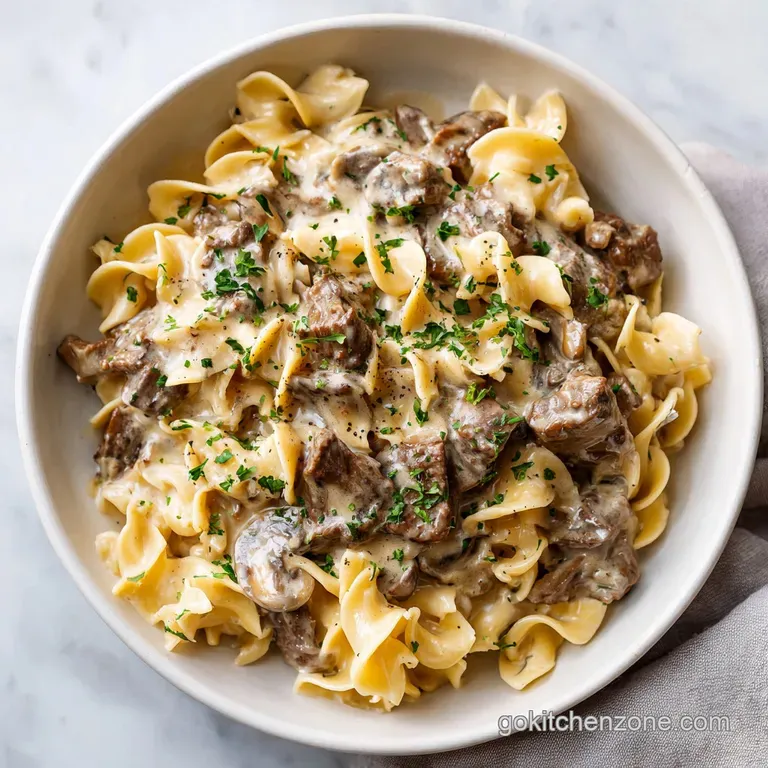
This is where the magic happens. Follow the order closely the sequence of browning meat, then mushrooms, then building the sauce is what creates the layers of flavor.
1. The High Speed Protein
Pat the 1.5 lbs of sliced sirloin dry with paper towels. Season with 1 tsp salt and 1/2 tsp pepper. Heat 2 tbsp grapeseed oil in your skillet over high heat until it just begins to shimmer.
Sear the beef in two batches for about 1-2 minutes per side until deeply browned and caramelized. Note: Don't overcook here; it will finish in the sauce later.
2. The Aromatic Base
Remove the beef and set it aside. In the same pan, melt 4 tbsp unsalted butter. Add the 1 lb of sliced cremini mushrooms. Sauté for 5-7 minutes without stirring too much until they shatter their moisture and turn golden.
3. The Flavor Fond
Stir in the diced yellow onion. Cook for 3-4 minutes until softened. Add the 3 cloves of minced garlic and cook for 30 seconds until fragrant but not burnt.
4. The Deglaze and Thickening
Sprinkle 2 tbsp of all purpose flour over the mushrooms and onions. Stir constantly for 1-2 minutes to cook out the raw flour taste. Slowly pour in the 2 cups of beef bone broth, whisking as you go until the sauce begins to bubble and thicken.
5. The Final Emulsion
Whisk in 1 tbsp Worcestershire sauce and 1 tbsp Dijon mustard. Reduce heat to low. Take a small ladle of the warm sauce and whisk it into your room temperature sour cream in a separate bowl before adding the whole mixture back to the pan. Note: This "tempering" prevents the sauce from breaking.
6. The Finishing Touch
Add the seared beef and any accumulated juices back into the skillet. Simmer gently for 2-3 minutes until the sauce is glossy and the meat is warmed through.
7. The Noodle Toss
While the sauce simmers, boil the 12 oz of wide egg noodles in salted water according to package directions. Drain and immediately toss them with the sauce or serve the sauce over the top.
8. Garnish
Sprinkle with 2 tbsp of fresh chopped parsley. Serve immediately while the sauce is at its peak silkiness.
Troubleshooting Common Kitchen Mistakes
Even the best cooks run into issues with dairy heavy sauces. The most common problem is texture, usually caused by heat management.
Why Your Sauce Is Grainy
If your sauce looks speckled or "broken," the sour cream has likely curdled. This happens if the pan is boiling when the dairy is added, or if you used low-fat sour cream, which lacks the fat structure to withstand heat.
| Problem | Root Cause | Solution |
|---|---|---|
| Tough Beef | Overcooked during sear | Sear quickly on high; finish in sauce only at the end. |
| Thin Sauce | Not enough flour/reduction | Simmer for 2 more minutes or add a tiny cornstarch slurry. |
| Bland Flavor | Lack of fond or seasoning | Add an extra splash of Worcestershire or more black pepper. |
Common Mistakes Checklist
- ✓ Always pat the meat dry before searing to avoid steaming.
- ✓ Ensure the sour cream is truly at room temperature.
- ✓ Don't skip the "tempering" step (mixing a little sauce into the cream first).
- ✓ Use a wide pan so mushrooms can brown rather than boil.
- ✓ Slice the beef against the grain to ensure it's easy to chew.
Easy Variations and Flavor Tweaks
If you're feeling adventurous or just checking the pantry, you can easily shift the profile of this dish. For a fun twist on the classic, try the Meatball Stroganoff recipe next time you want the same flavor profile with a different texture.
The Budget Friendly Swap
If sirloin is too pricey, you can use flank steak or even thinly sliced chuck roast. If using chuck, you may need to simmer the meat in the broth for 10-15 minutes before adding the sour cream to ensure it's tender enough.
The "Adults Only" Upgrade
For a deeper, more traditional Russian flavor, deglaze the pan with 1/4 cup of dry white wine or a splash of brandy after sautéing the onions but before adding the broth. The acidity helps cut through the richness of the cream.
Scaling the Recipe
- Scaling Down (1/2): Use a smaller skillet. The cook times for the meat and mushrooms will remain similar, but the liquid will reduce about 20% faster.
- Scaling Up (2x): Work in batches for the beef and mushrooms. Do not overcrowd the pan or you'll lose the sear. Use 1.5x the salt and spices rather than doubling them immediately; you can always add more later.
Storage and Reheating Done Right
Storage: This dish keeps well in the fridge for up to 3 days. Store the sauce and noodles together if you like the noodles to soak up the flavor, though storing them separately keeps the noodles from getting too mushy.
Freezing: I don't recommend freezing this specific recipe. Sour cream based sauces tend to separate and become "grainy" when thawed and reheated. If you must freeze it, do so before adding the sour cream, then add fresh cream when you reheat.
Reheating: Use the stovetop over low heat. Add a splash of beef broth or water to loosen the sauce. Avoid the microwave if possible, as it can cause the sour cream to break and the beef to become rubbery.
Zero Waste Tip: Don't throw away those mushroom stems! If you have extra, toss them into a freezer bag. They are perfect for making homemade vegetable or beef stock later on.
Best Sides for This Dish
While egg noodles are the gold standard, this velvety sauce is versatile. It pairs beautifully with a crisp green salad dressed in a sharp vinaigrette to cut through the heavy cream.
If you want to move away from noodles, try serving the beef and sauce over a bed of Fluffy Jasmine Rice or even creamy mashed potatoes. The potatoes, in particular, act as a sponge for that savory mushroom gravy, making the meal feel even more substantial.
Kitchen Myths Debunked
Myth: You must use expensive tenderloin for good Stroganoff. Truth: While tenderloin is great, top sirloin is the practical hero of this dish. If sliced thin and against the grain, it provides plenty of tenderness with much better beefy flavor for half the price.
Myth: Searing meat "locks in" the juices. Truth: Searing is actually about flavor, not moisture. You lose moisture when you sear, but you gain the Maillard reaction, which is that deep, savory crust. The "juiciness" actually comes from not overcooking the meat past its target internal temperature.
Myth: You can't use Greek yogurt in Stroganoff. Truth: You absolutely can, but you have to be extra careful. Yogurt has less fat than sour cream, meaning it curdles much faster. Always use full fat yogurt and never let the sauce boil once it's added.
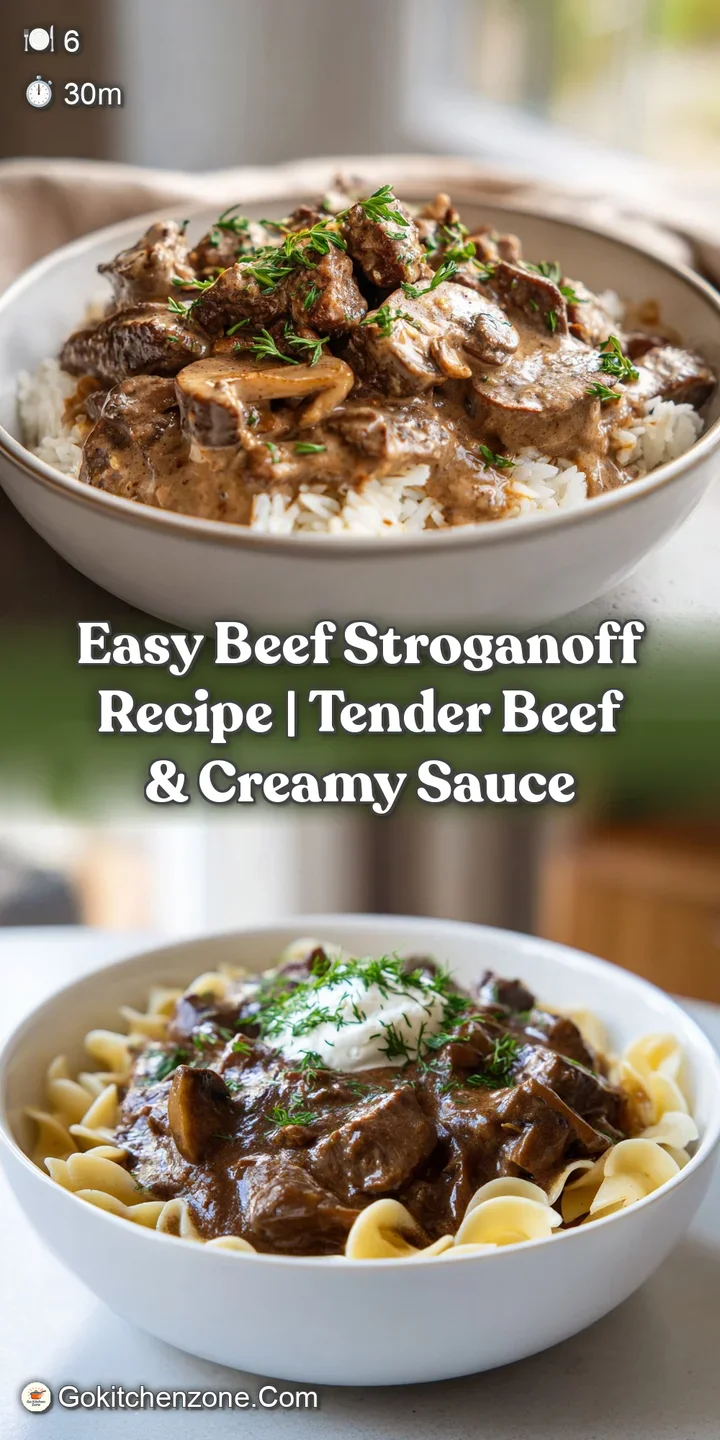
High in Sodium
840 mg mg of sodium per serving (37% of daily value)
The American Heart Association recommends limiting sodium intake to no more than 2,300mg per day for most adults.
Sodium Reduction Tips for Beef Stroganoff
-
Broth Upgrade-30%
Replace the 2 cups of low-sodium beef bone broth with homemade beef broth or a no-sodium added variety. This can significantly cut down on the sodium content.
-
Salt Reduction-25%
Reduce the amount of salt used from 1 tsp to 1/2 tsp, or eliminate it completely and salt to taste after cooking. You can also use a sodium free seasoning blend.
-
Worcestershire Swap-20%
Use a low-sodium Worcestershire sauce or reduce the amount used from 1 tbsp to 1/2 tbsp. Alternatively, try a blend of balsamic vinegar and a pinch of smoked paprika for a similar depth of flavor.
-
Sour Cream Consideration-15%
While full fat sour cream adds richness, consider using Greek yogurt as a partial or complete substitute. This can offer a similar tang with potentially less sodium, depending on the brand.
-
Flavor Boost
Enhance the flavors with fresh herbs and spices. Try adding extra garlic, a pinch of red pepper flakes, or some fresh dill to compensate for the reduced salt.
Recipe FAQs
Can I substitute chicken or pork for the beef in this recipe?
Yes, absolutely. Chicken or pork loin works well, but you must adjust the searing time significantly.
For poultry or pork, cook only until just opaque, as they dry out faster than beef; consider reducing the final simmer time.
How to prevent the sour cream from separating or curdling in the sauce?
Temper the sour cream slowly. Never add cold dairy directly into a boiling sauce; this causes thermal shock.
Whisk a small amount of the hot sauce into the room temperature sour cream first before slowly incorporating the mixture back into the pan over low heat.
What is the best way to cut the beef for Beef Stroganoff?
Slice the beef thinly against the grain. Uniform 1/4 inch thick slices are ideal for quick searing.
Slicing against the grain shortens the muscle fibers, ensuring maximum tenderness after the quick cook time.
Is it true that I must brown the mushrooms before adding the onions?
Yes, browning the mushrooms first is essential for deep flavor. Mushrooms release a lot of water; if you add onions too soon, both will steam.
Sauté mushrooms until all moisture evaporates and they begin to brown to concentrate their umami notes, then proceed with the aromatics.
How long should I sear the beef before moving on to the sauce base?
Sear in batches for 1 to 2 minutes per side on high heat. The goal is deep caramelization, not cooking it through.
If you are looking for similar high heat searing techniques that build complex flavor, review the principles applied in our Ground Beef Stir recipe.
Can I make this dish ahead of time and reheat it later?
No, this version is best served immediately. Sauces thickened with dairy, like those using sour cream, do not freeze or reheat well.
The proteins in the cream tend to separate, resulting in a grainy texture upon reheating, especially in the microwave.
How to achieve a rich, velvety sauce texture without lumps?
Create a smooth roux and incorporate liquids slowly. Whisk the flour thoroughly into the melted butter (the roux) and cook for one minute before slowly pouring in the broth.
When adding the final dairy, remember to temper it by adding hot liquid to the cold dairy first to equalize the temperature.
Easy Beef Stroganoff Recipe
Ingredients:
Instructions:
Nutrition Facts:
| Calories | 558 kcal |
|---|---|
| Protein | 33.2 g |
| Fat | 28.4 g |
| Carbs | 42.6 g |
| Fiber | 2.1 g |
| Sugar | 3.8 g |
| Sodium | 840 mg |
