Crispy Fried Chicken Wings with Cornstarch
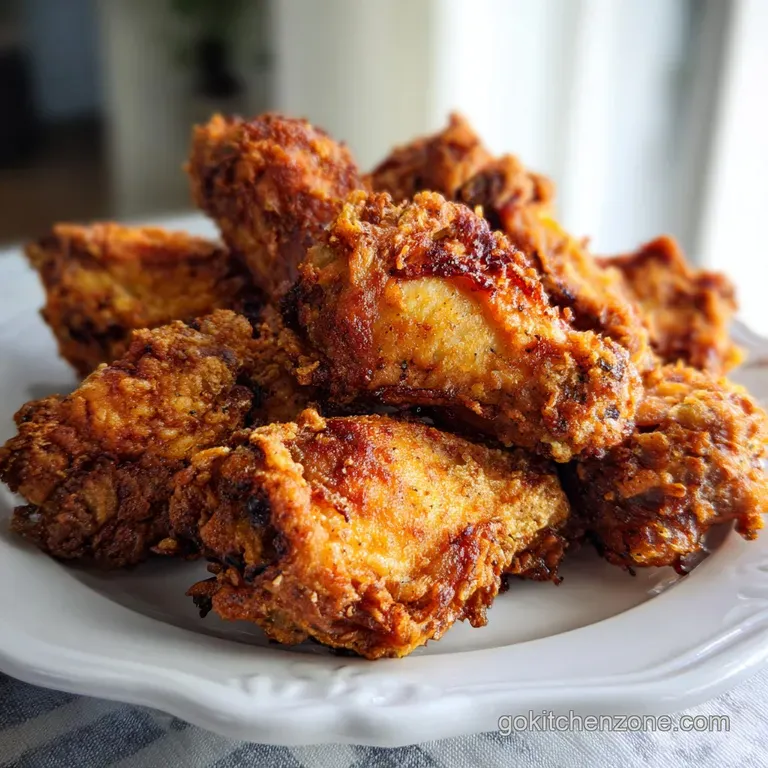
- Time: Active 20 minutes, Passive 15 minutes, Total 35 minutes
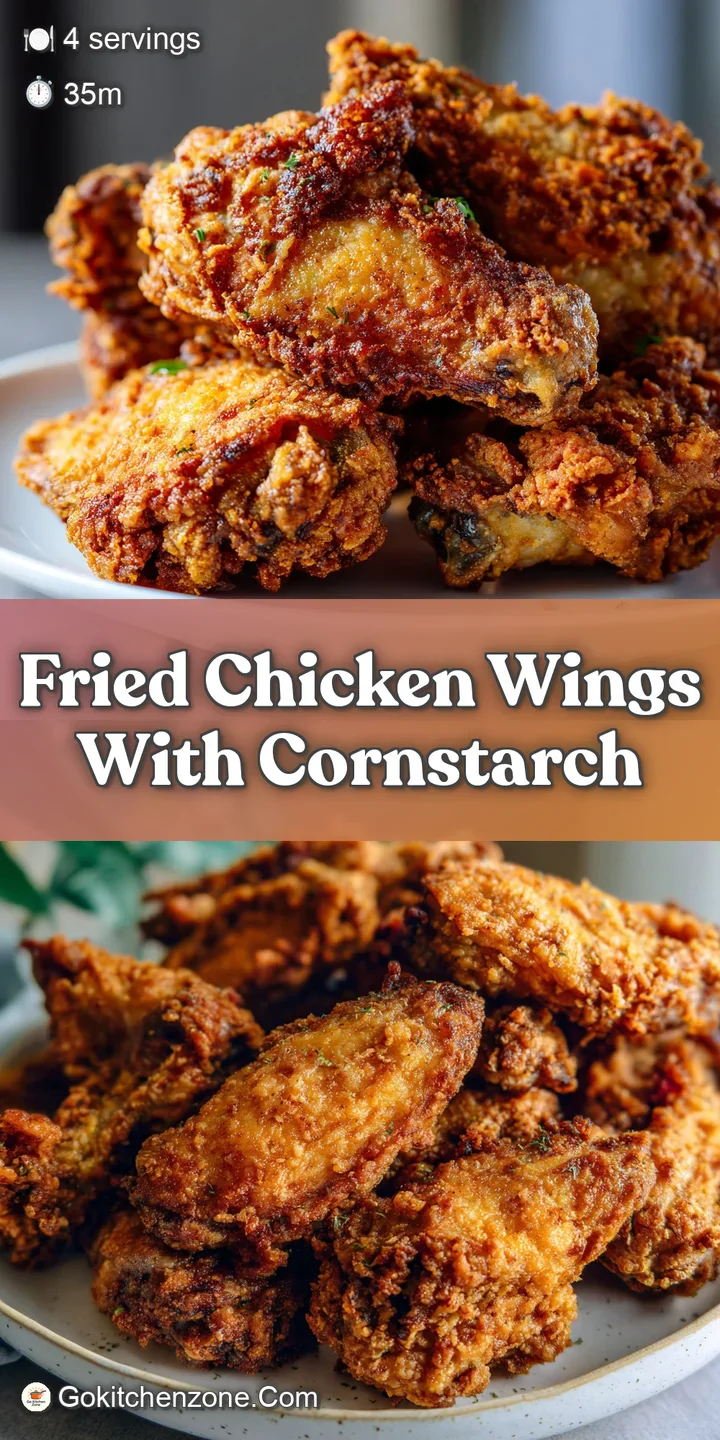
- Flavor/Texture Hook: Shatter crisp exterior with velvety, juice locked meat
- Perfect for: Game day snacks or a reliable weeknight dinner treat
- Crispy Golden Homemade Fried Chicken Wings
- Why This Frying Method Works
- Quick Precision Frying Chart
- Component Analysis of Flavors
- Essential Gear for Crispy Results
- Follow These Simple Cooking Steps
- Avoiding Common Frying Errors
- Swaps and Flavor Variations
- Storage and Reheating Tips
- Best Sides for Fried Chicken
- The Physics of the Crunch
- Truths About Frying Chicken
- High in Sodium
- Recipe FAQs
- 📝 Recipe Card
Crispy Golden Homemade Fried Chicken Wings
The dinner struggle is real when you are craving that specific crunch but only have a standard pot and some oil at home. I remember my first solo attempt at frying wings years ago; I didn't dry the chicken properly and the coating slid off like a wet blanket.
It was a disaster that ended in a soggy mess and a very smoky kitchen.
We have all been there, staring at a plate of limp poultry wondering where it went wrong. But after a lot of trial and error, I found that the secret is not just the heat of the oil it is the science of the surface. This recipe delivers that high decibel crunch every single time.
This guide is designed to get you past the fear of frying. You will learn why cold water matters and how a simple pantry swap changes everything. Let's get that oil bubbling and make something that actually sounds like a "crunch" when you bite in.
Why This Frying Method Works
- Starch Synergy: Combining all purpose flour with cornstarch creates a more brittle, "shatter" texture because cornstarch prevents excess gluten development.
- Carbonation Lift: The bubbles in cold sparkling water expand rapidly in hot oil, creating tiny air pockets that lighten the breading.
- Cold Shock: Using cold liquids for the binder keeps the fat in the skin from melting before the crust sets, ensuring the coating sticks.
Quick Precision Frying Chart
| Wing Part | Internal Temp | Cook Time | Visual Cue |
|---|---|---|---|
| Flats | 165°F | 6-8 minutes | Deep golden; oil bubbles slow down |
| Drumettes | 165°F | 8-10 minutes | Rigid crust; floats to the surface |
| Large Wings | 170°F | 10-12 minutes | Dark amber; skin feels hard to the touch |
When you are aiming for that restaurant quality finish, keeping an eye on the oil activity is just as important as the timer. If the bubbles are violent, your heat is too high; if they are lazy, you are making greasy chicken. Similar to the crust on my Parmesan Crusted Chicken recipe, consistency in temperature is your best friend here.
Component Analysis of Flavors
| Ingredient | Science Role | Pro Secret |
|---|---|---|
| Cornstarch | Moisture Absorber | Use a 1:2 ratio with flour for maximum brittleness |
| Sparkling Water | Leavening Agent | Ensure it is ice cold to create a tempura style lift |
| Smoked Paprika | Color & Depth | The oils in paprika bloom in the fryer for a vibrant red gold hue |
Essential Gear for Crispy Results
You do not need a fancy deep fryer to make this happen. A heavy bottomed pot, like a Dutch oven or a deep cast iron skillet, is actually better because it holds heat more consistently when you drop the cold chicken in.
You will also want a wire rack for draining; paper towels can actually trap steam and turn your hard earned crunch into a soggy disappointment.
A digital thermometer is the only non negotiable tool here. Guessing oil temperature is a recipe for raw centers or burnt edges. If the oil drops below 325°F, the wings will soak up fat like a sponge. Keep it steady, work in batches, and you will see the difference.
Follow These Simple Cooking Steps
- Dry the meat. Pat the 2 lbs chicken wings (flats and drumettes) with paper towels until bone dry. Note: Surface moisture is the enemy of a crispy crust.
- Season the wings. Toss the chicken with 1 tsp kosher salt, 0.5 tsp black pepper, and 0.5 tsp garlic powder.
- Mix dry ingredients. Combine 1 cup all purpose flour, 0.5 cup cornstarch, 1 tbsp smoked paprika, 1 tsp onion powder, and 0.5 tsp cayenne pepper in a shallow bowl.
- Create the binder. Whisk 2 large eggs with 0.25 cup cold sparkling water in a separate bowl until just combined and frothy.
- Heat the oil. Pour 1 quart neutral oil into a deep pot and heat to 350°F.
- First dredge. Coat each wing in the flour mixture, shaking off the excess.
- Dip and double dredge. Dip the floured wing into the egg mixture, then back into the flour. Note: This creates those craggy, "extra crunchy" bits.
- Fry the batches. Drop 5-6 wings into the oil. Fry until the coating is rigid and deep golden brown, about 8-10 minutes.
- Check for doneness. Ensure the internal temperature reaches 165°F.
- Rest and drain. Place wings on a wire rack for 5 minutes until the sizzling stops and the crust sets.
Avoiding Common Frying Errors
Why Your Coating Is Falling Off
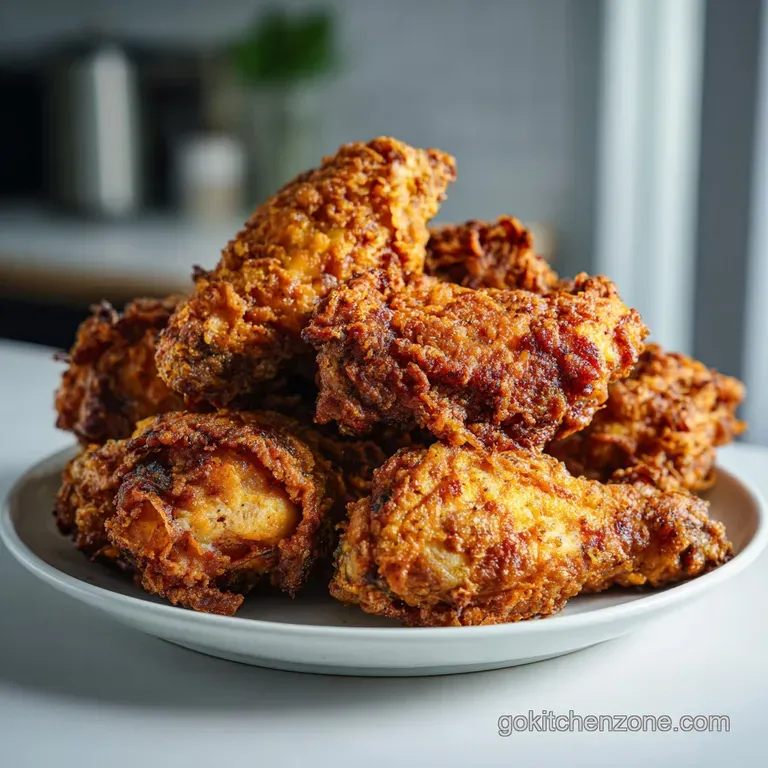
If the breading slides off in one piece, it usually means the chicken was too wet before the first dredge or the oil wasn't hot enough. The initial contact with the oil must instantly "set" the starches.
Why the Wings Are Greasy
This happens when you overcrowd the pot. Adding too many wings at once drops the oil temperature significantly. The chicken then "boils" in oil instead of frying, which forces the fat into the meat rather than crisping the outside.
| Problem | Root Cause | Solution |
|---|---|---|
| Burnt outside, raw inside | Oil temperature too high | Lower heat to 350°F and use a thermometer |
| Soggy, limp skin | Oil temperature too low | Fry in smaller batches to maintain 350°F |
| Breading is gummy | Too much liquid binder | Ensure the dry flour dredge is the final layer |
Chef's Tip: If you have time, let the breaded wings sit on a tray for 10 minutes before frying. This allows the flour to hydrate and "glue" itself to the skin, preventing it from shedding in the oil.
Common Mistakes Checklist:
- ✓ Never skip the cornstarch; it provides the "glass like" crunch flour alone cannot achieve.
- ✓ Always use a wire rack for cooling; sitting in its own steam will soften the wing.
- ✓ Check oil temp between every single batch.
- ✓ Don't use "light" oils with low smoke points; stick to vegetable, canola, or peanut oil.
- ✓ Ensure the sparkling water is opened right before mixing to keep the carbonation active.
Swaps and Flavor Variations
| Original Ingredient | Substitute | Why It Works |
|---|---|---|
| All purpose flour | Rice flour | Creates a lighter, thinner, and gluten-free crust |
| Sparkling water | Cold light beer | Adds fermented depth and similar carbonation lift |
| Smoked Paprika | Chili powder | Shifts the flavor from smoky to earthy and spicy |
If you are looking for a lighter alternative for another night, you might enjoy the flavors in my Mediterranean Chicken Wraps recipe, which focuses more on zest and grill marks than deep frying.
If you want...
- Southern Style: Replace the sparkling water with buttermilk for a thicker, shaggier crust.
- Extra Heat: Double the cayenne pepper and add a teaspoon of hot sauce to the egg wash.
- Chinese Takeout Style: Use only cornstarch (no flour) and add five spice powder to the mix.
Storage and Reheating Tips
Fried chicken wings are best eaten within 20 minutes, but if you have leftovers, they stay good in the fridge for up to 3 days. Do not bother with the microwave; it will turn the crust into a rubbery mess.
Instead, use an oven or air fryer at 375°F for about 5-8 minutes to revive that crunch.
For zero waste, save the leftover frying oil! Once it cools, strain it through a coffee filter into a glass jar. You can reuse it 2-3 times for frying poultry as long as it isn't dark or smelly. The bones can also be simmered with veggie scraps to make a quick chicken stock for later use.
Best Sides for Fried Chicken
These wings are the star, but they need a supporting cast. The classic move is celery sticks and a heavy pour of blue cheese or ranch dressing. The acidity cuts through the richness of the fried skin.
If you want a full meal, these pair beautifully with a cooling slaw or even a side of Chicken Fried Rice recipe if you are going for that takeout at-home vibe. Honestly, just a squeeze of fresh lemon over the hot wings can be enough to brighten up the whole plate.
The Physics of the Crunch
Thermal Shock: The massive temperature difference between the ice cold sparkling water binder and the 350°F oil causes the carbon dioxide to expand instantly. This creates a porous, airy structure in the crust that would be impossible with room temperature tap water.
Truths About Frying Chicken
- Myth: Searing or frying "seals in" the juices.
- Truth: Frying actually causes moisture loss through steam; the "juiciness" you feel is actually rendered fat and the protective barrier of the crust slowing down evaporation.
- Myth: You must use a gallon of oil.
- Truth: You only need enough oil to submerge the wings by about an inch. As long as they can move freely without touching the bottom, they will fry evenly.
- Myth: Flour is the best coating.
- Truth: Flour contains high amounts of protein that can get tough; mixing it with cornstarch (pure starch) disrupts those protein bonds for a crispier result.
High in Sodium
845 mg of sodium per serving (37% of daily value)
The American Heart Association recommends limiting sodium intake to no more than 2,300mg per day for most adults.
Tips to Reduce Sodium in Your Chicken Wings
-
Reduce Added Salt-25%
Eliminate or reduce the 1 tsp of kosher salt significantly. Start by using 1/4 tsp and adjust to taste. You can always add more at the table, but you can't take it away!
-
Skip the Salt-20%
Consider making the recipe without any added salt. The smoked paprika, onion powder, garlic powder and cayenne pepper already add a lot of flavor to the recipe. See if you even miss it!
-
Boost Flavor-10%
Enhance the flavor with salt free seasonings. Add more smoked paprika, black pepper, garlic powder, onion powder and cayenne pepper to compensate for the reduced salt. This adds flavor complexity without adding sodium.
-
Fresh Herbs
Experiment with fresh herbs like thyme, rosemary, or parsley to enhance the flavor of your chicken wings without adding sodium. These ingredients are sodium free and provide different flavor profiles.
Recipe FAQs
What's the secret to perfectly fried wings?
Temperature control and surface drying. The oil must stay precisely at 350°F (177°C) and the wings must be completely dry before dredging. If you master this thermal stability, you are halfway there. If you enjoyed mastering the surface texture here, apply the same principle of dryness to keep things crisp in our Jalapeno Popper Chicken recipe.
How long does it take to fry chicken wings?
Expect 8 to 12 minutes depending on size. Smaller flats usually take 6-8 minutes, while larger drumettes require closer to 10-12 minutes to ensure the internal temperature hits 165°F. Always verify doneness with a thermometer, not just by color.
What is the secret ingredient to crispy wings?
Cornstarch combined with a cold carbonated liquid. The cornstarch ensures the coating is brittle, while the bubbles in cold sparkling water rapidly expand when hitting the hot oil, creating a light, airy, shatter like crust.
Is it better to fry wings in flour or cornstarch?
Use a combination, leaning heavily on cornstarch. All-purpose flour provides structure, but cornstarch inhibits gluten formation, resulting in a noticeably lighter and crispier exterior that resists getting soggy quickly.
My wings taste greasy; what went wrong?
The oil temperature dropped too low. When too many wings are added at once, the temperature plunges below 325°F, causing the coating to absorb excess oil instead of frying immediately. Work in small, consistent batches to maintain 350°F.
Do I have to double dredge the wings?
Yes, for maximum texture. The double dredge flour, egg/liquid, then flour again is crucial for building up those craggy edges that catch the oil and form the signature crunch. It builds the necessary surface area for crispness.
How should I store leftover fried wings?
Reheat on a wire rack in the oven or air fryer. Never use the microwave, as the trapped steam softens the crust instantly. Reheat at 375°F until the exterior is crisp again. For a different approach to poultry, try our Creamy Chicken Stroganoff recipe if you prefer a comforting, saucy meal.
Crispy Fried Chicken Wings
Ingredients:
Instructions:
Nutrition Facts:
| Calories | 968 kcal |
|---|---|
| Protein | 47.2 g |
| Fat | 66.4 g |
| Carbs | 42.1 g |
| Fiber | 1.6 g |
| Sugar | 0.4 g |
| Sodium | 845 mg |
