How to Make Chicken Salad
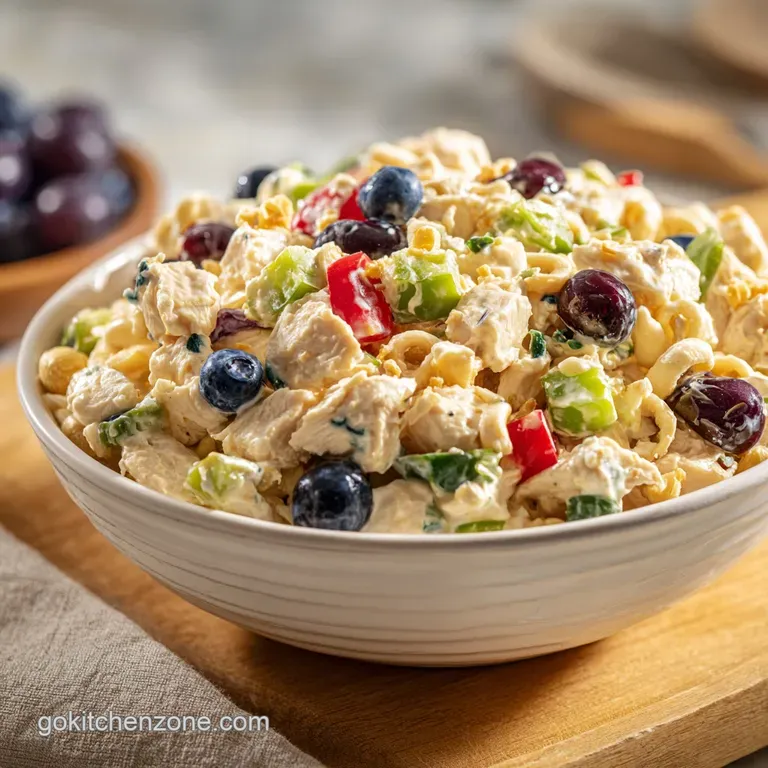
- Time: Active 15 minutes, Passive 15 minutes, Total 30 minutes
- Flavor/Texture Hook: Silky chicken with shatter crisp celery and almonds
- Perfect for: High protein meal prep and efficient desk lunches
- Mastering the Art of How to Make Chicken Salad
- Thermal Precision for Silky Results
- Essential Prep and Timing Metrics
- Anatomy of a Textural Masterpiece
- Minimalist Toolkit for Success
- Executing Sequential Component Assembly
- Texture Flaws and Simple Fixes
- Profiles to Update Your Routine
- Protocols for Longevity and Safety
- Strategic Sides and Serving Styles
- Debunking Kitchen Myths
- Recipe FAQs
- 📝 Recipe Card
Mastering the Art of How to Make Chicken Salad
I still remember the first time I actually enjoyed this dish. It wasn't at a fancy bistro or a catered wedding, it was in my own cramped kitchen after a string of failed, dry attempts.
I used to think that "how to make chicken salad" just meant mixing leftover bird with enough mayo to hide the fact that it was overcooked. The result was always a beige, sad glob that I forced myself to eat for the sake of not wasting food.
Everything changed when I stopped treating the chicken like an afterthought. I remember the specific sound of the first truly crisp celery stalk I diced for this recipe, a sharp "thwack" against the cutting board that promised texture.
When I took that first bite, the contrast between the velvety dressing and the crunch of toasted almonds was a revelation. It wasn't just a sandwich filler anymore, it was a structured, intentional meal that made my desk lunch feel like a genuine break.
We are going to move away from the "leftover logic" and focus on building this from the ground up. This isn't about hiding ingredients, it's about highlighting them. We'll use a precise poaching technique that keeps the breast meat juicy, and a dressing ratio that provides tang without the grease.
This is the blueprint for the best chicken salad recipe you'll ever put in your meal prep rotation.
Thermal Precision for Silky Results
The Osmosis Effect: Poaching in salted, aromatic water allows the seasoning to penetrate the meat deeply while keeping the temperature low enough to prevent the muscle fibers from tightening and squeezing out moisture.
Acidic Denaturation: The inclusion of lemon juice in both the poaching liquid and the dressing breaks down tough proteins and brightens the fat, ensuring the final bite feels light rather than heavy.
Emulsion Stability: Mixing Greek yogurt with mayo creates a more stable structure that clings to the ingredients better than mayo alone, preventing that watery pool at the bottom of your storage container.
| Method | Total Time | Texture | Best For |
|---|---|---|---|
| Gentle Poach | 30 minutes | Silky and tender | Maximum juiciness |
| Oven Roast | 45 minutes | Firm and concentrated | Intense savory flavor |
| Rotisserie | 5 minutes | Variable | Ultimate time saving |
Choosing the right approach depends on your schedule, but the gentle poach is my gold standard for maintaining that specific, velvety mouthfeel. If you are in a rush, learning how to make chicken salad from rotisserie chicken is a great skill, but you lose the ability to infuse the meat with garlic and lemon from the start.
Essential Prep and Timing Metrics
To get this right, we need to hit specific numeric markers. Precision is the difference between a soggy mess and a structured salad.
- Checkpoint 1: Chicken internal temperature must reach exactly 165°F (74°C) to ensure safety without overcooking.
- Checkpoint 2: Rest the chicken for at least 10 minutes before dicing to allow juices to redistribute.
- Checkpoint 3: Toast almonds for exactly 3-5 minutes until they are fragrant and one shade darker.
Anatomy of a Textural Masterpiece
| Component | Science Role | Pro Secret |
|---|---|---|
| Chicken Breast | Primary lean protein | Poach whole, then dice against the grain for better dressing absorption. |
| Greek Yogurt | Acidic binder | Use full fat for a richer mouthfeel that mimics high end deli styles. |
| Celery | Structural crunch | Dice into 1/4 inch cubes to ensure even distribution in every bite. |
| Dijon Mustard | Emulsifier | Bridges the gap between fat and acid, keeping the dressing unified. |
For the Poaching Liquid
- 2 large boneless skinless chicken breasts (approx. 500g): Why this? Leaner cut that absorbs aromatics effectively during the gentle poaching process.
- 1 lemon, halved: Why this? Provides essential acidity to the poaching water to brighten the meat.
- 2 cloves garlic, smashed: Why this? Infuses a subtle, savory base layer into the chicken fibers.
- 1 tsp sea salt: Why this? Seasons the meat from the inside out during the cook.
- Water to cover: Why this? Ensures even heat distribution for consistent doneness.
For the Salad Base
- 2 stalks celery, finely diced (approx. 100g): Why this? Mandatory for the structural "crunch" that defines a classic salad.
- 3 green onions, thinly sliced (approx. 30g): Why this? Adds a sharp, fresh bite without the overpowering heat of raw onions.
- 1/4 cup slivered almonds, toasted (approx. 30g): Why this? Provides a nutty shatter crisp texture that complements the tender chicken.
- 2 tbsp fresh dill or parsley, chopped: Why this? Green herbs cut through the richness of the mayo based dressing.
For the Signature Dressing
- 1/2 cup high-quality mayonnaise (approx. 115g): Why this? The creamy foundation that carries all other flavors.
- 2 tbsp plain full fat Greek yogurt (approx. 30g): Why this? Adds tang and reduces the overall heavy feel of the dressing.
- 1 tbsp fresh lemon juice: Why this? Reactivates the brightness and balances the fat content.
- 1 tsp Dijon mustard: Why this? Adds a sophisticated depth and helps emulsify the liquids.
- 1/2 tsp cracked black pepper: Why this? Provides a subtle heat that lingers on the palate.
| Original Ingredient | Substitute | Why It Works |
|---|---|---|
| Mayonnaise | Mashed Avocado | High fat content. Note: Turns the salad green and shortens fridge life. |
| Slivered Almonds | Toasted Walnuts | Similar crunch. Note: Adds a slightly more bitter, earthy undertone. |
| Greek Yogurt | Sour Cream | Similar tang. Note: Slightly higher fat, resulting in a heavier dressing. |
Minimalist Toolkit for Success
You don't need a pantry full of gadgets to learn how to make chicken salad properly. A wide, shallow saucepan is better than a tall pot for poaching as it allows the breasts to sit in a single layer for even cooking.
A sharp chef’s knife is your best friend here. If you are looking for other ways to use those knife skills for meal prep, this Healthy Tuna Pasta Salad recipe uses a very similar dicing logic for the aromatics. Beyond that, a large glass mixing bowl and a sturdy silicone spatula for folding are all that's required to maintain the integrity of the ingredients.
Executing Sequential Component Assembly
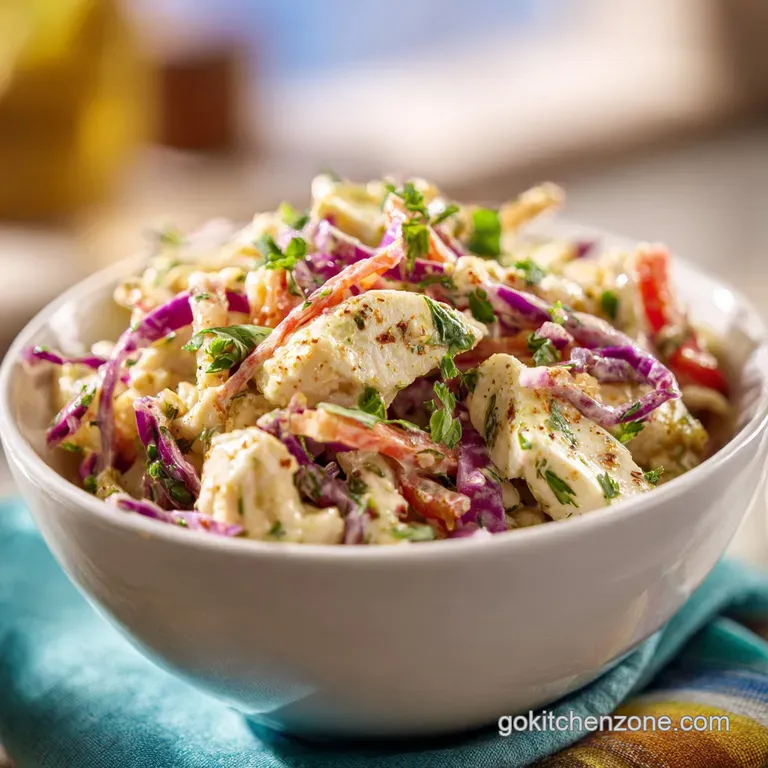
1. The Precision Poach
Place the 2 large chicken breasts (500g) in a saucepan with the halved lemon, 2 smashed garlic cloves, and 1 tsp sea salt. Cover with cold water by 1 inch until the chicken is fully submerged. Note: Starting with cold water prevents the exterior from toughening before the interior cooks.
2. Controlled Heat Application
Bring the water to a bare simmer over medium heat, then immediately reduce to low. Cook for 12-15 minutes until the internal temperature hits 165°F.
3. The Cooling Phase
Remove chicken from the liquid and let it rest on a cutting board for 10 minutes. Note: This prevents the dressing from melting when you mix it later.
4. Toasting the Texture
While the chicken rests, place 1/4 cup slivered almonds (30g) in a dry pan over medium heat. Toast for 3 minutes until golden and fragrant.
5. Systematic Dicing
Cut the cooled chicken into 1/2 inch cubes. Dice 2 stalks of celery (100g) and thinly slice 3 green onions (30g).
6. Emulsifying the Dressing
In a large bowl, whisk together 1/2 cup mayonnaise (115g), 2 tbsp Greek yogurt (30g), 1 tbsp lemon juice, 1 tsp Dijon, and 1/2 tsp pepper until velvety and smooth.
7. The Component Fold
Add the diced chicken, celery, onions, and toasted almonds to the bowl. Fold gently with a spatula until every piece is evenly coated.
8. Final Herb Infusion
Stir in 2 tbsp of chopped fresh dill or parsley right before serving. Note: Adding herbs last keeps them vibrant and prevents bruising.
Texture Flaws and Simple Fixes
Why Your Salad Is Watery
This usually happens because the celery or onions were washed and not dried properly, or the chicken was still warm when mixed. The residual heat causes the mayonnaise to break, releasing oil and water.
Why the Chicken Is Rubbery
If you boil the chicken rather than poaching it at a low simmer, the proteins tighten too quickly. This results in a bouncy, tough texture that no amount of dressing can fix. Always use a thermometer to hit that 165°F mark exactly.
| Problem | Root Cause | Solution |
|---|---|---|
| Bland taste | Lack of salt in poach | Add a pinch of salt and extra lemon to the final dressing. |
| Greasy mouthfeel | Too much mayo | Fold in an extra tablespoon of Greek yogurt to cut the fat. |
| Soggy almonds | Added too early | Only add nuts immediately before serving for maximum shatter crunch. |
Common Mistakes Checklist
- ✓ Pat the celery completely dry after washing to prevent a watery dressing.
- ✓ Never skip the resting phase for the chicken; it keeps the meat moist.
- ✓ Use a meat thermometer instead of "guessing" by cutting into the breast.
- ✓ Toast your nuts; raw slivered almonds have zero flavor impact.
- ✓ Chill the finished salad for 30 minutes to let the flavors meld properly.
Profiles to Update Your Routine
If you want a change of pace, you can easily adapt this simple chicken salad recipe. For a outdoor gathering, pair this with a Broccoli Salad with recipe for maximum crunch.
1. Chicken Salad Ideas for Party (The "Napa" Style)
Add 1/2 cup of halved red grapes and swap the almonds for toasted pecans. This adds a burst of sweetness that works beautifully on small croissants for a crowd.
2. The Zesty Mediterranean Swap
Omit the mayo and use 1/4 cup olive oil with extra lemon juice and 1/2 cup feta cheese. This is how to make chicken salad without mayo while keeping the satisfaction levels high.
3. Low Carb / Keto Substitution
Increase the mayonnaise and swap the celery for diced cucumber (seeded) to keep the carb count minimal while maintaining the crunch.
4. The "Light" Swap
Use 1/2 cup of Greek yogurt and only 1 tbsp of mayonnaise. It changes the texture to be more tart, but it's an excellent way to keep the recipe lean for daily desk lunches.
Protocols for Longevity and Safety
Storage: Store in an airtight glass container in the fridge for up to 3-4 days. The flavors actually improve after the first 24 hours as the chicken absorbs the aromatics from the dressing.
Freezing: I do not recommend freezing chicken salad once the dressing is applied. Mayonnaise and yogurt will separate and become grainy upon thawing, ruining that velvety texture we worked so hard for. You can, however, freeze the poached and diced chicken for up to 2 months.
Zero Waste: Don't toss the poaching liquid! Strain it and freeze it in ice cube trays. It’s a concentrated chicken stock that is perfect for deglazing pans or adding a flavor boost to a Pasta Salad recipe dressing later in the week.
Strategic Sides and Serving Styles
1. Chicken Salad Recipe Sandwiches
The classic approach. Use a toasted sourdough or a buttery croissant. The key is to add a leaf of butter lettuce between the bread and the salad to act as a moisture barrier, preventing the bread from getting soggy before lunchtime.
2. The "Power Bowl"
Skip the bread entirely and serve a large scoop over a bed of arugula or massaged kale. The peppery bite of the greens balances the creamy dressing perfectly.
Chef's Tip: If you are using canned chicken for a faster version, rinse it thoroughly in cold water first. This removes the "tinny" flavor often associated with the preservation liquid.
3. Stovetop vs. Oven Prep
While poaching is my favorite, roasting the chicken offers a different dimension.
| Feature | Stovetop Poach | Oven Roast (400°F) |
|---|---|---|
| Moisture | High / Succulent | Medium / Structured |
| Flavor Profile | Clean and Bright | Savory and Caramelized |
| Effort Level | Active Monitoring | Set and Forget |
Decision Shortcut
- If you want maximum juiciness, go for the Gentle Poach.
- If you want deep savory notes, choose the Oven Roast.
- If you are pressed for time, use the Rotisserie method.
Debunking Kitchen Myths
"Boiling water 'seals' the chicken." This is entirely false. High heat actually causes the muscle fibers to contract violently, pushing out the very moisture you want to keep. Starting with cold water and a low simmer is the only way to ensure a tender result.
"Mayo is the only way to get a creamy salad." While mayo provides the fat, the Greek yogurt in this recipe provides the structure and acidity. You don't need a 100% mayo base to achieve a rich, satisfying mouthfeel. In fact, the hybrid approach is what gives this its "deli style" edge.
"You must shred the chicken while it's hot." Actually, for a structured salad, dicing the chicken while it is cool is much better. Shredding hot chicken results in a stringy, mushy texture that gets lost in the dressing. Dicing provides distinct "pops" of protein that hold their shape.
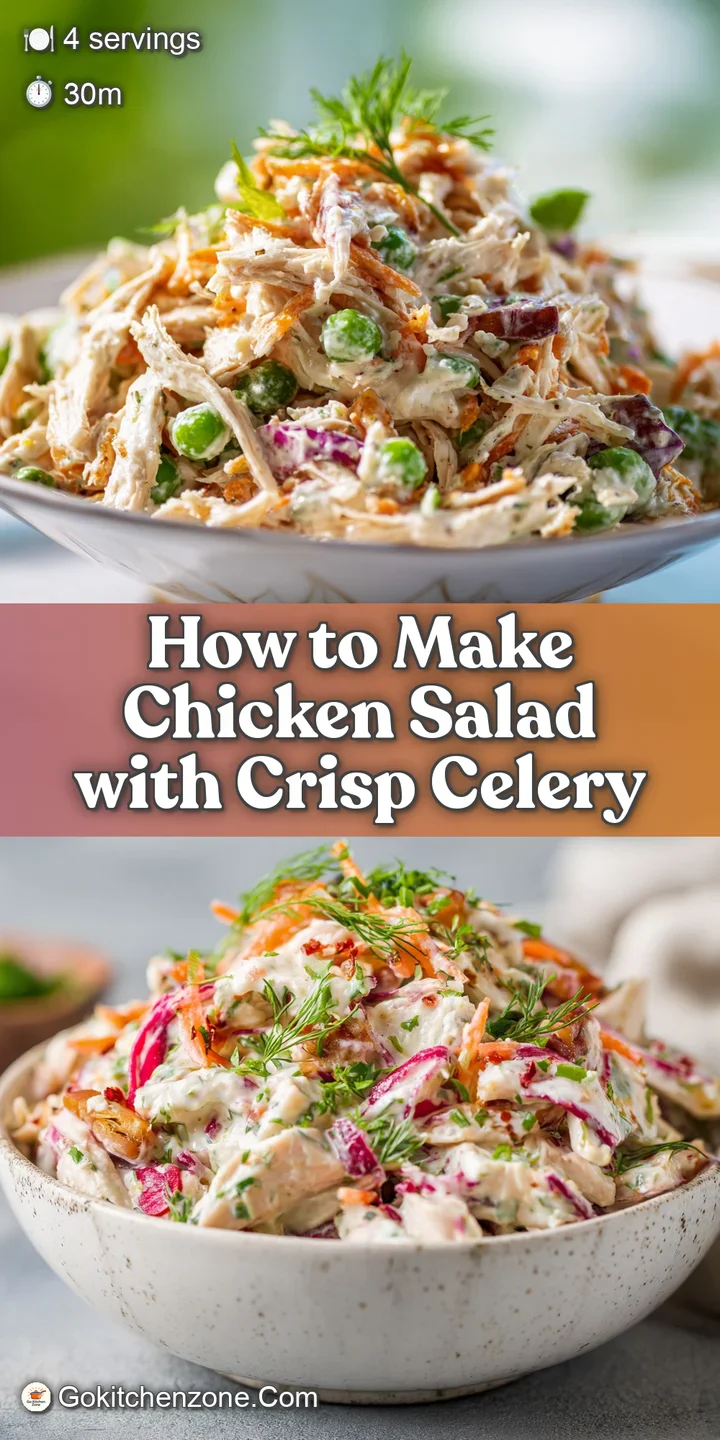
Recipe FAQs
What are the ingredients of chicken salad?
The core ingredients are cooked chicken, a binder (usually mayonnaise or yogurt), celery for crunch, and seasonings. A great recipe elevates this with fresh herbs, toasted nuts, and acid like lemon juice for balance. For a detailed breakdown, review the component list in the main recipe guide.
What are the 4 ingredients in chicken salad?
Chicken, mayonnaise, celery, and salt are the absolute minimum base ingredients. Anything less results in a very plain, textural salad without the necessary richness or flavor complexity we aim for.
What are some common mistakes to avoid when making chicken salad?
Avoid overcooking the chicken and failing to dry your mix-ins. Overcooked chicken yields a rubbery texture, while wet celery releases water, breaking the dressing emulsion. If you enjoyed mastering the sensory doneness cues here, apply that precision to preventing dryness in your next roast chicken.
Is chicken salad just chicken and mayo?
No, treating it as just chicken and mayo leads to a flat, heavy dish. The secret lies in balancing the fat with acid (like lemon or yogurt) and adding texture via crisp vegetables and nuts. This careful balancing act is also key to making a stable dressing, similar to the technique used in our Italian Pasta Salad recipe.
How do I make the chicken moist and not dry before mixing?
Gently poach the chicken in low-simmering, lightly salted water until it reaches 165°F. Avoid rapid boiling, as high heat tightens muscle fibers and forces moisture out, resulting in tough meat. Let it rest for 10 minutes post cook to redistribute those internal juices.
Can I substitute the mayonnaise with a healthier fat source?
Yes, you can substitute a portion with plain Greek yogurt for tang and reduced fat. For a completely dairy-free alternative, mashed avocado works but be aware it changes the color and reduces storage time. If you want to explore another creamy, fat-based, dairy-free option, see how we manage fat ratios in our Autumn Harvest Honeycrisp recipe dressing.
When should I add the celery and nuts for maximum crunch?
Add the diced celery and toasted nuts just before the final fold. This minimizes their contact time with the dressing, ensuring they retain their structural integrity and provide a sharp textural contrast to the soft chicken.
Chicken Salad Silky Crisp
Ingredients:
Instructions:
Nutrition Facts:
| Calories | 411 calories |
|---|---|
| Protein | 31.3 g |
| Fat | 29.2 g |
| Carbs | 4.1 g |
| Fiber | 1.4 g |
| Sugar | 1.3 g |
| Sodium | 775 mg |
