Old Fashioned Smoked Summer Sausage: No Casing
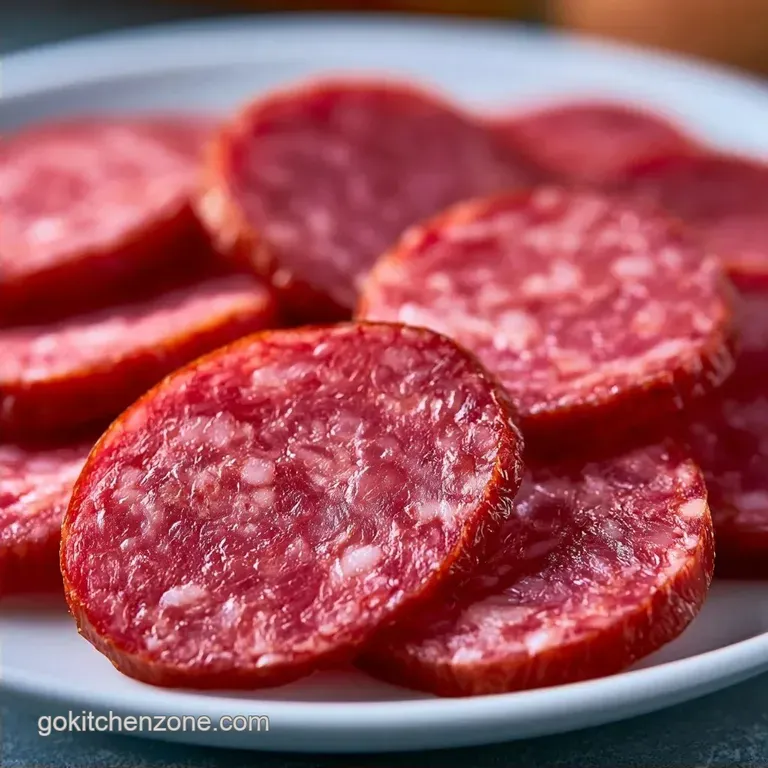
- Time: 30 min active + 24 hr curing + 4 hr smoke
- Flavor/Texture Hook: Tangy, firm, and deeply smoky
- Perfect for: Holiday charcuterie boards or high protein meal prep
- Smoked Summer Sausage without any casing
- Tools for a smarter prep
- The essential ingredient list
- Basic recipe specifications
- Steps for the smoke
- Fixing texture and color
- Adjusting for different sizes
- Common meat myths
- Storage and scrap use
- Flavor variations
- Ideal pairing suggestions
- High in Sodium
- Recipe FAQs
- 📝 Recipe Card
The smell of hickory and salt always hits me the moment I step into my grandfather's backyard in October. He didn't use fancy equipment, just heavy logs of meat and a steady hand with the smoke. I spent hours watching him shape the meat, learning that the real work happens before the fire even starts.
Making a Smoked Summer Sausage is more about temperature control than anything else. If the meat gets too warm, the fat smears, and you end up with a mealy texture instead of a snap. This version removes the stress of stuffing casings, making it a smarter choice for a busy kitchen.
You can expect a mahogany colored log that's lean but juicy. It's a rustic, hearty snack that lasts for weeks and tastes better every day it sits.
Smoked Summer Sausage without any casing
The Protein Bind: Mixing the meat with ice cold water until it's tacky creates a protein network that holds the sausage together. This prevents the log from crumbling when you slice it.
Curing Salt: Pink salt #1 prevents spoilage during the long cure and gives the meat that classic, cured pink color. Serious Eats' testing shows that proper curing is the only way to ensure safety in low temperature smoked meats.
| Method | Time | Texture | Best For |
|---|---|---|---|
| Fresh (No Cure) | 4 hours | Soft/Loose | Immediate eating |
| Cured (This Recipe) | 28.5 hours | Firm/Dense | Long term storage |
Looking at the bind, it's similar to how a Loaded Potato Soup relies on starch for thickness, but here we're using myosin proteins from the beef to create the structure.
Tools for a smarter prep
You don't need a professional smokehouse. A standard pellet grill or an offset smoker works fine. For the prep, a meat grinder with a fine plate is the only "must have" tool.
I recommend a stand mixer if you have one, as it handles the "bind" phase much faster than hand mixing. If you're working without one, a sturdy bowl and a wooden spoon will do the trick.
The essential ingredient list
| Component | Purpose | Substitute Notes |
|---|---|---|
| Lean Beef Chuck | Structural core | Venison: Lower fat, needs more pork fat |
| Pork Shoulder | Moisture and richness | Pork belly: More indulgent, heavier |
| Pink Salt #1 | Safety and color | No substitute; required for safety |
| Ice Cold Water | Protein activation | Apple cider vinegar: Adds a tangy note |
- 2 lbs lean beef chuck Why this? Creates the lean, firm base.
- 1 lb pork shoulder Why this? Provides the fat needed for texture.
- 1 tbsp pink curing salt #1 Why this? Inhibits bacteria and locks in color.
- 2 tbsp brown sugar Why this? Offers a sweet contrast and feeds the smoke.
- 1 tbsp kosher salt Why this? Fundamental seasoning.
- 1 tbsp smoked paprika Why this? Adds an earthy, smoky dimension.
- 1 tsp garlic powder
- 1 tsp onion powder
- 1 tsp ground black pepper
- ½ tsp ground coriander
- ½ tsp ground cloves
- ¼ cup ice cold water Why this? Key for the tacky protein bind.
Basic recipe specifications
- Prep time: 30 minutes
- Cook time: 4 hours
- Total time: 28 hours 30 mins
- Yield: 20 servings
Chef's Tip: Freeze your meat for 20 minutes before grinding. This keeps the fat particles distinct and prevents a "mushy" sausage.
Steps for the smoke
- Chill the meat and grinder components in the freezer for 30 minutes. Note: This prevents fat smearing.
- Process the beef and pork through the fine grinding plate.
- In a chilled bowl, blend the ground meat with the spices, brown sugar, pink salt, and kosher salt.
- Gradually add ice cold water while mixing on medium speed. Mix for 3-5 minutes until the meat is tacky and sticks to your hand.
- Transfer the meat onto a large piece of parchment paper.
- Mold the meat into a log about 3 inches in diameter.
- Roll the paper tightly, twist the ends, and fasten them with kitchen twine.
- Keep the logs in the refrigerator for 24 hours. Note: This allows the cure to penetrate completely.
- Smoke at 160°F until the internal temperature hits 155°F (usually taking 4 hours).
Fixing texture and color

A common issue is the sausage feeling too soft. This usually means the internal temperature didn't reach the target or the meat wasn't mixed long enough to develop the bind. If the outside looks grey, you likely didn't use enough pink salt or the smoke temperature was too low to set the color.
Fixing a crumbly texture
This happens when the protein bind fails. Ensure the meat feels sticky before shaping. For very lean meats like venison, add an extra 1/2 lb of pork fat to help the structure.
Fixing grey color
Grey meat indicates a lack of cure or oxidation. Always use Pink Salt #1 and avoid letting the meat sit at room temperature during the grind.
Fixing a soft exterior
If the log feels squishy, it needs more time in the smoker. Ensure it hits 155°F internally to set the proteins.
| Problem | Fix |
|---|---|
| Crumbly slices | Mix longer until tacky |
| Grey meat | Check curing salt amount |
| Soft exterior | Increase smoke time to 155°F |
Adjusting for different sizes
If you're making a smaller batch (1 lb total), reduce the smoke time by about 20% and use a smaller piece of parchment to keep the log tight.
For larger batches (4x), don't quadruple the salt and cloves. Increase those by 3x only, as strong spices can become overpowering in large volumes. Work in batches during the grinding phase to keep the meat cold.
Common meat myths
Searing the outside of the sausage does not seal in juices. The moisture loss happens throughout the cook. The brown crust is actually for flavor, not juice retention.
You don't need a professional casing to get a "snap." While the parchment wrap doesn't provide a literal snap, the correct protein bind creates a dense, firm bite that mimics the experience.
Storage and scrap use
Keep your Smoked Summer Sausage in a sealed glass jar in the refrigerator for up to 3 weeks. For longer storage, wrap it tightly in freezer paper and freeze for 3 months.
Don't toss the parchment paper if it's just greasy; use it to start your next smoker fire. If you have small bits of meat left over from shaping, fry them up as "sausage crumbles" for a breakfast hash.
Flavor variations
- Spicy kick: Fold in 1 tsp of crushed red pepper flakes.
- Low sodium: Replace kosher salt with a potassium based substitute, but keep the pink salt for safety.
- Beef only: Use 80/20 ground beef. The texture will be slightly coarser than the beef/pork blend.
This Sausage No Casing version is a great high protein snack. If you're serving it as part of a larger spread, it pairs well with a Creamy Homemade Ranch Dip for a bit of coolness against the smoke.
Decision Shortcut
- More tang? → Swap water for apple cider vinegar.
- Higher smoke? → Use hickory pellets.
- Leaner result? → Use 90/10 beef chuck.
Ideal pairing suggestions
Present this thinly sliced on a wooden platter for the best effect. Complement the meat with sharp cheddar, cornichons, and a touch of grainy mustard.
For a more filling meal, cut the sausage into rounds and brown them in a skillet for 2 minutes on each side. This caramelizes the brown sugar, resulting in a beautiful glossy finish. It also works wonderfully on a rustic appetizer board alongside olives and sourdough.
If you're in the mood for something hearty, these slices are perfect for a breakfast hash with peppers and onions. Making your own smoked summer sausage is an excellent way to ensure your fridge is stocked with high-quality protein without relying on store-bought brands.
High in Sodium
820 mg 820 mg of sodium per serving (36% 36% of daily value)
The American Heart Association recommends a daily sodium limit of 2,300mg to reduce the risk of hypertension and cardiovascular disease.
Tips to Reduce Sodium
-
Reduce Kosher Salt-25%
Cut the kosher salt in half or replace it with a potassium based salt substitute to significantly lower the sodium content.
-
Minimize Curing Salt-20%
If the meat is being consumed immediately and not cured for long term storage, reduce the pink curing salt #1 or switch to a fresh sausage preparation.
-
Amplify Aromatics-10%
Increase the amount of garlic powder and onion powder to provide a stronger flavor punch that compensates for the reduction in salt.
-
Enhance with Spices
Add a pinch of extra smoked paprika or ground black pepper to increase the savory depth and complexity without adding any sodium.
Recipe FAQs
How to make summer sausage without casing?
Use parchment paper. Shape the meat into a log and roll it tightly before twisting the ends to secure the form.
What is the smoking time at 225?
Plan for 240 minutes. This duration ensures the meat reaches the proper temperature and absorbs a deep smoky profile.
Is it true that animal casings are required for the shape?
Not true. Using parchment paper provides enough tension to maintain a professional log shape without needing traditional casings.
Do you need to cook summer sausage before eating it?
No, it is pre-cooked. The combination of curing salt and smoking makes the sausage safe to slice and serve cold.
Which dishes pair best with summer sausages?
Serve them on charcuterie boards or in savory sandwiches. If you enjoyed the savory depth here, see how the same bold flavors work in our French Dip.
Can you cook summer sausage?
Yes, you can pan-fry it. Searing the slices in a skillet creates a caramelized exterior that boosts the overall smoky flavor.
Smoked Summer Sausage No Casing