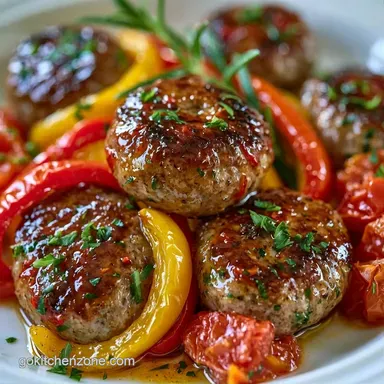
Sausage Peppers Skillet with Summer Sausage
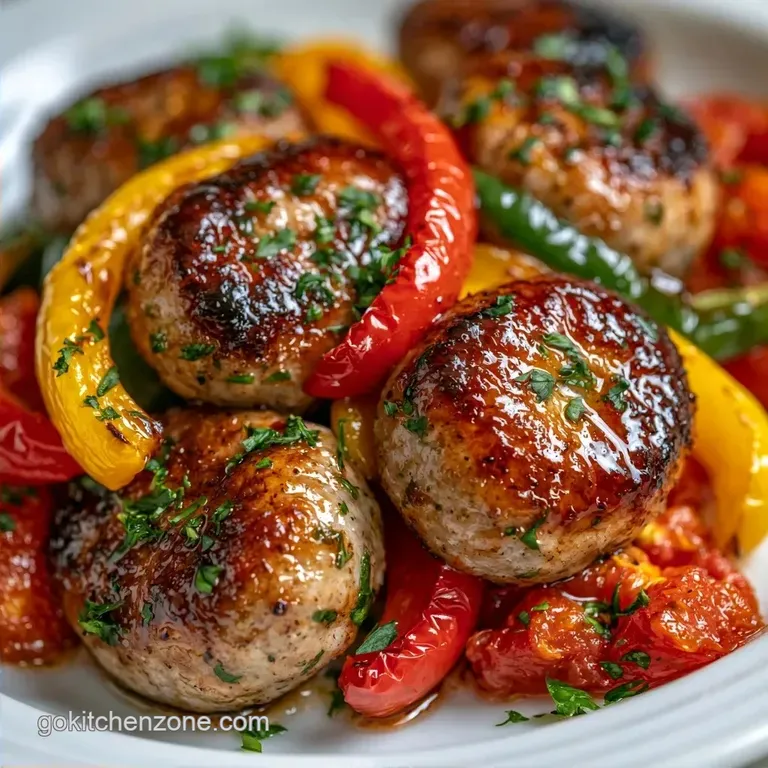
- Time: 10 min prep + 15 min cook
- Flavor/Texture Hook: Mahogany seared sausage with zesty, charred peppers
- Perfect for: Budget-friendly weeknight dinner
Ever wonder why most home cooked versions of this dish end up as a mushy, grey stew? I used to make that exact mistake. I'd just dump everything into the pan and hope for the best, but the vegetables would steam instead of sear, and the sausage stayed pale.
The shift happened when I started treating the pan like a grill. By giving the meat and the peppers their own space to brown, the whole vibe of the meal changes. You get those deep, caramelized edges that actually taste like something.
This Sausage Peppers Skillet is a one pan winner that doesn't cost much. It's fast, uses a few pantry staples, and feels a lot fancier than a 25 minute meal should. Here is how to get it right every time.
Sausage Peppers Skillet Guide
The trick to this recipe is all about temperature management and timing. If you crowd the pan or stir too often, you lose the char.
Searing Order: Browning the sausage first renders out fat that we use to fry the vegetables, which adds depth to the flavor.
The Pepper Pause: Letting the peppers sit undisturbed for 2 minutes at a time allows them to blister. This keeps them crisp in the middle while they get those dark, savory spots on the outside.
Late Acid Addition: Adding balsamic vinegar at the very end keeps the brightness of the acid from cooking off, which cuts through the richness of the cured meat.
| Method | Time | Texture | Best For |
|---|---|---|---|
| Stovetop | 25 mins | Charred & Zesty | Weeknight speed |
| Oven Roast | 45 mins | Soft & Sweet | Meal prep batches |
Recipe Specifications
This is a straightforward build. You aren't fighting with complex timings, but you do need to watch the pan.
For the best results, use a 12 inch skillet. If your pan is too small, the vegetables will release moisture and start boiling in their own juices, which is the enemy of a good sear. According to Serious Eats, leaving meat and vegetables undisturbed is the only way to ensure a proper crust.
The summer sausage is already cured, so we aren't cooking it to a safe internal temp, but rather to a specific color. We want a mahogany brown, not a light tan.
The Ingredient List
For this Sausage Peppers Skillet, picking high-quality peppers is key. Using a variety of colors creates a better harmony of sweet and bitter notes.
Protein and Base
The summer sausage is the main source of salt and smokiness. If you are limiting your salt intake, choose a reduced sodium option. Fire roasted tomatoes bring a subtle charred essence that mimics the taste of a grill.
Seasoning and Sauce
Balsamic vinegar is the secret ingredient here, offering a tangy contrast to the rich fats. Smoked paprika further amplifies the smoky profile of the sausage.
- 1 lb summer sausage (lean or reduced sodium), sliced into 1/4 inch rounds Why this? Creates a savory, smoky foundation (Sub: Kielbasa)
- 1 tbsp extra virgin olive oil Why this? Handles high heat well (Sub: Avocado oil)
- 1 medium yellow onion (150g), thinly sliced Why this? Adds sweetness when browned (Sub: White onion)
- 3 large mixed bell peppers (600g), sliced into strips Why this? For vibrant color and texture (Sub: Mini sweet peppers)
- 3 cloves garlic (15g), minced Why this? Bold aromatic flavor (Sub: 1 tsp garlic powder)
- 1 can 14.5 oz (411g) fire roasted diced tomatoes, undrained Why this? Provides richness and moisture (Sub: Crushed tomatoes)
- 1 tsp dried oregano Why this? Earthy herbal quality (Sub: Dried basil)
- 1/2 tsp smoked paprika Why this? Boosts the smoky notes (Sub: Sweet paprika)
- 1 tsp balsamic vinegar Why this? Cuts through the heavier flavors (Sub: Red wine vinegar)
- sea salt to taste
- black pepper to taste
Required Kitchen Gear
Minimal equipment is required for this recipe; a heavy-bottomed pan is the only absolute necessity.
I recommend a 12-inch cast iron skillet because it retains heat more effectively than stainless steel, preventing the temperature from dipping when the peppers are added. A non-stick pan will work in a pinch, though you won't achieve as deep of a mahogany crust on the meat.
A sharp chef's knife is also essential. Make sure your pepper and onion strips are cut to a uniform width; otherwise, the thinner pieces will turn to mush before the thicker ones are fully softened.
Cooking Steps
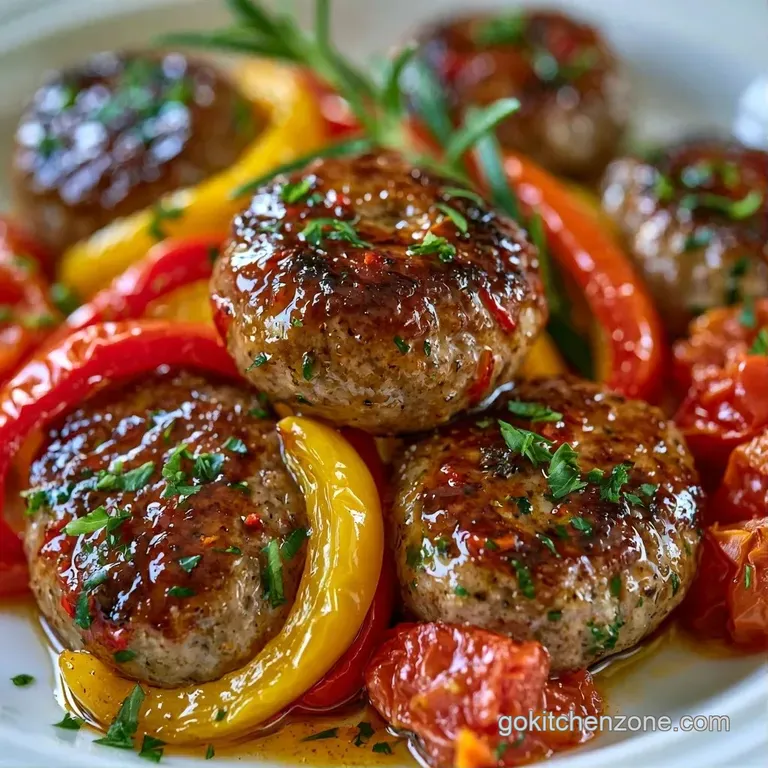
Complete your prep work first. Everything moves quickly once the oil is hot.
Searing the Meat
- Heat the olive oil in a large skillet over medium high heat.
- Place the sliced summer sausage in a single layer. Cook for 3-4 minutes per side until the edges are mahogany colored and slightly crisp. Note: Avoid overcrowding the pan to prevent steaming
- Remove the sausage to a plate, leaving the rendered fat behind.
Blistering the Veggies
- In the same skillet, add the sliced onions and bell peppers. Sauté for 5-7 minutes. Let the vegetables sit for 2 minutes at a time without stirring to develop charred, caramelized edges.
- Mix in the minced garlic, dried oregano, and smoked paprika. Cook for 1 minute until the garlic smells fragrant but hasn't turned brown.
The Final Simmer
- Pour in the undrained fire roasted diced tomatoes and return the seared sausage to the pan.
- Simmer for 3-5 minutes until the sauce slightly reduces and thickens.
- Stir in the balsamic vinegar during the final 60 seconds of cooking.
- Season with sea salt and black pepper to taste before serving.
Solving Common Issues
The most frequent complaint with a Sausage Peppers Skillet is the texture of the vegetables. If they feel like boiled peppers, you likely struggled with pan temperature.
Another issue is the salt. Summer sausage is already very salty. I've seen people add salt at the beginning, only to find the dish inedible by the end. Always taste the sauce before adding any extra sea salt.
If your sausage didn't brown and looks grey, it's because there was too much moisture in the pan or the heat was too low. Let the oil shimmer before adding the meat.
Peppers Too Soft
This happens if the heat is too low or you simmer the tomatoes for too long. Keep the heat high and the simmer short.
Dish Too Salty
Since the sausage is cured, the salt concentrates as the liquid reduces. Add a pinch of sugar or an extra splash of vinegar to balance it.
Sausage Not Browning
Usually caused by overcrowding the pan. Cook the meat in two batches if you have a small skillet.
| Problem | Root Cause | Solution |
|---|---|---|
| Mushy Peppers | Low heat or over stirring | Sauté on high; let sit for 2 mins |
| Grey Meat | Pan too cold or overcrowded | Heat oil until shimmering; sear in batches |
| Overly Salty | Too much added salt | Add a splash of water or extra vinegar |
| Goal | What to change |
|---|---|
| More Heat | Add red pepper flakes |
| Extra Thick | Simmer 5 mins longer |
| Lower Sodium | Rinse canned tomatoes |
Serving Suggestions
This meal is versatile. For a low carb night, I serve it as is in a bowl. But if you're feeding a hungry crowd, it's great over a bed of white rice or tossed with some penne.
You could even drizzle some Garlic Butter Sauce over the top for extra richness. If you want something with a grain, my Ground Beef and Rice recipe is a great alternative for your next meal prep.
For a more rustic feel, serve it inside a toasted hoagie roll with a slice of melted provolone cheese.
Keeping Leftovers Fresh
This sausage and pepper meal is often more flavorful the following day, as the vegetables fully absorb the smoky tomato sauce.
Place leftovers in an airtight glass container and keep them refrigerated for a maximum of 4 days. I would avoid freezing this recipe, since the bell peppers lose their integrity and can become grainy once thawed.
For reheating, try to avoid the microwave. Instead, return the mixture to a skillet over medium heat for 5 minutes; this preserves the sausage's texture and keeps the peppers from becoming too soft.
To minimize waste, save any remaining onion or pepper trimmings in a freezer bag for a future stir-fry or use them to start a vegetable stock.
Customizing Your Meal
Feel free to customize this Sausage Peppers Skillet based on your dietary needs and available ingredients.
Low Carb Option
This dish is low carb by nature. Just verify that your summer sausage contains no added sugars. Instead of rice, serve it over cauliflower rice or sautéed spinach.
Hearty Meal Option
To make the meal more filling, stir in a can of cannellini beans during the final simmer to add creaminess and bulk.
Adding Heat
For extra spice, replace one bell pepper with a habanero or jalapeño. You can also stir in a teaspoon of red pepper flakes when adding the garlic.
Vegan Alternative
Swap the olive oil for a neutral vegan oil and use a plant-based sausage. The remaining ingredients are already vegan, preserving the original flavor profile.
Adding Greens
Stir in two handfuls of baby spinach or kale during the final 60 seconds of cooking so the residual heat wilts them perfectly.
When making a larger batch for a group, avoid simply doubling the seasonings. Use 1.5x the paprika and oregano to prevent the flavors from becoming too intense. Always sear the meat in batches to maintain pan temperature. If you're making a half batch, cut the vegetable cooking time by roughly 20%.
High in Sodium
1120 mg 1120 mg of sodium per serving (49% 49% of daily value)
The American Heart Association recommends a daily sodium limit of no more than 2,300 mg for most adults to maintain heart health.
Tips to Reduce Sodium
-
Swap the Summer Sausage-25%
Replace the processed summer sausage with fresh lean turkey sausage or grilled chicken breast to significantly cut down on cured salts.
-
Omit Added Salt-25%
Remove the sea salt to taste entirely; the sausage and tomatoes already provide substantial sodium.
-
Use No-Salt-Added Tomatoes-20%
Substitute the fire-roasted diced tomatoes with a no-salt-added version or fresh diced tomatoes.
-
Enhance with Aromatics
Increase the amount of fresh garlic and black pepper to add depth and a pungent kick without adding any sodium.
Recipe FAQs
Is it true that summer sausage must be cooked before eating?
Actually, no. Summer sausage is a cured meat and is perfectly safe to eat cold straight from the package. Searing it in a skillet simply enhances the flavor and adds a crisp texture.
How to cook summer sausage for the best sear?
Heat olive oil in a skillet over medium-high heat. Sauté the sliced rounds for 3-4 minutes per side until the edges turn a deep mahogany color.
What other ways can I serve this sausage skillet?
This dish pairs wonderfully with crusty bread or steamed rice to soak up the sauce. If you enjoyed the savory depth of this meal, see how we build similar rich flavors in our brown gravy.
How long does sealed summer sausage stay fresh?
Sealed packages typically last for several months when kept in a cool, dry pantry. Once you open the wrapping, you should store the sausage in the refrigerator.
Sausage Peppers Skillet in 26 Minutes