Butter Chicken: Stovetop Restaurant Style
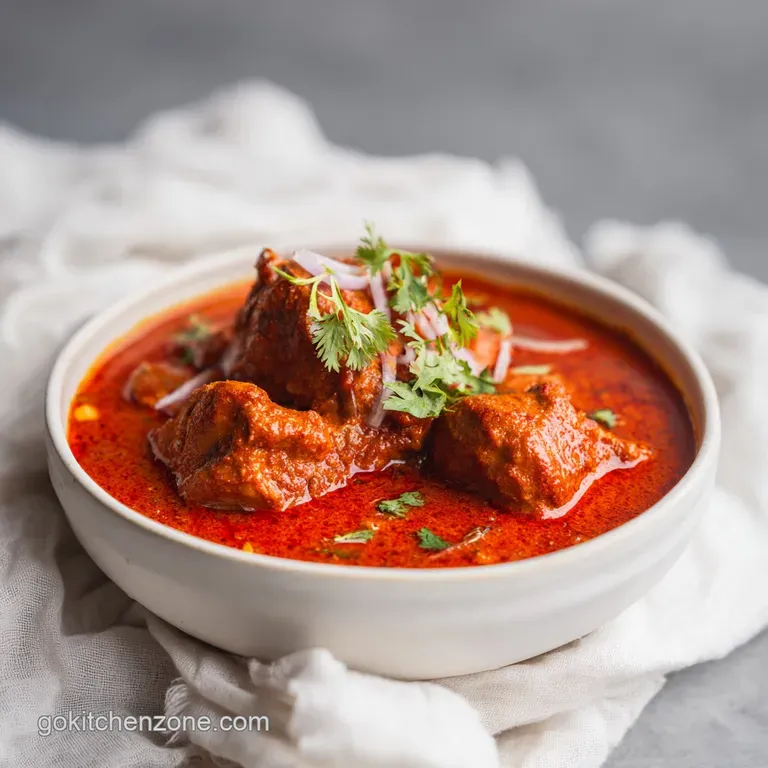
- Time: Active 15 minutes, Passive 15 minutes, Total 30 minutes
- Flavor/Texture Hook: Silky, spiced tomato gravy with charred, tender chicken
- Perfect for: Stressful weeknight dinners or an impressive last minute date night
- Mastering the Fast and Creamy Butter Chicken
- The Physics of the Velvety Sauce
- Essential Facts for the Busy Cook
- The Simple Pantry Staples You Need
- Minimal Tools for Maximum Flavor Impact
- Real Cooking Steps for Busy Weeknights
- Fixing Common Texture and Flavor Issues
- Easy Ingredient Swaps and Modern Twists
- Debunking Butter Chicken Misconceptions
- Storing and Repurposing Your Extra Portions
- The Best Ways to Enjoy Dinner
- Recipe FAQs
- 📝 Recipe Card
Mastering the Fast and Creamy Butter Chicken
The first time I tried making this, I followed a traditional recipe that had me marinating chicken for twelve hours and standing over a pot for three. It was Tuesday, I was starving, and honestly, the result was fine, but it wasn't three hours-of my-life fine.
I realized that for most of us, the dinner struggle is real, and we need a version that actually happens between finishing work and hitting the couch.
That’s when I started experimenting with shortcuts that don't sacrifice the soul of the dish. The sizzle of the chicken hitting the ghee and the instant aroma of cinnamon and cardamom filling the kitchen is exactly what you need after a long day.
We're going for that velvety texture and a spice profile that hits all the right notes without requiring a culinary degree or a whole afternoon.
We've all been there, staring at a takeout menu because the idea of a complex curry feels too heavy. Trust me on this: this version is faster than the delivery driver. It uses a few clever tricks, like cold butter and tomato passata, to get that glossy finish in a fraction of the time.
You'll get those charred edges on the chicken and a sauce so smooth you'll want to drink it.
The Physics of the Velvety Sauce
Emulsification Stability: Cold butter added at the very end creates a stable emulsion with the tomato acidity, resulting in a glossy, thick texture rather than a greasy one.
Acid Induced Tenderization: The lactic acid in the Greek yogurt breaks down lean chicken proteins quickly, ensuring the meat stays juicy during the over high heat sear.
| Chicken Cut | Internal Temp | Rest Time | Visual Cue |
|---|---|---|---|
| 1 inch Breast | 165°F | 3 mins | Opaque and springy to touch |
| 1 inch Thigh | 175°F | 5 mins | Juices run clear when poked |
| Mixed Pieces | 165°F | 4 mins | No pink visible in centers |
This table helps you decide exactly when to pull that chicken off the heat so it doesn't turn into rubber while the sauce simmers. Getting the timing right is the difference between "okay" and "restaurant level" results. If you find yourself enjoying these quick protein based meals, you might also like the simple technique used in this Baked Chicken Thighs recipe.
Essential Facts for the Busy Cook
Maillard Reaction: Searing the yogurt marinated chicken at high heat creates toasted flavor compounds that a slow simmer simply cannot replicate.
Fat Soluble Flavor: Spices like turmeric and garam masala are fat soluble, meaning they need to "bloom" in the ghee to release their full aromatic potential into the dish.
Starch Gelatinization: The natural pectin in tomato passata provides the body for the sauce, which is why we use it over watery canned tomatoes for a faster thicken.
Synergistic Spicing: The combination of cold butter and heavy cream at different temperatures prevents the dairy from splitting while maximizing the richness of the mouthfeel.
| Ingredient | Science Role | Pro Secret |
|---|---|---|
| Greek Yogurt | Protein Tenderizer | Use full fat for the best acid to fat ratio |
| Tomato Passata | Flavor Base | It’s pre strained, so your sauce stays perfectly smooth |
| Cold Butter | Emulsifier | Whisk it in off the heat to create a "velvety" finish |
Using cold butter instead of room temperature is a trick I learned from French pan sauces. When the cold fat hits the warm sauce, it incorporates slowly, creating a much more stable and luxurious texture. It’s a tiny detail that makes a massive impact on the final plate.
The Simple Pantry Staples You Need
- 1.5 lbs Chicken breast: Cut into 1 inch pieces. Why this? Fast cooking time and leans into the sauce's richness.Substitute: Chicken thighs for more moisture.
- 1/2 cup Plain Greek yogurt: Why this? The thick consistency clings to chicken for a better sear.Substitute: Sour cream if you're in a pinch.
- 1 tbsp Lemon juice: Why this? Brightens the heavy fats in the sauce.Substitute: Lime juice or white vinegar.
- 1 tbsp Ginger garlic paste: Why this? The essential aromatic foundation of Indian cooking.Substitute: Finely grated fresh ginger and garlic.
- 1 tsp Ground turmeric: Why this? Adds earthy depth and that iconic golden hue.Substitute: Saffron threads for a luxury twist.
- 1 tsp Garam masala: Why this? A complex blend that provides warmth without heat.Substitute: Equal parts cumin and allspice.
- 1/2 tsp Kashmiri chili powder: Why this? Provides a vibrant red color with mild heat.Substitute: Paprika with a tiny pinch of cayenne.
- 2 tbsp Ghee: Why this? High smoke point allows for a proper sear.Substitute: Neutral oil like avocado or canola.
- 3 tbsp Salted butter: Keep this cold. Why this? Essential for the final glossy emulsion.Substitute: Unsalted butter plus a pinch of salt.
- 1 cup Tomato passata: Why this? Smooth, concentrated tomato flavor without seeds.Substitute: Tomato sauce (not ketchup!).
- 1 tbsp Sugar: Why this? Balances the intense acidity of the tomatoes.Substitute: Honey or maple syrup.
- 1/2 cup Heavy cream: Why this? Provides the "butter" in butter chicken.Substitute: Full fat coconut milk for a dairy-free vibe.
- 1 tsp Dried Fenugreek leaves (Kasuri Methi): Why this? The "secret" restaurant ingredient for that nutty aroma.Substitute: A tiny pinch of maple syrup and celery salt.
- 1 Cinnamon stick: Why this? Infuses a woody sweetness into the gravy.Substitute: 1/4 tsp ground cinnamon.
- 3 Green cardamom pods: Crack them open. Why this? Releases floral, citrusy notes into the fat.Substitute: 1/4 tsp ground cardamom.
Minimal Tools for Maximum Flavor Impact
You don't need a tandoor oven or a dozen fancy pans for this. A heavy bottomed skillet, like a cast iron or a thick stainless steel pan, is your best friend here because it holds heat well for searing the chicken. You'll also need a mixing bowl for the marinade and a whisk or wooden spoon to keep that sauce moving.
Avoid using thin, non stick pans if you can help it. They don't get hot enough to create those charred, crispy bits on the chicken that add so much flavor. If you find yourself making a lot of creamy, one pan meals like this, you might notice the method is quite similar to a Chicken Divan Recipe, where getting the sauce consistency right is everything.
Real Cooking Steps for Busy Weeknights
- Marinate the chicken. Combine the chicken pieces, yogurt, lemon juice, ginger garlic paste, turmeric, garam masala, and chili powder in a bowl. Note: Even 10 minutes makes a huge difference in tenderness.
- Sear the chicken. Heat 1 tbsp of ghee in your skillet over high heat until the pan is shimmering and slightly smoking.
- Create the char. Add the chicken in a single layer (work in batches if needed) and cook for 3 minutes per side until deep golden brown spots appear. Remove chicken and set aside.
- Bloom the aromatics. Lower the heat to medium and add the remaining ghee, the cinnamon stick, and the cracked cardamom pods. Cook until the spices smell toasted and fragrant, about 1 minute.
- Simmer the tomato base. Pour in the tomato passata and sugar. Let it bubble for 5 minutes until the sauce darkens and thickens slightly.
- Return the chicken. Stir the seared chicken and any resting juices back into the skillet. Simmer for 5 minutes until the chicken is cooked through.
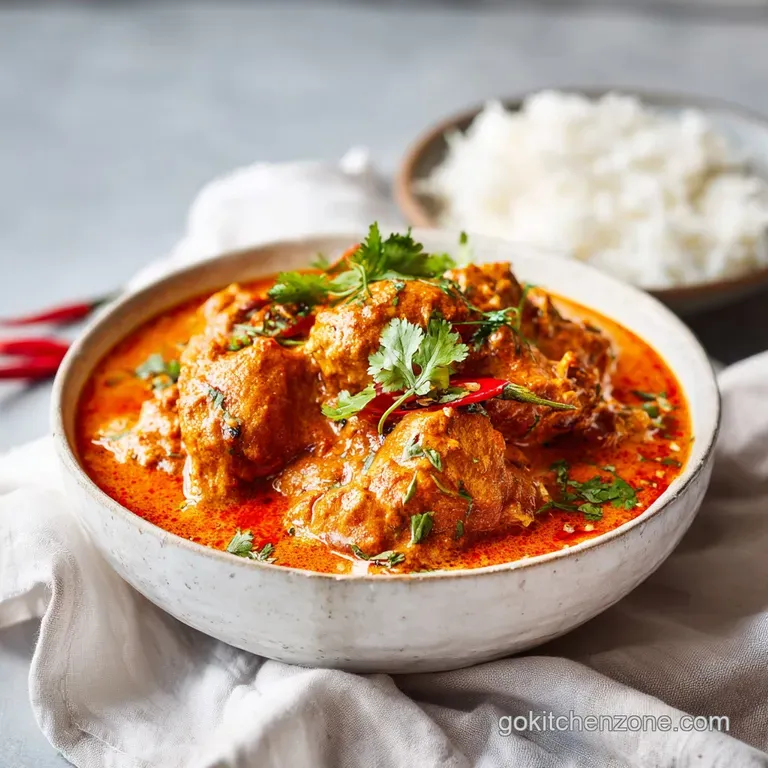
- Add the cream. Stir in the heavy cream and the dried fenugreek leaves. Watch as the sauce turns into a vibrant, silky orange.
- The butter finish. Turn off the heat completely. Drop in the cold butter cubes and whisk gently until the butter has completely melted and the sauce is glossy.
- Final seasoning. Taste your sauce. It might need a tiny pinch more salt or sugar depending on the acidity of your tomatoes.
- Garnish and serve. Remove the cinnamon stick and cardamom pods if you can find them, then serve immediately.
| Feature | Fresh Passata | Canned Tomato Paste |
|---|---|---|
| Texture | Velvety and light | Thick and slightly grainy |
| Cook Time | 5-7 minutes | 15+ minutes to mellow |
| Flavor | Bright and acidic | Deeply caramelized |
Fixing Common Texture and Flavor Issues
Solving a Grainy Sauce Texture
If your sauce looks a bit curdled or grainy, it usually happens because the heat was too high when the dairy was added. The proteins in the yogurt or cream can clump together if they get shocked by high heat. To fix this next time, make sure you're using full fat ingredients and lower the heat before adding the cream.
If it's already happened, a quick blitz with an immersion blender can often save the day and restore that smooth feel.
Balancing Overly Sour Gravy
Sometimes the tomatoes are just more aggressive than we expected. If the first bite makes you pucker, the acidity is too high. Don't just dump in more sugar; try adding another tablespoon of heavy cream or a tiny pinch of baking soda (literally a dusting).
The baking soda neutralizes the acid chemically, while the cream cushions the sharp edges of the flavor.
Preventing the Cream from Splitting
Splitting usually occurs when the fat separates from the liquid. This is why we add the butter off the heat. If you boil the sauce after adding the butter and cream, you're likely to end up with a layer of oil on top. It still tastes okay, but you lose that professional finish.
Keep it at a gentle simmer, never a rolling boil, once the dairy is in the pan.
| Problem | Root Cause | Solution |
|---|---|---|
| Thin Sauce | Too much liquid from chicken | Simmer uncovered for 3 extra mins before adding cream |
| Bland Flavor | Spices didn't bloom | Add a 1/2 tsp of Garam Masala at the very end |
| Tough Chicken | Overcooked during sear | Reduce sear time; chicken finishes cooking in the sauce |
Common Mistakes Checklist
- ✓ Pat the chicken dry before marinating to ensure the yogurt sticks properly.
- ✓ Do not crowd the pan during the sear; if the chicken touches, it will steam instead of brown.
- ✓ Crack the cardamom pods open; the flavor is in the seeds, not the green husks.
- ✓ Always use cold butter for the final step to ensure the sauce becomes glossy rather than oily.
- ✓ Let the chicken rest for a couple of minutes after browning so the juices stay inside.
Easy Ingredient Swaps and Modern Twists
If you want to scale this down for a solo dinner, just halve everything and use a smaller skillet. The cook times stay mostly the same, but watch the sauce carefully so it doesn't evaporate too fast. To scale up for a crowd, work in batches for the chicken searing.
Don't try to double the chicken in one pan or you'll lose that beautiful char.
For baking enthusiasts who want to scale this for a large party, you can sear the chicken in batches, then combine everything in a large casserole dish and bake at 350°F (180°C) for 20 minutes.
It’s a great way to handle 8-10 servings without standing over the stove all night.
| Original Ingredient | Substitute | Why It Works |
|---|---|---|
| Heavy Cream (1/2 cup) | Coconut Milk (full fat) | Similar fat content. Note: Adds a tropical flavor profile |
| Ghee | Avocado Oil | High smoke point for searing without the dairy |
| Chicken Breast | Paneer Cubes | Stays firm and absorbs the sauce beautifully |
If you're looking for a side that's a bit different from standard rice, the sweetness of a Paula Deen Corn Casserole recipe actually pairs surprisingly well with the spiced tomato gravy.
Debunking Butter Chicken Misconceptions
One major myth is that "Butter Chicken must be spicy." In reality, the classic version is known for being mild and creamy. The heat should be a background hum, not a punch to the face. That's why we use Kashmiri chili powder, which is prized for its color more than its sting.
Another common belief is that you need a clay oven (tandoor) to get the right flavor. While that adds a smoky element, a very hot heavy skillet can replicate the "char" effectively.
The smokiness can also be mimicked by finishing the dish with a tiny bit of smoked paprika or the traditional "dhungar" method of using a hot coal.
Storing and Repurposing Your Extra Portions
Storage: This is one of those rare dishes that actually tastes better the next day. Keep it in an airtight container in the fridge for up to 4 days. The spices have more time to mingle, and the sauce thickens even further.
When reheating, do it gently on the stovetop with a splash of water or extra cream to loosen it up. Avoid the microwave if possible, as it can cause the chicken to get rubbery.
Zero Waste: If you have leftover sauce but no chicken, don't you dare throw it out. It makes an incredible base for a "shakshuka style" breakfast the next morning just poach some eggs directly in the gravy. You can also toss it with roasted cauliflower or use it as a dip for crusty bread.
If you have extra ginger or garlic, mince it and freeze it in olive oil in an ice cube tray for your next meal prep.
The Best Ways to Enjoy Dinner
Butter chicken is nothing without something to soak up that liquid gold. Basmati rice is the standard, but a piece of warm garlic naan is non negotiable in my house. If you’re feeling adventurous, try serving it over a bed of crispy roasted potatoes for a "poutine style" twist that is absolutely life changing.
3 Bullet Decision Shortcut
- If you want a richer, restaurant style finish, stir in an extra tablespoon of cold butter just before serving.
- If you want a healthier, lighter version, swap the heavy cream for Greek yogurt mixed with a little water.
- If you want a smokier flavor, add a 1/4 teaspoon of liquid smoke or a pinch of smoked paprika to the passata.
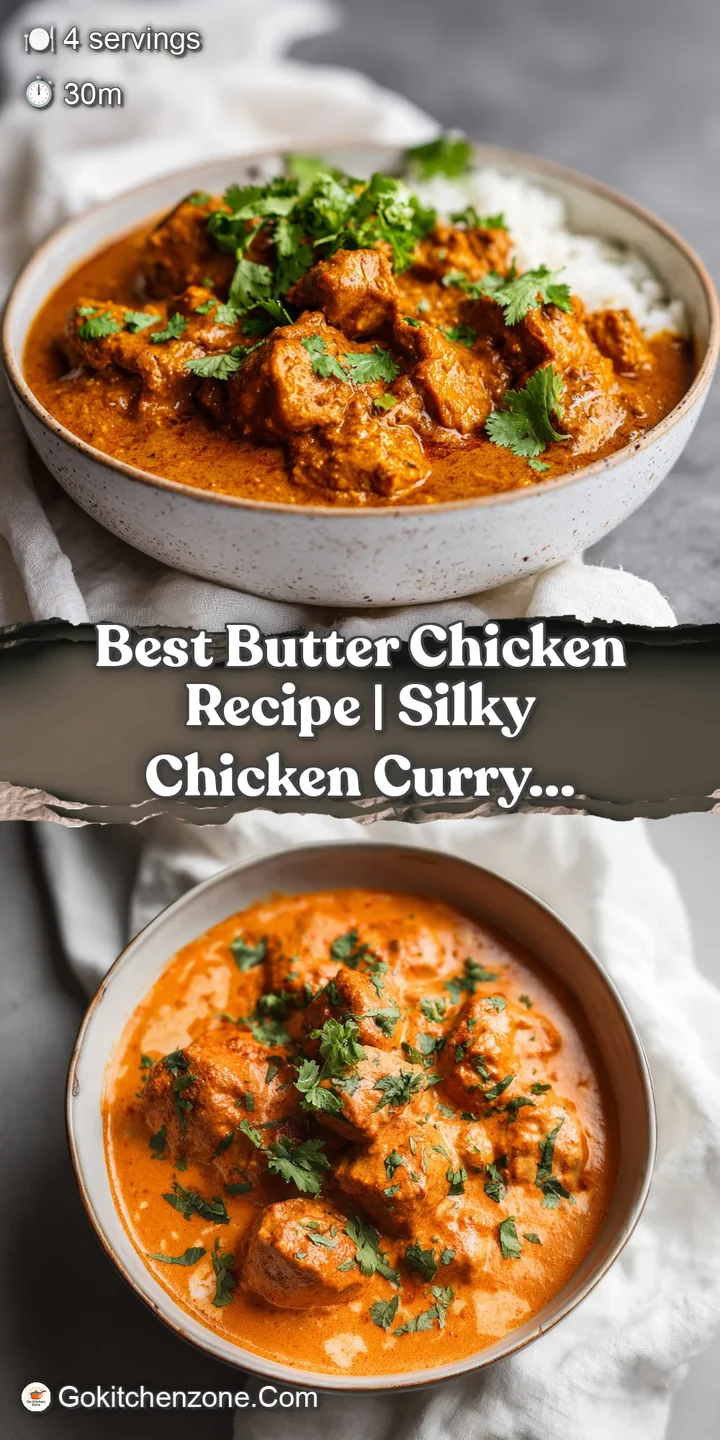
The final touch should always be a handful of fresh cilantro and maybe a few extra cracks of black pepper. The green pop of the herbs cuts through the orange richness and makes the whole dish look like it belongs on a magazine cover. Dig in while it's hot, and don't be afraid to use your hands with that naan!
Recipe FAQs
What's in traditional butter chicken?
Chicken, tomatoes, spices, butter, and cream. The core components include marinated, charred chicken pieces simmered in a rich tomato gravy seasoned heavily with garam masala, turmeric, and kasuri methi (dried fenugreek leaves).
What's the secret to really flavorful butter chicken?
Searing the chicken at high heat and finishing with cold butter. The high heat sear creates Maillard compounds that a slow simmer can't replicate, and whisking in cold butter off the heat creates a perfectly stable, glossy emulsion that provides the signature velvety mouthfeel.
Does authentic butter chicken have cream in it?
Yes, heavy cream is essential for authenticity and texture. The cream not only mellows the tomato acidity but also provides the necessary fat content to create the characteristic rich, luxurious coating on the chicken.
What is butter chicken traditionally called?
It is traditionally known as Murgh Makhani, meaning 'Chicken of Butter.' This name directly references the high volume of butter used to finish the sauce, giving it a luxurious texture.
How to make the sauce thick without long simmering?
Use tomato passata instead of crushed tomatoes and finish with cold butter. Passata is already strained and concentrated, reducing the cooking time needed to achieve body, similar to how we control moisture in our [Ground Beef Stir recipe] for a quick sauce.
Can I make this recipe dairy-free?
Yes, you can substitute the dairy components effectively. Replace the Greek yogurt marinade with coconut cream and use full fat coconut milk instead of heavy cream for the finishing step; this maintains richness well.
Why does my chicken taste bland even with all the spices?
The spices likely didn't "bloom" properly in the fat. You must cook the ground spices (like garam masala) in hot ghee for about 60 seconds before adding the tomatoes to ensure the fat-soluble flavor compounds are fully released into the sauce.
Quick Butter Chicken Recipe
Ingredients:
Instructions:
Nutrition Facts:
| Calories | 591 calories |
|---|---|
| Protein | 57.2g |
| Fat | 34.1g |
| Carbs | 8.4g |
| Fiber | 1.2g |
| Sugar | 6.1g |
| Sodium | 718mg |
