Minute Steak Recipe with Garlic Butter
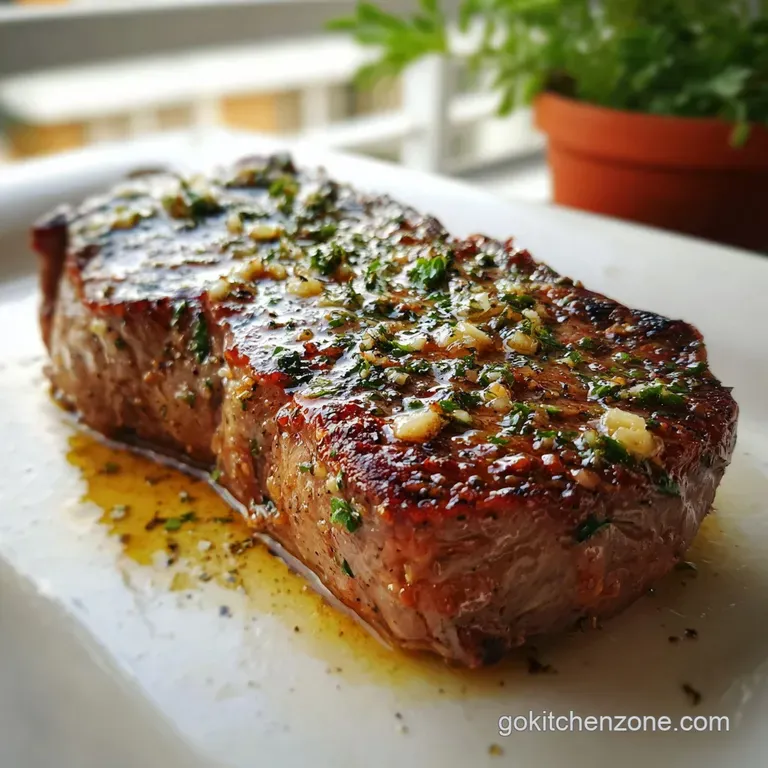
- Time: Active 10 mins, Passive 4 mins, Total 14 mins
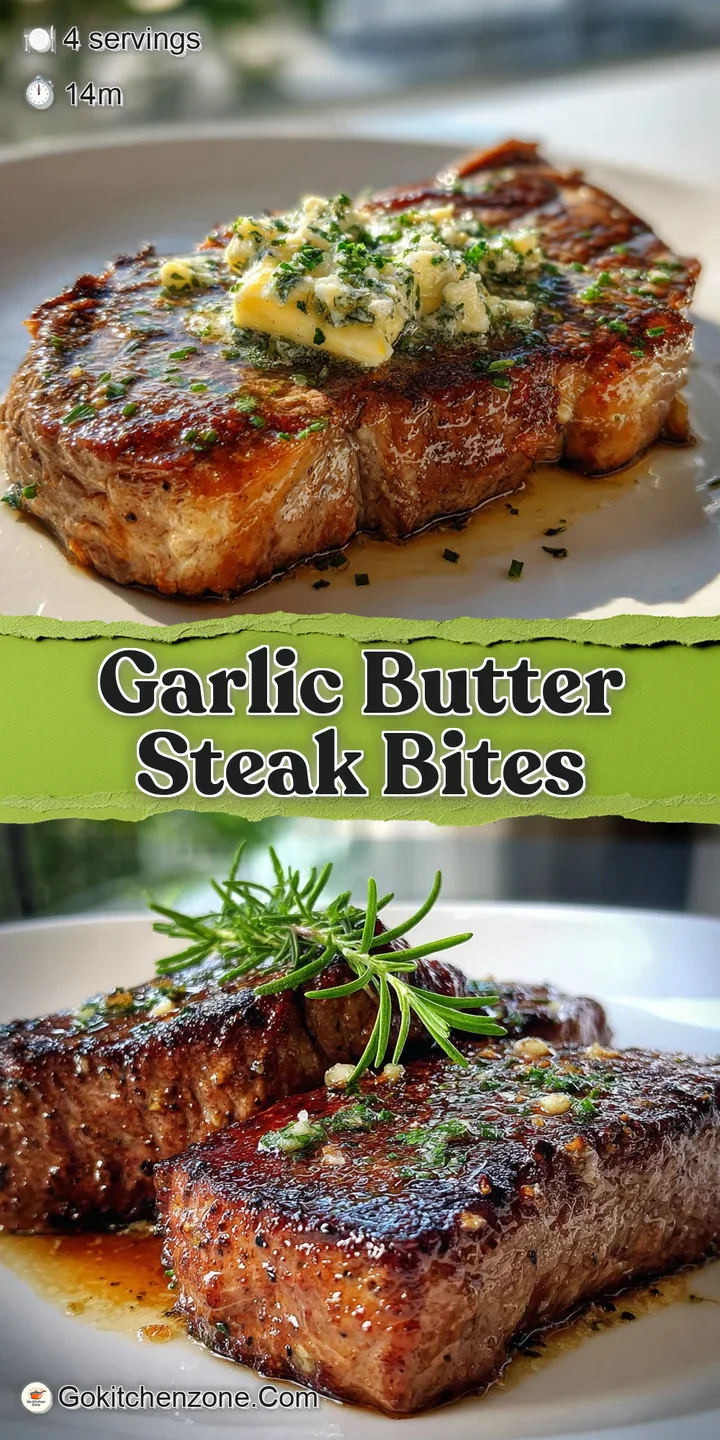
- Flavor/Texture Hook: Savory seared crust with a velvety garlic lemon finish
- Perfect for: Weeknight dinner struggle or beginner friendly date night
- Making the Minute Steak Recipe with Garlic Butter
- Fast Science of Flash Searing
- Detailed Ingredient Component Analysis
- Steak Success by the Numbers
- Building a Better Flavor Base
- Essential Tools for Searing Meat
- Step-by-Step Seared Steak Guide
- Fixing Common Cooking Errors
- Simple Flavor and Texture Variations
- Safe Storage and Fresh Reheating
- Best Side Dish Pairings
- Recipe FAQs
- 📝 Recipe Card
Making the Minute Steak Recipe with Garlic Butter
The sizzle of a hot pan is the best sound after a long day of work. I remember one Tuesday when the dinner struggle was real; I had zero energy for a slow roast but was craving something substantial.
I pulled out some thin cut steaks, hit them with high heat, and watched the meat transform into something spectacular in less time than it takes to boil a pot of water.
This is the ultimate solution for those nights when you want steakhouse quality without the steakhouse wait. We are using 1.5 lbs of minute steaks, which are essentially thin cut sirloin or tenderized cube steaks.
Because they are so thin, they cook in a flash, allowing you to get that beautiful brown crust without overcooking the inside into a piece of leather.
You can expect a dish that is deeply savory, thanks to the 4 tbsp of unsalted butter and 3 cloves of fresh garlic. It's a one pan wonder that proves you don't need expensive cuts or hours of prep to eat well. Let's get into how to make this happen without any fuss or wasted effort.
Fast Science of Flash Searing
Surface Area Ratio: Thin steaks have a massive surface to volume ratio, meaning almost every bite contains the browned, flavorful compounds from the Maillard reaction.
Conductive Heat Transfer: Using avocado oil (which has a high smoke point) allows for rapid heat transfer from the pan to the protein fibers, creating a sear before the internal moisture can escape.
Carryover Thermodynamics: Because these steaks are thin, they continue cooking internally for about 60 seconds after leaving the pan, so pulling them early is the secret to tenderness.
| Thickness | Internal Temp | Rest Time | Visual Cue |
|---|---|---|---|
| 0.5 cm | 145°F (63°C) | 2 mins | Deep brown crust, no red juices |
| 1.0 cm | 145°F (63°C) | 3 mins | Edges curl slightly, firm touch |
| 1.5 cm | 145°F (63°C) | 3 mins | Center feels springy like a sponge |
Choosing the right thickness is the first step toward avoiding a rubbery dinner. Most grocery stores sell minute steaks pre tenderized, which helps break down the tough connective tissue, making it much more similar to the texture found in our Beef Steak and recipe.
Detailed Ingredient Component Analysis
| Ingredient | Science Role | Pro Secret |
|---|---|---|
| Avocado Oil | High smoke point fat | Start with a cold pan and oil to see the "shimmer" before adding meat |
| Unsalted Butter | Emulsifier and flavor carrier | Add it at the very end to prevent the milk solids from burning |
| Lemon Zest | Acidic brightness | Cuts through the heavy fat of the steak and butter for a balanced bite |
Steak Success by the Numbers
When you are in a rush, you might be tempted to skip the "classic" steakhouse methods. However, this method bridges the gap between a 2 hour sous vide and a 5 minute stir fry. You get the concentrated flavor of a traditional sear with the speed of a weeknight stir fry.
| Feature | Flash Sear Method | Classic Steakhouse |
|---|---|---|
| Cook Time | 4 minutes | 15-20 minutes |
| Prep Difficulty | Very Low | Moderate |
| Equipment | 1 Cast Iron Pan | Pan + Oven + Thermometer |
The fast method works because we are using thinner cuts. If you try to cook a 2 inch thick ribeye this way, the outside will char while the inside stays raw. With 1.5 lbs of minute steaks, the heat penetrates quickly enough that the internal temperature reaches a safe 145°F (63°C) just as the crust reaches a beautiful golden hue.
Building a Better Flavor Base
Selecting your elements is the key to a successful dinner. You don't need a pantry full of spices; you just need a few high-quality basics.
- 1.5 lbs minute steaks: Look for thin cut sirloin. Why this? It's affordable and tenderizes quickly under high heat.
- Substitute: Thinly sliced flank steak or skirt steak (slice against the grain).
- 1 tbsp avocado oil: This oil handles high heat without smoking. Why this? Prevents the "burnt oil" taste common with olive oil.
- Substitute: Grapeseed oil or clarified butter (ghee).
- 1 tsp kosher salt: Use coarse grains for better coverage. Why this? Draws out surface moisture for a better crust.
- Substitute: Sea salt (use slightly less if the grains are very fine).
- 1/2 tsp coarsely ground black pepper: Freshly cracked is best. Why this? Adds a punch of heat that pre ground pepper lacks.
- Substitute: White pepper for a more subtle, earthy heat.
- 4 tbsp unsalted butter: Slightly softened. Why this? Allows it to melt and emulsify with the garlic instantly.
- Substitute: Non dairy butter sticks (ensure they have a high fat content).
- 3 cloves garlic: Finely minced. Why this? Mincing releases more sulfur compounds for a stronger flavor.
- Substitute: 1 tsp garlic paste (avoid garlic powder here).
- 1 tsp fresh parsley: Finely chopped. Why this? Adds a grassy freshness to the rich butter.
- Substitute: Fresh chives or a pinch of dried thyme.
- 1/2 tsp lemon zest: Just the yellow part. Why this? The oils in the zest provide aroma without making the sauce watery.
- Substitute: 1/2 tsp of fresh lemon juice added at the very end.
- 1/4 tsp smoked paprika: For a hint of depth. Why this? Mimics the flavor of an outdoor grill.
- Substitute: Regular sweet paprika or a tiny pinch of cayenne.
Essential Tools for Searing Meat
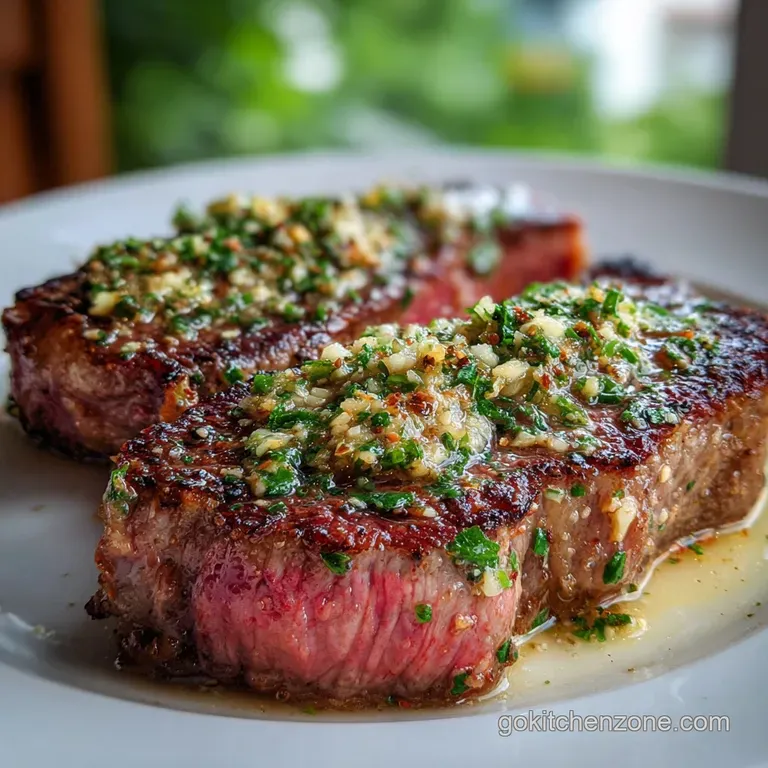
You don't need a gourmet kitchen, but a cast iron skillet is your best friend here. It holds heat better than stainless steel, ensuring the temperature doesn't drop the second you add the 1.5 lbs of cold meat.
If you don't have cast iron, a heavy bottomed stainless steel pan will work, but avoid non stick pans as they can't handle the high heat required for a proper sear.
Chef's Tip: Freeze your butter for 10 minutes before mixing it with the garlic and herbs. This keeps the butter from melting too fast when you handle it, allowing you to form it into a nice log or dollop.
Another trick I've learned is to use a flat edged wooden spatula. This allows you to scrape up the "fond" those brown bits stuck to the bottom of the pan which are basically concentrated flavor nuggets.
step-by-step Seared Steak Guide
Flash Searing Science
High heat is mandatory. You want the oil to be shimmering and just starting to wisps of smoke. If the pan isn't hot enough, the meat will steam in its own juices and turn gray.
Strategic Heat Management
Once the meat hits the pan, don't move it. Resist the urge to poke or slide it around. Let it sit for 1 to 2 minutes to develop that crust.
Emulsified Garlic Finish
The butter goes in after the heat is turned down. This allows the garlic to soften and release its oils without turning bitter or black.
Meat Preparation
- Pat the meat dry. Use paper towels to remove all surface moisture from the 1.5 lbs of steak. Note: Moisture creates steam, which prevents browning.
- Season generously. Sprinkle the 1 tsp kosher salt and 1/2 tsp black pepper on both sides of every steak.
- Prep the butter. In a small bowl, mash together the 4 tbsp softened butter, 3 cloves minced garlic, 1 tsp parsley, 1/2 tsp lemon zest, and 1/4 tsp smoked paprika.
Phase 1 Dry Prep
Ensure your steaks are at room temperature for about 15 minutes before cooking. This ensures the center warms up quickly without the outside burning.
Phase 2 Flash Sear
- Heat the pan. Add 1 tbsp avocado oil to a heavy skillet over medium high heat until the oil shimmers and smokes slightly.
- Sear the first side. Place steaks in the pan (work in batches if needed). Cook 1 to 2 minutes until a deep brown crust forms.
- Flip and repeat. Flip the steaks and cook for another 1 minute. Note: These cook incredibly fast!
Phase 3 Butter Finish
- Lower the heat. Drop the temperature to medium low.
- Add the flavor. Place a large dollop of the garlic butter mixture on each steak.
- Baste the meat. As the butter melts and sizzles, use a spoon to pour the liquid over the steaks for 30 seconds.
- Rest the meat. Remove steaks to a plate and let them sit for 3 minutes before serving.
Fixing Common Cooking Errors
One mistake I once made was overcrowding the pan. I tried to squeeze all 1.5 lbs of meat into one small skillet. The temperature plummeted, the steaks released all their liquid, and I ended up with "boiled" gray meat. It was a tragedy. Now, I always work in two batches.
Prevent Gray Rubbery Meat
Gray meat happens when the pan isn't hot enough or the meat is too wet. The surface must be bone dry to achieve that shatter crisp edge we are looking for.
Avoid Bitter Burnt Garlic
Garlic burns in seconds at high heat. That's why we wait until the very end to add it with the butter. If your garlic turns dark brown or black, it will taste acrid and ruin the dish.
| Problem | Root Cause | Solution |
|---|---|---|
| Tough/Chewy Meat | Overcooked or sliced with grain | Pull at 145°F and slice against the grain |
| No Crust | Pan too cold or meat was wet | Wait for oil to smoke; pat meat dry with towels |
| Burnt Garlic | Heat was too high when adding butter | Turn heat to medium low before adding the butter mix |
Common Mistakes Checklist
- ✓ Pat meat completely dry with paper towels (moisture is the enemy of the sear).
- ✓ Preheat the pan for at least 3 minutes (cast iron takes time to get truly hot).
- ✓ Don't use extra virgin olive oil (it will smoke and taste bitter at these temps).
- ✓ Let the steaks rest for 3 minutes (this allows the fibers to relax and hold onto the juices).
- ✓ Slice against the grain if your minute steaks aren't already tenderized.
Simple Flavor and Texture Variations
If you want a more complex profile, you can easily swap the spices. This recipe is a great base for experimentation. If you are looking for a different vibe entirely, you might enjoy the techniques used in a Meat Sauce Recipe, which also relies on high-quality browning but over a longer period.
Spicy Umami Twist
Add 1/2 tsp of red pepper flakes or a dash of Worcestershire sauce to the butter mixture. This creates a deep, savory heat that lingers on the tongue.
Herb Heavy Profile
Swap the parsley for fresh rosemary and thyme. This gives the steak a more traditional "bistro" feel that pairs perfectly with roasted potatoes.
Making Steak Bites
Instead of whole steaks, cut the 1.5 lbs of meat into 1 inch cubes. Sear them in a single layer for 1 minute per side, then toss with the garlic butter. These are perfect for appetizers or a fun family style dinner.
Low Carb Bistro Style
Serve the steaks over a bed of sautéed spinach or cauliflower mash. The garlic butter acts as a built in dressing for the greens, making the whole meal feel cohesive and rich.
| Original Ingredient | Substitute | Why It Works |
|---|---|---|
| Avocado Oil | Ghee (Clarified Butter) | High smoke point plus a natural buttery aroma. |
| Minute Steak | Flank Steak | Similar lean profile. Note: Must be sliced very thin across the grain. |
| Fresh Garlic | Garlic Confit | Milder, sweeter flavor that melts into the meat instantly. |
Safe Storage and Fresh Reheating
Store any leftovers in an airtight container in the fridge for up to 3 days. Since these are thin steaks, they are prone to drying out when reheated. I recommend slicing the leftover steak and tossing it into a Ground Beef Pasta recipe or using it as a topper for a salad.
To reheat, avoid the microwave if possible. Instead, place the steak in a cold pan with a splash of water or more butter, cover it with a lid, and warm it over low heat just until it's heated through. This "steam heat" method keeps the meat from turning into a hockey puck.
For zero waste, don't throw away the leftover garlic butter in the pan! Scrape it into a small jar and keep it in the fridge. It's incredible spread on toast the next morning or used to sauté some quick breakfast eggs.
You can also freeze the raw steaks in individual portions for up to 3 months just thaw them in the fridge overnight before you plan to cook.
Best Side Dish Pairings
This minute steak recipe is so fast that you need sides that can keep up. I usually go for a simple arugula salad with a splash of lemon or some quick steamed green beans. If you have an extra 10 minutes, some thin cut fries or "freetes" are the classic choice.
Classic Steakhouse Pairings
A dollop of sour cream on a baked potato or a side of creamed spinach works wonders here. The richness of the sides complements the sharp garlic and lemon in the steak butter.
If you are feeding a crowd, these steaks are also great for sandwiches. Toast a baguette, smear on some extra garlic butter, and layer the sliced steak with some provolone cheese. The heat from the meat will melt the cheese into a velvety layer that binds the whole sandwich together.
Remember, the goal here is to solve the dinner struggle. Don't overcomplicate the sides. Let the 1.5 lbs of perfectly seared meat be the star of the show. Trust me, once you master the flash sear, you'll find yourself reaching for minute steaks every time you see them at the butcher counter.
It's a reliable, fast, and incredibly satisfying way to end any day.
Recipe FAQs
How do you cook a minute steak so it is not tough?
Cook it quickly over high heat and don't overcook it. Minute steaks are very thin, so they only need 1-2 minutes per side. Overcooking will make them tough, even if they are tenderized. Make sure your pan is hot before adding the steak and pull it off the heat just as it finishes.
Is it good to cook steak in garlic butter?
Yes, it's fantastic. Garlic butter adds a rich, savory depth and a beautiful aroma to steak. The butter helps create a luscious sauce that coats the steak, enhancing its natural flavor while the garlic provides an aromatic kick.
What's the best way to cook a mini steak?
Pan-sear it quickly over high heat. Mini steaks, often called minute steaks, are cut very thin. The best method is a rapid sear in a hot skillet with a little oil, about 1-2 minutes per side, followed by a brief rest.
If you enjoyed mastering the sensory doneness cues here, apply them to our Roast Chicken recipe for perfect results.
What is the 3 3 3 rule for steaks?
This rule applies to very thick steaks, not minute steaks. The 3-3-3 rule suggests cooking a thick steak (around 3 inches) for 3 minutes per side, then resting it for 3 minutes, and serving it within 3 inches of the bone. Minute steaks are far too thin for this method.
How do I prevent minute steak from becoming tough?
Don't overcook it and slice against the grain. Minute steaks are designed for quick cooking; aim for no more than 2 minutes per side on high heat. If your steaks aren't pre-tenderized, slicing them thinly against the grain will ensure maximum tenderness.
Can I substitute olive oil for avocado oil when cooking minute steak?
Yes, but use caution. Avocado oil has a higher smoke point than extra virgin olive oil, meaning it can withstand the high heat needed for searing minute steaks without burning. If you use olive oil, make sure your pan isn't too hot, or it could burn and give the steak a bitter taste.
How long should I rest minute steak after cooking?
Rest for about 3 minutes. Because minute steaks cook so quickly and are very thin, they don't need a long resting period. A few minutes allows the juices to redistribute slightly without the steak continuing to cook to the point of toughness.
Minute Steak Garlic Butter
Ingredients:
Instructions:
Nutrition Facts:
| Calories | 356 kcal |
|---|---|
| Protein | 37.5 g |
| Fat | 21.8 g |
| Carbs | 0.5 g |
| Fiber | 0.1 g |
| Sugar | 0.1 g |
| Sodium | 581 mg |
