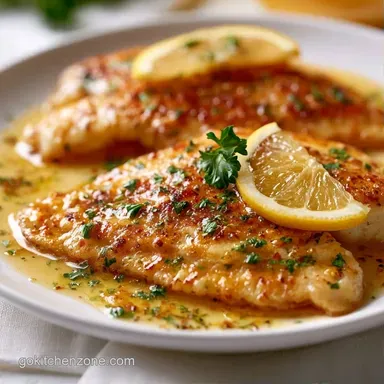
Healthy Lemon Butter Tilapia Recipe
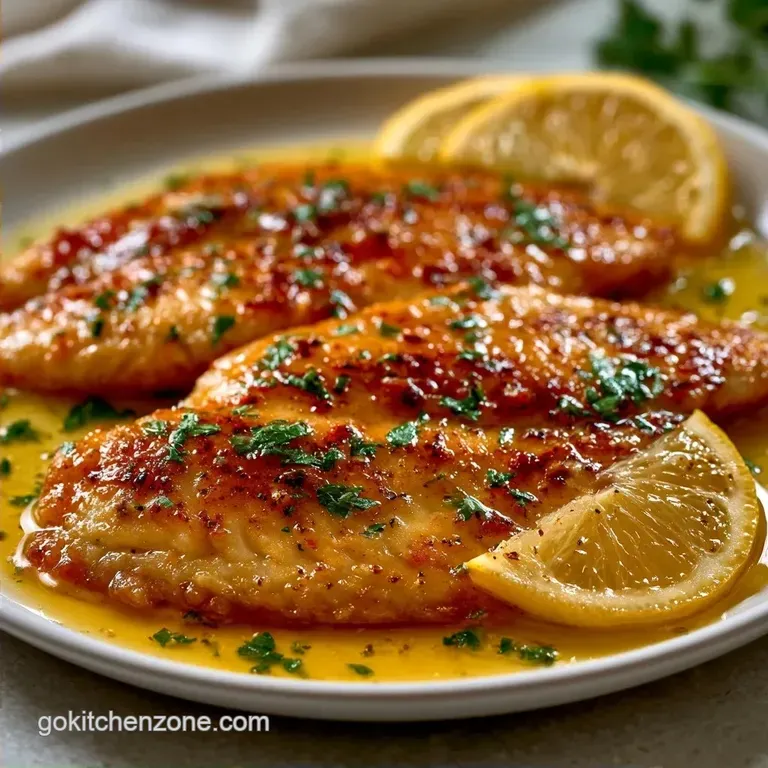
- Time: 5 min active + 10 min cook
- Flavor/Texture Hook: Tangy, glossy glaze with flaky white fish
- Perfect for: Weeknight dinner struggle or a low carb meal
Easy Lemon Butter Tilapia Recipe
That loud, aggressive sizzle when a cold piece of fish hits shimmering oil is the best part of my Tuesday nights. I used to dread cooking seafood because I always ended up with something that felt like rubber or stuck to the pan in a million tiny pieces.
It was a total dinner struggle until I stopped overthinking it and focused on the heat.
This dish is all about speed. You aren't looking for a slow braise or a complex reduction. You want a quick, over high heat sear that locks in the moisture and a butter sauce that coats the fish without drowning it.
You can expect a meal that feels a bit fancy but actually uses one pan and about five minutes of actual work. This Lemon Butter Tilapia Recipe is the one I turn to when I have zero energy but still want something that tastes fresh and bright.
What Makes It Flaky
Dry Surface: Patting the fish with paper towels removes surface moisture, which lets the fish brown in 3 minutes instead of steaming in its own juices.
Butter Basting: Spooning the melted lemon butter over the fish while it finishes cooking creates a glossy coating and prevents the lean fillet from drying out.
| Fish State | Cooking Time | Texture | Best For |
|---|---|---|---|
| Fresh/Thawed | 3-4 mins per side | Flaky & Firm | Pan searing |
| Frozen (Quick) | 5-6 mins per side | Softer | Oven baking |
What Each Ingredient Does
| Ingredient | What It Does | Best Swap |
|---|---|---|
| Tilapia | Mild base that takes flavor | Cod or Halibut |
| Unsalted Butter | Adds richness and carries garlic | Ghee (for higher smoke point) |
| Lemon Juice | Cuts through the fat with acidity | White wine or Apple cider vinegar |
| Smoked Paprika | Adds a hint of earthiness and color | Garlic powder or Cumin |
Shopping List Breakdown
For the fish, grab 4 tilapia fillets, each about 170g. Make sure they are thawed completely. If you use frozen fillets, they'll release too much water and you'll lose that golden crust. You'll also need sea salt and cracked black pepper.
Why this? Sea salt has a cleaner taste than table salt for seafood.
For the sauce, you need 42g of unsalted butter and 15ml of olive oil. Get a fresh lemon for both the 15ml of juice and the zest. You'll need 3 cloves of minced garlic, and for the seasoning, use 1g of dried thyme and 1g of smoked paprika.
Why this? Thyme adds a woody note that balances the citrus.
Tools You'll Need
You don't need a fancy kitchen for this. A large stainless steel or non stick skillet is the only heavy lifter here. If you have a stainless steel pan, the sear is usually better, but non stick is safer for beginners.
A small whisk or fork for the butter mixture and a spoon for basting are essential. Also, keep a plate of paper towels handy. Getting the fish bone dry is the most important part of the prep.
Key Steps
Phase 1: Preparing the Fillets
Pat the tilapia fillets completely dry with paper towels. This is where most people fail; if they're damp, they won't brown. Season both sides evenly with 3g sea salt and 1g black pepper.
Phase 2: Whisking the Infused Butter
In a small bowl, whisk together the 42g melted butter, 15ml lemon juice, 2g lemon zest, 9g minced garlic, 1g thyme, and 1g paprika. Let this sit for 2-3 minutes so the garlic can soften in the fat.
Phase 3: The Searing Process
Heat 15ml olive oil in your skillet over medium high heat until it shimmers. Place the fillets in the pan. Cook for 3-4 minutes until a golden crust forms. Don't touch them or poke them during this time.
Phase 4: Glazing and Finishing
Flip the fillets carefully. Immediately pour your lemon garlic butter mixture over the fish. Baste the fillets with a spoon for another 2-3 minutes until the fish is opaque and flakes easily with a fork.
Fixing Common Fish Problems
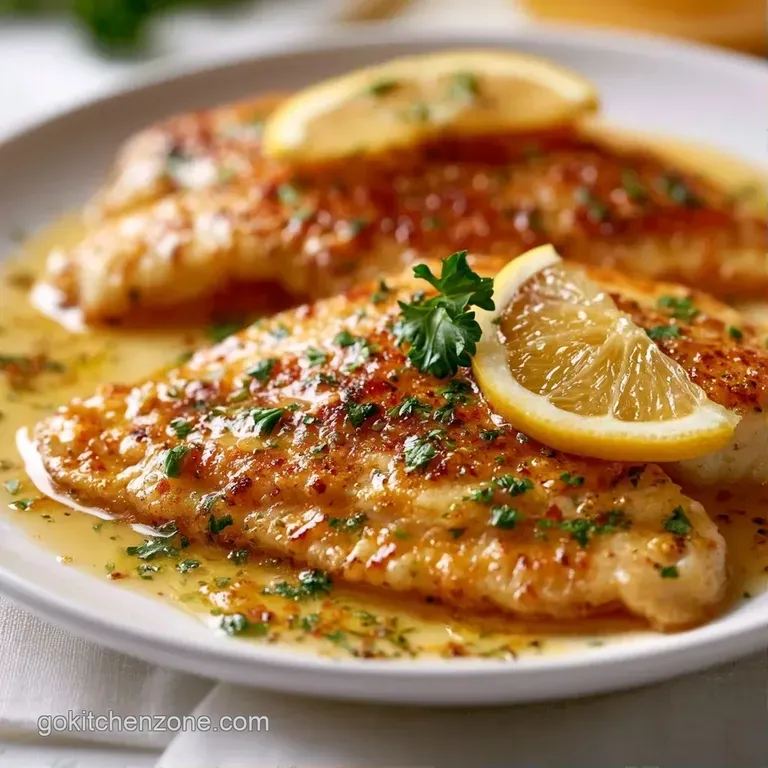
If your fish is sticking, you likely didn't let the oil get hot enough or you tried to flip it too early. The fish will naturally release from the pan once the crust has formed.
Another issue is rubbery fish. This happens when you overcook it. Tilapia is thin and cooks fast. As soon as it changes from translucent to opaque white, take it off the heat.
Sometimes the sauce separates. This is normal with butter based sauces, but keeping the heat at a steady medium high and basting quickly usually keeps it smooth.
| Problem | Root Cause | Solution |
|---|---|---|
| Sticking to pan | Pan wasn't hot enough | Wait for oil to shimmer before adding fish |
| Rubbery texture | Overcooked | Remove from pan as soon as it turns opaque |
| Sauce separated | Heat too low or too high | Baste quickly and serve immediately |
Mix It Up
If you want a different vibe, you can easily turn this into a Baked Lemon Butter Tilapia. Just place the seasoned fillets in a baking dish, pour the butter mixture over them, and bake at 200°C for about 12-15 minutes. It's less "crusty" than the pan version but just as tasty.
For those who want a bit of heat, add a pinch of cayenne pepper or red chili flakes to the butter mixture. If you're avoiding dairy, you can use a high-quality vegan butter or just increase the olive oil and add a touch of coconut milk for richness.
If you love a rich sauce, you might also enjoy my homemade garlic butter sauce which works for almost any seafood or pasta dish.
Scaling This Recipe
Cutting it in half: If you're just cooking for two, use a smaller skillet so the butter doesn't spread too thin and burn. Reduce the cooking time by about 20% since smaller batches often heat up faster.
Doubling the batch: Don't crowd the pan. If you put 8 fillets in one skillet, they'll steam instead of sear. Work in two batches. When doubling seasonings, only increase the salt and paprika to 1.5x to avoid over salting.
Baking for a crowd: If you move this to the oven for 8 people, lower the temperature to 175°C and extend the time by 5 minutes to ensure the center pieces cook through.
Fish Truths
A common myth is that searing "seals in the juices." In reality, moisture loss happens regardless of how you start the cook. The sear is actually about flavor and texture, creating a crust that tastes better.
Some people think tilapia is tasteless. It's actually a blank canvas. Because it's so mild, it absorbs the lemon and garlic far better than a strong tasting fish like salmon would.
Storage Guidelines
Store any leftovers in an airtight container in the fridge for up to 2 days. Fish doesn't freeze well once cooked, so I don't recommend putting these in the freezer.
To reheat, avoid the microwave if you can. It makes the fish rubbery. Instead, put the fillet in a pan over medium heat with a tiny bit of butter for 2-3 minutes per side.
To avoid waste, save your lemon peels. You can zest them into a sugar jar for lemon sugar or toss them into a pot of boiling water with some vinegar to make a quick all purpose cleaner.
Serving Suggestions
This dish is light, so it needs something to ground it. I usually pair it with steamed asparagus or a simple quinoa salad. For a more comforting meal, serve it over a bed of mashed potatoes or fluffy rice.
If you're feeling fancy, a side of sautéed spinach with a squeeze of lime works well. For another creamy option to round out the meal, you could try a side of creamy Alfredo sauce over some pasta.
Right then, you've got a professional feeling dinner that only takes 15 minutes. Just remember to pat that fish dry and don't be afraid of the heat. Trust me on this, the sear is everything.
High in Sodium
890 mg 890 mg of sodium per serving (39% 39% of daily value)
The American Heart Association recommends a daily limit of 2,300 mg of sodium to lower blood pressure and heart disease risk.
Tips to Reduce Sodium
-
Remove Sea Salt-30%
The primary source of sodium here is the added sea salt; eliminating it entirely will significantly drop the sodium content.
-
Increase Lemon Juice-10%
Adding extra fresh lemon juice provides a bright, acidic punch that tricks the palate into needing less salt.
-
Enhance Garlic-5%
Increase the amount of minced garlic to provide more depth and pungent flavor, reducing the reliance on salt for taste.
-
Add Fresh Herbs
Incorporate fresh parsley or cilantro at the end of cooking to add aromatic complexity without adding any sodium.
Recipe FAQs
How to cook tilapia fillets in a pan?
Heat olive oil in a large skillet over medium-high heat until shimmering. Sear fillets for 3-4 minutes without moving them, flip, and baste with the lemon butter mixture for another 2-3 minutes until opaque.
What is the best cooking method for tilapia?
Pan-searing is the best method. It creates a golden crust and allows you to baste the fish in butter, which prevents the lean fillets from drying out.
How to make creamy lemon butter sauce for fish?
Whisk together melted butter, lemon juice, lemon zest, minced garlic, thyme, and paprika. Let the mixture sit for 2-3 minutes to allow the flavors to meld before pouring it over the fish.
How to make lemon butter fish?
Pat the fillets dry, season with salt and pepper, and sear in olive oil. Flip the fish and immediately baste with a lemon garlic butter mixture until the fish flakes easily.
What are the quickest recipes to cook tilapia?
Pan-searing is the fastest approach. This specific technique delivers a high-quality meal in only 15 minutes from start to finish.
What is the best way to cook whitefish?
Searing in a hot skillet is the most effective technique. If you enjoyed this quick meal, it pairs perfectly with a broccoli rice casserole for a complete dinner.
How to reheat leftover tilapia without it becoming rubbery?
Warm the fillet in a pan over medium heat with a tiny bit of butter. Heat for 2-3 minutes per side rather than using a microwave to preserve the texture.
Lemon Butter Tilapia Recipe in 15 Minutes