Lasagna Cheese Filling: Velvety and Savory
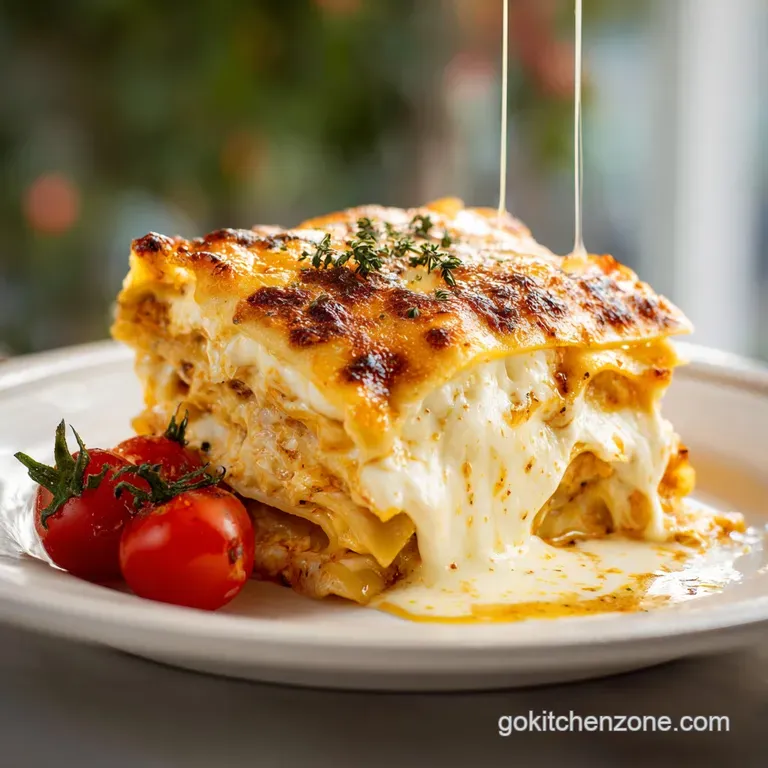
- Time: Active 10 minutes, Passive 0 minutes, Total 10 minutes
- Flavor/Texture Hook: Velvety and savory with a nutty nutmeg finish
- Perfect for: Sunday family dinner or bulk meal prep
- Create the Best Lasagna Cheese Filling
- The Physics of the Bind
- Ingredient Deep Dive
- Recipe Specs and Yield
- The Essential Components List
- Required Kitchen Equipment
- Step by Step Mixing
- Avoiding Common Mistakes
- Tasty Flavor Variations
- Adjusting the Recipe Size
- Debunking Kitchen Folklore
- Storing and Saving Scraps
- Best Side Dish Pairings
- Lasagna Cheese Filling FAQs
- 📝 Recipe Card
Create the Best Lasagna Cheese Filling
We've all been there: you spend two hours layering pasta, meat sauce, and cheese, only to have the whole thing turn into a soup the second the knife hits the pan. It's frustrating.
I remember my first solo attempt at lasagna back in college; I used the cheapest, highest moisture ricotta I could find and skipped the eggs because I thought they seemed "weird" in a cheese mix. The result was a puddle of liquid that tasted fine but looked like a catastrophe on the plate.
Since then, I've made it my mission to figure out what actually makes a filling stay put. It's not about being fancy or spending a fortune on imported cheeses. It's about understanding how the proteins in the eggs and the moisture in the cheese play together.
This specific Lasagna Cheese Filling is my go to because it's reliable and budget smart. We use store brand mozzarella but keep the high-quality Parmigiano Reggiano for that punch of salt.
Trust me on this one: the nutmeg isn't optional. It sounds like a baking spice, but in this cheesy context, it bridges the gap between the heavy dairy and the acidic tomato sauce. Once you smell that warm aroma hitting the cold cheese, you'll get why it's the secret weapon of Italian grandmothers everywhere.
The Physics of the Bind
Protein Coagulation: The two large eggs act as a thermal glue that sets as the lasagna bakes, turning the loose cheese into a solid, sliceable layer.
Moisture Equilibrium: Low moisture mozzarella prevents excess water release, ensuring the lasagna cheese filling stays thick rather than watery.
Fat to Acid Balance: The sharp Pecorino Romano cuts through the richness of the whole milk ricotta, providing a balanced flavor profile that doesn't feel heavy.
| Cook Method | Prep Time | Texture Result | Best For |
|---|---|---|---|
| Hand Mixed | 10 minutes | Rustic and chunky | Standard lasagna |
| Food Processor | 3 minutes | Silky and whipped | Ravioli stuffing |
| Stand Mixer | 5 minutes | Uniform and airy | Large batch prep |
Choosing the right method depends on how much "bite" you want in your cheese. I usually go for hand mixing because it keeps the mozzarella shreds intact, which creates those satisfying cheese pulls we all love. If you're looking for a more refined, restaurant style feel, the food processor is your best friend for a velvety finish. This recipe is quite similar to the filling strategy I use in my Ravioli Lasagna Bake recipe when I need something quick.
Ingredient Deep Dive
| Component | Science Role | Pro Secret |
|---|---|---|
| Whole Milk Ricotta | Provides the creamy, high moisture base | Drain in cheesecloth for 30 minutes to prevent a soggy bake |
| Large Eggs | Acts as the primary structural binder | Room temperature eggs incorporate more evenly into thick cheese |
| Pecorino Romano | Adds sharp acidity and salt | Always grate from a wedge to avoid the waxy coating on pre shredded bags |
Recipe Specs and Yield
This batch makes enough for a standard 9x13 inch baking dish, typically yielding 12 generous servings. It's designed to be thick, so don't be alarmed if it feels heavy when you're mixing it.
- Yield: 12 servings
- Prep Time: 10 minutes
- Active Effort: Low
The Essential Components List
- 30 oz whole milk ricotta cheese: Use the full fat version for the best mouthfeel. Why this? low-fat versions often contain stabilizers that turn grainy when baked. (Substitute: Small curd cottage cheese, but pulse it in a blender first).
- 16 oz low moisture, whole milk mozzarella cheese: This is your melting powerhouse. Why this? Fresh mozzarella (in water) will make your lasagna a swamp. (Substitute: Provolone for a deeper, smokier flavor).
- 2 large eggs: The structural glue. (Substitute: 1/4 cup heavy cream if you absolutely must avoid eggs, though it will be softer).
- 1 cup freshly grated Parmigiano Reggiano: For that salty, umami kick. (Substitute: More Pecorino or a high-quality domestic Parmesan).
- 1/2 cup grated Pecorino Romano: Adds a sheep's milk tang that Parmesan lacks. (Substitute: Grana Padano).
- 1/4 cup fresh flat leaf parsley: Brings a necessary pop of green and freshness. (Substitute: Fresh basil).
- 1 tsp sea salt: Enhances all the dairy notes.
- 1/2 tsp freshly cracked black pepper: For a mild, earthy heat.
- 1/4 tsp ground nutmeg: The "hidden" ingredient that makes it taste authentic.
Required Kitchen Equipment
You don't need much for this, which is the beauty of a good cheese filling. A large mixing bowl is essential make sure it's bigger than you think you need so you can really whip the eggs into the ricotta without making a mess.
A sturdy silicone spatula or a heavy wooden spoon works best for folding the heavy cheeses together.
I also recommend a box grater. While buying pre shredded mozzarella is a great budget smart move, grating your own Parmigiano and Pecorino is non negotiable for the right texture. Pre shredded hard cheeses are often coated in potato starch to keep them from clumping, and that starch can mess with the velvety texture we're aiming for.
step-by-step Mixing
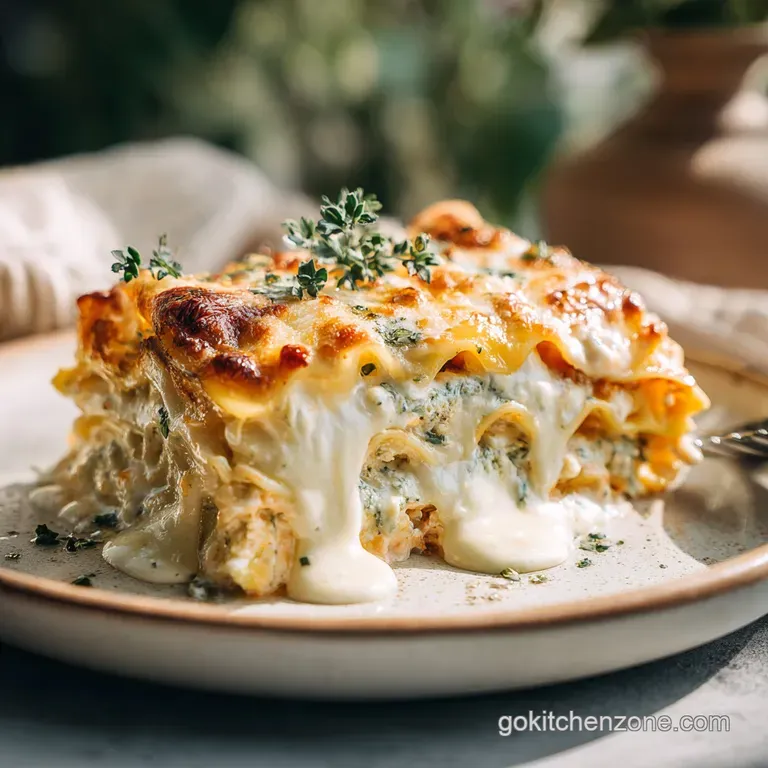
- Drain the ricotta. Place the 30 oz whole milk ricotta in a fine mesh sieve over a bowl for 15 minutes. Note: This removes excess whey that leads to watery lasagna.
- Whisk the eggs. In your large mixing bowl, beat the 2 large eggs until they are pale yellow and frothy.
- Incorporate seasonings. Add the 1 tsp sea salt, 1/2 tsp black pepper, and 1/4 tsp ground nutmeg to the eggs.
- Add the herbs. Fold in the 1/4 cup fresh flat leaf parsley. Wait until you smell the fresh herb aroma.
- Fold in ricotta. Add the drained ricotta to the egg mixture. Stir until the mixture is uniform and silky.
- Add hard cheeses. Mix in the 1 cup Parmigiano Reggiano and 1/2 cup Pecorino Romano.
- Fold in mozzarella. Gently incorporate the 16 oz low moisture mozzarella.
- Final texture check. The mixture should be thick enough to hold a spoon upright.
- Chill until use. Keep it in the fridge until you're ready to start layering.
Chef's Tip: If you want a truly shatter crisp top layer, save a handful of the mozzarella and Parmigiano and mix them with a teaspoon of olive oil before sprinkling them over the very top of the lasagna.
Avoiding Common Mistakes
Why Your Filling Is Watery
The most common culprit is the ricotta. Most commercial brands are packed with liquid. If you don't drain it, that liquid is released during the 45 minute bake time. Also, using "fresh" mozzarella (the kind that comes in a ball of water) is a recipe for disaster.
It's great for salads, but for a Lasagna Cheese Filling, it's too wet.
Why the Texture Is Grainy
This usually happens if you use fat free or low-fat ricotta. Without the fat to insulate the proteins, the cheese "breaks" under the high heat of the oven, resulting in a gritty mouthfeel. Always go for whole milk. It's a dinner struggle we've all faced, but the extra calories are worth the structural integrity.
| Original Ingredient | Substitute | Why It Works |
|---|---|---|
| Whole Milk Ricotta | Small Curd Cottage Cheese | Similar moisture and protein. Note: Must be drained and blended for smoothness. |
| Parmigiano Reggiano | Grana Padano | Almost identical flavor profile but usually 20% cheaper. |
| Fresh Parsley | Dried Parsley | Use 1 tablespoon instead of 1/4 cup. Note: Lacks the bright "pop" of fresh. |
If you enjoy working with these kinds of dairy heavy bases, you might find the technique similar to what's required for a perfect Au Gratin Potatoes Recipe, where the sauce stability is everything.
Common Mistakes Checklist
- ✓ Always drain your ricotta for at least 15 minutes to prevent soupiness.
- ✓ Never skip the eggs; they are the only thing holding your layers together.
- ✓ Use low moisture mozzarella, not the fresh variety in water.
- ✓ Grate your hard cheeses yourself to avoid anti clumping starches.
- ✓ Let the finished lasagna rest for 15 minutes before slicing so the cheese can "set."
Tasty Flavor Variations
Spicier Italian Kick
If you want to move away from the traditional profile, add 1/2 teaspoon of red pepper flakes and a tablespoon of minced garlic to the egg mixture. This works particularly well if your meat sauce is on the sweeter side, providing a nice contrast.
The Five Cheese Powerhouse
To make this even more decadent, add 4 oz of cream cheese (softened) and 1/2 cup of shredded provolone. The cream cheese makes the lasagna cheese filling incredibly velvety, almost like a savory cheesecake texture. It's a bit heavier on the budget, but for a holiday, it's a "wow" factor.
dairy-free Adaptation
You can make a surprisingly good version using almond based "ricotta" and cashew based mozzarella. If you go this route, skip the eggs and use a "flax egg" (1 tbsp flax meal + 3 tbsp water) to help with the binding, as nut cheeses don't coagulate the same way dairy does.
Adjusting the Recipe Size
Scaling Down (Making a 8x8 pan) Cut all ingredients in half. For the eggs, beat one egg in a small bowl and use about 3 tablespoons of it. Use a smaller mixing bowl to ensure the herbs and spices don't get lost on the sides. Reduce your baking time by about 10 minutes.
Scaling Up (Feeding a Crowd) If you're doubling this for a massive family gathering, don't just double the salt and nutmeg. Start with 1.5x the amount and taste. You can always add more, but it's hard to fix a cheese mix that's too salty from the Pecorino.
Work in a very large bowl or even a clean plastic bucket if you're making 4 or 5 lasagnas at once.
| Servings | Ricotta Amount | Mozzarella Amount | Egg Count |
|---|---|---|---|
| 6 people | 15 oz | 8 oz | 1 large |
| 12 people | 30 oz | 16 oz | 2 large |
| 24 people | 60 oz | 32 oz | 4 large |
Debunking Kitchen Folklore
One common myth is that you need to cook the cheese filling before putting it in the lasagna. This is totally unnecessary and actually makes the final result worse. The cheese needs to melt and the eggs need to set inside the pasta layers to create a cohesive bond.
If you pre cook it, you're just layering scrambled eggs and melted cheese, which won't stick to the noodles.
Another misconception is that "more cheese is always better." While I love cheese as much as anyone, adding too much mozzarella inside the layers can make the lasagna greasy. The 16 oz called for here is the "sweet spot" where you get the stretch without the oil slick.
Storing and Saving Scraps
Storage: You can make this filling up to 24 hours in advance. Keep it in an airtight container in the fridge. I actually think it's better after 4 hours because the nutmeg and parsley have time to really infuse into the ricotta.
Freezing: This filling freezes surprisingly well. If you have leftovers, put them in a freezer bag, squeeze out the air, and freeze for up to 2 months. Thaw it completely in the fridge before using.
It might look a little watery when it thaws just give it a vigorous stir to re emulsify the fats and liquids.
Zero Waste: If you have leftover filling but no more pasta, don't toss it! It makes an incredible spread for garlic bread. Just smear it on a baguette and broil it until it's bubbly and brown. You can also dollop it into a bowl of marinara sauce and bake it for a quick "lazy man's lasagna" dip.
Best Side Dish Pairings
Since this cheese filling is quite rich, you want to pair it with something that has a bit of acidity or crunch. A classic Caesar salad with plenty of lemon juice is the traditional choice.
If you're looking for something cooked, roasted broccoli with red pepper flakes provides a bitter contrast that cuts through the creamy ricotta.
Another great option is to lean into the comfort food vibe. If you're already doing a big Italian night, serving this alongside some crispy breadsticks or even a light vegetable soup helps balance the plate. Just make sure whatever you choose doesn't have too much dairy, or you'll experience total cheese fatigue!
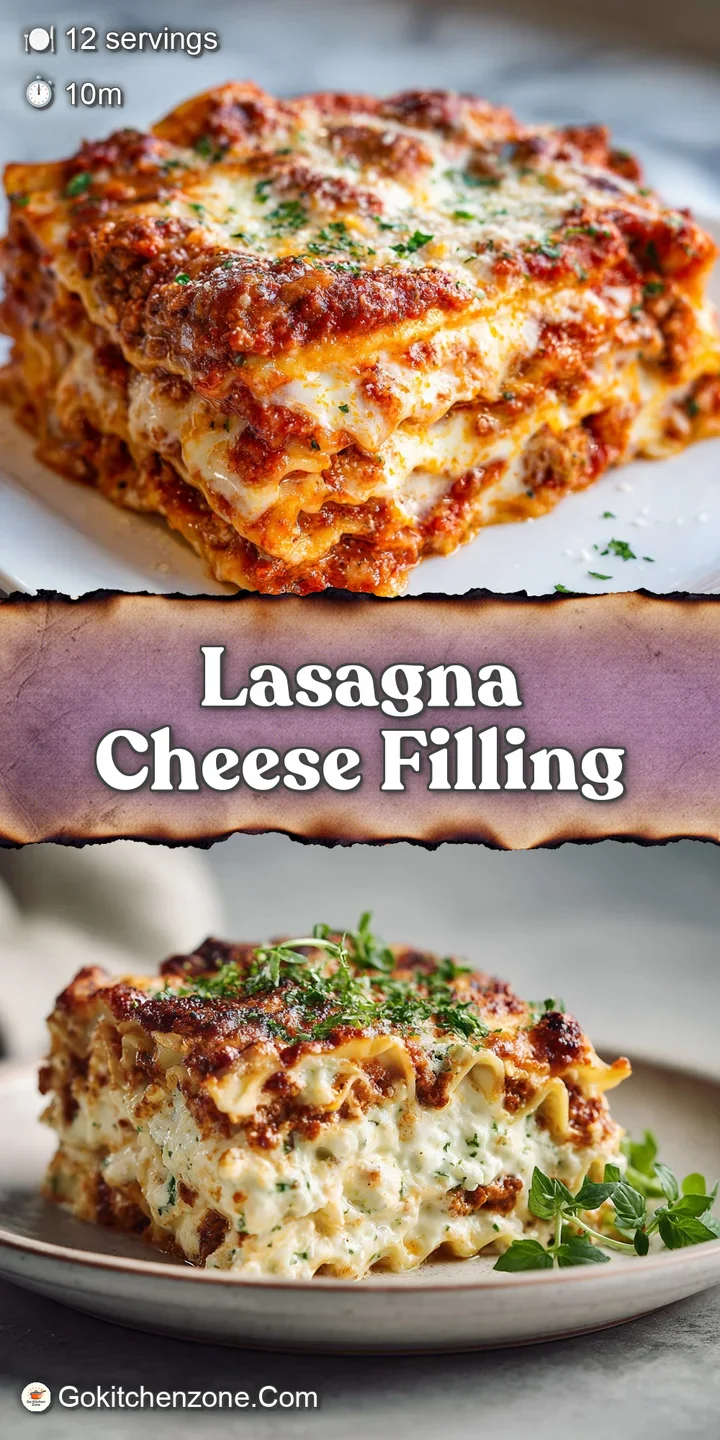
Lasagna Cheese Filling FAQs
What is the best kind of cheese to use for lasagna?
Whole milk ricotta, low moisture mozzarella, and hard grating cheeses like Parmigiano Reggiano. Whole milk ricotta provides the necessary fat content for a creamy texture, while low moisture mozzarella prevents excess water release during baking.
What type of cheese is traditionally used in Italian lasagna?
Ricotta, Mozzarella, and Parmigiano Reggiano are the modern staples, though northern Italian styles often favor Béchamel and use only Parmigiano. Traditional recipes rely on fresh, high-quality dairy ingredients to create the essential creamy binder layer.
Why is my lasagna cheese filling separating into liquid after baking?
This usually indicates excess moisture or insufficient binding protein. Always drain your ricotta thoroughly, and never skip the eggs, as they coagulate during baking to hold the fats and liquids in place.
How do I make the cheese filling thick and sliceable?
Incorporate two eggs per standard batch, ensuring they are whisked until slightly frothy before folding. The eggs act as a thermal glue that sets when baked, providing the structure needed for clean slices. Mastering this protein coagulation technique is key; see how we apply similar binding principles in our Creamy Feta Dip recipe.
Can I substitute cottage cheese for ricotta in the filling?
Yes, but you must significantly process it first for optimal texture. Cottage cheese is much wetter and has larger curds than ricotta; pulse it in a food processor until it achieves a smoother, less lumpy consistency before mixing it with the eggs.
Is it necessary to add nutmeg to the lasagna cheese filling?
No, it is not strictly necessary, but highly recommended for authentic flavor depth. A small pinch of fresh ground nutmeg bridges the heavy dairy flavor with the acidity of the tomato sauce, enhancing the overall savory profile.
How far in advance can I prepare the cheese filling mixture?
Prepare the mixture up to 24 hours ahead of time for best results. Store it covered tightly in the refrigerator; the short rest period allows the salt and parsley to fully permeate the ricotta base, which is a simple flavor infusion technique.
Lasagna Cheese Filling Recipe

Ingredients:
Instructions:
Nutrition Facts:
| Calories | 280 kcal |
|---|---|
| Protein | 21.1 g |
| Fat | 19.3 g |
| Carbs | 4.1 g |
| Fiber | 0.1 g |
| Sugar | 2.2 g |
| Sodium | 674 mg |
