How to Make Brown Gravy
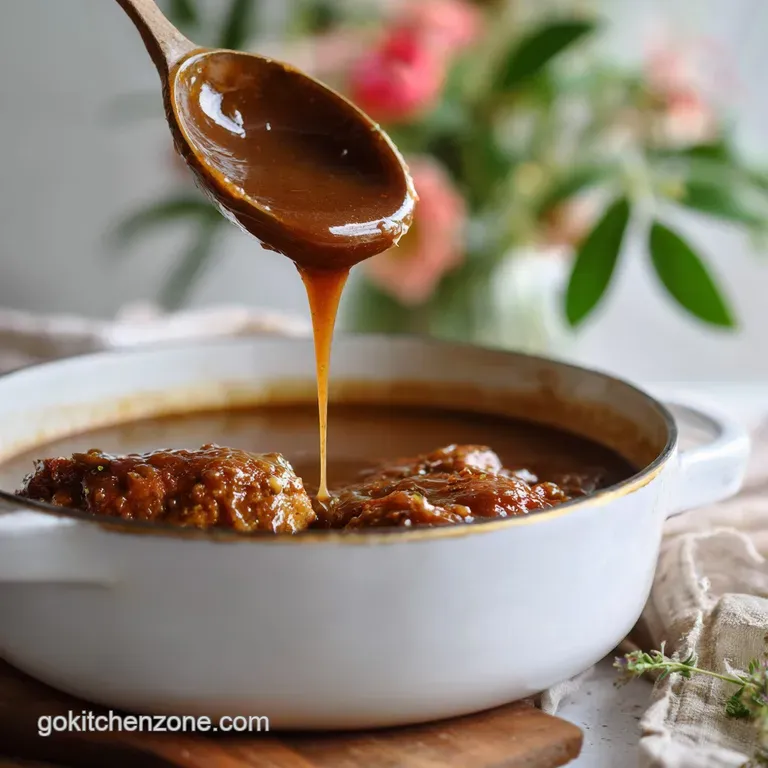
- Time: Active 8 mins, Passive 2 mins, Total 10 mins
- Flavor/Texture Hook: Savory, silky, and deeply umami
- Perfect for: Weeknight dinners, mashed potatoes, or holiday sides
- How to Make Brown Gravy Like a Pro
- Why This Simple Method Works
- The Building Blocks of Flavor
- Essential Tools for Smooth Sauce
- Step-by-Step Gravy Success
- Fix Your Gravy Common Mistakes
- Dietary Swaps for Every Guest
- Storing and Reheating Leftover Sauce
- Best Ways to Serve Gravy
- Recipe FAQs
- 📝 Recipe Card
How to Make Brown Gravy Like a Pro
The kitchen was quiet, the roast beef was resting under a tent of foil, and then it hit me. I had completely forgotten the sauce. I looked at the bottom of the pan - it was bone dry. No drippings, no juices, nothing.
I had a table full of people expecting a classic Sunday dinner and all I had was a bag of potatoes and some beef broth in the back of the pantry.
That was the night I learned that you don't actually need a roasting pan full of fat to make a sauce that people will talk about for weeks. I grabbed a small saucepan, some butter, and a whisk, and I just started experimenting.
I realized that the secret wasn't in the meat itself, but in how you treat the flour and the seasonings.
We've all been there where the gravy turns out like a bowl of library paste - thick, bland, and strangely gray. This recipe is the result of those frantic weeknight dinner struggles. It’s fast, it’s reliable, and it has that deep mahogany color that makes everything on the plate look like it came from a high end bistro. Best of all, it works every single time, whether you're serving it over a pile of mash or using it to finish off some Louisiana Voodoo Fries recipe.
Why This Simple Method Works
- The Maillard Reaction: Toasting the flour in butter creates new flavor compounds that mimic the deep, roasted taste of meat drippings.
- Starch Gelatinization: Heating the flour and liquid to a specific point allows the starch granules to swell and trap moisture, creating a silky texture.
- Umami Anchors: Worcestershire sauce and beef broth provide a concentrated hit of savory depth that compensates for the lack of fresh pan juices.
- Emulsification Stability: The ratio of fat to flour ensures the sauce stays together rather than separating into an oily mess on your plate.
Comparison of Gravy Methods
| Method | Time | Depth of Flavor | Best For |
|---|---|---|---|
| Fresh Drippings | 20 minutes | High (Complex) | Holiday Roasts |
| Butter Based (This Recipe) | 10 minutes | Medium High (Savory) | Weeknight Meals |
| store-bought Packet | 5 minutes | Low (Salty) | Emergency Only |
The choice between using fresh drippings or a butter based shortcut usually comes down to what you have in the pan. If you have those crispy bits at the bottom, use them. If you don't, this butter based method is your best friend because it builds flavor from the ground up using heat and basic fats.
The Building Blocks of Flavor
Understanding how your ingredients interact is the difference between a mediocre sauce and one that finishes the meal. This isn't just a list of items; it is a system of flavor and texture.
Ingredient Analysis
| Ingredient | Science Role | Pro Secret |
|---|---|---|
| Unsalted Butter | Fat source/Flavor | Use high-quality butter for a richer, creamier mouthfeel. |
| All Purpose Flour | Thickening agent | Toast it until it smells like popcorn to remove the raw taste. |
| Beef Broth | Liquid base | Use low sodium to control the final seasoning perfectly. |
| Worcestershire Sauce | Acid/Umami | This adds a fermented complexity that mimics aged beef. |
For the Foundation
- 4 tbsp unsalted butter: Provides the fat needed to cook the flour and adds a creamy finish.
- 1/4 cup all purpose flour: The structural base that gives the gravy its body.
For the Body
- 2 cups low sodium beef broth: Using low sodium is non negotiable here; it allows us to add salt ourselves without making it a salt bomb. Why this? Allows full control over the salt levels.
- 1 tsp Worcestershire sauce: This is the "secret" that provides the dark color and tangy depth.
For the Flavor Profile
- 1/2 tsp garlic powder: Adds a savory aromatic background without the texture of fresh garlic.
- 1/2 tsp onion powder: Provides sweetness and depth.
- 1/4 tsp black pepper: Use freshly cracked for a bit of bite.
- 1/4 tsp fine sea salt: Enhances all the other flavors.
If you are looking for a lighter option, you could swap the beef broth for chicken broth, similar to the base used in a Clean Eating Chicken recipe.
Essential Tools for Smooth Sauce
You don't need a kitchen full of gadgets for this, but the right ones make it easier. A heavy bottomed saucepan is your top priority. Thin pans have hot spots that will burn your flour before it has a chance to brown properly. I prefer a stainless steel pan so I can see the color of the roux change in real time.
A wire whisk is also essential. Don't try to do this with a fork or a spoon. A whisk breaks up those tiny pockets of flour that want to turn into lumps. If you have a silicone coated whisk, that's even better for protecting the finish on your pans while ensuring you get into every corner of the pot.
step-by-step Gravy Success

Phase 1: The Roux Base
- Melt the 4 tbsp unsalted butter. Place it in a medium saucepan over medium heat until it starts to sizzle and foam.
- Add the 1/4 cup all purpose flour. Whisk it into the butter until no white streaks remain. Note: This creates your roux.
- Cook the roux for 3 minutes. Keep whisking until the mixture turns a light peanut butter color.
Phase 2: Adding the Liquid
- Pour in 1/2 cup of the 2 cups beef broth. Do this slowly until a thick paste forms. Note: Adding liquid in stages prevents lumps.
- Whisk in the remaining broth. Stream it in gradually until the mixture is smooth and liquid.
- Add the 1 tsp Worcestershire sauce. Stir it in until the color deepens to a rich brown.
Phase 3: The Final Simmer
- Season the sauce. Add the 1/2 tsp garlic powder, 1/2 tsp onion powder, 1/4 tsp pepper, and 1/4 tsp salt.
- Simmer the gravy. Let it bubble gently for 2-3 minutes until it coats the back of a spoon.
- Taste and adjust. Give it a final check until the flavor is savory and balanced.
- Remove from heat. The gravy will continue to thicken slightly as it cools.
Fix Your Gravy Common Mistakes
Why Is My Gravy Lumpy?
This is almost always caused by adding cold liquid too fast to a hot roux. The outer layer of the flour starches gelatinizes instantly, trapping dry flour inside. To fix this, you can use an immersion blender or simply pour the whole mess through a fine mesh strainer. Next time, add the liquid a splash at a time.
How Do I Fix Thin Gravy?
If your sauce looks more like soup than gravy, it likely hasn't simmered long enough for the starches to fully expand. Give it another two minutes. If it’s still thin, whisk a teaspoon of cornstarch with a tablespoon of cold water and stir that in.
| Problem | Root Cause | Solution |
|---|---|---|
| Raw Flour Taste | Roux didn't cook long enough | Simmer for 2 extra minutes |
| Greasy Surface | Too much butter or broth not emulsified | Whisk vigorously over high heat |
| Too Salty | Broth was too concentrated | Add a splash of water or unsalted milk |
Common Mistakes Checklist
- ✓ Never stop whisking during the first stage of adding liquid.
- ✓ Use a heavy pan to prevent the flour from burning on the bottom.
- ✓ Don't skip the Worcestershire sauce - it provides the necessary acidity.
- ✓ Avoid high heat; a gentle simmer is all you need for thickening.
- ✓ Sift your flour if it looks particularly clumpy in the bag.
Dietary Swaps for Every Guest
Changing the ingredients can alter the outcome, so it is important to know what you are getting into. For example, if you replace the beef broth with vegetable broth, you'll lose that "meatiness," but you can gain it back with a little soy sauce or balsamic vinegar.
| Original Ingredient | Substitute | Why It Works |
|---|---|---|
| Butter | Vegan Butter / Oil | Provides the fat for the roux. Note: Oil won't be as creamy. |
| All Purpose Flour | Cornstarch (half amount) | Good for gluten-free. Note: Creates a shinier, more gelatinous sauce. |
| Beef Broth | Mushroom Broth | Adds deep umami. Note: Makes the gravy vegetarian friendly. |
Storing and Reheating Leftover Sauce
Storage: You can keep this gravy in an airtight container in the fridge for up to 3 days. It will firm up into a jelly like consistency as it cools - don't worry, that’s just the fats and starches doing their job.
Freezing: This gravy freezes beautifully for up to 3 months. I like to freeze it in silicone ice cube trays. That way, if I just need a little bit for a single serving of potatoes, I can pop out two cubes and heat them up.
Reheating: Put the gravy in a saucepan over low heat. It will look thick at first, so add a splash of beef broth or water to loosen it up. Whisk constantly as it warms to bring the emulsion back together.
Zero Waste Tip: If you have just a small amount of leftover gravy, don't throw it out. Stir it into a beef stew, use it as a base for a shepherd's pie, or mix it with some shredded roast beef for a phenomenal hot sandwich.
Best Ways to Serve Gravy
This velvety sauce is the soul mate to my Christmas Dinner Sides recipe. It brings everything together on a holiday plate, from the turkey to the stuffing. But honestly, it’s just as good on a random Tuesday night.
The Ultimate Comfort Pairings
- Mashed Potatoes: The classic choice. Make a well in the center and fill it up.
- Roast Chicken: Even though this is a beef based gravy, the savory notes work wonders on poultry.
- Biscuits: If you want something to mop up every drop, try these Cheddar Bay Biscuits recipe.
Decision Shortcut
- If you want it richer, whisk in a tablespoon of heavy cream at the very end.
- If you want it darker, cook the roux for an extra 2 minutes until it looks like dark chocolate.
- If you want it herby, stir in 1/2 tsp of dried thyme or rosemary during the simmering stage.
Kitchen Myths Debunked
Many people believe you must use cold broth for a smooth gravy. While cold liquid can help prevent the flour from clumping instantly, the real key is the speed of whisking and adding the liquid gradually. Another myth is that you can't make good gravy without meat drippings.
As we've seen, browning your butter and flour properly creates those same complex flavors through the Maillard reaction without needing a whole roast. Finally, don't believe that you have to use a specific type of flour - all purpose works best because of its balanced protein content, which creates a stable but not overly tough sauce.

Recipe FAQs
What are the ingredients in brown gravy?
Basic ingredients include: butter, all-purpose flour, beef broth, and seasonings like salt, pepper, garlic powder, and onion powder. Worcestershire sauce is often added for depth and color.
How to make your own gravy easy?
Melt butter in a saucepan, whisk in flour to make a roux, cook for 3 minutes until peanut butter colored. Gradually whisk in beef broth until smooth, then simmer for 2-3 minutes until thickened. Season to taste.
Can you make gravy with just flour and water?
Yes, but it will be bland and lack color. This simple mixture creates a thickener, but without fat and broth, it won't have the rich flavor or savory notes of traditional brown gravy. Seasoning is crucial if using this basic combination.
What can I use if I don't have brown gravy mix?
You can easily make homemade brown gravy from scratch. The core ingredients like butter, flour, and broth are pantry staples that create a far superior flavor compared to a mix. If you enjoyed controlling the flavor here, see how we balance sweetness and tartness in our Lemonade recipe.
What is the purpose of Worcestershire sauce in gravy?
Worcestershire sauce adds depth, umami, and a dark color. It provides a fermented complexity that mimics the savory notes found in meat drippings, enhancing the overall richness of the gravy.
How do I fix lumpy gravy?
Lumps usually form from adding liquid too quickly to the roux. To fix, you can pour the gravy through a fine mesh sieve or use an immersion blender. For future gravy making, add liquid gradually while whisking constantly.
Can I make brown gravy vegetarian?
Yes, by substituting beef broth with mushroom or vegetable broth. Using mushroom broth will impart a deep umami flavor that can help mimic the richness of meat based gravy, making it a suitable option for vegetarian meals.
How To Make Brown Gravy

Ingredients:
Instructions:
Nutrition Facts:
| Calories | 70 kcal |
|---|---|
| Protein | 1.2 g |
| Fat | 5.8 g |
| Carbs | 3.4 g |
| Fiber | 0.2 g |
| Sugar | 0.4 g |
| Sodium | 172 mg |
