Homemade Pierogi with Potato and Cheese
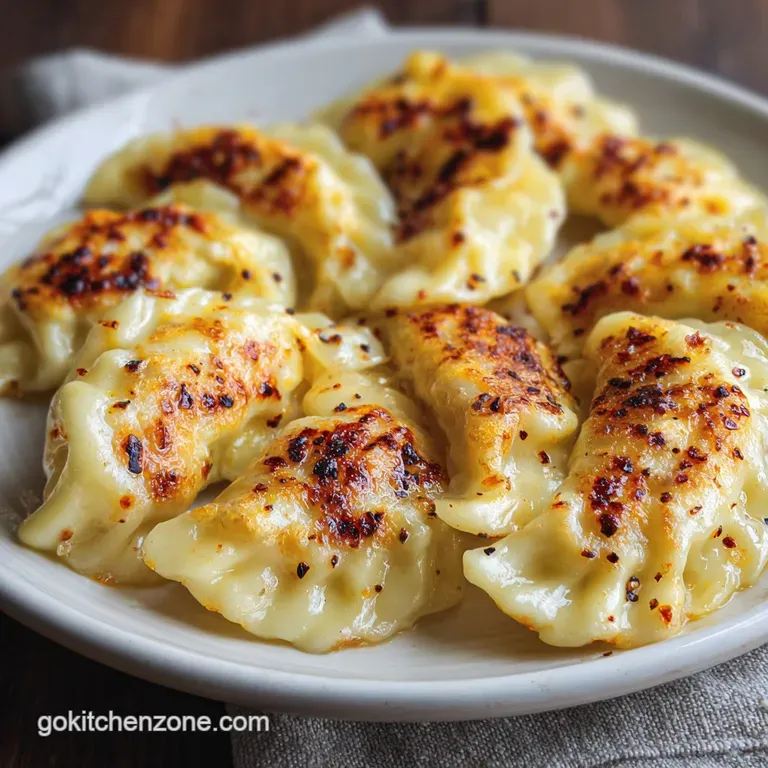
- Time: Active 45 minutes, Passive 15 minutes, Total 1 hour
- Flavor/Texture Hook: Silky dough with a crispy, buttery exterior
- Perfect for: Weekend family projects or impressive freezer prep meals
- The Science of Starch Gelatinization
- Component Analysis of a Classic Polish Dumpling
- Essential Tools for Stress Free Pierogi Making
- Steps to Achieving the Perfect Golden Sizzle
- Fixing Common Dough and Filling Problems
- Scaling Your Batch for Crowds or Couples
- Creative Filling Twists Beyond Potato and Cheese
- Proper Storage for Long Term Meal Planning
- Serving Suggestions and Garnish Pairings
- Recipe FAQs
- 📝 Recipe Card
The Science of Starch Gelatinization
To get that legendary pliability, we have to look at how flour reacts to temperature. Most people make the mistake of using cold or room temperature water, which leads to a fight with the gluten. By using hot water (160°F), we are essentially pre cooking some of the starches in the flour.
- Starch Gelatinization: Hot water causes starch granules to swell and absorb more moisture, creating a softer, more extensible dough that won't snap back when you roll it.
- Gluten Softening: The heat relaxes the gluten network, meaning you don't have to knead it into oblivion to get a smooth finish.
- Moisture Retention: The melted butter in the dough acts as a lubricant between the flour particles, ensuring a tender bite even after the pierogi are boiled and fried.
Decision Guide for Dough Texture
| Dough Thickness | Texture Result | Best For | Cooking Note |
|---|---|---|---|
| 1/16 inch | Silky and delicate | Appetizers | Boils in 2 mins |
| 1/8 inch | Hearty and chewy | Main course | Boils in 4 mins |
| 1/4 inch | Doughy and heavy | Soup additions | Not recommended |
Chef Tip: Freeze your butter for 10 minutes before melting it into the hot water. It seems counter intuitive, but the quick temp shift helps create a more stable emulsion when mixed into the flour.
Component Analysis of a Classic Polish Dumpling
Selecting the right ingredients is the difference between a bland potato ball and a savory masterpiece. We aren't just looking for "potatoes" and "cheese"; we're looking for specific structural properties that hold up under heat.
| Ingredient | Science Role | Pro Secret |
|---|---|---|
| Yukon Gold Potatoes | High starch, low moisture | Mash them while hot for the smoothest, most velvety texture |
| Farmer's Cheese | Acid set protein | Use the dry curd variety to prevent the filling from becoming runny |
| 160°F Water | Dough hydrator | Using a thermometer is vital; too hot kills the flour, too cold makes it tough |
| Nutmeg | Flavor enhancer | Just a pinch bridges the gap between the earthy potato and tangy cheese |
For the dough, you'll need 420g all purpose flourWhy this? Provides enough protein for structure without being too "bready". and 240ml hot water (160°F).
Don't skip the 30g unsalted butter and 5g fine sea salt for the base.
For the filling, grab 500g Yukon Gold potatoes, 200g farmer's cheese, and 1 large yellow onion. You'll also need 1 tsp olive oil, 0.5 tsp black pepper, and 0.25 tsp nutmeg.
If you can't find farmer's cheese, a very well drained ricotta or a dry cottage cheese can work as a substitute, though the tang will be slightly different.
Essential Tools for Stress Free Pierogi Making
You don't need a high end pasta machine to make a great homemade pierogi recipe, but a few basics will make the flow much smoother. A heavy rolling pin is your best friend here the weight does the work so your wrists don't have to.
I personally use a simple wine bottle in a pinch, but a tapered French rolling pin gives you the most control over the dough's edge.
While these are simmering, you might think about other comfort classics like a Tuna Casserole Recipe which also relies on that perfect balance of starch and creaminess.
Ingredient Substitution Table
| Original Ingredient | Substitute | Why It Works |
|---|---|---|
| Farmer's Cheese | Ricotta (Drained) | Similar creamy texture. Note: Must be strained through cheesecloth for 2 hours. |
| Yukon Gold Potatoes | Russet Potatoes | High starch content. Note: Produces a fluffier, less "waxy" filling. |
| Unsalted Butter | Lard | Provides a very traditional, savory richness to the dough. |
Right then, let's talk about the mash. If you have a potato ricer, use it. It prevents the potatoes from becoming "gluey" by breaking them down without overworking the starches. If you don't have one, a standard masher works fine, just be gentle.
Steps to Achieving the Perfect Golden Sizzle
1. Hydrate and Rest the Dough
Combine the 420g flour and 5g salt in a large bowl. Gradually pour in the 240ml hot water and 30g melted butter, stirring with a wooden spoon until a shaggy mass forms. Knead for about 5 minutes until it feels like an earlobe. Note: This rest period allows the flour to fully hydrate.
2. Prepare the Dry Filling
Boil the 500g cubed potatoes until tender, then mash them while steaming hot. Sauté the finely minced onion in 1 tsp olive oil until golden and translucent. Mix the potatoes, 200g farmer's cheese, sautéed onions, pepper, and nutmeg.
Wait for the filling to cool completely before assembly to prevent the dough from tearing.
3. The Roll, Cut, and Seal
Divide your dough into two halves. Roll one half out on a lightly floured surface until it's roughly 1/8 inch thick. Use a 3 inch circular cutter (or a drinking glass) to stamp out circles. Keep the remaining dough covered with a damp cloth so it doesn't dry out.
4. Filling the Dumplings
Place about 1 tablespoon of filling in the center of each circle. Fold the dough over the filling to create a half moon shape. Pinch the edges firmly with your fingers. Note: If the dough feels dry, a tiny dab of water on the edge helps the seal.
5. The Gentle Simmer
Bring a large pot of salted water to a gentle boil. Drop 6-8 pierogi in at a time. Boil for about 3-4 minutes until they float to the surface and look slightly translucent. If you want to go totally wild with a fusion dip, a side of Nacho Cheese Sauce recipe actually works surprisingly well for the younger crowd.
6. The Final Pan Fry
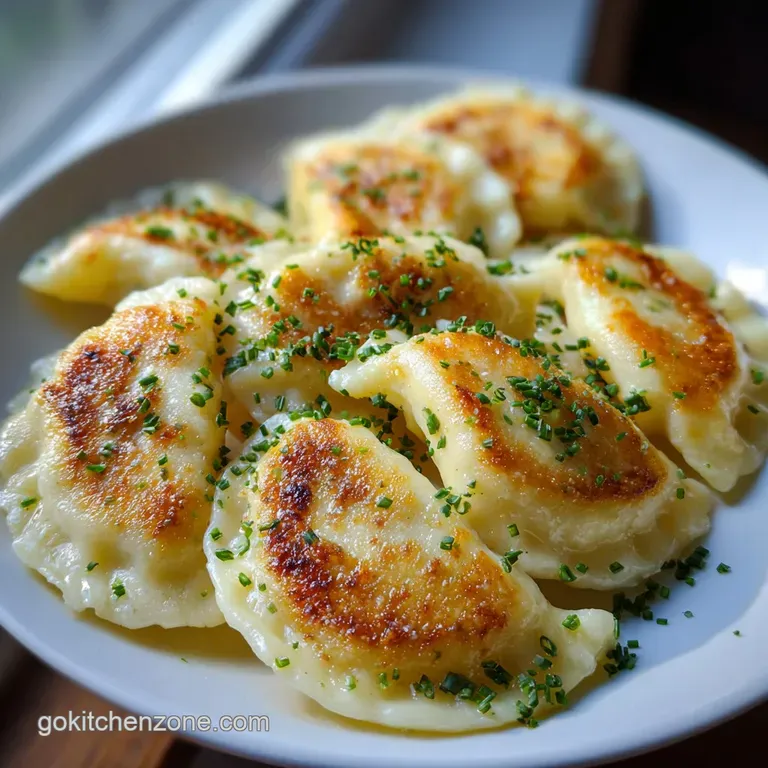
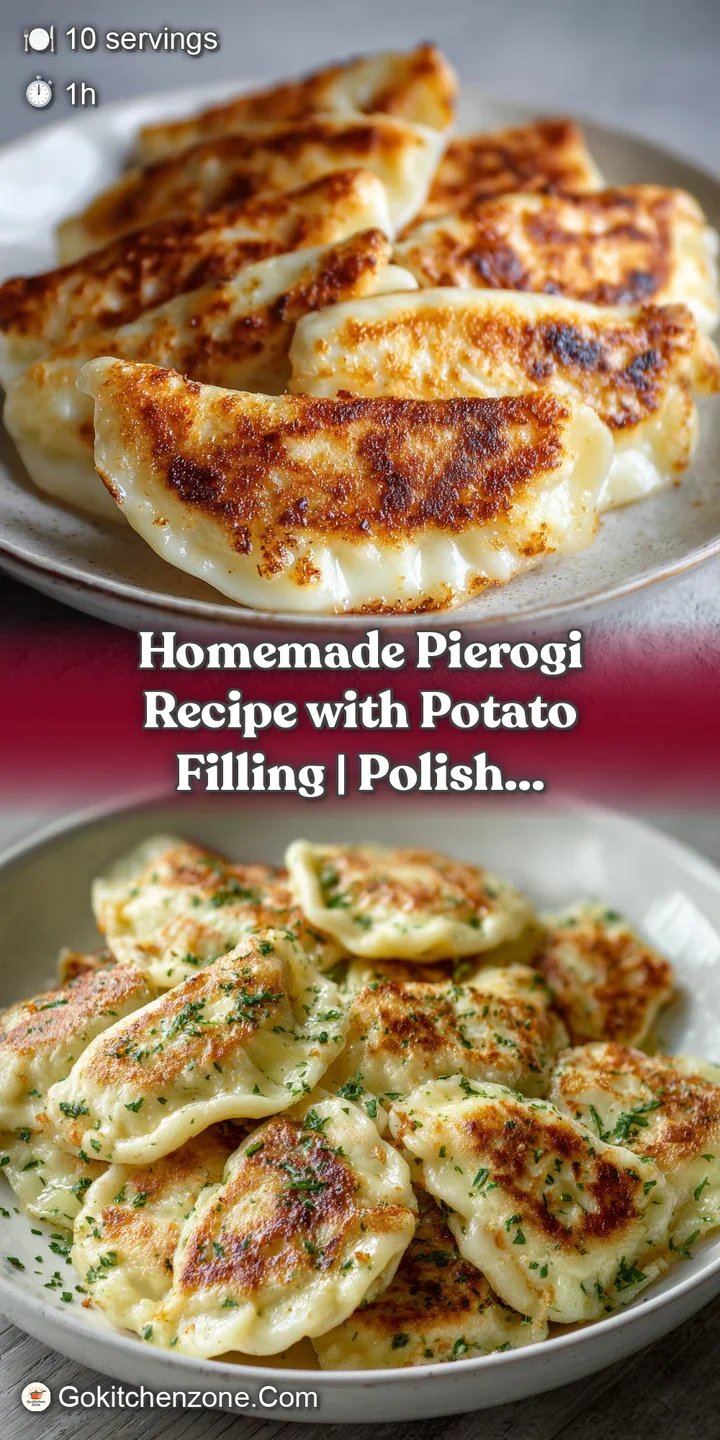
While boiling the rest, melt a knob of butter in a skillet over medium heat. Transfer the boiled pierogi directly into the pan. Fry for 2-3 minutes per side until the edges are crispy and golden brown.
Fixing Common Dough and Filling Problems
Why Your Pierogi Burst During Boiling
This is usually caused by trapped air or a weak seal. When air heats up inside the dumpling, it expands, and if the dough can't stretch, it pops. Always press the air out as you seal the half moon. If you see a bubble, gently poke it with a needle before boiling.
Dough Keeps Shrinking Back
This happens when the gluten is "angry" and over stressed. If you roll the dough and it pulls back like a rubber band, it needs to rest. Cover it and walk away for 10 minutes. This allows the protein bonds to relax, making it much easier to achieve that thin, silky wrapper.
Troubleshooting Guide
| Problem | Root Cause | Solution |
|---|---|---|
| Dough is sticky | Too much water | Add flour 1 tablespoon at a time until smooth |
| Filling is watery | Potatoes not drained | Cook the mashed potatoes in a dry pan for 2 mins to evaporate moisture |
| Edges are tough | Dough rolled too thick | Focus on rolling the edges thinner than the center of the circle |
Common Mistakes Checklist
- ✓ Never use cold filling; it creates steam that breaks the dough seal during the boil.
- ✓ Don't overcrowd the boiling pot; this drops the temperature and leads to gummy skins.
- ✓ Ensure the onions are fully translucent before adding to the potato mix to avoid "crunchy" surprises.
- ✓ Keep the dough covered at all times; a dry dough is a brittle dough that won't seal.
- ✓ Use a thermometer for the water to hit exactly 160°F for the best starch reaction.
Scaling Your Batch for Crowds or Couples
If you are cooking for just two people, cutting the recipe in half is simple. Use 210g flour and 120ml water. Since it's hard to use half an onion, just sauté the whole thing and use half in the filling, saving the rest to top the finished pierogi. For the cheese, 100g is exactly half a standard small pack.
When scaling up for a party (doubling or tripling), do not simply double the salt in the dough. Use about 1.5x the salt for a double batch (roughly 7-8g) to prevent it from becoming overly briny.
I highly recommend working in batches for the rolling and cutting; if you roll out too much dough at once, the last few circles will dry out before you can fill them.
Shortcut vs. Traditional Method
| Feature | Shortcut (Wonton Wrappers) | Traditional (Homemade Dough) |
|---|---|---|
| Prep Time | 15 minutes | 45 minutes |
| Texture | Very thin, slightly slippery | Tender, toothsome, and hearty |
| Fry Factor | Crisps up like a chip | Develops a deep, bready golden crust |
Creative Filling Twists Beyond Potato and Cheese
While the potato and cheese combo is the undisputed king, there's no law saying you can't experiment. In many Polish households, sauerkraut and mushroom is the preferred savory pierogi recipe for holidays.
The key is to ensure any vegetable filling is "dry" squeeze the liquid out of the sauerkraut until it's almost bone dry, or your dough will turn into a soggy mess.
For a sweet version, blueberries or cherries are fantastic. Just toss the fruit in a little sugar and a teaspoon of cornstarch. The starch is crucial because it thickens the juices as they boil, preventing the "purple explosion" in your pot. If you're looking for a different kind of creamy comfort, you might find my Tuna Noodle Casserole recipe hits similar notes with its crunchy topping and soft interior.
Traditional Flavor Combinations
- The Hunter's Mix: Finely chopped kielbasa, smoked bacon, and caramelized onions.
- The Garden Blend: Smashed peas with mint and a little feta cheese.
- The Sweet Forest: Fresh blackberries with a dollop of sweetened sour cream inside.
Proper Storage for Long Term Meal Planning
Homemade pierogi are the ultimate freezer food. To store them, lay them in a single layer on a baking sheet lined with parchment paper, making sure they don't touch. Freeze them for 2 hours until solid, then transfer them to a freezer bag. They will keep perfectly for up to 3 months.
When you're ready to eat, don't thaw them drop the frozen dumplings directly into boiling water and add 2 minutes to the cook time.
For leftovers in the fridge, they stay good for about 3 days. To reheat, skip the microwave it turns the dough into a soggy sponge. Instead, toss them back into a skillet with a little butter or oil. This refreshes the crispy exterior and warms the filling evenly.
Don't throw away those dough scraps! I like to roll them thin, cut them into strips, and boil them as "lazy noodles." Toss them in some leftover onion butter, and you've got a chef's snack while you finish the main batch. If you have extra filling, it makes a killer base for a thick potato soup the next day.
Serving Suggestions and Garnish Pairings
A pierogi is only as good as its toppings. The classic move is a heavy dollop of full fat sour cream and a mountain of crispy fried onions. Some people swear by a drizzle of melted butter and a sprinkle of fresh dill.
If you're serving the savory potato and cheese version, a side of crisp kielbasa or a simple cucumber salad (mizeria) provides the perfect acidic balance to the heavy, comforting dumplings.
If you are feeling adventurous, a little bit of bacon jam or a spoonful of apple sauce can add a sweet and salty dimension that's truly addictive. Just remember: these are hearty. You don't need a massive side dish. A simple green salad or some roasted beets is usually more than enough to round out the meal.
Trust me on this once you've had them fresh from the pan, the frozen ones will never taste the same again. Let's crack on and get that dough resting!
Recipe FAQs
What is the secret to good perogies?
Hot water in the dough. Using water around 160°F gelatinizes the starch, creating a pliable, non-snapping dough wrapper that stays tender after cooking.
What kind of dough is used for perogies?
A simple, hot-water pastry dough. It requires flour, hot water, salt, and melted butter; the heat relaxes the gluten structure for a silkier finished product.
Do you need to boil pierogi before frying?
Yes, boiling is essential for the final texture. Boiling cooks the raw dough through, and frying afterward only provides the crispy, golden exterior crust.
What is the best potato to use for pierogies?
Yukon Gold potatoes are highly recommended. They offer a good balance of starch and moisture, resulting in a naturally smooth and velvety filling when mashed.
Why does my pierogi dough keep shrinking back when I roll it?
The gluten structure is too tight and needs to relax. Cover the dough with a damp cloth and let it rest for 10 minutes; this resting period allows the protein bonds to loosen, making rolling effortless.
Can I skip frying them and just serve the boiled pierogi?
No, frying is necessary for optimal flavor and texture contrast. While safe to eat after boiling, frying adds the crucial crispy exterior that contrasts beautifully with the soft interior, similar to how texture is built in our Brown Gravy Recipe.
What is the best way to make sure the filling doesn't make the dough soggy?
Ensure the filling is completely cooled before assembly. Warm filling introduces steam, which weakens the dough seal; for vegetable fillings, actively squeeze out excess moisture.
Homemade Pierogi Recipe
Ingredients:
Instructions:
Nutrition Facts:
| Calories | 243 kcal |
|---|---|
| Protein | 7.7 g |
| Fat | 3.8 g |
| Carbs | 42.3 g |
| Fiber | 2.2 g |
| Sugar | 1.4 g |
| Sodium | 242 mg |
