Christmas Eve Dinner Idea with Herb-Roasted Beef
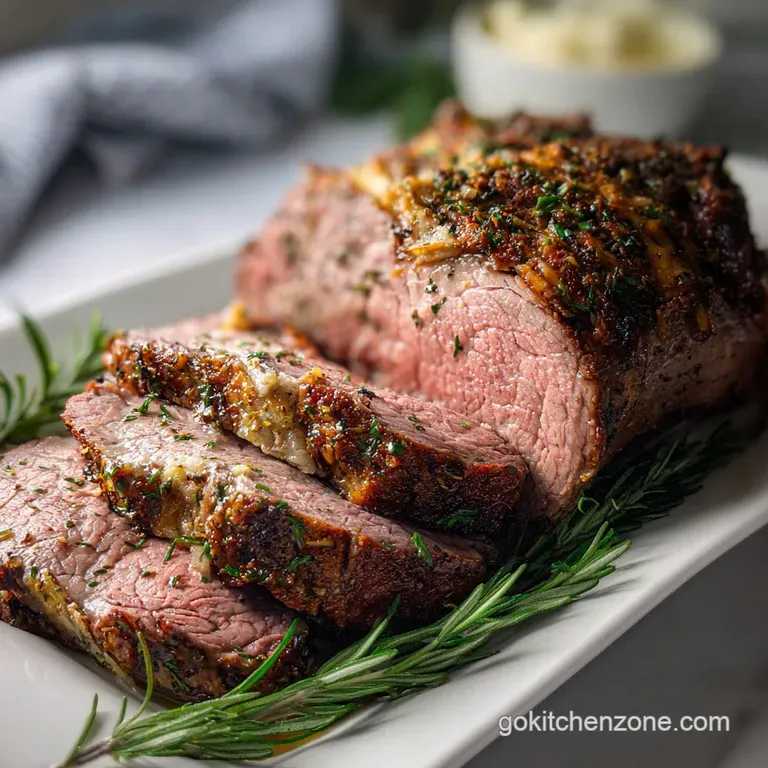
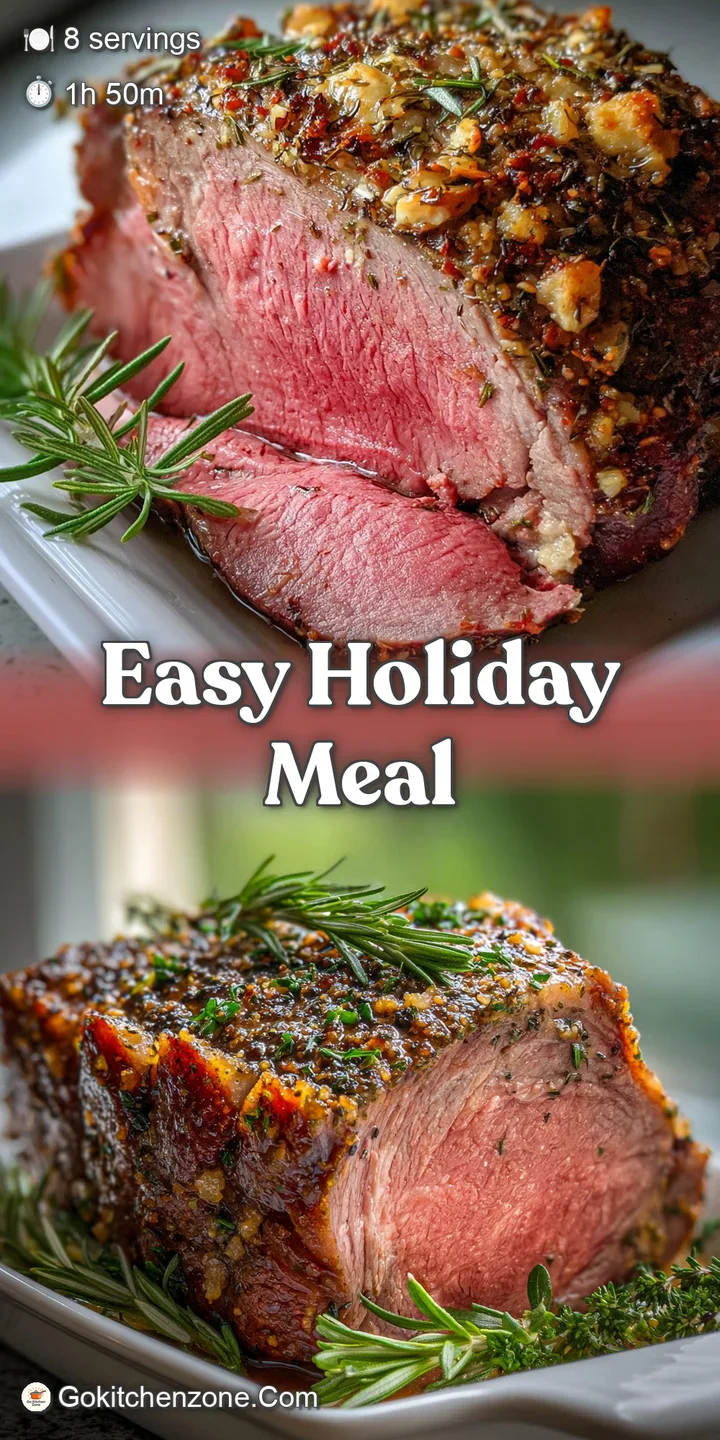
- Time: Active 20 mins, Passive 1 hour 30 mins, Total 1 hour 50 mins
- Flavor/Texture Hook: Savory garlic herb crust with a velvety, tender center
- Perfect for: Holiday centerpieces and stress free entertaining
- Thermal Physics of Holiday Roasting
- Critical Execution Checkpoints for Beef
- Analyzing the Foundation of Flavor
- Ingredients for the Perfect Roast
- Essential Hardware for Precise Results
- Master the Multi Phase Roasting Flow
- Navigating Common Roasting Roadblocks
- Customizing the Herb Crust Profile
- Scaling Portions for Holiday Crowds
- Preserving Texture During Long Storage
- Debunking Traditional Roasting Folklore
- Building the Complete Holiday Table
- Very High in Sodium
- Recipe FAQs
- 📝 Recipe Card
Thermal Physics of Holiday Roasting
The secret to this roast isn't a "magic" ingredient, but rather understanding heat transfer. Most people blast their meat with high heat immediately, which causes the outer inch to overcook before the middle even gets warm. By using a lower temperature initially, we allow the meat to cook through gently and evenly.
Maillard Reaction: This chemical reaction between amino acids and reducing sugars creates the brown, savory crust when we finish the beef at high heat. Carryover Cooking: The internal temperature of the roast will continue to rise about 5 to 7 degrees after it leaves the oven due to residual heat.
| Roast Thickness | Target Internal Temp | Rest Time | Visual Cue |
|---|---|---|---|
| 3 inches | 125°F (for Medium Rare) | 15 mins | Warm pink throughout |
| 4 inches | 125°F (for Medium Rare) | 20 mins | Deep red center, pink edges |
| 5+ inches | 125°F (for Medium Rare) | 25 mins | Uniform ruby color |
The table above is your safety net. If your roast is on the thicker side, that resting period becomes even more critical to ensure the juices redistribute rather than spilling out onto your cutting board.
This prevents that dreaded "gray ring" of overcooked meat that often happens when the exterior is forced to cook too fast.
Critical Execution Checkpoints for Beef
When planning your Christmas Eve Dinner Idea with Herb Roasted Beef, the timing is everything. You want the roast to be finishing its rest just as the Christmas Vegetable Side recipe comes out of the oven. This ensures everything hits the table at the peak of its texture.
Chef’s Tip: Freeze your butter for 10 minutes before mixing the herb paste. This creates a thicker, almost frosting like consistency that clings to the meat instead of melting off immediately in the oven.
To get that perfect "shatter" on the crust, I always add a teaspoon of lemon zest to my herb rub. The acidity doesn't make the beef taste like lemon, but it cuts through the heavy fat of the ribeye or tenderloin, making the herbs taste fresher and more vibrant.
It's a small trick that makes a massive difference in the final flavor profile.
Analyzing the Foundation of Flavor
Every ingredient in this Christmas Eve Dinner Idea with Herb Roasted Beef serves a structural purpose. We aren't just adding "flavor"; we're building a barrier that keeps moisture in while creating texture on the outside. Understanding these roles helps you troubleshoot on the fly if you need to swap something out.
| Component | Science Role | Pro Secret |
|---|---|---|
| Coarse Kosher Salt | Denatures proteins to trap moisture | Apply 24 hours early for a "dry brine" effect. |
| Unsalted Butter | Fat medium for Maillard reaction | Use high-quality European butter for more milk solids. |
| Fresh Rosemary | Heat stable aromatic compounds | Bruise the leaves before chopping to release oils. |
| Garlic Paste | Sulfuric flavor development | Microplane the garlic so it melts into the butter rub. |
Using a garlic paste instead of just chopped garlic is a non negotiable for me. Chopped garlic can burn and become bitter at the high temperatures we use for the final sear. A paste integrates with the butter and herbs, creating a protective layer that browns beautifully without charring.
Ingredients for the Perfect Roast
Here is exactly what you need for a roast that serves 8 people. I’ve included my favorite substitutions because holiday shopping can sometimes mean your local store is out of the "perfect" cut.
- 4.5 lb center cut beef tenderloin or ribeye roast: Why this? Offers the most tender, buttery texture for a special occasion. (Sub: Top Sirloin Roast, though it will be slightly firmer)
- 2 tbsp coarse kosher salt: Why this? Larger grains are easier to distribute and don't over salt the meat. (Sub: 1 tbsp fine sea salt)
- 1 tbsp coarsely cracked black peppercorns: Why this? Larger cracks provide pops of heat and texture. (Sub: Ground black pepper)
- 0.5 cup unsalted butter, softened: Why this? Controls the salt level while providing the fat needed for browning. (Sub: Ghee or beef tallow)
- 6 cloves garlic, minced into a paste: Why this? Garlic is the backbone of the savory crust. (Sub: 2 tsp garlic powder)
- 2 tbsp fresh rosemary, finely chopped: Why this? Woody herbs hold up best during long roasting times. (Sub: 2 tsp dried rosemary)
- 2 tbsp fresh thyme, minced: Why this? Adds a subtle, earthy floral note. (Sub: 2 tsp dried thyme)
- 1 tbsp fresh sage, minced: Why this? The quintessential holiday flavor profile. (Sub: 1 tsp dried rubbed sage)
- 1 tsp lemon zest: Why this? Brightens the heavy fats and enhances the herb notes. (Sub: 1/2 tsp citric acid)
If you find yourself needing a budget friendly alternative to the tenderloin, a high-quality Christmas Side Dish recipe can make a more affordable cut of beef feel like a million dollar meal. I often use a Chuck Eye Roast when I'm feeding a larger crowd on a budget it's got great marbling and takes the herb rub just as well.
Essential Hardware for Precise Results
You don't need a professional kitchen, but a few specific tools will prevent the "did I cook it enough?" anxiety. I personally use a heavy cast iron roasting pan because it holds onto heat so well, which helps when you go for that final over high heat blast.
- Wire cooling rack: This is vital. Placing the beef directly on the pan leads to a soggy bottom. A rack allows hot air to circulate 360 degrees.
- Digital meat thermometer: Don't guess. A probe thermometer that stays in the meat while it cooks is the only way to be 100% sure of the doneness.
- Kitchen twine: For a tenderloin, you'll want to tie it at 1 inch intervals so it stays in a uniform cylinder. This ensures the ends don't overcook before the middle is done.
If you don't have a roasting pan, a large cast iron skillet or even a rimmed baking sheet will work in a pinch. Just make sure whatever you use has enough room for the air to move around the meat. Overcrowding the pan is the quickest way to turn a "roast" into a "steam."
Master the Multi Phase Roasting Flow
The magic happens in three distinct phases: the prep, the slow roast, and the final sear. This "reverse sear" method is what gives you that edge to edge pink interior that looks like it came from a high end steakhouse.
Phase 1: The Tempering and Dry Brine
Take your 4.5 lb beef roast out of the fridge at least 1 hour before you plan to cook. Pat it completely dry with paper towels and I mean bone dry. Rub the 2 tbsp coarse kosher salt and 1 tbsp cracked pepper all over the surface.
Letting the meat come to room temperature ensures the center doesn't stay cold while the outside cooks.
Phase 2: Applying the Herb Crust
Mix the 0.5 cup softened butter with the minced garlic paste, rosemary, thyme, sage, and lemon zest. Slather this compound butter over the entire roast. It might feel like a lot of butter, but much of it will baste the meat as it melts. Place the beef on a wire rack over a roasting pan.
Phase 3: The Precision Roast
Preheat your oven to 250°F. Slide the roast in and cook until the internal temperature hits 115°F for a medium rare finish. This usually takes about 60 to 75 minutes depending on the thickness.
Note: We are pulling it early because of the final sear and carryover cooking.
Phase 4: The over High heat Shattering Finish
Remove the roast from the oven and crank the heat to 500°F (or your oven's highest setting). While the oven heats, let the beef rest for 10 minutes. Put the roast back in for 5 to 8 minutes until the crust is dark brown and sizzling.
Remove and let rest for at least 15 minutes before slicing.
Navigating Common Roasting Roadblocks
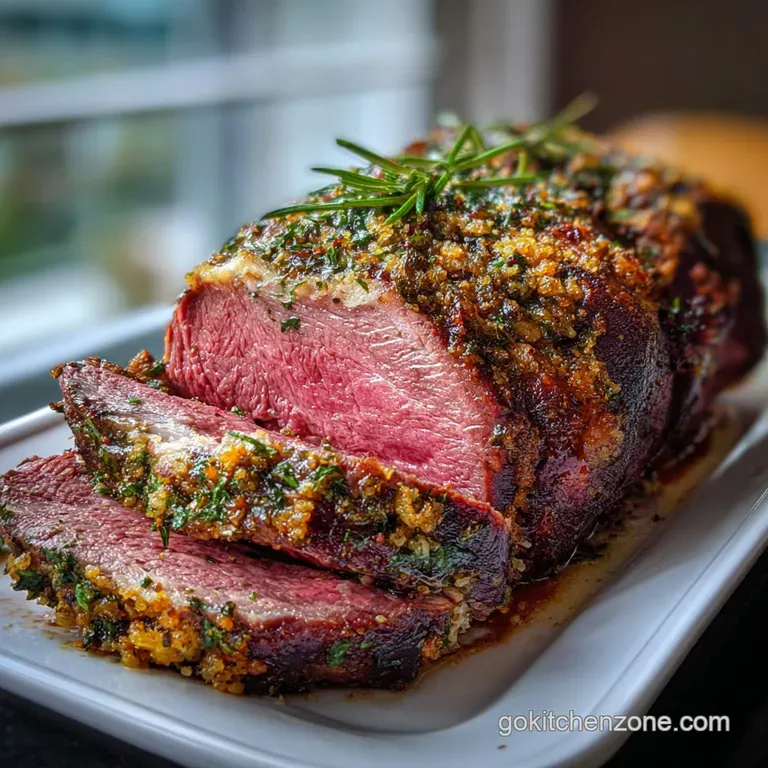
Even with the best plan, things can go sideways. The most common issue I hear from readers is that the herb crust fell off or the meat was tougher than expected. Usually, this comes down to moisture management. If the meat wasn't dry before the butter went on, the fat can't "grip" the surface.
Why Your Beef Is Tough
If the meat feels chewy, it’s likely because it didn't rest long enough. When beef cooks, the muscle fibers tighten and squeeze out juice. If you cut it immediately, those juices end up on the board. Resting allows the fibers to relax and reabsorb that velvety moisture.
| Problem | Root Cause | Solution |
|---|---|---|
| Soggy Crust | Meat wasn't patted dry or oven was too crowded | Use a wire rack and pat meat dry before applying rub. |
| Gray Ring | Oven temp was too high during Phase 3 | Ensure oven is at 250°F; use a thermometer to verify. |
| Uneven Doneness | Meat was cold when it entered the oven | Temper the meat at room temp for 60 mins before roasting. |
Common Mistakes Checklist
- ✓ Skipping the wire rack (results in a soggy, boiled bottom).
- ✓ Using "table salt" instead of kosher salt (makes the meat too salty).
- ✓ Cutting the meat "with" the grain instead of against it (makes it feel tough).
- ✓ Opening the oven door too often (drops the temp and stalls the cooking).
- ✓ Not using a meat thermometer (guessing is the enemy of a $100 roast).
Customizing the Herb Crust Profile
While I love the classic rosemary and sage combo, you can definitely play with the flavors. Sometimes I’ll add a tablespoon of Dijon mustard to the butter rub for a bit of tang, or even some finely chopped pecans for an extra crunch.
For a dairy-free Garlic Herb Roast
If you're skipping dairy, you can substitute the butter with high-quality beef tallow or a thick avocado oil mayonnaise. The mayo might sound strange, but the egg and oil emulsification creates an incredible crust that browns beautifully. It’s a trick many professional chefs use for prime rib.
For a Slow Cooker Herb Roast Beef Twist
If you're looking for a more "set it and forget it" vibe, you can use a chuck roast in the slow cooker. Use the same herb rub, but add 1/2 cup of beef broth to the bottom. Cook on low for 8 hours.
You won't get the "shattered" crust, but the meat will be incredibly tender and perfect for a cozy Christmas Eve.
Scaling Portions for Holiday Crowds
Planning for a larger group or a smaller, intimate dinner? The math for beef is generally 1/2 pound per person. For our 4.5 lb roast, that serves 8 people perfectly, with a little left over for those legendary next day sandwiches.
- Scaling Down (4 people): Use a 2.5 lb roast. Keep the oven temp at 250°F, but start checking the internal temp at 45 minutes. Reduce the salt and herbs by half.
- Scaling Up (12+ people): It’s better to cook two smaller roasts (around 4 lbs each) side-by-side than one massive 10 lb roast. This ensures more surface area for that herb crust and more even cooking.
- Baking for Crowds: If you have two roasts in the oven, you may need to increase the initial roasting time by 15 to 20 percent, as the extra mass absorbs more heat.
Preserving Texture During Long Storage
Leftover herb roasted beef is arguably as good as the first night. I love thinly slicing the cold beef for sliders the next day. To keep it from drying out, store the meat in as large a piece as possible rather than pre slicing everything.
- Fridge: Store in an airtight container for up to 4 days. Wrap tightly in foil first, then place in a container to prevent oxidation.
- Freezer: You can freeze cooked roast beef for up to 3 months. Slice it first and freeze in portions with a little bit of the pan juices (au jus) to keep it moist during thawing.
- Zero Waste Tip: Don't throw away the fat caps or the pan drippings! Save the drippings in a jar in the fridge to use as a flavorful base for sautéing vegetables or making a rich gravy for your Christmas Punch recipe gathering. Actually, use those drippings for a Yorkshire pudding the ultimate beef companion.
Debunking Traditional Roasting Folklore
There's a lot of "old school" advice out there that actually hurts your final result. One of the biggest myths is that searing the meat at the beginning "seals in the juices." Science has proven this false; moisture loss happens regardless of when you sear. Searing is strictly for flavor and texture.
Another myth is that you should salt the meat right before it goes into the oven. In reality, salting at least 45 minutes (or 24 hours) ahead allows the salt to dissolve, penetrate the fibers, and actually season the meat deeply rather than just sitting on the surface.
Building the Complete Holiday Table
This Christmas Eve Dinner Idea with Herb Roasted Beef is the star of the show, but it needs a supporting cast. I always pair it with something creamy and something bright. A velvety horseradish sauce made with crème fraîche is the perfect dip for those tender slices.
For sides, think about textures. If the roast is soft and velvety, you want crispy potatoes or a snappy green bean dish. A heavy red wine like a Cabernet Sauvignon or a Syrah has the tannins to stand up to the fat of the beef, making every bite feel balanced.
Right then, you're ready. Don't let the holiday pressure get to you. Just remember: dry the meat, trust the thermometer, and let it rest. You’ve got this!
Very High in Sodium
1750 mg mg of sodium per serving (76% % of daily value)
The American Heart Association recommends limiting sodium intake to no more than 2,300mg per day for most adults.
Tips to Reduce Sodium in Your Roast
-
Reduce Salt by Half-25%
Instead of 2 tbsp of coarse kosher salt, try using only 1 tbsp. You can always add more salt to taste after cooking. This change can significantly lower the sodium content without drastically affecting the flavor.
-
Unsalted Butter is Key
You're already using unsalted butter, which is great! Continue to use unsalted butter to avoid adding extra sodium.
-
Enhance with Garlic & Herbs
Maximize the flavor impact of the garlic, rosemary, thyme, sage, and lemon zest. Ensure they are fresh and potent to compensate for the reduced salt.
-
Fresh vs. Dried Herbs
Use fresh herbs generously! They provide more flavor than dried herbs and help to reduce the need for salt. Consider adding other herbs like oregano or marjoram to increase the flavor profile.
Recipe FAQs
Can I substitute a different cut of beef for this recipe?
Yes, you can use other cuts, but consider texture. While tenderloin or ribeye offer the most tender results, a Top Sirloin Roast is a good alternative, though it will be slightly firmer. For a budget friendly option, a Chuck Eye Roast has great marbling and also takes the herb rub beautifully.
How long should I let the beef rest after cooking?
Rest for at least 15 minutes, longer for thicker roasts. For a 3 inch thick roast, aim for 15 minutes; for a 4 inch roast, 20 minutes; and for 5+ inches, 25 minutes. This allows muscle fibers to relax and reabsorb juices, preventing a dry, tough texture.
What is the best way to ensure a crispy herb crust?
Pat the beef completely dry before applying the herb crust. Moisture prevents the herb and butter mixture from adhering properly, leading to a soggy crust. Using a wire rack also allows air to circulate, helping the crust crisp up.
Can I make the herb crust ahead of time?
Yes, you can prepare the herb rub mixture up to 24 hours in advance. Store it in an airtight container in the refrigerator. Allow it to soften slightly at room temperature before slathering it onto the beef for optimal application.
How do I make this recipe dairy-free?
Substitute the butter with beef tallow or avocado oil mayonnaise. While tallow offers a classic richness, the mayonnaise, with its egg and oil emulsion, creates a surprisingly effective and well browning crust, a technique favored by many chefs.
What are good side dishes for herb roasted beef?
Pair it with something creamy and something bright for balance. Consider a velvety horseradish sauce, crispy potatoes, or a snappy green bean dish. This pairs perfectly with our Christmas Salad in 20 Minutes | Holiday Side Dish.
Why is resting the meat so important after roasting?
Resting allows the muscle fibers to relax and redistribute juices. When beef cooks, its fibers tighten and expel moisture; without adequate rest, these juices escape onto the cutting board, resulting in dry meat. If you mastered the sensory doneness cues here, apply them to our Prime Rib Side Dish with Garlic Mashed Potatoes for perfect results.
Herb Roasted Beef Christmas Eve
Ingredients:
Instructions:
Nutrition Facts:
| Calories | 648 kcal |
|---|---|
| Protein | 55.0 g |
| Fat | 46.6 g |
| Carbs | 1.2 g |
| Fiber | 0.4 g |
| Sugar | 0.2 g |
| Sodium | 1750 mg |
