Pasta Side Dish with Garlic and Herbs: Silky and Herbaceous
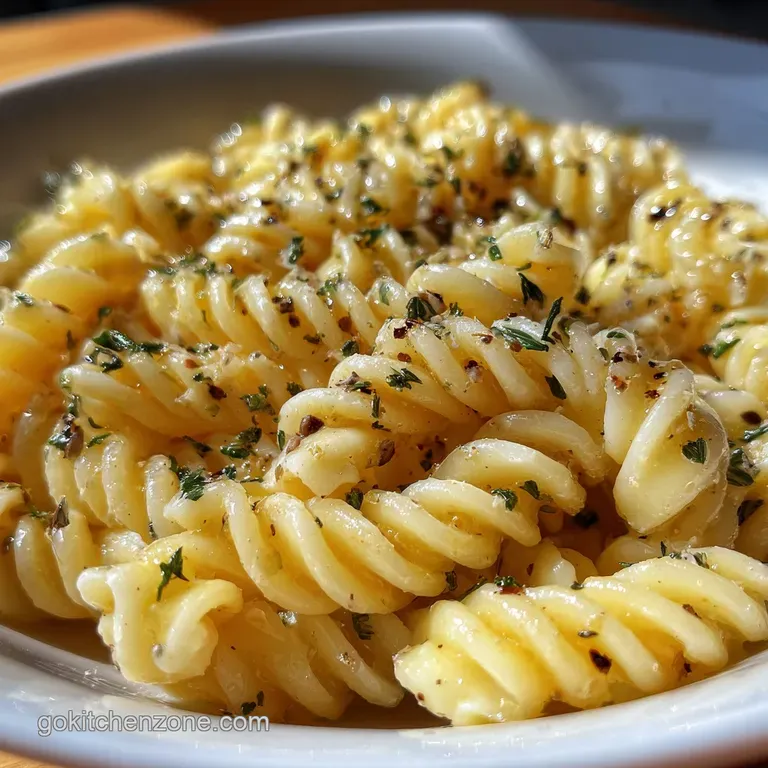
- Time: Active 5 minutes, Passive 10 minutes, Total 15 minutes
- Flavor/Texture Hook: Silky, garlic forward, and herbaceous
- Perfect for: Busy weeknight dinners or a quick Italian inspired side
- Best Pasta Side Dish with Garlic and Herbs
- Why This Simple Recipe Actually Works
- Essential Components for Flavor Success
- The Building Blocks of Flavor
- Minimal Kitchen Tools Required
- The Cooking Process Step-by-Step
- Avoiding Common Garlic Pasta Pitfalls
- Creative Flavor Variations to Try
- Scaling the Recipe Up or Down
- Debunking Common Kitchen Myths
- Storage and Reheating Best Practices
- Serving Ideas for the Meal
- Recipe FAQs
- 📝 Recipe Card
Best Pasta Side Dish with Garlic and Herbs
I remember one particularly rough Tuesday when the fridge was looking bleak and my brain was fried from work. I had some leftover chicken in the oven, but the thought of plain rice felt depressing. I grabbed a half box of spaghetti and started slicing garlic as thin as I could manage.
As soon as that garlic hit the warm olive oil, the aroma filled the kitchen and suddenly, dinner felt like a win rather than a chore.
This simple Pasta Side Dish with Garlic and Herbs will become your new go to recipe. It's the ultimate "pantry pull" that tastes like you spent an hour over the stove. We've all had those pasta dishes that end up as a greasy puddle at the bottom of the bowl, but through a few failed attempts, I figured out the trick to making it velvety and cohesive.
It's all about the timing and one specific liquid gold ingredient we usually pour down the drain.
The beauty here is the balance. You get the punch from the raw ish garlic, the warmth of the red pepper flakes, and the bright zip of lemon zest at the very end. It's a humble dish, but it's the one my family asks for more than any complicated lasagna I've ever made.
Why This Simple Recipe Actually Works
- Starch Emulsification: Using reserved pasta water creates a bridge between the fat (oil) and the water based pasta, resulting in a silky sauce.
- Cold Start Infusion: Placing garlic in room temperature oil and heating them together allows the flavor to seep out slowly without scorching the cloves.
- Residual Heat Cooking: Adding the herbs at the very end preserves their bright green color and volatile oils that provide that fresh "just picked" scent.
| Method Type | Cooking Time | Sauce Texture | Best Used For |
|---|---|---|---|
| Fast (This Recipe) | 15 minutes | Silky and light | Quick weeknight sides |
| Classic Aglio e Olio | 20 minutes | Oil heavy | Traditional Italian dinners |
| Slow Garlic Confit | 45 minutes | Rich and jammy | Special occasion meals |
The fast method is my personal favorite because it prioritizes the fresh bite of the herbs. If you are looking for more protein heavy versions of this technique, you might enjoy my Healthy Garlic Parmesan recipe which follows a similar flavor profile but builds it into a full meal.
Essential Components for Flavor Success
| Ingredient | Science Role | Pro Secret |
|---|---|---|
| Garlic Cloves | Aromatic Base | Slice, don't press. Slices give sweet flavor; pressing makes it pungent and bitter. |
| Olive Oil | Fat Carrier | Use the good stuff. Since it's a main flavor, "Extra Virgin" is non negotiable here. |
| Pasta Water | Emulsifier | Never skip this. The starch acts like a "glue" to keep the oil from sliding off the pasta. |
Adding the lemon zest at the end is what truly sets this apart from a basic oil and garlic noodle. The acid cuts through the richness of the olive oil, making the whole dish feel much lighter on the palate.
The Building Blocks of Flavor
- 8 oz dried spaghetti: Why this? Long strands provide more surface area for the herb oil to cling to.
- 2 quarts water: Used for boiling the pasta.
- 1 tbsp sea salt: Essential for seasoning the pasta from the inside out.
- 4 large garlic cloves: Thinly sliced for a mellow, nutty flavor.
- 1/4 cup extra virgin olive oil: The base of our "sauce."
- 1/4 cup fresh Italian flat leaf parsley: Finely chopped for freshness.
- 1 tbsp fresh basil: Chiffonade for a sweet, peppery finish.
- 1/2 tsp red pepper flakes: Adds a subtle background heat.
- 1/2 cup freshly grated Parmesan cheese: Why this? Provides saltiness and helps thicken the emulsion.
- 1/2 lemon, zested: Adds brightness and aroma.
- 1/4 tsp black pepper: Freshly cracked for the best bite.
| Original Ingredient | Substitute | Why It Works |
|---|---|---|
| Spaghetti | Linguine or Angel Hair | Similar surface area; angel hair cooks even faster. |
| Fresh Parsley | Dried Parsley (1 tbsp) | Use less as dried is concentrated, but fresh is much better for color. |
| Parmesan | Pecorino Romano | Hard sheep's milk cheese; adds a funkier, saltier punch. |
Minimal Kitchen Tools Required
You don't need a kitchen full of gadgets for this. A large pot for the pasta and a wide skillet (about 12 inches) are the heavy hitters. You'll also want a pair of tongs they are much better than a spoon for swirling the pasta and ensuring every strand gets coated in the herb oil.
Finally,, a microplane or fine grater is your best friend for the lemon zest and cheese to ensure they melt seamlessly into the sauce.
The Cooking Process step-by-step
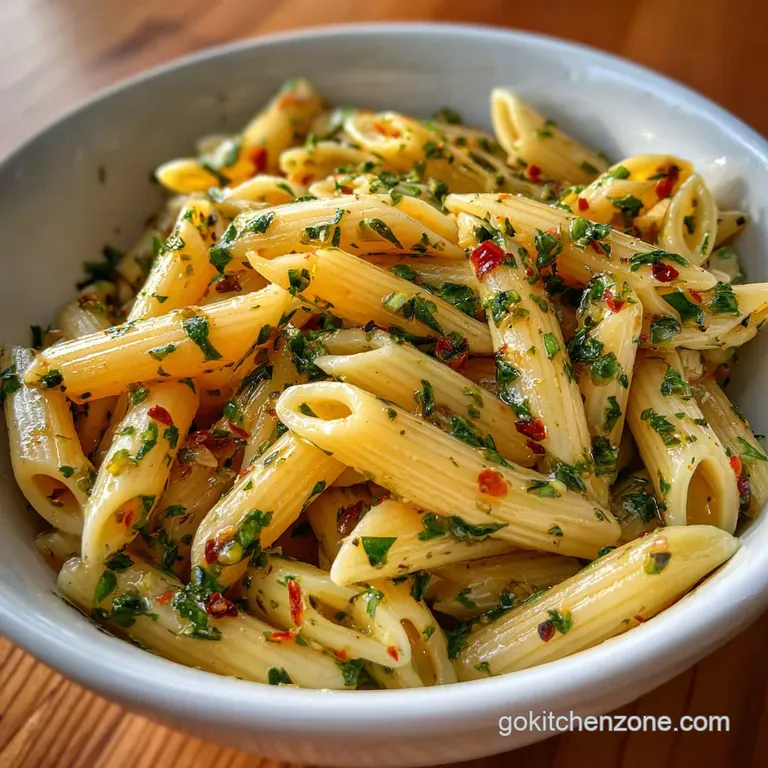
- Boil the water. Fill a large pot with 2 quarts of water and 1 tbsp sea salt. Bring to a rolling boil.
- Cook the spaghetti. Add 8 oz dried spaghetti. Cook for about 8 minutes until the center still has a tiny firm bite (al dente). Note: It will finish cooking in the skillet.
- Save the water. Before draining, scoop out at least 1 cup of the starchy pasta water. Do not skip this step.
- Infuse the oil. In a cold skillet, add 1/4 cup extra virgin olive oil and the 4 sliced garlic cloves.
- Heat gently. Turn the heat to medium low. Cook for 2-3 minutes until the garlic is fragrant and just begins to turn a pale golden color.
- Add the spices. Stir in 1/2 tsp red pepper flakes and 1/4 tsp black pepper. Sizzle for 30 seconds.
- Combine. Transfer the cooked pasta directly into the skillet using tongs.
- Emulsify. Pour in 1/2 cup of the reserved pasta water. Increase heat to medium and toss vigorously until the liquid turns into a creamy, glossy sauce.
- Finish with herbs. Turn off the heat. Fold in 1/4 cup parsley, 1 tbsp basil, 1/2 lemon zest, and 1/2 cup Parmesan cheese.
- Serve immediately. Toss one last time and serve while the cheese is velvety and warm.
Avoiding Common Garlic Pasta Pitfalls
Why Your Pasta Is Greasy
If the oil is just sitting at the bottom of the bowl, the emulsion didn't happen. This usually occurs if you didn't use enough pasta water or didn't toss the pasta vigorously enough while it was over the heat. The mechanical action of tossing helps the fat and water bind.
| Problem | Root Cause | Solution |
|---|---|---|
| Bitter Flavor | Burnt Garlic | Start garlic in cold oil and remove from heat if it turns dark brown. |
| Dry Pasta | Not enough water | Add pasta water 1/4 cup at a time until it looks glossy again. |
| Clumpy Cheese | Adding to high heat | Turn off the stove before adding the Parmesan to prevent "stringing." |
Common Mistakes Checklist
- ✓ Never rinse your pasta; you need that starch to make the sauce.
- ✓ Don't overcook the pasta in the water; it needs to be al dente to survive the skillet toss.
- ✓ Avoid the pre shredded cheese in the green can; it won't melt into a smooth sauce.
- ✓ Keep your garlic slices consistent so they all cook at the same rate.
- ✓ Use a skillet large enough to move the pasta freely without crowding.
Creative Flavor Variations to Try
If you want to change things up, this base recipe is incredibly forgiving. For a "Garden Bounty" version, I love throwing in a handful of halved cherry tomatoes during the last two minutes of the garlic sauté. They burst and create a beautiful pinkish hue to the sauce, much like my Cherry Tomato Pasta recipe.
For a bright citrus twist, you can double the lemon zest and add a squeeze of the juice at the very end. Just be careful too much juice can break the cheese emulsion if you aren't quick. If you're cooking for someone who needs a gluten-free option, use a high-quality brown rice pasta.
Just note that the pasta water will be even starchier, so you might need a little extra oil to balance the texture.
Scaling the Recipe Up or Down
To cut this recipe in half for a solo dinner, use 4 oz of pasta and a smaller skillet. You'll still want to use at least 2 cloves of garlic because, let's be honest, there's no such thing as too much garlic. Reduce the pasta water to about 1/4 cup.
When doubling for a crowd (16 oz of pasta), work in your largest pot or a very wide braising pan. You may need to add the pasta water in batches to keep the temperature of the pan from dropping too fast. Keep the red pepper flakes at 3/4 tsp rather than doubling them fully, unless you really want a spicy kick.
Debunking Common Kitchen Myths
One common myth is that you need to add oil to the pasta water to keep it from sticking. This actually prevents the sauce from clinging to the noodles later. If you have enough water and salt, and you give it a stir in the first minute, it won't stick.
Another misconception is that garlic must be minced for the best flavor. In this dish, thin slices are actually superior because they provide a mellow, buttery texture that you can actually eat, rather than tiny bits that might burn and turn bitter instantly.
Storage and Reheating Best Practices
Storage: This pasta is best eaten fresh, but it will keep in an airtight container in the fridge for up to 3 days. The noodles will soak up the oil over time, so it won't be quite as silky the next day.
I don't recommend freezing this dish, as the texture of the cooked pasta and the fresh herbs will degrade significantly.
Reheating: Avoid the microwave if possible, as it tends to make the oil separate and the pasta rubbery. Instead, put the leftovers in a skillet with a splash of water or a tiny bit of chicken broth. Heat over medium low, tossing gently until the sauce reconstitutes and the pasta is warmed through.
Zero Waste Tip: If you have extra parsley or basil stems, don't toss them! Toss them into the boiling pasta water while the noodles cook. It subtly infuses the pasta itself with an extra layer of herbal flavor before you even add the sauce.
Serving Ideas for the Meal
This makes a stellar companion to grilled shrimp or a simple roasted chicken. Because it's so garlic forward, it pairs beautifully with a crisp green salad tossed in a sharp vinaigrette to cleanse the palate between bites. If you have a bit more time and want a heartier meal, it also goes incredibly well alongside my Creamy Chicken Pasta recipe if you're doing a multi course "pasta night" for friends.
Whatever you serve it with, make sure to put a little extra Parmesan and a bowl of red pepper flakes on the table. Everyone has their own preference for heat and salt, and this dish is the perfect canvas for those final personal touches.
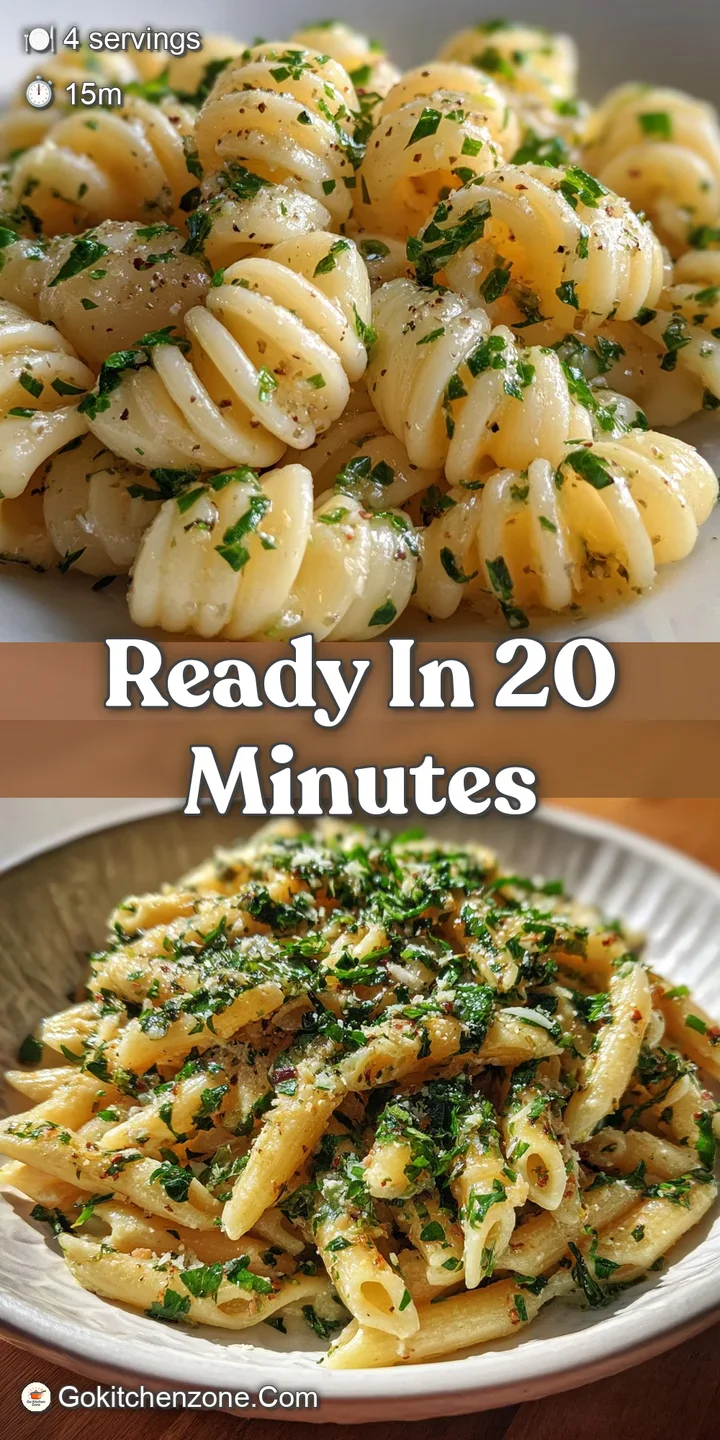
Enjoy the sizzle, the smell, and the fact that you just made a "Masterclass" level side dish in fifteen minutes.
Recipe FAQs
What's a good side dish for pasta?
Yes, garlic and herb pasta is an excellent side. It's light enough not to overpower the main course yet flavorful enough to stand on its own.
What is the name of the pasta with garlic?
This preparation is closest to Aglio e Olio (garlic and oil). Our version adds fresh herbs and lemon zest to brighten the traditional Roman base.
What are the top 10 pasta dishes?
That list varies widely, but simple, technique driven dishes are usually included. Dishes utilizing starchy pasta water for emulsion, like this one, rank highly due to their impressive flavor-to-effort ratio.
What herb goes best with pasta?
Fresh Italian parsley is essential for this recipe's bright profile. Basil is also fantastic, but for something heartier alongside steak, try the herb blend used in our Beef Steak and Pasta in 20 Minutes: Creamy Garlic Tortellini.
How to make the sauce velvety instead of oily?
Toss the pasta vigorously with reserved, starchy pasta water over medium heat. The starch acts as an emulsifier, binding the olive oil and water into a creamy sauce that coats the noodles.
Is it true that I must add cheese off the heat?
Yes, always add Parmesan off the heat or at low heat. Adding hard cheese while the pan is too hot causes the proteins to seize and curdle, resulting in stringy or grainy cheese rather than a smooth sauce.
How to prevent the garlic from burning during sautéing?
Start the sliced garlic in cold olive oil, then gradually bring the heat up to medium low. This method allows the flavor to infuse the oil slowly without scorching the delicate sugars in the garlic slices.
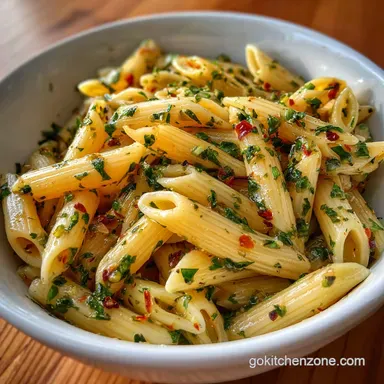
Garlic Herb Pasta Side Dish
Ingredients:
Instructions:
Nutrition Facts:
| Calories | 391 kcal |
|---|---|
| Protein | 12.2 g |
| Fat | 17.9 g |
| Carbs | 44.2 g |
| Fiber | 1.8 g |
| Sugar | 0.9 g |
| Sodium | 348 mg |
