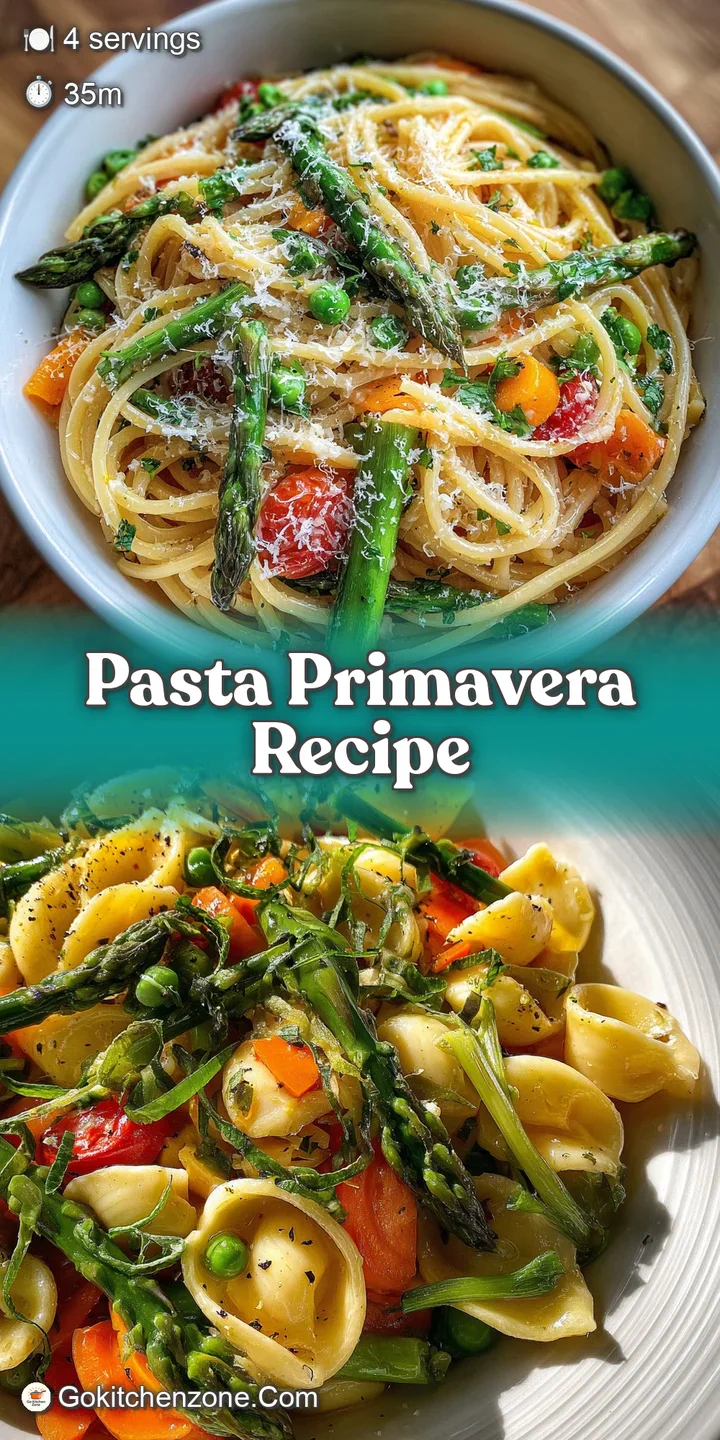
Pasta Primavera Recipe: Crisp Vegetables & Velvety Sauce
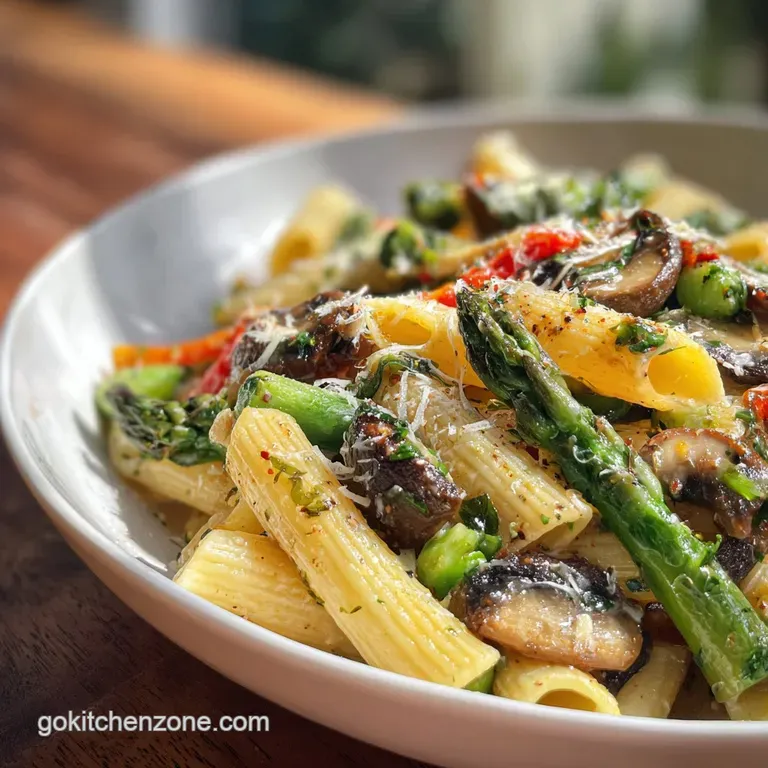
- Time: Active 20 minutes, Passive 15 minutes, Total 35 minutes
- Flavor/Texture Hook: Crisp tender vegetables meet a velvety lemon parm sauce.
- Perfect for: Busy weeknight dinner or using up a fridge full of produce.
- Fresh Garden Flavors: The Best Pasta Primavera Recipe
- Why This Vegetable Medley Works
- Component Analysis: Ingredient Deep Dive
- Fresh Ingredients and Easy Swaps
- Essential Tools for Fast Prep
- Step-by-Step for One Pan Success
- Fixing Texture and Seasoning Issues
- Protein Add ons and Dietary Tweaks
- Storing Leftovers Without the Mush
- Best Pairings for Pasta Night
- Kitchen Myths Debunked
- Recipe FAQs
- 📝 Recipe Card
Fresh Garden Flavors: The Best Pasta Primavera Recipe
The sizzle of garlic hitting olive oil is the only signal my brain needs to know that the dinner struggle is finally over. I remember the first time I tried a Pasta Primavera Recipe; I was convinced it would be a soggy mess of overcooked carrots and bland noodles.
Honestly, I’d spent years avoiding "veggie pasta" because it usually felt like an afterthought. Then I realized the trick isn't in boiling everything to death, but in the staggered sauté that keeps every snap pea and asparagus tip feeling alive.
We’ve all been there, standing in front of an open fridge at 6 PM, wondering how to make a bunch of random vegetables happen before they go limp. This recipe is my reliable "clean out the crisper" move that actually tastes like it came from a bistro.
You don't need a dozen pans or a culinary degree, just a sharp knife and a bit of timing. It's a one pan sauce situation that saves time and sanity while delivering those bright, punchy flavors we usually only get when dining out.
Trust me, the secret isn't in some fancy technique, it's about respecting the crunch. We're going to build layers of flavor, starting with the aromatics and finishing with a hit of lemon zest that cuts right through the cream.
Whether it's a Tuesday night or you're hosting a few friends, this dish delivers every single time without the stress of a complicated menu. Let's get into how to make this work in your kitchen tonight.
Why This Vegetable Medley Works
- The Emulsion Bridge: Starchy pasta water contains loosened flour molecules that act as a natural binder, helping the fat in the heavy cream and oil cling to the smooth noodles.
- Cellular Integrity: Sautéing the vegetables briefly at a high temperature softens the exterior cellulose while keeping the interior structure intact, preventing the dreaded "mush" factor.
- Enzymatic Brightness: Adding lemon juice at the very end prevents the acid from dulling the chlorophyll in the green vegetables, keeping the color vibrant.
- Fat Soluble Aromatics: Shaving the garlic thinly allows the allicin to mellow in the oil, infusing the entire base without the bitterness of burnt minced pieces.
| Method | Time | Texture | Best For |
|---|---|---|---|
| Traditional Stovetop | 15 minutes | Crisp tender and bright | Maximum color and fresh flavor |
| Sheet Pan Roasted | 25 minutes | Caramelized and sweet | Deep, charred flavor profiles |
| One Pot Simmered | 20 minutes | Soft and integrated | Maximum convenience and easy cleanup |
Using a traditional stovetop method ensures that the zucchini doesn't release too much water, which can happen if you crowd them on a roasting pan. This keeps the sauce creamy rather than watery.
Component Analysis: Ingredient Deep Dive
| Ingredient | Science Role | Pro Secret |
|---|---|---|
| Starchy Pasta Water | Emulsifier | Never toss it; it’s the "glue" for the sauce. |
| Shaved Garlic | Flavor Base | Use a vegetable peeler for translucent, melt in-your mouth slices. |
| Heavy Cream | Mouthfeel | Provides a fat barrier that carries the lemon and herb flavors. |
| Lemon Zest | Volatile Oils | Contains the citrus essence without the thinning acidity of juice. |
Each part of this Pasta Primavera Recipe serves a specific purpose, from the structural integrity of the penne to the aromatic lift of the basil. If you're looking for something with a bit more punch, this technique is similar to how we build layers in our Pasta Side Dish recipe.
Fresh Ingredients and Easy Swaps
- 12 oz Penne or Fettuccine: Use Penne for better vegetable "trapping" in the ridges. Why this? Ridges hold the light cream sauce better than smooth pasta.
- Substitute: Rotini or Fusilli.
- 2 medium carrots: Julienned for even cooking. Why this? Thin strips match the cook time of the other vegetables.
- Substitute: Parsnips for an earthier, sweeter tone.
- 1 medium zucchini: Sliced into half moons. Why this? High water content adds moisture to the pan sauce.
- Substitute: Yellow summer squash.
- 1 bell pepper: Thinly sliced. Why this? Adds a necessary crunch and sweetness.
- Substitute: Blistered cherry tomatoes for a burst of juice.
- 1 bunch asparagus: Woody ends removed. Why this? Provides an earthy, seasonal snap.
- Substitute: Green beans (blanch them for 2 minutes first).
- 1/2 cup peas: Fresh or frozen. Why this? Pops of sweetness in every bite.
- Substitute: Edamame for extra protein.
- 1/2 small red onion: Thinly sliced. Why this? Milder than white onion when sautéed quickly.
- Substitute: Shallots for a more delicate flavor.
- 3 cloves garlic: Thinly shaved. Why this? Avoids the "burnt garlic" taste of small minces.
- Substitute: Garlic confit if you have it on hand.
- 2 tablespoons extra virgin olive oil: The primary fat source.
- 1/4 cup heavy cream: Just enough for silkiness without being "soupy."
- 2 tablespoons lemon juice & 1 tablespoon zest: For vital acidity.
- 1/2 cup Parmesan cheese: Adds salt and helps the sauce thicken.
- 1/4 cup fresh basil: Chiffonade for a final aromatic hit.
- 1/2 teaspoon red pepper flakes: For a subtle, warming back heat.
Chef Tip: Shave your garlic with a handheld mandoline or a sharp vegetable peeler. The slices are so thin they practically dissolve into the olive oil, giving you a velvety garlic flavor without any sharp bits.
Essential Tools for Fast Prep
To make a reliable Pasta Primavera Recipe, you don't need a kitchen full of gadgets, but two things are non negotiable: a large 12 inch skillet and a microplane. The large skillet provides enough surface area so the vegetables sauté rather than steam.
If you use a small pot, the moisture from the zucchini will collect at the bottom, and you'll end up with a grey, limp mess instead of that vibrant sizzle we're after.
A microplane is your best friend for the lemon zest and the Parmesan. Box graters often produce chunks of cheese that take too long to melt, potentially causing your sauce to break. When you use a microplane, the cheese falls like snow and integrates instantly into the cream and pasta water.
It’s these small shortcuts that preserve the quality of the dish on a busy night.
step-by-step for One Pan Success
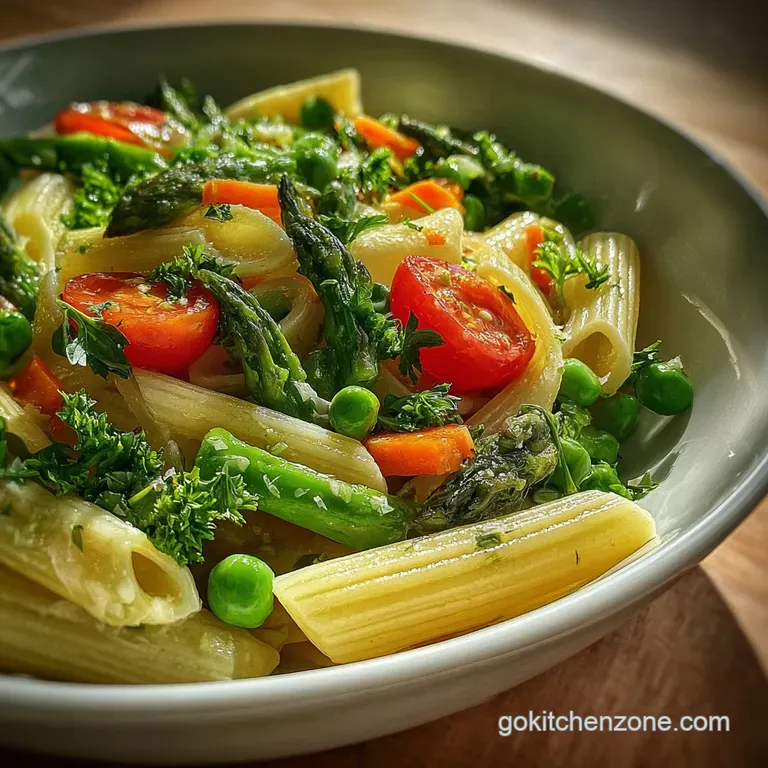
- Boil the pasta. Cook the 12 oz of penne in salted water until slightly firmer than al dente. Note: It will finish cooking in the sauce later.
- Save the liquid. Scoop out 1/2 cup of the starchy water before draining.
- Sauté the aromatics. Heat olive oil in the skillet and add red onion and garlic, cooking until the onion is translucent.
- Layer the vegetables. Add the carrots and bell peppers first, as they take the longest to soften.
- Add the greens. Toss in the zucchini and asparagus, sautéing until the asparagus is bright green.
- Flash cook the peas. Stir in the peas and red pepper flakes for 1 minute.
- Create the base. Pour in the heavy cream and lemon juice, stirring to deglaze the pan.
- Combine. Add the cooked pasta and that reserved starchy water to the skillet.
- Emulsify the sauce. Sprinkle in the Parmesan cheese, tossing constantly until the sauce looks velvety and coats the noodles.
- Final garnish. Remove from heat and stir in the lemon zest and fresh basil.
| Fresh | Shortcut | Flavor Impact |
|---|---|---|
| Fresh Asparagus | Frozen Green Beans | Frozen beans are softer; fresh provides better snap. |
| Hand shaved Garlic | Jarred Minced Garlic | Jarred has a metallic aftertaste; fresh is much sweeter. |
| Whole Lemon Zest | Bottled Lemon Juice | Bottled lacks the floral citrus oils found in the peel. |
Using fresh ingredients whenever possible keeps the dish from feeling heavy. If you're in the mood for a heartier version with more protein, you might enjoy this Creamy Chicken Pasta recipe which uses a similar sauce base.
Fixing Texture and Seasoning Issues
Why Your Sauce Is Watery
If your sauce is pooling at the bottom of the bowl, it’s usually because the vegetables released too much liquid or you didn't toss the pasta long enough. The "tossing" phase is where the magic happens. You need the heat, the starch, and the cheese to work together to form a stable coating.
Preventing Overcooked Mushy Vegetables
The dinner struggle often leads us to dump everything in at once. Don't do it. Carrots need a head start, while peas only need sixty seconds. If you find your veggies are consistently mushy, try cutting them into larger pieces next time.
Larger chunks have more thermal mass and resist overcooking longer than tiny julienned strips.
| Problem | Root Cause | Solution |
|---|---|---|
| Bland Sauce | Not enough salt in pasta water | Add a pinch of salt and extra lemon zest at the end. |
| Broken Sauce | Heat too high when adding cheese | Remove skillet from heat before stirring in Parmesan. |
| Dry Pasta | Pasta absorbed all the liquid | Splash in more reserved pasta water 1 tablespoon at a time. |
Common Mistakes Checklist
- ✓ Never rinse your pasta; you need that surface starch for the sauce to stick.
- ✓ Don't skip the lemon zest it's the primary flavor driver of the whole dish.
- ✓ Wait until the very end to add the basil so it doesn't turn black from the heat.
- ✓ Sauté in batches if your pan is small to ensure the veggies actually sear.
- ✓ Use a high-quality Parmesan (not the green can) for proper melting.
Protein Add ons and Dietary Tweaks
Adding Lean Protein
While this Pasta Primavera Recipe is a vegetable powerhouse, sometimes you need a bit more. I love tossing in some grilled shrimp or sliced chicken breast. If you go the shrimp route, sear them in the skillet first, set them aside, and then proceed with the vegetables.
This keeps the shrimp from getting rubbery while you're busy with the carrots.
Dietary Swaps
For a Vegan Pasta Primavera Recipe, replace the heavy cream with full fat coconut milk (it won't taste like coconut once the lemon is added) and swap the Parmesan for nutritional yeast or a vegan parm alternative.
If you're looking for a gluten-free option, use a sturdy brown rice pasta, but be careful not to over toss it, as GF pasta tends to break apart more easily than wheat.
Decision Shortcut
- If you want maximum creaminess, double the heavy cream and add an extra 1/4 cup of cheese.
- If you want a lighter meal, omit the cream entirely and use a high-quality extra virgin olive oil and more pasta water.
- If you want extra crunch, top the finished dish with toasted pine nuts or panko breadcrumbs.
Storing Leftovers Without the Mush
Leftover Pasta Primavera Recipe can be a bit tricky because the vegetables continue to soften as they sit. Store it in an airtight container in the fridge for up to 3 days. When you reheat it, do it on the stovetop with a tiny splash of water or milk to loosen the sauce.
Microwaving usually results in uneven heating and can make the cream sauce separate.
I don't recommend freezing this dish. The zucchini and bell peppers have high water content; when they freeze and thaw, their cell walls shatter, leaving you with a watery, textureless mess.
Instead, use any leftovers as a base for a cold pasta salad the next day just add a splash of balsamic vinaigrette and some fresh greens.
Best Pairings for Pasta Night
Since this dish is so vegetable forward, you don't need a heavy side. A simple crusty baguette or garlic bread is perfect for mopping up any leftover lemon cream sauce. If you really want to lean into the garden theme, a light arugula salad with a simple vinaigrette provides a nice peppery contrast to the sweetness of the sautéed carrots and peas.
For a wine pairing, look for something with high acidity like a Sauvignon Blanc or a Pinot Grigio. The citrus notes in the wine will mirror the lemon in the pasta, making the whole meal feel much more cohesive. If you're skipping the alcohol, a sparkling water with a squeeze of fresh lime is equally refreshing.
Kitchen Myths Debunked
One common misconception is that you need a huge pot of boiling water to cook pasta. Actually, using less water creates a more concentrated starch solution, which is exactly what we want for this Pasta Primavera Recipe. More starch means a glossier, more stable sauce that won't slide off your noodles.
Another myth is that "Primavera" must contain specific vegetables. In reality, the word just means "Spring style." While asparagus and peas are traditional, the best version of this dish is the one made with whatever is freshest at your local market.
Don't feel tied to the list if the broccoli looks better than the asparagus, make the switch!
Finally, many people think you have to cook the cream for a long time to thicken it. In this recipe, we're using the cream more as a finisher. The combination of the heavy cream, the starchy water, and the finely grated cheese creates an instant emulsion that doesn't require a long reduction time.
This keeps the flavors bright and prevents the sauce from becoming too heavy or "cooked" tasting.
Recipe FAQs
What are the ingredients in pasta primavera?
Key components include penne or fettuccine pasta, hard vegetables like carrots and peppers, softer vegetables like zucchini and peas, olive oil, heavy cream, Parmesan cheese, garlic, and fresh lemon zest and juice.
What are some common mistakes when making primavera?
Yes, overcooking the vegetables is the primary error. Sauté vegetables in staggered order based on density hardest vegetables first and ensure you use starchy pasta water to create a stable, light sauce rather than letting it become watery.
What kind of pasta is used in Primavera?
Penne or fettuccine are highly recommended. Penne works well because its tubes and ridges trap the light cream sauce effectively, but any short, ridged pasta shape performs better than long, smooth strands for catching the veggies.
What vegetables to put in creamy pasta?
Use a mix of textures, prioritizing spring/summer produce. Asparagus, zucchini, peas, carrots, and bell peppers are excellent choices because they hold up well to quick sautéing.
How do I prevent my Primavera sauce from breaking or becoming watery?
Combine the heat source, starch, and fat off the burner. Remove the skillet from the heat before incorporating the Parmesan cheese, ensuring the reserved starchy pasta water acts as the emulsifier to bind the fat from the cream and oil.
Is it true I must use only fresh vegetables for authentic Primavera?
No, frozen peas are acceptable and encouraged. While fresh is best for structure, frozen peas are often flash frozen at peak freshness, offering sweetness without sacrificing much texture when added at the very end.
How can I add a savory, rich flavor boost to this vegetarian dish?
Sauté a protein like browned Italian sausage or mushrooms first. Browning aromatics deeply before adding vegetables builds foundational umami; if you prefer a meat based variation, try the flavor layering technique used in the Ground Beef Pasta recipe.
Easy Pasta Primavera Recipe
Ingredients:
Instructions:
Nutrition Facts:
| Calories | 547 kcal |
|---|---|
| Protein | 19.7 g |
| Fat | 17.5 g |
| Carbs | 78.5 g |
| Fiber | 7.2 g |
| Sugar | 7.8 g |
| Sodium | 680 mg |
