Lobster Mac and Cheese with Silky Crust
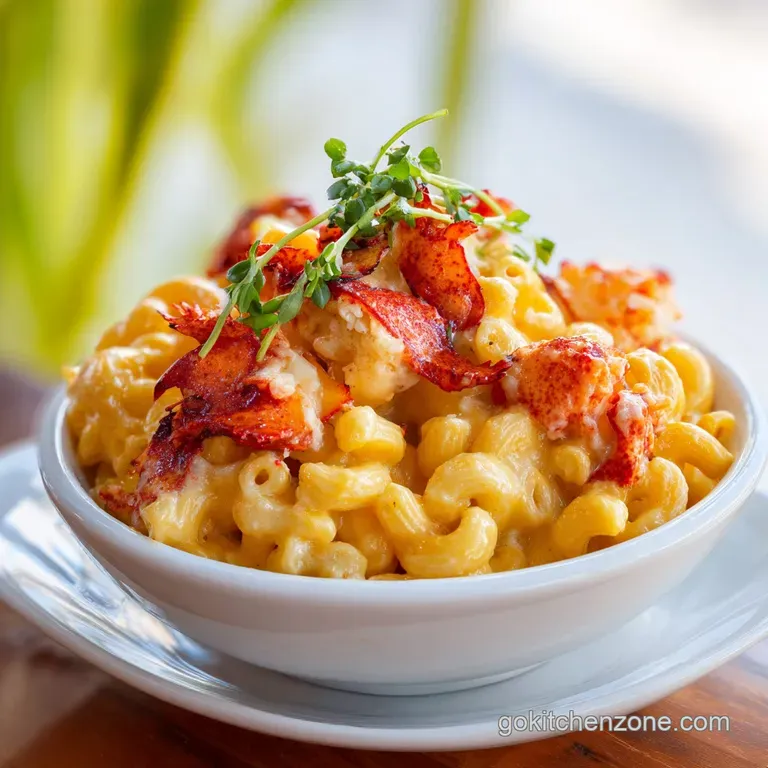
- Time: Active 25 minutes, Passive 35 minutes, Total 60 minutes
- Flavor/Texture Hook: Shattering panko crust with silky, cheese drenched pasta
- Perfect for: Anniversary dinners or a high end weekend treat
- How to Make Creamy Lobster Mac and Cheese
- Why This Recipe Works Every Time
- Method Comparison Stovetop vs Oven
- Deep Dive into Recipe Ingredients
- Essential Ingredients for Perfect Flavor
- Essential Tools for This Meal
- Steps for Making the Dish
- Common Mistakes and Quick Fixes
- Adjusting the Recipe Size
- Ingredient Alternatives and Budget Choices
- Popular Myths About Seafood Pasta
- Tips for Storage and Leftovers
- Best Sides and Serving Ideas
- High in Sodium
- Recipe FAQs
- 📝 Recipe Card
How to Make Creamy Lobster Mac and Cheese
The first time I tried to make lobster mac at home, it was a disaster. I boiled the lobster until it felt like chewing on rubber bands and the sauce broke into an oily mess that sat at the bottom of the bowl.
But then, I heard that unmistakable sizzle of lobster hitting a pan of garlic infused butter at a little shack in Maine, and the aroma sweet, briny, and rich changed everything. I realized I was overthinking the luxury and underthinking the technique.
This recipe is about that specific moment of success. We aren't just tossing seafood into a pot of noodles; we are building layers of flavor. You'll smell the nutty Gruyère melting into the warm milk and see the smoked paprika turn the sauce a pale, inviting sunset orange.
It's a dish that feels like a celebration but relies on the kind of practical steps any home cook can master on a Friday night.
We've all had those "fancy" restaurant versions that are mostly pasta and very little soul. This isn't that. We are using a full 1.5 lb of lobster tails because if we're doing this, we're doing it right.
You can expect a dish that is deeply savory, with a hint of lemon zest to cut through the richness and a crust that provides a loud, satisfying crunch against the soft, cheese coated cavatappi.
Why This Recipe Works Every Time
The Butter Poaching Secret: Poaching the lobster chunks in 3 tablespoons of butter with smashed garlic at a low temperature prevents the proteins from tightening up, keeping the meat tender and sweet.
Neufchâtel Stabilization: Using 4 oz of Neufchâtel cheese acts as an emulsifier, preventing the Gruyère and cheddar from separating or becoming grainy when baked.
Starch Gelatinization: Cooking the cavatappi just under al dente allows the pasta to soak up the cheese sauce during the bake without losing its structural integrity.
Triple Fat Barrier: The combination of whole milk, European style butter, and high moisture cheeses creates a velvety coating that clings to the ridges of the shells.
Method Comparison Stovetop vs Oven
| Method | Time | Texture | Best For |
|---|---|---|---|
| Stovetop | 35 minutes | Ultra creamy and liquid | Quick cravings |
| Oven Baked | 60 minutes | Set sauce with crust | Dinner parties |
| Hybrid | 45 minutes | Creamy interior, crisp top | The "Best of Both" |
Choosing the right method depends on your texture preference. If you like a "saucy" bowl, stop after mixing on the stove. However, for this Lobster Mac and Cheese, the oven bake is essential to develop the flavor of the smoked paprika and to get that panko topping to shatter when you dive in with a spoon.
It's the contrast between the crispy top and the silky interior that makes this specific recipe stand out from a standard stovetop version.
Deep Dive into Recipe Ingredients
The Chemistry of the Components
| Ingredient | Science Role | Pro Secret |
|---|---|---|
| Gruyère Cheese | Melting point & Umami | Grate it yourself from a block to avoid cellulose anti clumping agents. |
| Neufchâtel | Emulsification | It has more moisture than standard cream cheese, making the sauce silkier. |
| Cavatappi | Surface Area | The corkscrew shape and ridges trap maximum sauce inside and out. |
| Lemon Zest | Acid Brightness | Essential for cutting through the heavy fats of the lobster and butter. |
Essential Ingredients for Perfect Flavor
- 1.5 lb fresh lobster tails: Chopped into 1 inch chunks. Why this? Fresh tails provide a sweetness that frozen "lobster meat" bags often lack.
- Substitute: Large shrimp (peeled and deveined) if lobster isn't in the budget.
- 1 lb cavatappi or large shell pasta: Why this? The "hollow" middle holds onto the cheese sauce perfectly.
- Substitute: Campanelle or even standard elbow macaroni.
- 7 tbsp unsalted European style butter: Divided (3 for lobster, 4 for roux). Why this? Lower water content means a richer, more stable sauce.
- Substitute: Standard unsalted butter works, but reduce added salt slightly.
- 2 cloves garlic: Smashed. Why this? Infuses the poaching butter without burning or overpowering the seafood.
- Substitute: 1/2 tsp garlic powder added to the flour roux.
- 1 tsp lemon zest: Why this? Essential for highlighting the natural sweetness of the lobster.
- Substitute: 1 tsp of fresh lemon juice added at the very end.
- 1/4 cup all purpose flour: Why this? The base for the roux that thickens our sauce.
- Substitute: 1:1 gluten-free all purpose flour blend.
- 3 cups whole milk: Warmed. Why this? Warm milk prevents lumps from forming when hitting the hot roux.
- Substitute: 2.5 cups 2% milk plus 0.5 cup heavy cream.
- 4 oz Neufchâtel cheese: Why this? Keeps the sauce from "breaking" or becoming oily in the oven.
- Substitute: Standard full fat cream cheese.
- 2 cups Gruyère cheese: Shredded. Why this? Provides a sophisticated, nutty depth that cheddar alone misses.
- Substitute: Swiss cheese or Fontina for a milder flavor.
- 1 cup sharp white cheddar: Shredded. Why this? Adds the classic "tang" we expect from mac and cheese.
- Substitute: Yellow sharp cheddar (will change the color to orange).
- 1/2 tsp smoked paprika: Why this? Adds a hint of "wood fired" depth and a beautiful hue.
- Substitute: Sweet paprika or a pinch of cayenne for heat.
- 1/4 tsp ground nutmeg: Why this? The secret ingredient that makes béchamel taste "professional."
- Substitute: Mace or omit if you really dislike it.
- 1 cup panko breadcrumbs: Why this? Provides a much lighter, crispier crunch than standard breadcrumbs.
- Substitute: Crushed Ritz crackers for a buttery, salty alternative.
- 2 tbsp fresh parsley: Minced. Why this? Freshness and color for the final presentation.
- Substitute: Fresh chives or dried parsley (use half the amount).
- 0.5 tsp salt: Why this? Enhances all other flavors.
- Substitute: Sea salt or kosher salt.
- 0.25 tsp white pepper: Why this? Provides heat without the black specks in a white sauce.
- Substitute: Ground black pepper.
Essential Tools for This Meal
To keep things efficient, you only need a few reliable pieces of gear. A large pot for the pasta and a heavy bottomed saucepan (like a 4 quart Le Creuset or similar) for the sauce are non negotiable. You’ll also want a 9x13 inch baking dish.
Chef's Tip: Freeze your block of Gruyère for 10 minutes before grating. It makes the cheese firmer and prevents it from clumping or melting against the heat of your hands, giving you those perfect, airy shreds that melt evenly.
I also highly recommend using a whisk rather than a spoon when making the sauce. A whisk helps break up the flour particles in the roux and ensures the milk incorporates without creating those annoying flour "beads" that ruin the texture of the mac and cheese.
Steps for Making the Dish
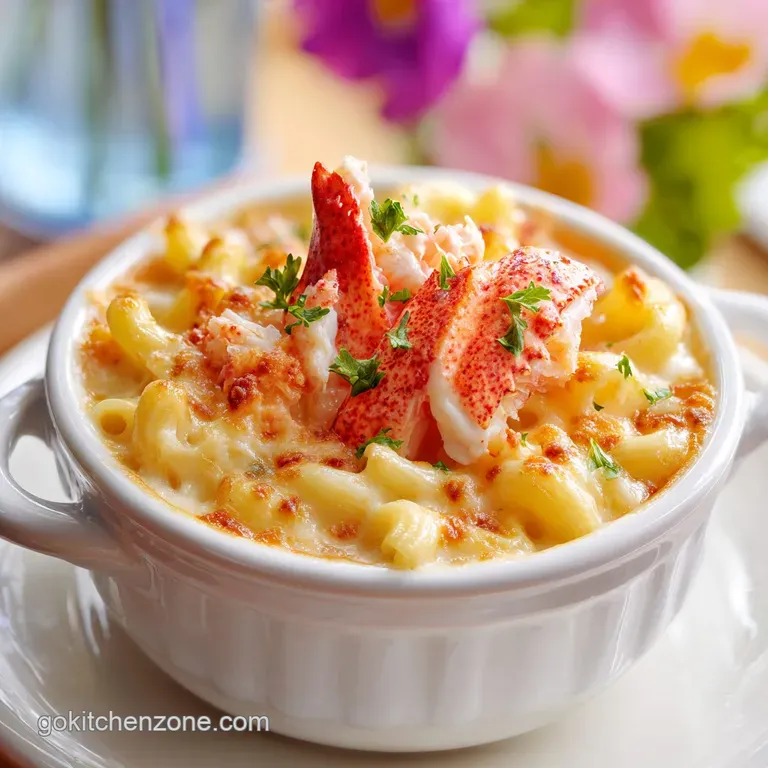
- Boil the pasta. Cook the 1 lb cavatappi in salted water for 2 minutes less than the package instructions. Note: It should still have a firm "bite" as it will finish cooking in the sauce.
- Poach the lobster. In a medium skillet, melt 3 tbsp butter with 2 smashed garlic cloves. Add the 1.5 lb lobster chunks and 1 tsp lemon zest. Cook 3-4 mins until just opaque and pink. Set aside, keeping the butter.
- Start the roux. In your large saucepan, melt the remaining 4 tbsp butter. Whisk in 1/4 cup all purpose flour. Cook 2 mins until it smells like toasted shortbread.
- Build the sauce. Slowly pour in 3 cups warmed whole milk, whisking constantly. Simmer 5 mins until it coats the back of a spoon.
- Incorporate the cheeses. Stir in 4 oz Neufchâtel until melted, then add 2 cups Gruyère and 1 cup sharp white cheddar. Whisk until the sauce is velvety and smooth.
- Season the base. Stir in 1/2 tsp smoked paprika, 1/4 tsp nutmeg, 0.5 tsp salt, and 0.25 tsp white pepper.
- Combine the elements. Fold the undercooked pasta and the lobster (along with that garlic butter!) into the cheese sauce. Mix until every noodle is fully submerged.
- Prepare the topping. Toss 1 cup panko with 2 tbsp minced parsley. If you're feeling indulgent, add a tiny drizzle of melted butter to the crumbs.
- The final bake. Pour the mixture into a 9x13 dish and top with panko. Bake at 375°F (190°C) for 15-20 mins until the edges are bubbling and the top is golden brown.
Common Mistakes and Quick Fixes
Why Your Cheese Sauce Is Grainy
If your sauce feels "sandy" on the tongue, it’s usually because the heat was too high when you added the cheese. High heat causes the proteins in the cheese to tighten and squeeze out the fat. Always lower the heat to the minimum (or turn it off entirely) before whisking in your shredded cheese.
Preventing Rubbery Lobster
The most common tragedy is overcooking the seafood. Remember that the lobster will spend 20 minutes in a hot oven. When you poach it in the pan initially, you only want it just cooked it should be slightly translucent in the very center.
If it’s tough before it goes in the oven, it will be like eating erasers afterward.
| Problem | Root Cause | Solution |
|---|---|---|
| Thin Sauce | Not enough flour or milk not simmered | Simmer 3 more mins or add a slurry of 1 tsp cornstarch/water. |
| Bland Flavor | Lack of salt or acid | Add a squeeze of lemon juice and a pinch more salt. |
| Soggy Pasta | Overboiled noodles | Always cook pasta "2 minutes under" the box directions. |
- ✓ Always grate your own cheese from a block to ensure a smooth melt.
- ✓ Warm the milk before adding it to the flour to prevent lumps.
- ✓ Pat the lobster chunks dry with a paper towel before poaching.
- ✓ Let the dish sit for 5 minutes after baking to let the sauce set.
- ✓ Don't skip the nutmeg; it provides the essential "bridge" between the seafood and cheese.
Adjusting the Recipe Size
If you're looking for Lobster Mac and Cheese for two, simply cut all ingredients in half. Use an 8x8 inch pan and reduce the baking time by about 5 minutes. Since you can't easily halve a single garlic clove, just use one small one or a larger one if you love the flavor.
Scaling up for a big party (like doubling the recipe) requires a bit of care. Don't double the salt or smoked paprika immediately; start with 1.5x the amount and taste as you go. You'll likely need to bake it in two separate dishes rather than one giant deep dish, as the center of a double batch won't heat through before the edges dry out.
If you're making this as a side for a larger seafood spread, it pairs beautifully with a simple green salad to balance the richness.
Ingredient Alternatives and Budget Choices
| Premium | Budget | Flavor Impact | Savings |
|---|---|---|---|
| Lobster Tails | Large Frozen Shrimp | Less sweet, more "snap" | Save $15-20 |
| Gruyère | Sharp Swiss | Slightly less nutty | Save $5-7 |
| European Butter | Store Brand Butter | Slightly less creamy | Save $2-3 |
If you find lobster is just too pricey this week, don't sweat it. You can use the exact same base sauce for a brilliant Macaroni and Cheese recipe without any seafood at all. If you want a different method entirely for a busy day, you might prefer a Crockpot Mac and recipe which handles the creaminess for you while you're away.
Popular Myths About Seafood Pasta
One common misconception is that "seafood and cheese don't mix." This is a classic Italian culinary rule, but in American comfort food, it's a match made in heaven. The key is using the right cheese.
Sharp cheddar and nutty Gruyère complement the sweetness of the lobster rather than overpowering it like a pungent blue cheese would.
Another myth is that you need to use heavy cream for a "restaurant quality" sauce. In reality, a well made roux with whole milk and the addition of Neufchâtel cheese creates a more stable, velvety texture that won't feel "heavy" or greasy on the palate.
The flour in the roux provides a structural bond that cream alone lacks when baked.
Tips for Storage and Leftovers
- Fridge: Store in an airtight container for up to 2 days. The seafood loses its peak texture after this, so don't wait too long.
- Freezer: I don't recommend freezing this dish once baked, as the lobster can become grainy and the sauce often breaks upon thawing.
- Reheating: This is the most important part! Never microwave on high. Place a portion in a small oven safe dish, add a tablespoon of milk to help "loosen" the sauce, cover with foil, and heat at 325°F (160°C) until warmed through.
- Zero Waste: Don't throw away those lobster shells! Toss them in a pot with some water, a carrot, and an onion to make a quick seafood stock for your next risotto or soup.
Best Sides and Serving Ideas
Because this Lobster Mac and Cheese is so incredibly rich, you need something bright or crunchy to serve alongside it. A simple arugula salad with a lemon shallot vinaigrette is my go to. The peppery bite of the greens cuts right through the Gruyère.
If you really want to lean into the theme, these pair incredibly well with a batch of my Cheddar Bay Biscuit recipe. The garlic and herb notes in the biscuits mirror the poaching butter used for the lobster, making the whole meal feel cohesive. If you're serving this for a holiday dinner, consider adding a side of roasted asparagus with a squeeze of fresh lemon to keep the plate looking vibrant and fresh. For another seafood option that feels just as special, you could even try a Homemade Pierogi with recipe on the side if you're feeding a real crowd of comfort food lovers.

High in Sodium
845 mg mg of sodium per serving (37% of daily value)
American Heart Association recommendation: Limit sodium intake to about 2,300mg per day.
Tips to Reduce Sodium in Your Lobster Mac & Cheese
-
Low-Sodium Cheese-15%
Substitute the Gruyère and cheddar cheese with low-sodium or reduced sodium varieties. This can significantly cut down on the overall sodium content. Look for labels that say 'low sodium' or 'reduced sodium'.
-
Reduce Added Salt-25%
Halve the amount of added salt (from 0.5 tsp to 0.25 tsp) or eliminate it entirely. Taste the dish before adding any salt, as the cheeses already contribute a salty flavor. Salt enhances the flavor, but it's not always necessary.
-
Unsalted Butter Only-5%
Ensure you're only using unsalted butter throughout the recipe. Even unsalted butter can contain some sodium, but it's significantly less than salted varieties. Double check the label when purchasing butter.
-
Enhance Flavor with Herbs
Experiment with fresh herbs like thyme, chives, or dill to boost the flavor of your mac and cheese without adding sodium. Fresh herbs provide a more complex flavor profile.
Recipe FAQs
What cheese is best for lobster mac and cheese?
A combination of Gruyère and Sharp White Cheddar is best. Gruyère provides excellent melt quality and deep umami, while the sharp cheddar delivers the necessary tang.
What makes lobster mac and cheese so good?
The textural contrast and flavor layering make it superb. Perfectly poached, tender lobster meat contrasts the rich, velvety cheese sauce, all topped with a shattering, crispy panko crust.
Is Costco lobster mac and cheese real lobster?
Often, yes, but confirm the label for the specific SKU. While many high end prepared foods use real lobster, budget versions sometimes substitute imitation crab or use less expensive claw/knuckle meat.
Is it better to use evaporated milk or heavy cream for mac and cheese?
Whole milk with Neufchâtel cheese provides the best stability. Heavy cream can sometimes lead to a greasy separation when baked, whereas a quality roux made with whole milk and the added stabilizer (Neufchâtel) ensures a silky, non-breaking sauce.
How do I prevent my cheese sauce from becoming grainy or oily?
Remove the sauce from the heat entirely before incorporating the cheese. High, direct heat causes cheese proteins to seize and separate the fat content, leading to a grainy texture. If you mastered controlling cookie spread here, see how the same fat ratio logic applies to our Pumpkin Pie Crescents recipe for structure control.
How do I keep the lobster meat tender and not rubbery?
Poach the lobster gently in butter before mixing it in. Cook the chunks very briefly (3-4 minutes) in butter infused with garlic until they are just opaque, then pull them immediately; they will finish cooking gently in the oven's residual heat.
What is the purpose of adding nutmeg to a savory cheese sauce?
Nutmeg enhances the depth of the dairy and cheese flavor profile. It acts as a classic aromatic bridge in béchamel sauces, making the overall taste feel more complex and professionally balanced, much like the balancing required in our Shrimp Pasta Recipe with Butter Sauce for 4.
Creamy Lobster Mac And Cheese

Ingredients:
Instructions:
Nutrition Facts:
| Calories | 878 kcal |
|---|---|
| Protein | 53.6 g |
| Fat | 41.2 g |
| Carbs | 72.8 g |
| Fiber | 2.9 g |
| Sugar | 6.2 g |
| Sodium | 845 mg |
