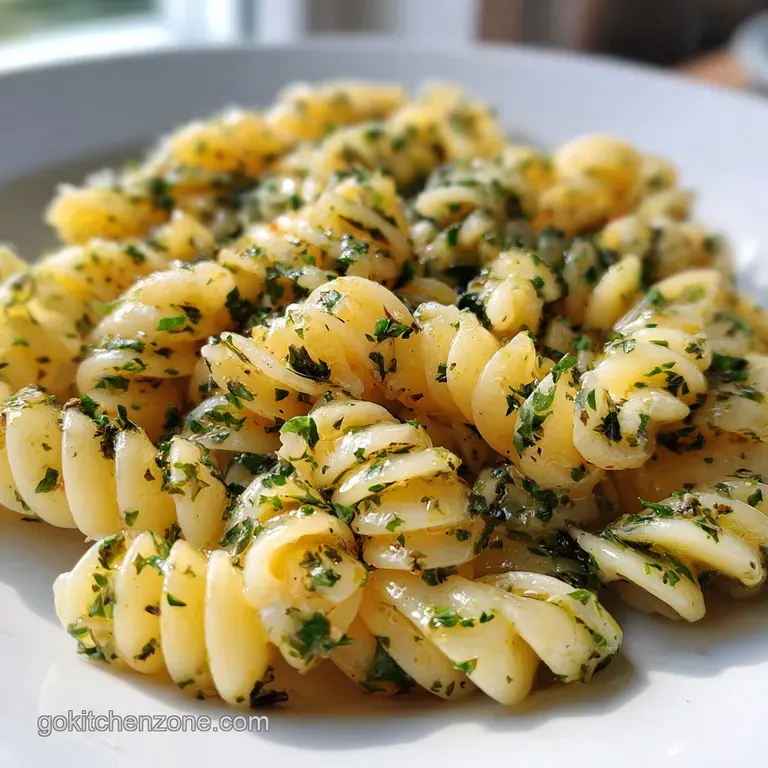
Creamy Herb Pasta: Silky Lemon Brightened
- Time: Active 5 minutes, Passive 10 minutes, Total 15 minutes
- Flavor/Texture Hook: Silky, lemon brightened cream with a vibrant herb finish
- Perfect for: High speed weeknight meals or beginner entertaining
- The Ultimate Comforting Creamy Herb Pasta
- Why This Method Truly Works
- Essential Recipe Specifications
- Gathering the Fresh Ingredients
- Kitchen Tools You'll Need
- Steps from Prep to Plate
- Avoiding Common Kitchen Mistakes
- Ways to Customize Your Bowl
- Storing Your Leftovers Safely
- Best Serving and Enjoying Tips
- HIGH in Sodium
- Recipe FAQs
- 📝 Recipe Card
The Ultimate Comforting Creamy Herb Pasta
The butter hits the pan and begins to sizzle, sending that first sharp, sweet hit of garlic into the air. We’ve all been there, staring at a box of noodles and a near empty fridge, wondering how to make something that doesn't feel like a "settle" meal.
I used to think that a truly velvety sauce required hours of reduction or some high level culinary degree, but I learned the hard way that over cooking cream just leads to a greasy, separated mess.
This specific Creamy Herb Pasta is the result of a Tuesday night where I actually ran out of jarred sauce and had to rely on the fresh herbs starting to wilt in my crisper drawer. The secret isn't more fat; it’s the way we use the pasta water to bridge the gap between the heavy cream and the cheese.
You'll get a coating that’s thick enough to hug the spaghetti but light enough that you won't need a nap immediately after the last bite.
We are skipping the flour based roux today because it often mutes the bright, grassy notes of the parsley and chives. Instead, we’re going for a direct emulsion. It’s fast, it’s reliable, and frankly, it's the only way I cook when the "dinner struggle" is real and the clock is ticking.
Trust me on this once you hear the velvety slurp of the noodles hitting the sauce, you won't go back to the jarred stuff.
Why This Method Truly Works
- Emulsion Stability: Using reserved starchy water acts as a glue, preventing the heavy cream and melted butter from separating into an oily pool.
- Aromatic Volatility: Adding fresh herbs at the very end ensures their essential oils don't evaporate, keeping the flavor sharp and bright.
- Fat Balance: The lemon juice provides necessary acidity to "cut" through the 40.2g of fat per serving, preventing palate fatigue.
- Starch Gelatinization: Cooking the pasta in salted water ensures the noodles are seasoned from the inside out, providing a foundation for the sauce to grip.
Achieving Perfect Emulsification
The physics of this sauce depends on the starch left behind in your pasta water. When you whisk that murky liquid into the butter and cream, it creates a suspension that keeps the fats from clinging to themselves.
Preserving Aromatic Volatility
Fresh herbs like basil and chives are delicate. Heat is their enemy; it turns them brown and dulls their "green" flavor. By folding them in once the heat is off, we trap those aromas in the cooling cream.
Preventing Cream Fatigue
Heavy cream is rich, but it can be one dimensional. The addition of nutmeg just a quarter teaspoon adds a subtle woody warmth that makes the sauce taste more complex without being identifiable as a specific spice.
| Method | Time | Texture | Best For |
|---|---|---|---|
| Stovetop | 15 minutes | Silky and fluid | Immediate eating |
| Oven Finish | 25 minutes | Set and bubbly | Feeding a crowd |
The stovetop version is my go to because it keeps the herbs vibrant. If you choose to bake this with extra cheese, the herbs will lose their brightness but the edges will get a satisfying crunch.
Essential Recipe Specifications
Getting the timing right is the difference between a silky dinner and a gummy disaster. Since we are using 450g (16 oz) of pasta, you need a pot large enough to let the noodles move freely without sticking.
The Time Crunch
You have exactly 10 minutes while the pasta boils to get your garlic minced and your herbs prepped. Don't waste the "passive" boiling time; that's when the magic of the prep happens.
The Shortcut
If you’re really in a rush, use a microplane for the garlic. It turns the cloves into a paste instantly, which melts into the butter faster and distributes the flavor more evenly than chunky minced pieces.
The Payoff
When you hit that 15 minute mark, the pasta should be "al dente" meaning it has a slight bite in the center. It will finish softening in the residual heat of the cream sauce, soaking up flavor like a sponge.
Gathering the Fresh Ingredients
Using the right components is vital for this Creamy Herb Pasta. I always reach for high fat European style butter if it's on sale, but standard unsalted butter works perfectly fine here too.
Component Analysis
| Ingredient | Science Role | Pro Secret |
|---|---|---|
| Heavy Cream (240ml) | Provides the fat base for the velvety mouthfeel. | Use room temp cream to prevent the sauce from breaking when hitting the hot pan. |
| Parmesan Cheese (75g) | Acts as a thickener and adds umami depth. | Always grate from a block; pre shredded cheese is coated in starch that causes grittiness. |
| Fresh Herbs (0.75 cup) | Adds enzymatic brightness and visual contrast. | Dry the herbs completely after washing so they slice cleanly rather than bruising. |
If you happen to be out of heavy cream, don't panic. While the texture won't be as plush, you can use whole milk mixed with an extra tablespoon of butter. Just know it will be thinner and won't cling as aggressively to the noodles. For another variation on this theme, check out my Garlic Herb Pasta side dish which uses a lighter base.
For the Pasta Base
- 16 oz (450g) spaghetti or fettuccine: Long noodles provide more surface area for the sauce. Why this? The long strands create a "web" that traps the herb flecks perfectly.
- 2 tbsp sea salt: Essential for the boiling water. Why this? Salted water is the only chance you have to season the pasta itself.
- 1 cup reserved pasta water: The liquid gold of Italian cooking. Why this? The starch is the primary emulsifier for your cream sauce.
For the Creamy Garlic Herb Pasta Sauce
- 4 tbsp (56g) unsalted butter: The flavor carrier. (Sub: Salted butter, but reduce the sea salt later).
- 4 cloves garlic: Minced finely. (Sub: 1 tsp garlic powder, but it lacks the pungent bite).
- 1 cup (240ml) heavy cream: The heart of the dish. (Sub: Full fat coconut milk for a nutty, tropical twist).
- 0.75 cup (75g) parmesan: Finely grated. (Sub: Pecorino Romano for a saltier, funkier punch).
- 0.5 tsp pepper & 0.25 tsp nutmeg: The spice backbone. Why this? Nutmeg mimics the profile of a classic French Béchamel.
The Fresh Herb Infusion
- 0.5 cup parsley: Flat leaf is best. (Sub: Fresh cilantro for a fusion vibe).
- 0.25 cup basil: Chiffonade (thin ribbons). (Sub: Fresh oregano, but use half the amount).
- 2 tbsp chives: Minced. (Sub: Scallion greens sliced very thin).
- 1 tbsp lemon zest & juice: The brightener. Why this? Citric acid balances the 792 kcal richness of the dish.
Kitchen Tools You'll Need
- Large Pasta Pot: At least 6 quart capacity to prevent starchy foam overs.
- Wide Skillet: A 12 inch pan allows the sauce to reduce slightly and provides room for tossing.
- Microplane: For zesting the lemon and grating that fresh parmesan.
- Tongs: The best tool for moving long noodles without breaking them.
Chef's Tip: Grate your garlic directly into the butter while it’s still cold. As the butter melts, the garlic infuses slowly without the risk of those tiny minced bits burning and turning bitter.
Steps from Prep to Plate
- Boil water. Fill a large pot with water and add 2 tbsp sea salt until it tastes like the ocean.
- Cook pasta. Add 16 oz spaghetti and cook for 8-9 minutes. Note: Aim for 1 minute less than the box directions for true al dente.
- Save water. Before draining, dip a measuring cup in and grab 1 cup of starchy pasta water. Don't skip this.
- Sauté garlic. In a large skillet, melt 4 tbsp butter over medium heat. Add minced garlic and cook for 1 minute until fragrant but not browned.
- Simmer cream. Pour in 1 cup heavy cream, 0.5 tsp pepper, and 0.25 tsp nutmeg. Let it bubble gently for 2 minutes until slightly thickened.
- Emulsify. Whisk in 0.75 cup parmesan cheese and 0.5 cup of the reserved pasta water. Stir until the sauce is silky and smooth.
- Combine. Add the cooked pasta directly to the skillet. Toss vigorously with tongs for 1 minute. Note: The friction helps the sauce bond to the starch on the noodles.
- Adjust consistency. If it looks too thick, splash in more pasta water a tablespoon at a time until it glides easily.
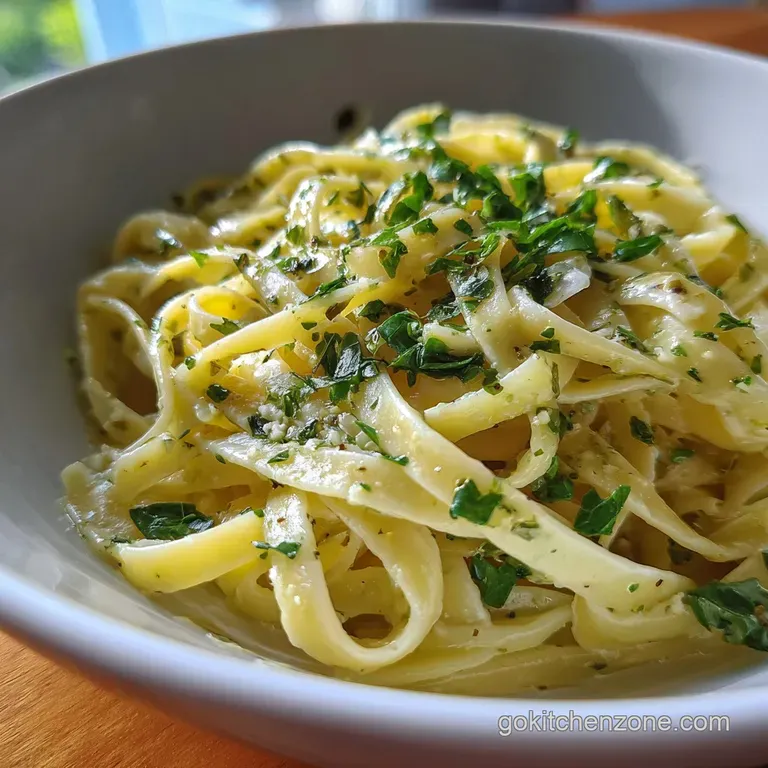
- Add brightness. Remove from heat. Stir in 0.5 cup parsley, 0.25 cup basil, 2 tbsp chives, 1 tbsp lemon zest, and 1 tbsp lemon juice.
- Finish. Toss one last time and serve immediately while the steam is rising and the herbs are bright.
Avoiding Common Kitchen Mistakes
One mistake I once made was adding the lemon juice too early. Acid can sometimes cause cream to curdle if it's boiling vigorously. Always save the lemon for the very end, once the pan is off the burner. This keeps the flavor fresh and the sauce stable.
Preventing a Gritty Sauce
Grittiness usually comes from the cheese. If the sauce is too hot when you add the parmesan, the proteins in the cheese clump together instead of melting smoothly.
Fixing a Broken Sauce
A "broken" sauce looks oily and separated. This usually happens if the heat is too high or the fat to water ratio is off. You can often save it by adding a splash of cold cream and whisking like your life depends on it.
| Problem | Root Cause | Solution |
|---|---|---|
| Sauce is clumping | Heat too high when adding cheese | Remove from heat, add a splash of water, and whisk. |
| Dry, sticky noodles | Not enough pasta water used | Add reserved water 1 tbsp at a time until glossy. |
| Bland flavor | Under salted pasta water | Add a pinch of sea salt and extra lemon zest at the end. |
Common Mistakes Checklist
- ✓ Using pre shredded parmesan (the cellulose coating prevents melting).
- ✓ Draining all the pasta water before saving some (it’s gone forever!).
- ✓ Rinsing the pasta (this removes the starch that helps the sauce stick).
- ✓ Letting the garlic turn brown (it becomes bitter and ruins the delicate herbs).
- ✓ Adding herbs to the boiling sauce (they will turn black and lose flavor).
Ways to Customize Your Bowl
If you want more bulk, adding protein is the easiest way to transform this from a side dish into a heavy hitter. For those craving more protein, my Creamy Chicken Pasta recipe follows a similar flavor profile but builds in seared chicken breast from the start.
The Lemon Herb Variation
Increase the lemon zest to 2 tablespoons and add a teaspoon of cracked black pepper for a "Limoncello" style vibe. This is particularly good during the summer months when you want something that feels lighter.
Protein Packed Version
- Shrimp: Sauté 1 lb of shrimp in the butter before adding the garlic. Remove them and add back at the end.
- Chicken: Use leftover rotisserie chicken shredded directly into the sauce.
- Salmon: Flake cooked salmon over the top just before serving to keep it from breaking apart.
Decision Shortcut
- If you want a thicker sauce, let the cream reduce by half before adding the cheese.
- If you want a spicier kick, add 0.5 tsp red pepper flakes to the butter with the garlic.
- If you want a lighter feel, swap half the heavy cream for additional pasta water and a squeeze of extra lemon.
Storing Your Leftovers Safely
Leftover Creamy Herb Pasta can be tricky because the pasta continues to absorb moisture as it sits in the fridge. It will stay good in an airtight container for up to 3 days. When you go to reheat it, don't just microwave it on high. The cream will break and you'll end up with a puddle of oil.
Instead, add a splash of milk or water and heat it on 50% power, stirring every 30 seconds until it's velvety again.
Freezing is not recommended for this dish. Cream based sauces often undergo "syneresis" when frozen which is just a fancy way of saying they separate and turn grainy. It's much better to eat this fresh or within a couple of days.
For zero waste, if you have leftover herbs that didn't make it into the pasta, chop them up and freeze them in an ice cube tray with a bit of olive oil. You'll have a "flavor bomb" ready for your next sauté.
Best Serving and Enjoying Tips
Serving this dish is all about the "slurp factor." I like to serve it in warmed bowls just run them under hot water for a second and dry them off. This prevents the cream sauce from seizing up the moment it hits the cold ceramic.
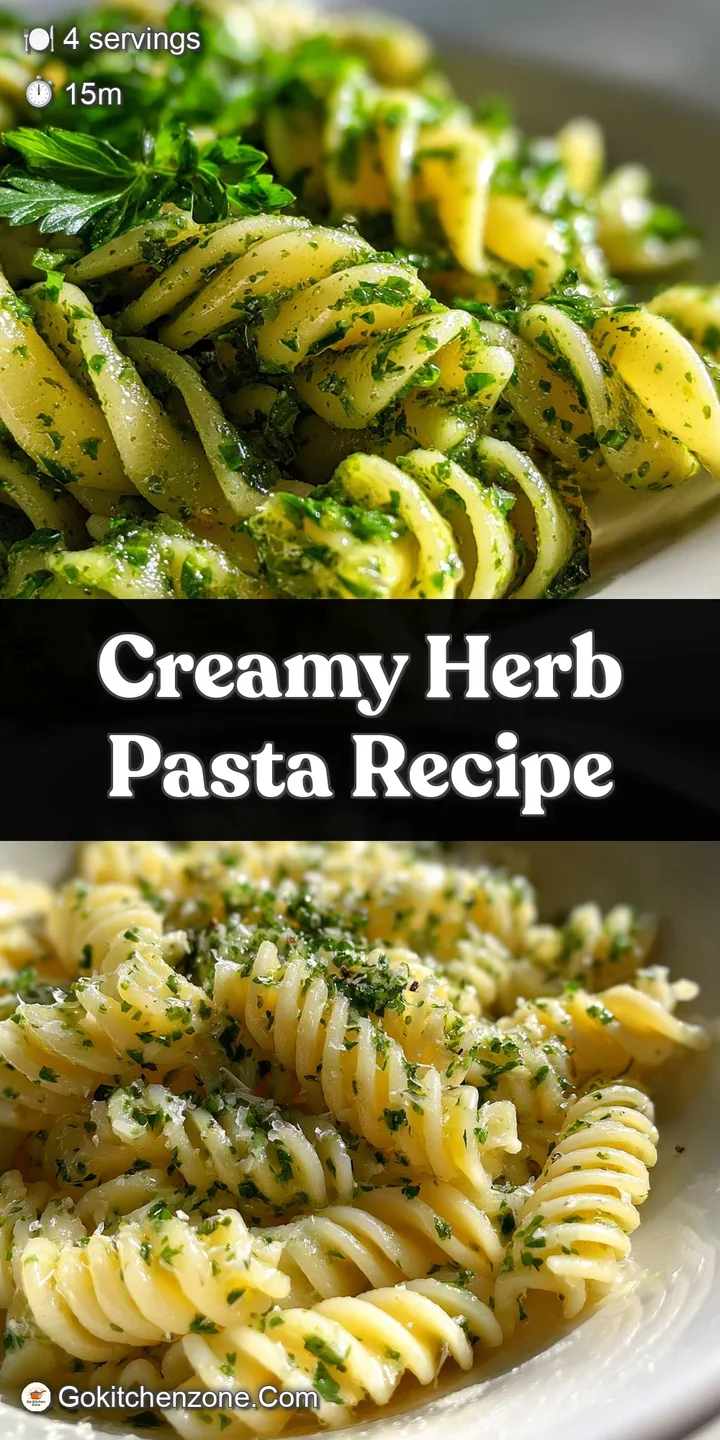
To achieve that restaurant style look, use a long carving fork to twirl the pasta into a nest before sliding it onto the plate. Top it with an extra dusting of parmesan and a few reserved herb leaves. It looks like you spent an hour on it, but we’ll both know it only took 15 minutes.
Pair it with a simple green salad dressed in a sharp vinaigrette to balance out the richness of the 87.4g of carbohydrates. Honestly, don't even bother with a heavy dessert; the nutmeg and lemon in the pasta already provide a sophisticated finish to the meal.
Just pour a cold glass of Pinot Grigio and enjoy the fact that you conquered the dinner struggle with nothing but a few herbs and a dream.
HIGH in Sodium
845 mg mg of sodium per serving (37% of daily value)
The American Heart Association recommends limiting sodium intake to about 2,300mg per day.
Tips to Reduce Sodium in Your Creamy Parmesan Pasta:
-
Reduce Parmesan-15%
Parmesan cheese is a significant source of sodium. Reduce the amount of parmesan by half or replace with a low-sodium parmesan. This change may reduce 15% of the sodium content.
-
Reduce Added Salt-25%
The recipe uses 2 tablespoons of sea salt which is a lot. Start with half (1 tablespoon) or completely remove it and taste after cooking to see if any is needed. This adjustment can cut back up to 25% on sodium.
-
Skip Salt the Pasta Water-10%
Do not add any salt to the pasta water or strain the pasta and rinse with water. Reducing or avoiding salting pasta water reduces sodium intake while still cooking pasta effectively, retaining flavor and nutrients.
-
Enhance with Herbs & Spices
Experiment with more fresh herbs (parsley, basil, chives) and spices (pepper, nutmeg) to boost flavor without adding sodium. Fresh herbs provide excellent flavor without increasing sodium levels.
-
Boost with Lemon-5%
Increase the amount of lemon zest and fresh lemon juice in the recipe. The acidity brightens the flavor profile and can help offset the need for salt.
Recipe FAQs
What can I add to pasta to make it creamy?
Heavy cream, grated hard cheese, and reserved starchy pasta water are the best additions. The cheese and cream form the base, but the starch water is essential as it acts as an emulsifier to bind the fats, creating a stable, silky coating.
What is a creamy pasta sauce called?
It depends on the base ingredients used. A sauce based on cream and cheese is often called an Alfredo or basic cream sauce, while one thickened with an egg yolk emulsion (like Carbonara) is different.
What cream is used for creamy pasta?
Heavy cream (36% fat or higher) is the standard recommendation. This high fat content ensures stability when heated and produces the thickest, most luxurious mouthfeel for the sauce.
What herb goes with creamy mushroom pasta?
Thyme and fresh parsley are classic pairings for creamy mushroom sauces. Thyme’s earthy, woodsy notes complement the fungi beautifully; for a different flavor profile, consider the onion notes in chives, similar to those in our Spinach Dip recipe.
Should I use milk instead of heavy cream for a lighter sauce?
No, using regular milk will result in a very thin sauce that breaks easily. If you must lighten it, substitute half the heavy cream with whole milk, but add an extra tablespoon of grated Parmesan cheese to help thicken the liquid base.
How do I prevent my parmesan cheese from making the sauce gritty?
Remove the sauce from direct heat before whisking in the grated cheese. If the temperature is too high, the protein in the cheese clumps together instead of melting smoothly, leading to a grainy texture.
How do I make a rich, creamy sauce without using any butter?
Use olive oil heated with a finely grated garlic paste and rely heavily on the emulsification technique. If you enjoy mastering this binding principle, see how the same technique works to stabilize emulsions in our Ground Beef Pasta recipe.
Creamy Herb Pasta In 15
Ingredients:
Instructions:
Nutrition Facts:
| Calories | 792 kcal |
|---|---|
| Protein | 23.1 g |
| Fat | 40.2 g |
| Carbs | 87.4 g |
| Fiber | 3.8 g |
| Sugar | 3.2 g |
| Sodium | 845 mg |
