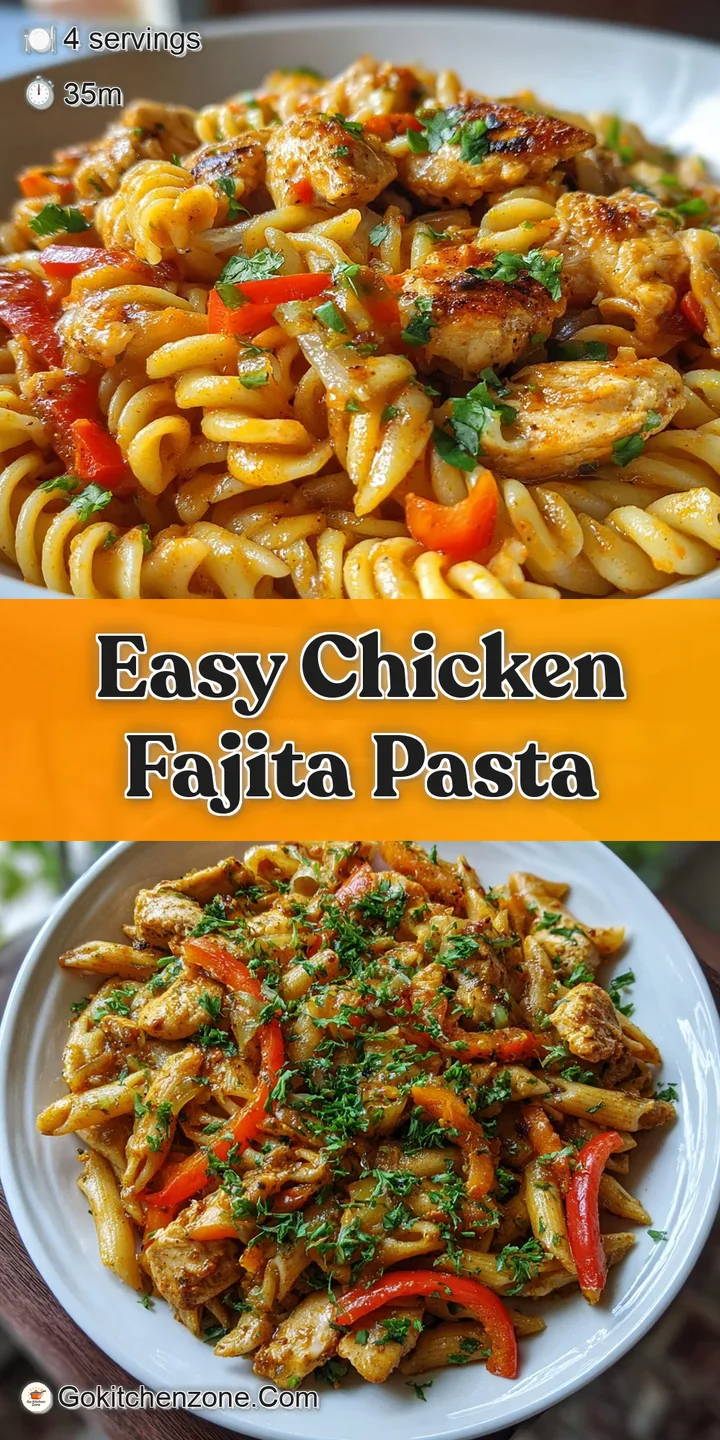
Chicken Fajita Pasta: Velvety One-Pan Meal
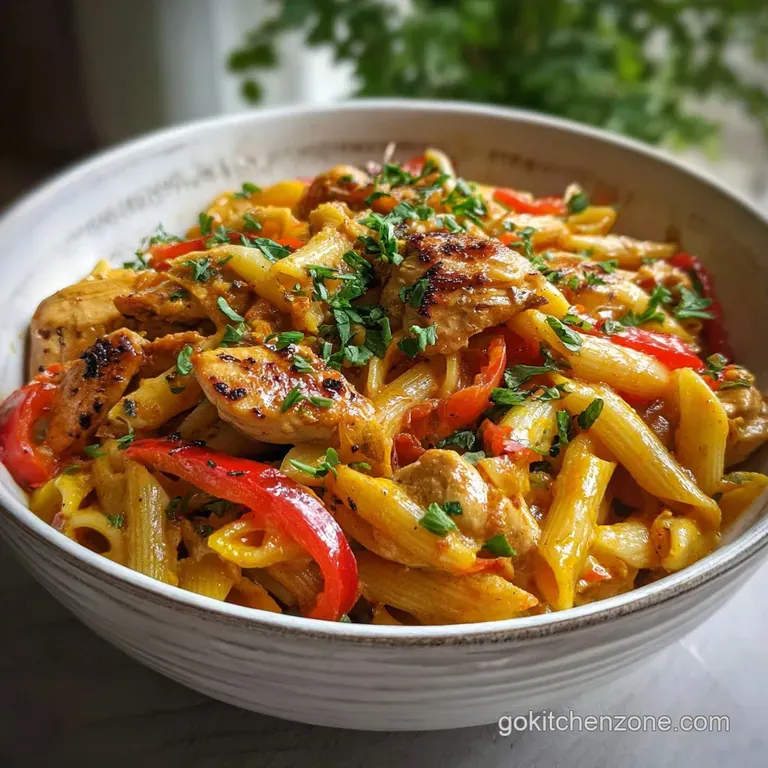
- Time: Active 15 minutes, Passive 20 minutes, Total 35 minutes
- Flavor/Texture Hook: Zesty, smoky, and velvety
- Perfect for: Stressful weeknights or meal prep Sunday
- Why My Chicken Fajita Pasta Actually Works
- Essential Timing and Nutrition Breakdown
- Selecting the Best Fresh Ingredients
- The Right Tools for Searing
- Mastering the One Pan Cooking Process
- Fixing Texture and Flavor Issues
- Creative Swaps for Every Kitchen
- Storing and Reviving Your Leftovers
- Finishing Touches for Better Plates
- Questions You May Have
- Troubleshooting Common Issues
- High in Sodium
- Recipe FAQs
- 📝 Recipe Card
Why My Chicken Fajita Pasta Actually Works
The smell of cumin hitting a hot pan of avocado oil is usually enough to drag my family to the kitchen before I’ve even chopped the onions. It reminds me of that one Tuesday when I was staring at a half empty pantry, desperate for something that didn't taste like "leftover night," and I threw a handful of pasta into my fajita skillet on a whim.
That mistake turned into the most requested meal in our house because it hits that sweet spot between comfort food and high protein fuel.
We've all been there: you want the char of a fajita but the satisfying bite of a penne. This isn't just a "dump and go" meal; it’s about timing the sear of the chicken so it stays juicy while the pasta absorbs every drop of seasoned broth.
You get that restaurant style finish without the mountain of dishes, which is the only way I like to cook on a Monday.
What makes this specific version stand out is how the liquids interact with the pan. Instead of boiling pasta in a separate pot and losing all that liquid gold, we simmer it directly with the peppers and onions.
This creates a cohesive sauce that actually clings to the noodles rather than pooling at the bottom of your bowl.
The Starch Suspension Secret: Simmering pasta directly in chicken broth releases amylopectin starches that act as a natural bridge between the fats in the cheese and the liquid. This creates a stable emulsion that stays velvety even as it cools on your plate.
| Cooking Style | Total Time | Texture Outcome | Cleanup Level |
|---|---|---|---|
| Fast One Pot | 35 minutes | Thick, glossy sauce that coats every noodle | One skillet, one cutting board |
| Classic Separate | 50 minutes | Thinner sauce; pasta and veggies feel disconnected | Multiple pots, colander, and pans |
Right then, if you’re looking to shave off even more time, using a over high heat oil is non negotiable. Lower smoke point oils will just burn your spices before the chicken gets that beautiful golden crust we’re after. It's a small change that makes a massive difference in the final depth of flavor.
Essential Timing and Nutrition Breakdown
When you're in the middle of the dinner struggle, you need to know exactly what's happening and when. I’ve broken this down into three distinct phases so you can stay ahead of the hunger. First, we handle the prep and spice rub, which takes about 15 minutes of focused chopping.
Then, we move to the over high heat sizzle for the chicken and veggies. Finally, the 20 minute simmer does the heavy lifting of cooking the pasta and melting the cheese into that signature sauce.
- Protein Checkpoint: Cook the 1 lb of sliced chicken breast until it reaches an internal temperature of 165°F.
- Liquid Ratio: 2.5 cups of chicken broth is the exact amount needed to hydrate 8 oz of pasta without leaving it soupy.
- Cheese Balance: 4 oz of cream cheese provides the "velvet" without making the dish feel overly heavy.
If you enjoy the smoky heat of this dish, you might find yourself gravitating toward my Cajun Chicken Pasta recipe for your next meal prep session. Both rely on a strong spice base, but the fajita version leans into that bright lime and cilantro finish that keeps things feeling fresh.
Selecting the Best Fresh Ingredients
The magic of this dish lives and breathes in the quality of your spices. Don't let that jar of cumin from three years ago ruin your dinner; if it doesn't smell punchy the second you open it, it’s time for a refresh.
I always reach for smoked paprika over the sweet variety here because it mimics the flavor of a charcoal grill, which is essential for that authentic fajita vibe.
| Component | Science Role | Pro Secret |
|---|---|---|
| Avocado Oil | High smoke point (520°F) | Allows for a hard sear on chicken without scorching the spices. |
| Cream Cheese | Emulsifying agent | The lactic acid provides a slight tang that balances the smoky cumin and paprika. |
| Chicken Broth | Liquid hydration | Low sodium allows you to control the saltiness while the pasta absorbs savory depth. |
- Chicken Breast (1 lb): Thinly sliced. Why this? Increases surface area for spices and ensures rapid, even cooking during the sear.
- Substitute: Chicken thighs for a juicier, higher fat alternative.
- Penne or Fusilli (8 oz): Ridged pasta. Why this? The ridges act as "sauce traps" to hold onto the cream cheese and cheddar mixture.
- Substitute: Chickpea pasta for a lower carb, higher fiber boost.
- Bell Peppers (2 large): One red, one yellow. Why this? Red and yellow peppers are sweeter than green, balancing the chili powder heat.
- Substitute: Poblanos if you want an extra kick of mild heat.
- Aromatics: 1 medium onion and 3 garlic cloves. Why this? These form the base savory layer that builds complexity in the one pot sauce.
- Substitute: Shallots for a more delicate, sweeter onion profile.
The Right Tools for Searing
You don’t need a professional kitchen, but a heavy bottomed skillet is your best friend here. I usually reach for my 12 inch cast iron skillet because it holds heat like a champion, which is what gives the peppers those charred, blistered edges.
If you use a thin non stick pan, you might find the chicken steams rather than sears, and we want that Maillard reaction for maximum flavor.
Chef's Tip: Freeze your cream cheese for 10 minutes before adding it to the pot. This allows you to cube it easily so it melts evenly into the sauce rather than clumping together in one spot.
For the prep, a sharp chef’s knife makes short work of those bell peppers. If you're looking to upgrade your chicken game for other recipes too, the technique of slicing and searing is very similar to what I use in my Parmesan Crusted Chicken recipe. Having a reliable meat thermometer is the final piece of the puzzle it's the only way to guarantee you aren't serving dry, rubbery chicken.
Mastering the One Pan Cooking Process
- Season the protein. Toss the sliced chicken with 2 tbsp smoked paprika, 1 tbsp cumin, 1 tsp chili powder, 1 tsp garlic powder, 1 tsp onion powder, 1 tsp salt, and 0.5 tsp pepper until every piece is deep red and coated.
- Sear the chicken. Heat 2 tbsp avocado oil in your skillet over medium high heat. Add chicken and cook for 5-7 minutes until golden brown and the edges start to shatter. Remove chicken from the pan and set aside.
- Sauté the aromatics. In the same pan, add the sliced onion and bell peppers. Cook for 4-5 minutes until they soften and show dark charred spots. Note: This char provides the "fajita" flavor.
- Add the garlic. Toss in the 3 minced cloves and stir for 30 seconds until the fragrance fills your kitchen.
- Deglaze the pan. Pour in 2.5 cups of chicken broth, scraping up any browned bits from the bottom. These bits are concentrated flavor.
- Simmer the pasta. Stir in 8 oz of penne. Bring to a boil, then reduce heat to medium low. Cover and simmer for 10-12 minutes until the pasta is al dente and most liquid is absorbed.
- Introduce the dairy. Stir in 4 oz of softened cream cheese and 0.5 cup of grated cheddar. Note: Whisking the cream cheese with a little hot broth first prevents any small white lumps.
- Combine and finish. Return the chicken to the pan. Toss everything together until the sauce is thick and glossy.
- Add the bright notes. Remove from heat and stir in 0.25 cup chopped cilantro.
- Serve with lime. Squeeze fresh lime wedges over the top until the aroma turns bright and citrusy.
Fixing Texture and Flavor Issues
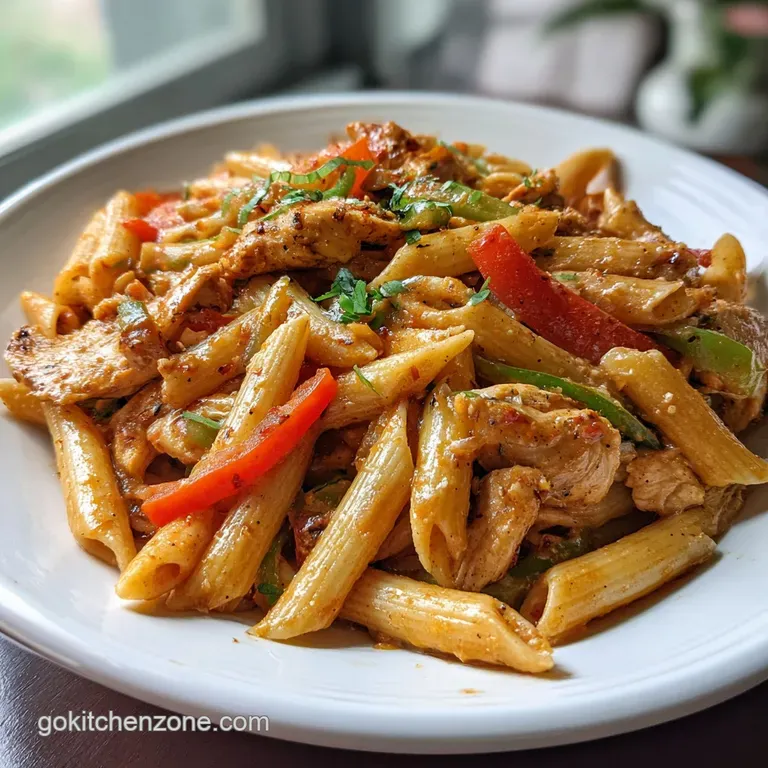
Even with a reliable recipe, things happen. Maybe your stove runs hot, or your pasta brand absorbs liquid faster than others. If you notice the liquid is disappearing before the noodles are tender, don't panic. Just add an extra splash of broth or water, a quarter cup at a time, until it reaches the right consistency.
Why is my sauce grainy?
Graininess usually happens when the cheese is added to a boiling liquid. The high heat causes the proteins in the cheddar to seize and separate from the fat. To keep it velvety, always turn the heat down to low or off before folding in your cheeses.
| Problem | Root Cause | Solution |
|---|---|---|
| Mushy Pasta | Overcooked or too much liquid | Reduce simmer time by 2 minutes; remove lid for last 5 minutes to evaporate excess. |
| Bland Sauce | Lack of acidity or salt | Add an extra squeeze of lime or a pinch of salt to brighten the spices. |
| Tough Chicken | Over searing initially | Slice chicken thicker or reduce initial sear time; it finishes cooking during the simmer. |
- ✓ Pat chicken completely dry with paper towels before seasoning to ensure a crusty sear.
- ✓ Grate your own cheddar cheese from a block; pre shredded cheese is coated in potato starch that prevents smooth melting.
- ✓ Don't skip the "deglazing" step those brown bits on the bottom of the pan are the "fond" and contain the most flavor.
- ✓ Let the cream cheese sit at room temperature for 30 minutes before you start cooking for a faster melt.
Creative Swaps for Every Kitchen
This dish is incredibly flexible. If you’re trying to keep things a bit lighter, you can swap the cream cheese for a Greek yogurt finish, though you’ll want to stir that in right at the end to avoid curdling. For a vegetarian twist, mushrooms make a fantastic stand in for chicken.
Decision Shortcut:If you want a spicy kick, add a chopped jalapeño with the bell peppers. If you want a deeper umami flavor, add a teaspoon of Worcestershire sauce to the broth.
If you want a lighter meal, use zucchini noodles but reduce the broth by half.
| Original Ingredient | Substitute | Why It Works |
|---|---|---|
| Avocado Oil | Ghee | High smoke point with a rich, buttery flavor profile. |
| Penne Pasta | Fusilli | Similar cooking time; the spirals are excellent at trapping the creamy sauce. |
| Sharp Cheddar | Pepper Jack | Adds a subtle heat and melts just as smoothly as cheddar. |
Scaling this recipe is straightforward. If you're cooking for two, you can easily halve the ingredients. Use a smaller 10 inch pan, and reduce the simmering time by about 3 minutes.
If you're doubling it for a crowd, work in batches when searing the chicken to avoid overcrowding the pan, which leads to steaming rather than browning.
Storing and Reviving Your Leftovers
Leftover pasta is a gift to your future self, but cream based sauces can get a bit "tight" once they’ve sat in the fridge. You can keep this in an airtight container for up to 3 days.
When you’re ready to eat, don’t just zap it in the microwave on high, or you'll end up with oily noodles and dry chicken.
Storage: Keep in the fridge for 3-4 days. I don’t recommend freezing this specific recipe because the cream cheese and cheddar can separate and become grainy upon thawing.
Reheating: Place your portion in a small skillet over low heat. Add 1-2 tablespoons of water or milk and stir constantly. This recreates the emulsion and brings that velvety sauce back to life.
Zero Waste: Don't throw away those cilantro stems! They actually have more flavor than the leaves. Finely mince them and sauté them right along with the garlic and onions for an extra punch of herbal notes.
If you have leftover lime wedges, use the zest for a garnish the next day to refresh the flavors.
Finishing Touches for Better Plates
We eat with our eyes first, and a monochromatic bowl of pasta isn't doing this dish any favors. The contrast between the deep red of the spiced chicken and the vibrant green of fresh cilantro is what makes this look like a professional meal.
Always save a little extra cheddar to sprinkle on top right before serving so you get those little pockets of unmelted cheese against the hot sauce.
Plating Tip: Use a wide, shallow bowl rather than a deep one. This allows the heat to distribute evenly and prevents the pasta at the bottom from getting smashed. A final dusting of smoked paprika and a wedge of lime on the side makes the plate pop.
The "Cold Rinse" Myth: Many people think rinsing pasta after cooking helps the texture. In this recipe, that would be a disaster. Rinsing removes the surface starch we need to thicken our one pot sauce.
Never rinse your pasta when making a creamy dish like this; you want that starch to work for you, not against you.
Another common myth is that you must brown the chicken completely through during the first step. You actually want the center to be slightly underdone when you pull it out of the pan. This ensures that when it goes back in for the final toss, it reaches the perfect 165°F without becoming tough.
Trust the process and the carryover heat!
Questions You May Have
Troubleshooting Common Issues
| Issue | Solution |
|---|---|
| Make Chicken Fajita Pasta Slow Cooker style | Yes, but you have to change the order. Cook the chicken, spices, and veggies on low for 4-6 hours, then add the pasta and broth during the last 30-40 minutes of cooking. Stir in the cheeses right befo |
| Make Instant Pot Chicken Fajita Pasta | Use the sauté function to sear the chicken and veggies. Add the broth and pasta, then pressure cook on high for 4 minutes with a quick release. Stir in the cheeses once the lid is off to avoid a curdl |
| My liquid evaporates before the pasta is cooked | This happens if your simmer is too aggressive. Simply add an extra 1/4 cup of broth or water and turn down the heat. The goal is a gentle bubble, not a rolling boil. |
| Why use over high heat for the peppers | High heat creates the "blister" that mimics a cast iron fajita plate. If you cook them on low heat, they will release too much water and become soft and mushy rather than crisp tender. |
High in Sodium
985 mg 985 mg of sodium per serving (43% 43% of daily value)
The American Heart Association recommends limiting sodium intake to about 2,300mg per day for overall cardiovascular health.
Tips to Reduce Sodium in this Recipe
-
DIY Broth-30%
Prepare your own chicken broth from scratch using chicken bones, vegetables, and herbs. This allows you to completely control the sodium content, eliminating a major source from the recipe. Commercial low-sodium broth still contains sodium.
-
Reduce Cheese-15%
Cut the amount of cheddar cheese in half (from 0.5 cup to 0.25 cup). Cheddar cheese contributes a significant amount of sodium, and reducing it won't drastically alter the flavor.
-
Salt Swap-25%
Eliminate the kosher salt entirely. Rely on the other spices and the natural flavors of the ingredients. If you must add salt, do so sparingly at the very end, tasting as you go.
-
Spice It Up
Enhance the flavor with sodium free herbs and spices! Experiment with different combinations of garlic, onion, smoked paprika, cumin, chili powder, and black pepper to boost the taste without adding extra sodium.
Recipe FAQs
What goes in chicken fajita pasta?
Chicken, pasta, bell peppers, onion, garlic, cream cheese, and cheddar. These form the base, utilizing smoked paprika and cumin for the signature smoky, zesty flavor profile.
What kind of pasta is best for fajitas?
Penne or fusilli are recommended. The ridges on penne or the spirals of fusilli are perfect "sauce traps" that hold onto the creamy, cheese laden sauce effectively.
What toppings are good with chicken fajita pasta?
Fresh cilantro, sour cream or Greek yogurt, and fresh lime juice are essential. These toppings add bright acidity and fresh texture contrast against the smoky, rich sauce.
Why is it called "marry me pasta"?
No, this dish is not traditionally called "marry me pasta." That nickname usually refers to a specific creamy, sun-dried tomato pasta; however, this one-pot, easy cleanup version is so consistently satisfying it often earns that high praise at home.
How do I ensure my chicken is juicy and not dry?
Sear the chicken quickly over high heat and remove it before it's fully cooked. The chicken finishes cooking while simmering in the sauce, which prevents it from overcooking during the initial high heat sear.
How do I avoid a grainy sauce when adding the cheese?
Reduce the heat to low or remove the pot from the burner entirely before stirring in the cream cheese and cheddar. High direct heat causes the cheese proteins to seize and separate, creating that undesirable grainy texture.
Can I substitute the chicken with shrimp?
Yes, shrimp is an excellent, quick cooking substitution. Since shrimp cooks much faster than chicken, you should add it only during the last 5 minutes of the sauce simmering phase to prevent it from becoming rubbery, similar to the quick cooking principle used in the Shrimp Pasta Recipe.
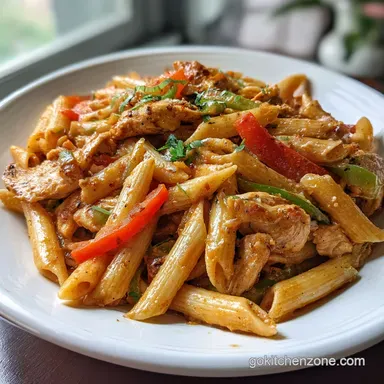
Chicken Fajita Pasta
Ingredients:
Instructions:
Nutrition Facts:
| Calories | 644 kcal |
|---|---|
| Protein | 46.9 g |
| Fat | 25.5 g |
| Carbs | 50.8 g |
| Fiber | 4.6 g |
| Sugar | 5.2 g |
| Sodium | 985 mg |
