Beef Ramen Noodles with Hoisin Glaze
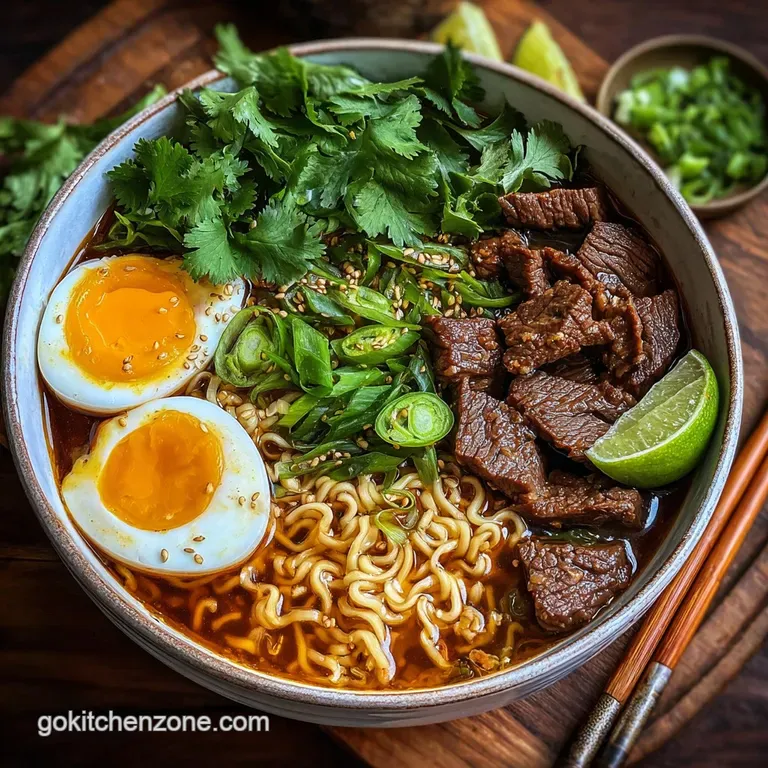
- Time: Active 10 minutes, Passive 5 minutes, Total 15 minutes
- Flavor/Texture Hook: Savory, mahogany crisp beef paired with silky, chewy noodles
- Perfect for: Hectic weeknight dinners or a quick budget-friendly comfort meal
- Master the Quick Savory Beef Ramen Noodles Meal
- The Reason This Simple Dish Works So Well
- Essential Components for Building the Perfect Flavor Base
- Simple Tools Needed for Your 15 Minute Dinner
- Complete Step by Step Cooking Flow and Instructions
- Solving Common Issues and Troubleshooting Your Meal
- Smart Substitutions and Easy Flavor Variation Ideas
- Best Practices for Storing and Reheating Your Leftovers
- Perfect Side Dishes to Complement Your Beef Ramen
- Very High in Sodium
- Recipe FAQs
- 📝 Recipe Card
Master the Quick Savory Beef Ramen Noodles Meal
The sizzle of ground beef hitting a ripping hot pan is the sound of a weeknight win in my kitchen. I vividly remember a rainy Tuesday when the fridge looked bleak just a pound of beef and some dusty ramen packs in the back of the pantry.
I didn't want the watery soup I grew up eating in college; I wanted something with weight, texture, and that sticky sweet glaze that clings to your chopsticks.
I started experimenting with the ratios, ditching those salt bomb flavor packets in favor of fresh ginger and hoisin. The first time the aroma of toasted garlic and sesame oil filled the air, I knew I’d stumbled onto something better than the original.
This isn't just a "budget meal" it’s a calculated balance of textures that happens to be incredibly kind to your wallet.
We've all been there, staring at a pack of instant noodles and wondering if there's a way to make them feel like a real meal. Trust me on this: the secret is all in the pan sear. You aren't just cooking the beef; you are building a foundation of flavor that makes the noodles taste like they came from a professional wok.
It’s fast, it’s reliable, and it’s become my go to when the "dinner struggle" is real.
The Reason This Simple Dish Works So Well
- Maillard Browning: over High heat searing of the 80/20 ground beef creates a complex crust that provides the primary savory depth for the entire dish.
- Starch Binding: The noodles release a tiny amount of residual starch as they hit the sauce, which naturally thickens the hoisin and soy mixture into a velvety glaze.
- Aromatic Infusion: Grating fresh ginger and garlic directly into the beef fat allows the heat to bloom their essential oils without burning them.
- Osmotic Balance: Using low sodium soy sauce ensures we can reduce the liquid into a thick coating without the final dish becoming overwhelmingly salty.
The Secret to the Sauce Grip
The starch on the surface of the ramen acts as a natural emulsifier, drawing the sesame oil and soy sauce together. This creates a cohesive coating rather than a greasy puddle at the bottom of your bowl.
| Method | Time | Texture | Best For |
|---|---|---|---|
| Stovetop Wok | 15 minutes | Crispy beef, chewy noodles | Quickest weeknight result |
| Cast Iron Skillet | 18 minutes | Maximum beef crust | Extra savory depth |
| Crock Pot | 4 hours | Soft, tender beef | Hands off prep (see notes) |
The stovetop method remains my favorite because the high heat is essential for that specific "shatter" on the edges of the beef. If you use a slow cooker, you'll get a more traditional stew like result, which is delicious but lacks the iconic stir fry crunch.
Essential Components for Building the Perfect Flavor Base
Understanding why we use these specific items helps you pivot if your pantry is bare. We are looking for a balance of fat, acid, sugar, and salt to make these Beef Ramen Noodles truly stand out.
| Component | Science Role | Pro Secret |
|---|---|---|
| 80/20 Ground Beef | Fat provides the primary flavor carrier and frying medium. | Let it sit undisturbed for 3 minutes to develop a dark brown crust. |
| Hoisin Sauce | Acts as a thickener and provides the "five spice" aromatic base. | Look for a thick, jam like consistency for the best noodle cling. |
| Fresh Ginger | Protease enzymes in ginger can slightly tenderize meat proteins. | Freeze the root and grate it while frozen for a fine, fiber free paste. |
For the noodles, you'll need 3 packs instant ramen noodles, but please, throw away those seasoning packets immediately. They are mostly salt and MSG, and we are making our own concentrated flavor base.
You’ll also need 1/4 cup low sodium soy sauce, 2 tbsp hoisin sauce, and 1 tbsp brown sugar to create that characteristic sticky glaze.
To brighten the dish, 2 cups shredded carrots or broccoli slaw provide a necessary crunch against the soft noodles. Don't skip the 1 tsp sesame oil at the end; it’s a finishing oil that loses its nuance if cooked too long.
Finally, 3 cloves fresh garlic and 3 green onions add the sharp, aromatic bite that cuts through the rich beef fat.
Simple Tools Needed for Your 15 Minute Dinner
You don't need a professional kitchen, but a few specific tools make this flow much smoother. A large 12 inch skillet or a carbon steel wok is your best friend here. You need enough surface area so the beef fries rather than steams in its own juices.
Chef's Tip: If you're using a standard non stick pan, avoid using metal utensils. Use a wooden spatula to "chop" the beef into small, uniform crumbles so every piece gets a chance to hit the hot surface.
You will also need a fine mesh grater (like a Microplane) for the ginger and garlic. This ensures they melt into the sauce rather than leaving you with a pungent chunk of raw garlic mid bite.
A simple colander for draining the noodles is essential, but remember the golden rule: don't rinse them. We want that surface starch intact to help our sauce stick.
Complete step-by-step Cooking Flow and Instructions
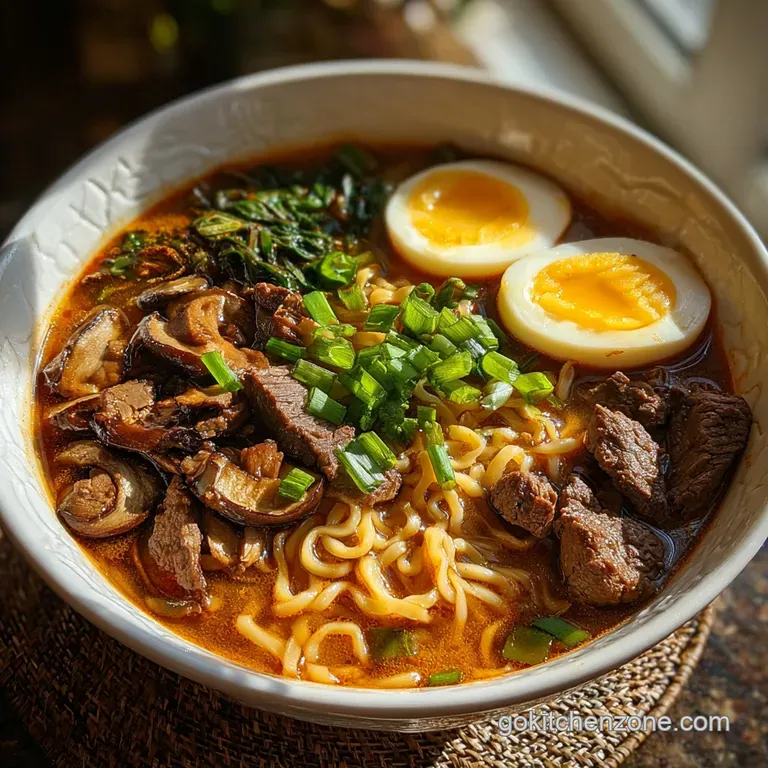
Step 1: Prep the noodle base
Boil a large pot of water and drop in the 3 packs instant ramen noodles. Cook for only 2 to 3 minutes until they are barely tender but still have a firm "snap" in the center. Drain them immediately and set aside.
Note: They will finish cooking in the sauce later, so undercooking now prevents mushiness.
Step 2: Sear the beef
In a large skillet over medium high heat, add the 1 lb ground beef. Spread it out into one flat layer and let it sit for 3 minutes until a dark, mahogany crust forms on the bottom. Note: Resisting the urge to stir is what builds the deep flavor found in a Beef Lo Mein Recipe.
Step 3: Crumble and drain
Break the beef into small crumbles with your spatula. If there is an excessive amount of liquid fat (more than 2 tablespoons), spoon some out. We want just enough to fry the aromatics.
Step 4: Bloom the aromatics
Add the 1 tbsp grated ginger and 3 cloves minced garlic to the beef. Sauté for about 1 minute until the aroma is fragrant and the garlic is golden.
Step 5: Soften the vegetables
Toss in the 2 cups shredded carrots or broccoli slaw. Stir fry for 2 minutes until the vegetables are vibrantly colored and slightly softened but still retain a crisp bite.
Step 6: Whisk the sauce
In a small bowl, combine the 1/4 cup soy sauce, 2 tbsp hoisin sauce, and 1 tbsp brown sugar. Pour this mixture directly over the beef and vegetables, stirring to deglaze any brown bits stuck to the pan.
Step 7: The final toss
Add the cooked noodles back into the skillet. Use tongs to lift and fold the noodles into the beef mixture until every strand is coated in the velvety brown sauce.
Step 8: Garnish and serve
Remove from heat and drizzle with 1 tsp sesame oil. Scatter the 3 sliced green onions and 1 tsp toasted sesame seeds over the top. Serve immediately while the steam is rising and the noodles are at their silkiest.
Solving Common Issues and Troubleshooting Your Meal
Why Your Ramen Noodles Turned Mushy
This is the most frequent heartbreak. Instant ramen noodles are par fried during manufacturing, meaning they cook incredibly fast. If you boil them to the "ready to eat" stage, they will disintegrate when you toss them in the hot skillet with the beef and sauce.
Why the Dish Is Excessively Salty
If you used the ramen seasoning packets by mistake, or if you used regular soy sauce instead of low sodium, the salt levels can skyrocket. The hoisin sauce already contains a significant amount of sodium, so the soy sauce needs to be the "light" version to keep things balanced.
| Problem | Root Cause | Solution |
|---|---|---|
| Dry or "tacky" noodles | Sauce reduced too much or noodles absorbed all liquid. | Add a splash of water or beef broth (2 tbsp) to loosen the glaze. |
| Greasy mouthfeel | Used high fat beef and didn't drain excess oil. | Drain fat before adding aromatics; add a teaspoon of rice vinegar to cut the richness. |
| Bland flavor | Ginger or garlic were old/dried out. | Use fresh aromatics or double the amount of hoisin for a punchier kick. |
Common Mistakes Checklist:
- ✓ Always undercook the noodles by 1 minute during the boiling phase.
- ✓ Pat the beef dry with a paper towel if it looks wet before hitting the pan (promotes better searing).
- ✓ Use a large enough pan so the vegetables don't stack and steam.
- ✓ Don't add the sesame oil until the heat is off to preserve its delicate scent.
- ✓ Shred the carrots thinly so they cook at the same rate as the beef.
Smart Substitutions and Easy Flavor Variation Ideas
If you need to swap ingredients, keep an eye on how it changes the moisture and fat content of the dish. This recipe is flexible, but some changes will shift the final texture.
| Original Ingredient | Substitute | Why It Works |
|---|---|---|
| Ground Beef (1 lb) | Ground Turkey or Chicken | Leaner protein. Note: Needs an extra tsp of oil to prevent sticking. |
| Hoisin Sauce (2 tbsp) | Oyster Sauce | Similar thick consistency and umami, but less sweet and more savory/salty. |
| Brown Sugar (1 tbsp) | Honey or Maple Syrup | Provides the necessary sweetness to balance the soy. Note: Adds a distinct floral/maple note. |
If you are looking for a different texture, you might enjoy a Beef Tips and recipe which uses whole cuts of meat for a more traditional "stew" feel. However, for this quick ramen version, ground meat is king for speed.
Scaling the Recipe Up or Down
If you are cooking for two, simply halve the ingredients, but keep the full amount of ginger and garlic it's never too much. If you are doubling the recipe for a crowd (8 servings), work in two batches for the beef searing.
Overcrowding the pan with 2 lbs of beef will result in grey, boiled meat rather than the crispy crumbles we want. For the sauce, you can double it exactly, but taste before adding all the sugar; sometimes the sweetness scales faster than the salt.
Best Practices for Storing and Reheating Your Leftovers
Fridge Storage: These noodles keep remarkably well for up to 3 days in an airtight container. In fact, the flavors often deepen as the ginger and garlic meld with the beef.
Freezing: I don't recommend freezing the fully assembled dish. Ramen noodles are fragile; once frozen and thawed, they lose their structural integrity and become grainy. However, you can freeze the cooked beef and sauce mixture separately for up to 3 months.
When ready to eat, just boil fresh noodles and toss them with the thawed beef.
Reheating: To prevent the noodles from drying out, add a teaspoon of water before microwaving. Cover with a damp paper towel to create a mini steam chamber. If you have time, reheating in a skillet over medium heat with a tiny splash of oil will help revive some of that beefy "crunch."
Zero Waste Tip: Don't throw away the green onion roots! Place them in a small jar of water on your windowsill, and they will regrow in about a week, giving you a perpetual supply for your next stir fry.
Perfect Side Dishes to Complement Your Beef Ramen
While this is a complete meal in a bowl, a few additions can turn it into a full spread. I love serving this alongside a smashed cucumber salad with rice vinegar and chili flakes. The cold, acidic crunch of the cucumbers perfectly cuts through the rich, savory fat of the beef.
If you want more protein, a jammy soft boiled egg (marinated in a little soy and mirin) is the classic choice. The creamy yolk acts as an extra sauce for the noodles. If you find yourself craving a more traditional, slow cooked experience on the weekend, you might want to try a Beef Short Ribs recipe for that fall off-the bone texture that pairs beautifully with wide noodles.
Flavor Myths Debunked:The flavor packet is the secret. Truth: Most of that "ramen flavor" is actually salt and yeast extract. Using fresh ginger, garlic, and hoisin provides a much more complex, three dimensional taste without the chemical aftertaste.
You must use a wok. Truth: A large cast iron skillet actually holds heat better than a thin home wok, often leading to a superior sear on ground beef. Rinsing noodles prevents sticking. Truth: Rinsing removes the starch we need to bind the sauce.
A tiny drizzle of sesame oil is all you need if they have to sit for a minute.
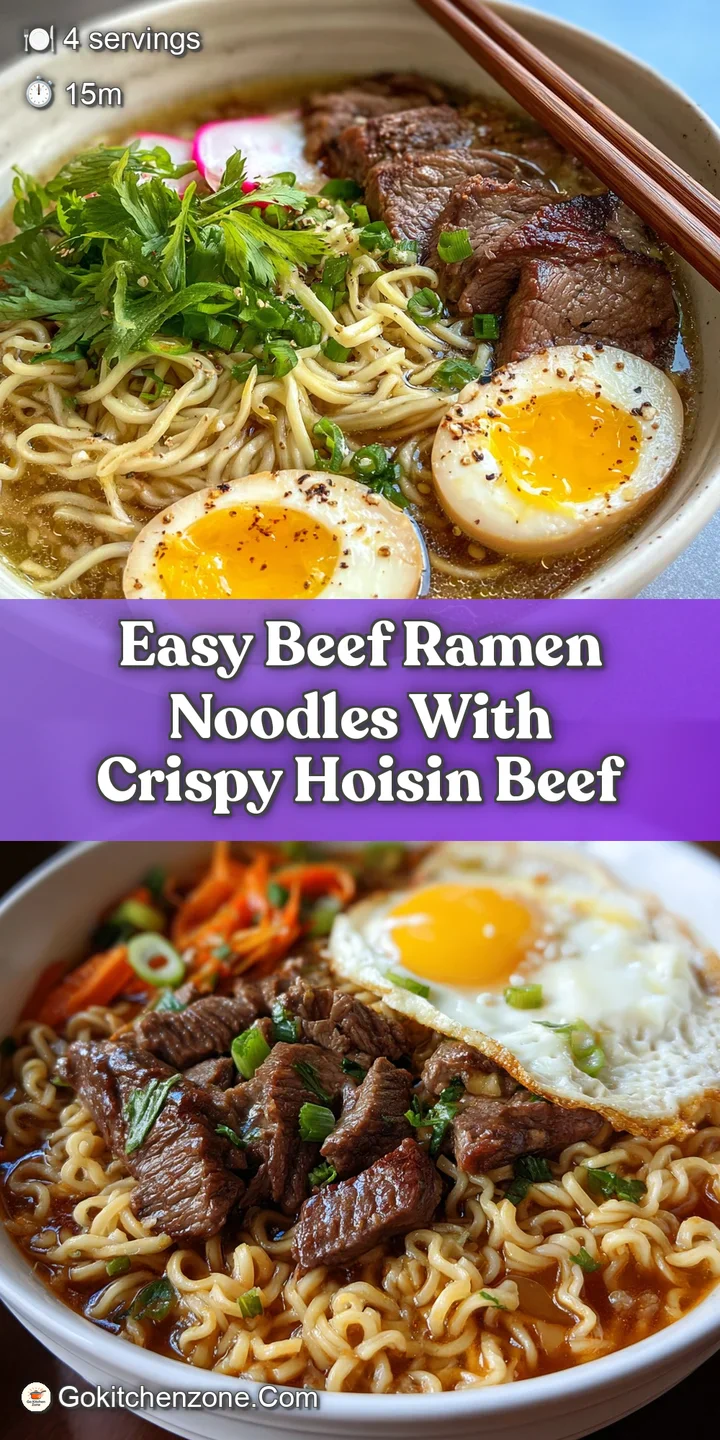
Very High in Sodium
1480 mg mg of sodium per serving (64% of daily value)
The American Heart Association recommends limiting sodium intake to no more than 2,300mg per day for most adults.
Tips to Reduce Sodium in Your Ramen Stir fry:
-
Dilute the Soy Sauce-20%
Use 1/8 cup of low sodium soy sauce instead of 1/4 cup. Add 1/8 cup of water to compensate for the liquid, reducing sodium while maintaining flavor.
-
Reduce Hoisin Sauce-15%
Cut the hoisin sauce in half to 1 tablespoon. Hoisin sauce is a significant source of sodium. You can add a little more brown sugar for sweetness to compensate for any flavor loss.
-
Rinse Ramen Noodles-10%
Even without the seasoning packet, instant ramen noodles can contain sodium. Rinse the cooked noodles thoroughly under cold water before adding them to the stir fry to remove excess sodium.
-
Choose Leaner Ground Beef-5%
Opt for 90/10 or 93/7 ground beef. Although the primary sodium culprits are the sauces, reducing fat content can improve the overall nutritional profile of the dish.
-
Boost Flavor with Herbs & Spices
Experiment with sodium free herbs and spices like black pepper, red pepper flakes, garlic powder (in addition to fresh garlic), or a pinch of dried mushroom powder to enhance the flavor of the dish without adding sodium. Fresh herbs can also improve taste!
Recipe FAQs
What are beef ramen noodles?
They are a dish featuring ramen noodles served with a savory broth or, more commonly in modern quick versions, a meat based sauce featuring ground or sliced beef. The defining characteristic is the pairing of chewy wheat noodles with rich, umami heavy beef flavors.
What kind of beef do they use for ramen?
Ground beef (80/20 blend) is ideal for fast pan-seared versions due to its fat content and quick cooking time. For traditional broth based ramen, thin slices of brisket or chuck roast are preferred after slow cooking to achieve maximum tenderness.
How to doctor up beef ramen noodles using pantry staples?
Add fresh aromatics like grated ginger and garlic, and balance the saltiness with sweetness from brown sugar or honey. Finish with a high-quality toasted sesame oil right before serving to maximize fragrance and depth.
What goes well in beef ramen noodles for added texture and flavor?
Crisp vegetables like shredded carrots, bok choy, or thinly sliced cabbage provide excellent contrast to the soft noodles. A jammy soft boiled egg is the ultimate addition, as the creamy yolk enriches the sauce beautifully.
How to ensure the beef is crispy and not steamed in the pan?
Spread the ground beef into a single, undisturbed layer over high heat for at least three minutes to initiate the Maillard reaction. Resist the urge to stir until a deep brown crust has formed on the bottom; mastering this searing technique is key, similar to how we build flavor in a Beef Lo Mein Recipe.
Can I use pre-made beef broth instead of making a long simmered stock?
Yes, using high-quality store-bought beef broth is perfectly acceptable for speeding up preparation time. However, always reduce the broth significantly or use less liquid to ensure the final result is a thick glaze rather than a watery soup base.
Is it necessary to discard the instant ramen seasoning packets?
No, it is not strictly necessary, but it is highly recommended for quality flavor. Those packets are overloaded with salt and MSG; using fresh ingredients like hoisin and soy sauce allows you to control the sodium and build a more nuanced, complex savory profile.
Beef Ramen Noodles In 15 Minutes
Ingredients:
Instructions:
Nutrition Facts:
| Calories | 660 kcal |
|---|---|
| Protein | 27.5 g |
| Fat | 28.8 g |
| Carbs | 54.6 g |
| Fiber | 3.2 g |
| Sugar | 8.4 g |
| Sodium | 1480 mg |
