Spaghetti Pie Recipe: Crispy Baked
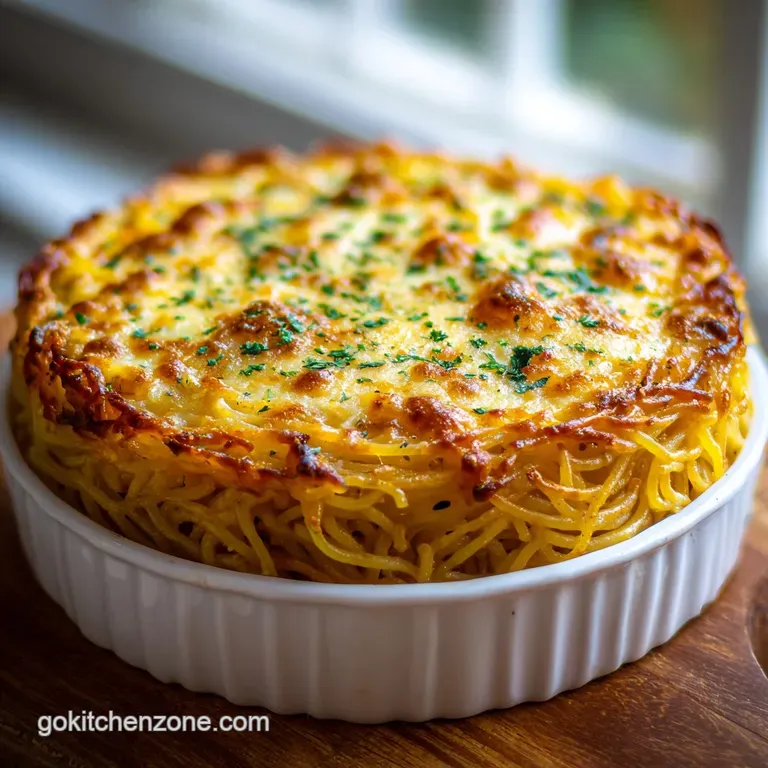
- Time: Active 15 minutes, Passive 30 minutes, Total 45 minutes
- Flavor/Texture Hook: Crispy pasta edges meeting a velvety cheese center
- Perfect for: Stress free weeknight dinner or feeding a hungry crowd
- Build the Best Ever Family Spaghetti Pie Recipe
- The Physics of the Pasta Base
- Ingredient Deep Dive Analysis
- Ingredients for a Savory Dinner
- Tools Needed for This Casserole
- Step by Step Cooking Guide
- Solving Common Spaghetti Pie Problems
- Creative Flavor Swaps to Try
- Tips for Storage and Waste
- Perfect Sides for This Meal
- Myths Regarding Baked Pasta
- Recipe FAQs
- 📝 Recipe Card
Build the Best Ever Family Spaghetti Pie Recipe
Ever looked at a half box of noodles and felt that familiar dinner struggle? I used to think spaghetti only had two speeds: boiled with jarred sauce or forgotten in a plastic container. Then I tried this.
The first time I pulled this dish from the oven, the sizzle of the mozzarella against the glass dish and the aroma of toasted garlic powder completely changed my mind about pasta night.
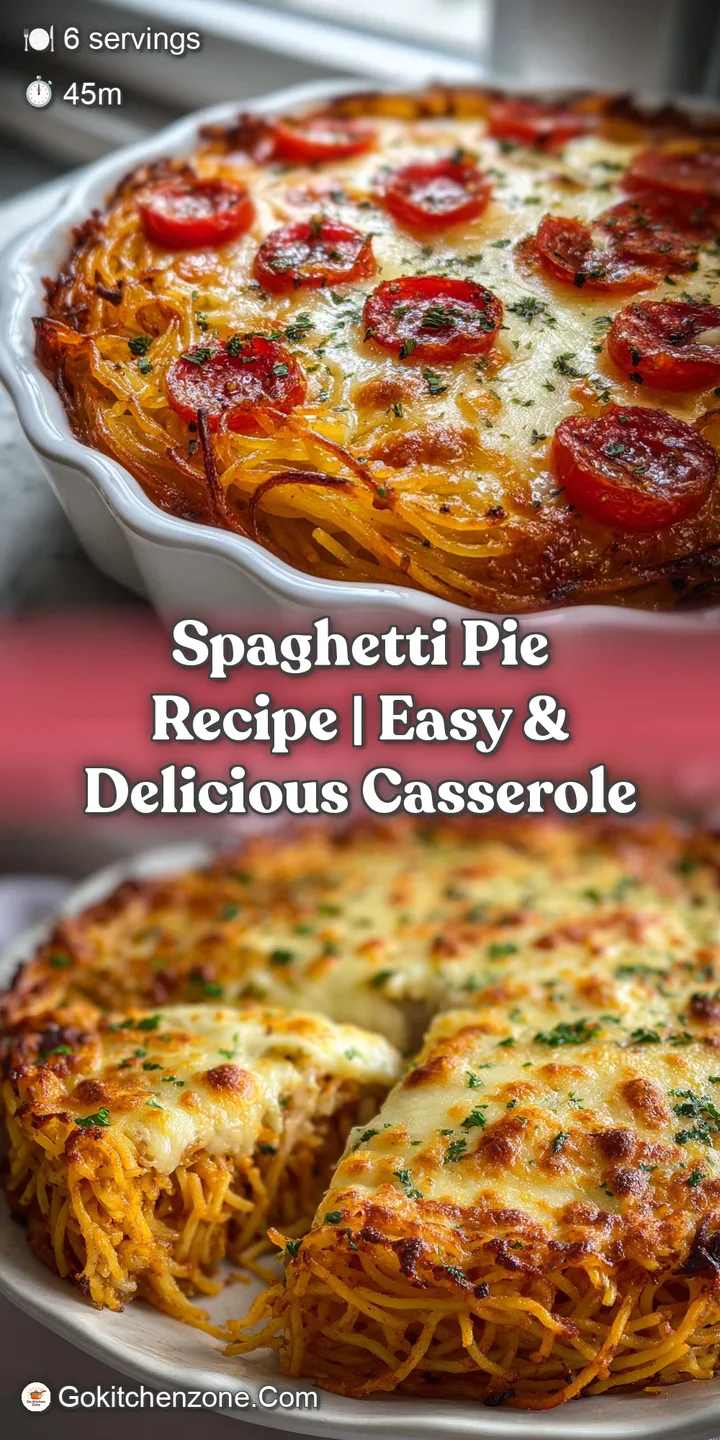
This isn't just a bowl of noodles, it's a sliceable, savory wedge of comfort. You get these specific crispy, golden bits of pasta around the rim that shatter when you bite them, contrasted by a center that stays remarkably moist.
It feels like you put in hours of effort, but honestly, it’s mostly just pressing things into a pie plate.
We've all been there where the pasta ends up a soggy mess at the bottom. I've made that mistake so you don't have to. We are going to walk through how to get that structural integrity right every single time.
Trust me, once you see how easy it is to turn leftovers into a showstopper, you'll never go back to plain old noodles.
The Physics of the Pasta Base
Protein Binding: The combination of a beaten egg and parmesan creates a protein rich "glue" that sets around the starch molecules as they bake. This ensures your spaghetti pie recipe holds its shape when sliced rather than turning into a pile of loose noodles.
Maillard Reaction: By pressing the pasta against the edges of a greased dish, we encourage direct heat transfer that browns the exterior. This creates a crust like texture and a nutty flavor profile that boiled pasta simply can't achieve.
Steam Control: Using cottage cheese instead of a heavy cream sauce provides moisture that evaporates slowly. This keeps the interior velvety without making the bottom of the pasta crust swampy or water logged.
| Method | Time | Texture | Best For |
|---|---|---|---|
| This Baked Recipe | 45 minutes | Crispy rim, juicy center | Weeknight family dinner |
| Classic Stovetop | 20 minutes | Soft, slippery, uniform | Quick fuel, no presentation |
| Traditional Lasagna | 3 hours | Dense, chewy, heavy | Sunday lunch, big holidays |
The difference between a "fast" weeknight meal and a "classic" slow cook is often just the oven. While stovetop pasta is fine for a rush, the baked version allows flavors to meld into a singular, cohesive bite. You get that "casserole magic" where the sauce actually stays on the fork.
Ingredient Deep Dive Analysis
| Component | Science Role | Pro Secret |
|---|---|---|
| 8 oz Spaghetti | Structural foundation | Undercook by 2 minutes to prevent mush |
| 1 Large Egg | Emulsifying binder | Whisk until frothy to coat noodles evenly |
| Cottage Cheese | Moisture reservoir | Use 4% fat for the best mouthfeel |
| Ground Beef | Umami and fat | Drain fat thoroughly to keep crust crisp |
It is vital to use the right fat content here. If you use a meat with 20% fat, that grease will seep into the pasta and prevent it from crisping up. That's why I stick to the 93% lean ground beef or turkey it keeps the flavors clean and the textures sharp.
Ingredients for a Savory Dinner
- 8 oz spaghetti: Use whole wheat or gluten-free. Why this? Provides the structural lattice needed for a sliceable pie. (Sub: Linguine)
- 1 large egg: Beaten. Why this? The primary binder that turns noodles into a solid crust. (Sub: 1/4 cup liquid egg whites)
- 1/2 cup Parmesan cheese: Freshly grated. Why this? Adds saltiness and helps the egg "set" the pasta. (Sub: Pecorino Romano)
- 1 tbsp light butter: Melted. Why this? Encourages browning and prevents the pasta from sticking. (Sub: Olive oil)
- 1 lb 93% lean ground beef: Or turkey. Why this? Adds hearty protein without excess grease flooding the dish. (Sub: Italian sausage)
- 1/2 cup yellow onion: Finely diced. Why this? Provides a sweet, aromatic base for the meat sauce. (Sub: 1 tsp onion powder)
- 1/4 cup green bell pepper: Diced. Why this? Adds a subtle crunch and bright, vegetal notes. (Sub: Diced zucchini)
- 24 oz marinara sauce: Low sodium preferred. Why this? The bulk of the flavor and moisture for the filling. (Sub: Crushed tomatoes + herbs)
- 1 tsp dried oregano: Why this? Classic earthy herb profile for Italian style comfort. (Sub: Dried basil)
- 1/2 tsp garlic powder: Why this? Concentrated savory flavor that distributes evenly in the sauce. (Sub: 2 cloves minced garlic)
- 1 cup cottage cheese: low-fat. Why this? Creates a creamy layer that mimics ricotta but lighter. (Sub: Ricotta cheese)
- 1/4 cup fresh parsley: Chopped. Why this? Freshness to cut through the richness of the cheese. (Sub: Fresh basil)
- 1 cup mozzarella cheese: Shredded part skim. Why this? Provides the classic gooey, melted cheese pull on top. (Sub: Provolone)
Tools Needed for This Casserole
You don't need a professional kitchen for this, but a 9 inch deep dish pie plate is your best friend here. If you use a shallow one, the sauce will bubble over and make a mess of your oven floor. I also recommend a heavy bottomed skillet for browning the meat.
A good skillet, like a Lodge cast iron or a heavy stainless steel pan, helps the meat develop a dark, flavorful sear rather than just steaming in its own juices. This depth of flavor is what makes a homemade spaghetti pie recipe stand out from a basic cafeteria meal.
step-by-step Cooking Guide

- Boil the pasta. Cook the 8 oz spaghetti in salted water until slightly firm to the bite, about 2 minutes less than the box instructions.
- Prep the binder. Whisk the large egg in a big bowl, then stir in the 1/2 cup Parmesan and 1 tbsp melted butter.
- Form the crust. Toss the warm pasta into the egg mixture until every strand is coated, then press it into a greased 9 inch pie plate. Note: Use a spoon to push the noodles up the sides to create a "well".
- Sauté the aromatics. Cook the 1/2 cup onion and 1/4 cup green pepper in a skillet until softened and translucent.
- Brown the meat. Add the 1 lb lean beef, breaking it up with a spatula until no pink remains and it starts to sizzle.
- Simmer the sauce. Stir in the 24 oz marinara, 1 tsp oregano, and 1/2 tsp garlic powder. Let it bubble gently for 5 minutes.
- Layer the cheese. Spread the 1 cup cottage cheese over the bottom of the pasta crust, then sprinkle with 1/4 cup fresh parsley.
- Fill the pie. Ladle the meat sauce over the cottage cheese layer, spreading it to the edges.
- Add the topping. Sprinkle the 1 cup mozzarella over the top until the meat sauce is completely covered.
- Bake and rest. Bake at 350°F (175°C) for 20 minutes until the cheese is bubbly and the pasta edges are golden. Let it sit for 5 minutes before slicing.
Chef's Tip: If you want an extra crispy crust, brush the inside of your pie plate with a mix of melted butter and breadcrumbs before adding the pasta. It adds a "shatter" factor that is absolutely brilliant.
Solving Common Spaghetti Pie Problems
Why is my pie watery?
This usually happens if the meat wasn't drained well or if the marinara sauce is too thin. Vegetable moisture, especially from the onions and peppers, can also contribute. Make sure you simmer the sauce long enough to reduce it slightly before adding it to the pie.
Why did the crust fall?
If the pasta doesn't hold its shape, the egg was likely scrambled by pasta that was too hot, or you didn't use enough Parmesan. Let the pasta cool for just a minute before tossing it with the egg to ensure the binder coats the strands without cooking prematurely.
| Problem | Root Cause | Solution |
|---|---|---|
| Soggy Bottom | Excess liquid in sauce | Simmer sauce 5 mins longer to thicken |
| Cheese won't melt | Pre shredded cheese coating | Use a block of mozzarella and grate it yourself |
| Dry Pasta Edges | Overbaking | Cover the edges with foil if they brown too fast |
Similar to the technique used in our Brown Gravy Recipe, achieving the right sauce consistency is everything. If the sauce is too runny, it won't sit on top of the cheese layer; it will sink through and make the pasta mushy.
Common Mistakes Checklist
- ✓ Never overcook the spaghetti in the water; it will finish cooking in the oven.
- ✓ Drain the ground beef thoroughly to prevent an oily finish.
- ✓ Don't skip the "resting" phase; the pie needs time to set so you get clean slices.
- ✓ Grease the pie plate heavily, especially the sides, to ensure the pasta doesn't stick.
- ✓ Press the pasta firmly into the dish to create a dense, structural wall.
Creative Flavor Swaps to Try
If you want to try a spaghetti pie recipe with ricotta, simply swap the cottage cheese 1 for-1. Ricotta gives a denser, more traditional lasagna feel, while cottage cheese keeps things lighter and slightly more tangy. Both work beautifully, but ricotta is definitely the "luxury" choice.
For a spaghetti pie recipe with sour cream, mix 1/2 cup of sour cream with the cottage cheese. It adds a sharp, creamy zip that cuts through the heavy meat sauce. It’s a trick I learned from midwestern casserole culture, and honestly, it’s a total win if you like a richer filling.
- Crispier Texture
- Increase the Parmesan in the crust to 3/4 cup.
- Vegetarian Version
- Replace the beef with 2 cups of sautéed mushrooms and spinach.
- Spicier Kick
- Add 1/2 tsp of red pepper flakes to the marinara sauce while simmering.
Tips for Storage and Waste
Storage: This pie keeps exceptionally well in the fridge for up to 4 days. In fact, many people (myself included) think a spaghetti pie casserole tastes even better the next day because the flavors have time to truly settle into the pasta.
Wrap it tightly in foil or move slices to an airtight container.
Zero Waste: Don't toss those parsley stems! Finely chop them and add them to the meat sauce while it simmers for extra flavor. If you have leftover marinara, use it as a dipping sauce for some Cheddar Bay Biscuits recipe on the side. Even those broken bits of spaghetti at the bottom of the box can be boiled and added to the crust mix.
Perfect Sides for This Meal
Since this is a heavy, carb rich dish, I always aim for something bright and acidic on the side. A simple arugula salad with a lemon vinaigrette is usually my go to. The peppery greens balance the "heavy" feeling of the cheese and pasta perfectly.
If you are feeding a larger crowd, pairing this with a Cheesy Hashbrown Casserole recipe might be overkill on the cheese, but for a holiday brunch, it actually works. Otherwise, stick to roasted broccoli or steamed green beans with a bit of garlic and red pepper flakes to keep the meal feeling balanced and fresh.
Myths Regarding Baked Pasta
Rinsing pasta helps it stick. Actually, rinsing removes the surface starch that helps the egg and cheese binder "grab" onto the noodles. Keep that starch on there for a solid crust.
low-fat cheese melts the same. It really doesn't. While we use part skim mozzarella here for balance, totally fat free cheese often contains stabilizers that prevent it from achieving that silky, stretchy melt. Stick to part skim for the best results.
You must use a pie plate. While a pie plate gives the classic "pie" look, a square 8x8 baking dish works just as well. The cook time remains the same; you just get square "slices" instead of wedges. It's a great backup if your pie dish is already occupied by a dessert.
Recipe FAQs
What is spaghetti pie?
It's a layered baked pasta dish. Spaghetti pie transforms cooked spaghetti into a sturdy crust by binding it with egg and cheese, then filling it with a savory meat sauce and topping it with more cheese.
What seasoning makes spaghetti taste better?
Garlic powder and oregano are key. While fresh garlic adds punch, garlic powder distributes its savory flavor evenly through the sauce. Oregano provides that classic, earthy Italian herb note that complements the tomato base beautifully.
How do you keep spaghetti pie from being watery?
Drain your meat and simmer your sauce. Excess grease from the meat will seep into the pasta, making it soggy. Similarly, a thin marinara sauce needs to be simmered down to reduce its liquid content before layering.
What is in million dollar spaghetti?
It's a rich, creamy version of baked spaghetti. Typically, "million dollar spaghetti" includes ground beef, a creamy sauce often made with sour cream and cream cheese, and multiple layers of pasta and cheese, creating an indulgent, decadent casserole.
Can I substitute cottage cheese in spaghetti pie?
Yes, cottage cheese works as a lighter alternative. It provides moisture and creaminess similar to ricotta, but with a slightly tangier profile. If you enjoyed mastering the texture control in this recipe, you'll find cottage cheese offers a similar delightful creamy element.
How do I get a crispy spaghetti pie crust?
Undercook your pasta and press it firmly. Boiling the spaghetti for about 2 minutes less than the package directs helps it retain some firmness to crisp up in the oven. Pressing it into a well greased pie plate ensures good contact with the heat for browning.
Can I make spaghetti pie ahead of time?
Yes, assembling it the day before is ideal. Prepare the pie completely, cover it tightly, and refrigerate. This allows the flavors to meld and often results in an even more cohesive and delicious final dish after baking.
Spaghetti Pie Recipe
Ingredients:
Instructions:
Nutrition Facts:
| Calories | 454 kcal |
|---|---|
| Protein | 33.8 g |
| Fat | 16.2 g |
| Carbs | 41.8 g |
| Fiber | 4.9 g |
| Sugar | 6.8 g |
| Sodium | 542 mg |
