Snickerdoodle Cookies: Classic & Easy
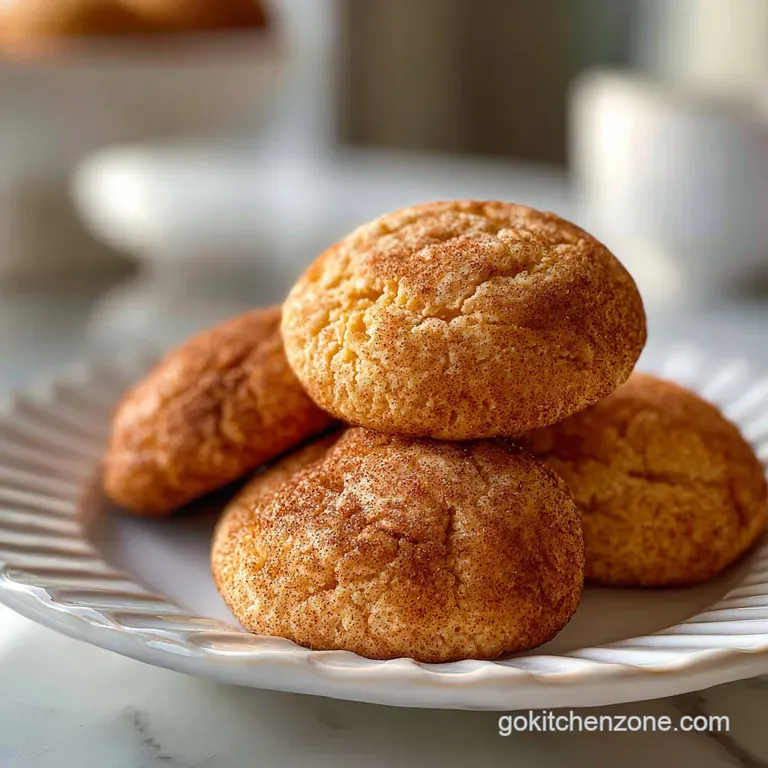
- Time: Active 10 minutes, Passive 10 minutes, Total 20 minutes
- Flavor/Texture Hook: Shatter crisp edges with a velvety, melt in-the mouth center
- Perfect for: Last minute school events, weeknight stress baking, or beginner bakers
- Bake Classic Tangy Snickerdoodle Cookies
- Science Behind the Iconic Puff
- Component Analysis and Role
- Planning Your Fast Baking Session
- Essential Tools for Consistent Results
- Method for Soft Crisp Cookies
- Solving Common Baking Flaws
- Tweaking for Special Dietary Needs
- Maintaining Freshness and Reducing Waste
- Best Pairings for Sweet Treats
- Myth: You Don't Need Cream of Tartar
- Snickerdoodle Cookies FAQs
- 📝 Recipe Card
Bake Classic Tangy Snickerdoodle Cookies
The kitchen is quiet until that first crackle of the oven door opening, releasing a warm cloud of cinnamon and toasted sugar that hits you right in the face. It's a smell that instantly solves whatever dinner struggle or long workday you just endured.
I’ve tried dozens of versions, but the one that actually works every time is this straightforward, no nonsense approach.
We have all been there, staring at a recipe that demands three hours of chilling time when you want a cookie now. This recipe skips the wait while maintaining that iconic "cracked" look on top.
It’s reliable, it’s budget friendly, and it uses basic pantry staples that are likely already sitting in your cupboard.
Don't expect a standard sugar cookie here. The real magic of Snickerdoodle Cookies lies in the contrast between the sharp tang of the dough and the warmth of the spice coating. It's a specific profile that feels nostalgic even if you didn't grow up eating them. Let's get into how to make these happen without any fuss.
Science Behind the Iconic Puff
The specific chemistry of this dough is what separates a mediocre cookie from a great one. Understanding how the ingredients interact helps you avoid the dreaded "flat cookie" syndrome that plagues so many home kitchens.
- Acidic Leavening: Cream of tartar provides a sharp acidity that prevents sugar from crystallizing, ensuring a velvety rather than crunchy interior.
- Carbon Dioxide Release: When the acidic cream of tartar meets the alkaline baking soda, it creates an immediate chemical reaction that puffs the dough upward before the heat sets the structure.
- Maillard Reaction Delay: The high acidity actually slows down browning slightly, which is why these cookies stay pale and soft even when the edges are perfectly set.
Texture and Doneness Decision Table
| Desired Result | Bake Time | Oven Temp | Visual Cue |
|---|---|---|---|
| Ultra Soft/Gooey | 8 minutes | 375°F | Edges just set, centers look raw |
| Classic Pillowy | 10 minutes | 350°F | Puffed centers with slight cracks |
| Crispy/Snap | 13 minutes | 350°F | Golden brown edges and firm centers |
Choosing the right bake time depends entirely on how you like your cookies, but I usually aim for the 10 minute mark to get the best of both worlds. If you find yourself frequently baking treats, you might notice this timing strategy is quite similar to what I suggest in my Chocolate Chip Cookies recipe for achieving that perfect chewy to crisp ratio.
Component Analysis and Role
| Ingredient | Science Role | Pro Secret |
|---|---|---|
| Unsalted Butter | Fat & Structure | Use cool room temp butter (65°F) to prevent the dough from greasy spreading. |
| Cream of Tartar | Acidic Catalyst | This is non negotiable for the "zing" and preventing a gritty sugar texture. |
| Cinnamon | Flavor Compound | Toast your cinnamon in a dry pan for 30 seconds before mixing with sugar to unlock oils. |
Planning Your Fast Baking Session
You don't need fancy ingredients for these. In fact, using basic store brand flour and sugar often yields the most "authentic" results because the protein content is standard. I've found that expensive, high protein bread flours actually make these too tough.
- 226g unsalted butter, softenedWhy this? Provides the fat base; unsalted allows you to control the seasoning precisely.
- 300g granulated sugarWhy this? Creates the sweetness and helps the edges crisp up during the bake.
- 2 large eggs, room temperatureWhy this? Emulsifies better with the fat than cold eggs, preventing dough splitting.
- 5ml vanilla extractWhy this? Rounds out the spice notes and adds a floral aromatic layer.
- 345g all purpose flourWhy this? The structural foundation that provides enough gluten for a soft chew.
- 2 tsp cream of tartarWhy this? The essential acid for the signature tangy flavor and leavening power.
- 1 tsp baking sodaWhy this? Reacts with the cream of tartar to create the airy, puffed lift.
- 0.5 tsp kosher saltWhy this? Sharpens the sweetness and balances the heavy spice coating.
- 50g granulated sugar (for coating)Why this? Creates the sparkly, sweet exterior layer.
- 2 tbsp ground cinnamonWhy this? Provides the warm, woody spice flavor that defines the cookie.
Smart Ingredient Substitutes
| Original Ingredient | Substitute | Why It Works |
|---|---|---|
| Cream of Tartar | 2 tsp Lemon Juice | Adds the necessary acid. Note: Dough will be slightly softer/stickier. |
| Unsalted Butter | Salted Butter | Swap 1:1. Note: Omit the 0.5 tsp kosher salt from the dry ingredients. |
| Kosher Salt | Table Salt | Use only 1/4 tsp. Note: Table salt is finer and "saltier" by volume. |
Essential Tools for Consistent Results
You don't need a high end kitchen to make this happen, but a few specific tools make the process much faster. I personally use a standard hand mixer for most of my weeknight baking because it's easier to clean than a big stand mixer.
- Digital Scale: This is the only way to ensure you actually have 345g of flour. Measuring by cups is how people end up with dry, hockey puck cookies.
- Cookie Scoop: A 1.5 tablespoon scoop ensures every cookie is the same size, which means they all finish baking at exactly the same time.
- Parchment Paper: Don't just grease the pan. Parchment allows the cookies to spread evenly and prevents the bottoms from burning.
- Wire Cooling Rack: Essential for stopping the cooking process. If they sit on the hot pan, the bottoms will go from golden to burnt in sixty seconds.
Method for Soft Crisp Cookies
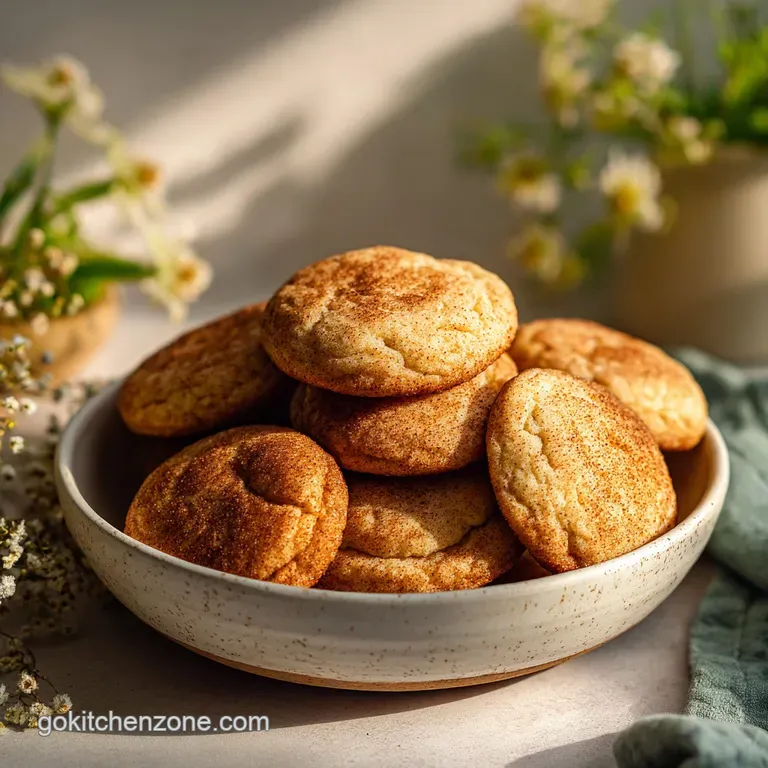
- Preheat oven to 350°F. Line two large baking sheets with parchment paper. Note: A hot oven is critical for the initial puff.
- Cream butter and sugar. Beat 226g softened butter and 300g granulated sugar for 3 minutes until pale and fluffy.
- Incorporate liquids. Add 2 large eggs and 5ml vanilla extract. Beat until the mixture looks smooth and emulsified.
- Whisk dry ingredients. In a separate bowl, combine 345g flour, 2 tsp cream of tartar, 1 tsp baking soda, and 0.5 tsp salt.
- Combine mixtures. Gradually add the dry ingredients to the wet. Mix until no white streaks of flour remain.
- Prep the coating. In a small shallow bowl, stir together 50g sugar and 2 tbsp cinnamon.
- Shape the dough. Scoop 1.5 tablespoon portions and roll them into smooth spheres between your palms.
- Apply the spice. Roll each ball in the cinnamon sugar until completely and thickly coated.
- Bake the batch. Place balls 2 inches apart on the sheets. Bake for 10 minutes until edges are set but centers look slightly soft.
- Cool and set. Let the cookies rest on the pan for 5 minutes until firm enough to move, then transfer to a rack.
Chef Tip: The "Double Roll" Technique
For a truly intense flavor and a thicker "shatter" crust, roll the dough balls in the cinnamon sugar twice. Roll them once, let them sit for 2 minutes so the sugar absorbs a tiny bit of moisture, then roll them again before baking. It creates a much more dramatic crackled appearance.
Solving Common Baking Flaws
Even with a reliable recipe, things can go sideways if the kitchen is too hot or the oven calibration is off. Usually, if your Snickerdoodle Cookies aren't looking right, it's a temperature issue.
Why Your Cookies Spread Too Much
If your cookies turned into one giant thin sheet, your butter was likely too warm. Butter should be "pliable" but still cool to the touch not oily or melting. If your kitchen is hot, pop the dough balls in the fridge for 10 minutes before rolling them in the sugar.
Troubleshooting Texture Issues
| Problem | Root Cause | Solution |
|---|---|---|
| Gritty Texture | Under creaming butter/sugar | Beat butter and sugar for a full 3 mins until the sugar partially dissolves. |
| Flat/No Cracks | Expired leavening | Test baking soda in vinegar; if it doesn't fizz instantly, replace it. |
| Tough/Bread like | Over mixing flour | Stop mixing the second the last streak of flour disappears into the dough. |
If you enjoy the process of perfecting a dough's texture, you might find my Peanut Butter Cookies recipe interesting, as it uses a similar balancing act between fats and flours to achieve that signature fork pressed snap.
Common Mistakes Checklist
- ✓ Check the expiration date on your cream of tartar (it loses potency faster than you think).
- ✓ Use room temperature eggs to ensure they bond properly with the creamed butter.
- ✓ Never place raw dough balls onto a hot baking sheet from a previous batch.
- ✓ Measure your flour by weight (345g) rather than volume to avoid a dry dough.
- ✓ Resist the urge to over bake; they should look "underdone" in the center when pulled.
Tweaking for Special Dietary Needs
We often need to adjust for guests or pantry limitations. Because this recipe is based on a sturdy fat to flour ratio, it handles substitutions better than more delicate pastries.
To make gluten-free Snickerdoodle Cookies, I recommend a high-quality 1:1 flour blend (like King Arthur or Cup4Cup). Because these blends lack gluten structure, the cookies may spread slightly more, so chilling the dough for 20 minutes is helpful. If you’re a fan of alternative flours, you might also like the velvety texture of my Sugar Cookies Recipe, which is equally adaptable.
For a vegan version, use a vegan butter stick (avoid the tub varieties as they have too much water) and swap the eggs for 1/4 cup of unsweetened applesauce per egg. The texture will be slightly more "cake like," but the cinnamon sugar coating remains just as satisfying.
Maintaining Freshness and Reducing Waste
Storing these properly is the difference between a soft treat and a cinnamon flavored brick. Because of the cream of tartar, these cookies actually stay soft longer than most, but they still need protection from the air.
- Storage: Keep in an airtight container at room temperature for up to 5 days.
- The Bread Hack: If the cookies start to get hard, toss a single slice of white bread into the container. The cookies will absorb the moisture from the bread and soften back up overnight.
- Freezing: You can freeze baked cookies for up to 3 months. To reheat, just pop them in a 300°F oven for 3 minutes to restore that "just baked" smell.
- Zero Waste: If you have leftover cinnamon sugar from the coating, don't throw it out. Save it in a small jar for your morning toast or to sprinkle over oatmeal. If you have broken cookie crumbs, they make an incredible crust for a cheesecake or a topping for vanilla ice cream.
Best Pairings for Sweet Treats
These cookies are quite sweet and tangy, so they pair best with something that offers a bit of contrast. A cold glass of whole milk is the classic choice, as the fat in the milk cuts through the sharp cinnamon heat.
If you’re serving these in the evening, try a dark roast coffee or a spicy chai tea. The bitterness of the coffee highlights the vanilla in the dough, while the chai spices complement the cinnamon coating.
For a more "adult" pairing, a glass of tawny port or a nutty sherry works surprisingly well with the toasted sugar notes.
- The Comfort Duo
- Warm Snickerdoodle with a mug of hot apple cider.
- The Kids' Favorite
- Crumbled cookies over a bowl of salted caramel ice cream.
- The Brunch Twist
- Served alongside a plate of fresh tart apples and sharp cheddar cheese.
Searing vs Baking for Texture (Comparison)
| Method | Texture Result | Best For |
|---|---|---|
| Standard Oven (350°F) | Pillowy & Soft | Traditional Snickerdoodle fans |
| Air Fryer (325°F) | Extra Crisp Shell | Small batches (2-4 cookies) |
| Stovetop (Skillet) | Brown Butter Edge | Creating "Pizookie" style desserts |
Myth: You Don't Need Cream of Tartar
A common misconception is that you can just use extra baking powder and get the same result. While the cookie will still rise, you will completely lose the metallic "tang" and the specific soft yet-stable crumb that defines a Snickerdoodle. Without the acid, it's just a cinnamon flavored sugar cookie.
The Maillard reaction also occurs faster without that acidity, meaning your cookies will brown too much before they are fully cooked through. Trust the science get the tin of cream of tartar.

Snickerdoodle Cookies FAQs
What is the secret to soft snickerdoodles?
Use cream of tartar and don't overbake. The cream of tartar provides essential acidity that prevents sugar crystallization for a velvety interior, while a short bake time leaves the centers soft and gooey.
What is the flavor of a snickerdoodle cookie?
It's a sweet, tangy, and warmly spiced flavor. The cookie dough has a distinct tang from cream of tartar, balanced by the sweetness of sugar and the cozy warmth of cinnamon in the coating.
Why is a cookie called a snickerdoodle?
The exact origin is debated but likely German. The name may come from the German word "schneckennudel," meaning snail noodle, or it could be a whimsical invented name from American bakers.
What are common snickerdoodle mistakes?
Over creaming butter, using expired leaveners, or overbaking. Warm butter leads to excessive spreading, old baking soda/cream of tartar results in flat cookies, and overbaking dries them out.
Do I need to chill snickerdoodle dough?
No, chilling is optional but can help. This recipe is designed for immediate baking, but chilling dough for 10-20 minutes can prevent excessive spreading if your kitchen is very warm.
How do I get the signature crackled top?
Use the right leavening and baking temperature. The reaction between cream of tartar and baking soda, combined with a moderate oven temperature, causes the cookies to puff and crack as they bake.
Can I make snickerdoodles without cream of tartar?
No, you'll lose the signature tang and texture. Cream of tartar is essential for the unique flavor profile and prevents sugar crystallization, which contributes to the soft interior.
Snickerdoodle Cookies
Ingredients:
Instructions:
Nutrition Facts:
| Calories | 182 kcal |
|---|---|
| Protein | 2.1 g |
| Fat | 8.2 g |
| Carbs | 26.1 g |
| Fiber | 0.7 g |
| Sugar | 14.6 g |
| Sodium | 101 mg |
