Panera Mac and Cheese Recipe
- Time: Active 15 mins, Passive 5 mins, Total 20 mins
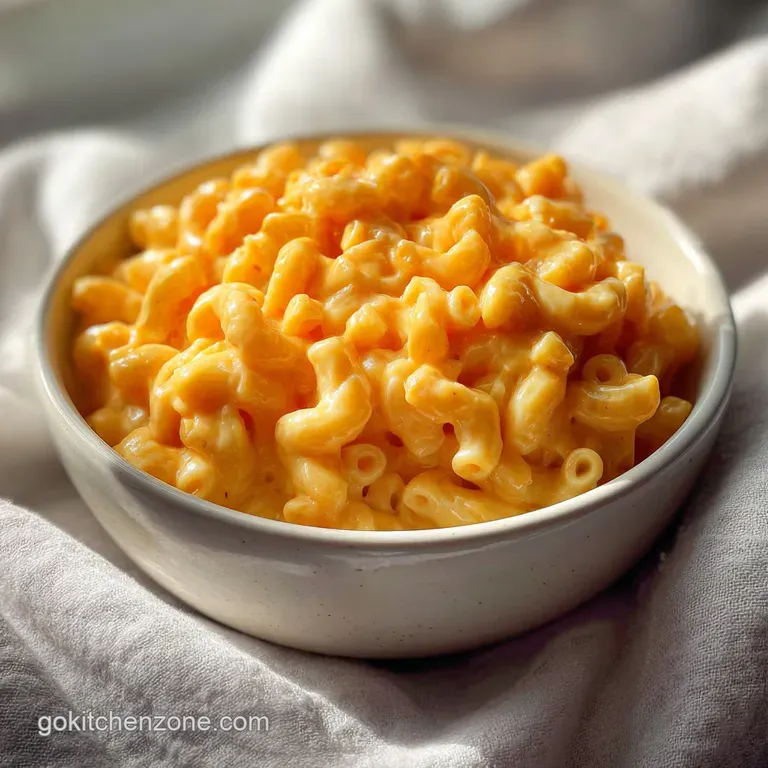
- Flavor/Texture Hook: Velvety white cheddar sauce with a sharp, tangy finish
- Perfect for: Stressful weeknights or feeding picky kids who crave the "good stuff"
- Master the Signature Panera Mac and Cheese Recipe Today
- The Secret to That Signature Velvet Texture
- A Fast vs Classic Method Comparison
- Ingredient Deep Dive for Flavor and Body
- Budget-Friendly Grocery Staples for the Best Results
- Essential Tools for a Smooth Sauce
- Step by Step Instructions for a Silky Sauce
- Precise Checkpoints for Success
- Solving Common Mac and Cheese Problems
- Adjusting the Recipe Size for Any Crowd
- Myth Busting the Homemade Version
- Practical Storage and Reheating Guidelines
- Serving Suggestions for a Complete Meal
- Panera Mac and Cheese Recipe FAQs
- 📝 Recipe Card
Master the Signature Panera Mac and Cheese Recipe Today
I still remember the first time I tried to recreate this dish. It was a Tuesday, I was tired, and I just wanted that specific, thick, white cheddar hug in a bowl. My first attempt was a grainy disaster because I used pre shredded cheese and high heat. I ended up with a ball of rubber floating in yellow oil.
It was a dinner struggle of the highest order, but it taught me everything about what makes the bakery version actually work.
The secret isn't just "more cheese," it's the specific way the fat and liquid play together. You want that sauce to be so thick it clings to the shell's curves like a warm blanket. When you pull a spoon through it, you should hear that heavy, rhythmic squelch that promises a coating on every single bite.
We aren't making a traditional baked casserole here; we are making a stovetop masterpiece that stays creamy even as it cools down on the plate.
This version is all about the "copycat" experience without the premium price tag. We are skipping the expensive gourmet blends and using smart, reliable staples that deliver that exact flavor profile. You'll get the tang of the sharp cheddar and the unmatched melt of white American cheese.
It's a weeknight win that feels like a treat, and honestly, you might never go back to the blue box or the drive thru again once you see how fast this happens in one pan.
The Secret to That Signature Velvet Texture
Emulsification Magic: The white American cheese acts as a stabilizer, providing sodium citrate that keeps the sharp cheddar from separating into oil and solids. This ensures the sauce stays completely uniform and silky even after it sits for a few minutes.
Starch Suspension: By cooking the flour in butter before adding liquid, you coat the starch molecules in fat, preventing them from clumping. This creates a smooth base that thickens the heavy cream into a coating that grips the pasta shells.
A Fast vs Classic Method Comparison
| Feature | Fast Stovetop Version | Classic Baked Mac |
|---|---|---|
| Texture | Velvety and liquid gold style | Firm and scoopable |
| Time | 20 minutes start to finish | 1 hour minimum |
| Best For | Instant cravings and kids | Holiday side dishes |
This recipe follows the fast stovetop method to match the restaurant's specific texture. If you are looking for more morning comfort, the technique of building a creamy base is actually quite similar to what I use in my Egg Casserole Recipe.
Ingredient Deep Dive for Flavor and Body
| Ingredient | Science Role | Pro Secret |
|---|---|---|
| White American Cheese | Emulsifier | Never skip this; it prevents the "grainy" texture common in cheddar only sauces. |
| Extra Sharp White Cheddar | Flavor & Tang | Grate it yourself from a block to ensure it melts without the gritty starch of bagged cheese. |
| Dry Mustard Powder | Flavor Enhancer | It doesn't taste like mustard; it cuts through the fat and makes the cheese taste "cheesier." |
| Heavy Cream | Fat Content | Provides the high viscosity "cling" that milk alone cannot achieve. |
Budget Friendly Grocery Staples for the Best Results
16 oz Lumaconi or Medium Shell pasta Why this? The shell shape acts as a tiny bowl for the sauce. Substitute: Elbow macaroni (Denser, less sauce trapping but cheaper)
1/4 cup Unsalted butter Why this? Provides the fat base for the roux without adding extra salt. Substitute: Salted butter (Just reduce added salt by 1/4 tsp)
1/4 cup All purpose flour Why this? The structural thickener for the creamy base. Substitute: Cornstarch (Use half the amount mixed with cold milk)
2 cups Whole milk Why this? Provides the bulk of the liquid while maintaining richness. Substitute: 2% milk (Slightly thinner sauce, still works)
1 cup Heavy cream Why this? Adds that luxurious, bakery style mouthfeel. Substitute: Half and half (Less rich but perfectly fine for a budget swap)
8 oz Extra sharp white cheddar cheese, freshly grated Why this? The primary flavor driver of the dish. Substitute: Sharp yellow cheddar (Changes the color, same great flavor)
2 oz White American cheese, chopped Why this? The essential "glue" for a smooth sauce. Substitute: Mild Provolone (Add a pinch of salt if using this)
1 tsp Dry mustard powder Why this? Adds depth and a subtle bite. Substitute: 1 tsp Dijon mustard
1/2 tsp Salt Why this? Enhances every other flavor. Substitute: Sea salt
1/4 tsp White pepper Why this? Heat without the black specks for a clean look. Substitute: Black pepper (If you don't mind the dots)
1/4 tsp Hot sauce Why this? Vinegar and capsicum cut through the heavy fat. Substitute: Cayenne pepper (Just a tiny pinch)
Essential Tools for a Smooth Sauce
For this panera mac and cheese recipe, you don't need a pantry full of gadgets, but a few basics make it happen faster. I always suggest a heavy bottomed pot, like a Dutch oven or a thick stainless steel saucepan, to prevent the milk from scorching at the bottom.
You'll also want a sturdy whisk not a fork to get that flour and butter combined into a smooth paste.
A box grater is your best friend here. Please, don't use the pre shredded stuff in the bag. Those bags are filled with potato starch or cellulose to keep the cheese from sticking together, which is exactly what makes home cooked mac and cheese turn out gritty.
Grating a block of sharp white cheddar only takes two minutes, and the difference in the final "velvety" finish is massive.
step-by-step Instructions for a Silky Sauce
- Boil 4 quarts water in a large pot and add 2 tbsp salt. Note: Salting the water is your only chance to season the pasta itself.
- Add 16 oz Lumaconi or shells and cook 8-10 minutes until al dente with a slight bite.
- Drain the pasta but do not rinse it; the surface starch helps the sauce stick.
- In a separate medium saucepan over medium heat, melt 1/4 cup unsalted butter until it bubbles and sizzles gently.
- Whisk in 1/4 cup all purpose flour and cook for 1-2 minutes until it smells slightly nutty but stays pale.
- Slowly pour in 2 cups whole milk and 1 cup heavy cream, whisking constantly until no lumps remain.
- Simmer the mixture for 3-5 minutes until it thickens enough to coat the back of a spoon.
- Lower the heat to low and add 1 tsp dry mustard, 1/2 tsp salt, 1/4 tsp white pepper, and 1/4 tsp hot sauce.
- Stir in 8 oz grated white cheddar and 2 oz chopped white American cheese until the sauce is completely glossy and smooth.
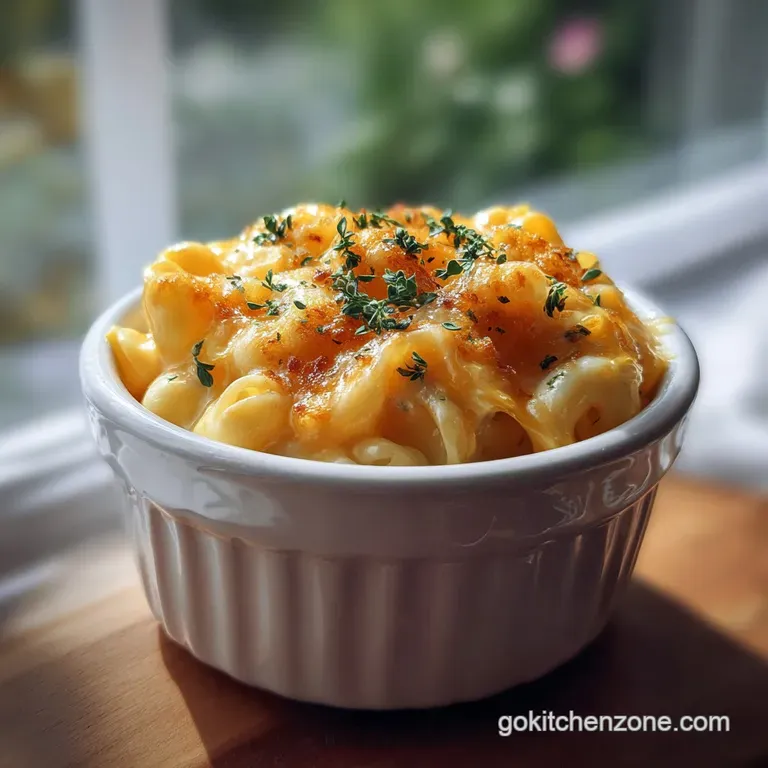
- Fold the cooked pasta into the cheese sauce and stir until every shell is filled with cheese.
Chef's Tip: If the sauce feels too thick, splash in 1 tablespoon of the pasta cooking water. The starches in that water will help loosen the sauce without thinning out the flavor.
Precise Checkpoints for Success
- Pasta Texture: Drain when the center still has a tiny white dot (al dente). It will soften more in the hot sauce.
- Roux Color: Do not let the flour turn brown. For a white cheddar sauce, you want a "blond" roux that stays light.
- Cheese Temp: Turn the burner to the lowest setting before adding cheese. High heat causes the proteins to tighten and get tough.
Solving Common Mac and Cheese Problems
Why Your Cheese Sauce Broke
This usually happens because the heat was too high. When the fat in the cheese gets too hot, it separates from the proteins, leaving you with an oily mess. If this happens, try whisking in a tablespoon of cold milk very rapidly to bring the emulsion back together.
Why Your Sauce Is Too Thin
If you've added the pasta and it looks like soup, don't panic. The pasta will continue to soak up liquid as it sits. Give it three minutes off the heat. If it’s still too runny, you likely didn't cook the flour and milk mixture (the bechamel) long enough before adding the cheese.
| Problem | Root Cause | Solution |
|---|---|---|
| Grainy Texture | Pre shredded cheese or overheating | Use block cheese and lower the heat before melting. |
| Bland Flavor | Lack of acidity or salt | Add another dash of hot sauce or a tiny bit more dry mustard. |
| Dry Pasta | Pasta over absorbed the sauce | Add a splash of milk and stir over low heat to loosen. |
Common Mistakes Checklist
- ✓ Grate your own cheese to avoid anti clumping starches.
- ✓ Don't rinse the pasta after boiling; you need that starch.
- ✓ Whisk the milk in slowly to prevent flour clumps.
- ✓ Use white American cheese as a stabilizer for the cheddar.
- ✓ Keep the heat low once the cheese hits the pan.
Adjusting the Recipe Size for Any Crowd
If you need to scale this down for a solo dinner, it’s quite simple. Cut all ingredients in half and use a smaller saucepan. Because you're working with smaller volumes, the sauce will thicken much faster, so keep your eyes on the pot.
If you're using half an egg in other recipes, that's tricky, but here it's just about measuring the milk and cheese carefully.
Scaling up for a party is where this recipe shines. You can double the ingredients easily, but I recommend only increasing the salt and spices to 1.5x at first, then tasting. Large batches of sauce can sometimes hold onto salt more intensely.
If you're making a huge amount, work in a large Dutch oven to ensure you have enough room to fold the pasta without smashing the shells.
This creamy dish is a fantastic centerpiece, much like my Cheese Ball recipe which always disappears at parties.
Myth Busting the Homemade Version
Many people think you need "fancy" cheddar for this to taste like the restaurant. In reality, Panera uses a very standard sharp white cheddar. The "fancy" taste actually comes from the dry mustard and the white pepper, which add a sophisticated depth without being overwhelming.
Another myth is that you can't use American cheese if you want a "real" meal. In the world of stovetop mac, American cheese is a tool, not just a topping. It contains emulsifying salts that are essential for that specific, plastic free melt.
Without it, your sharp cheddar will almost always have a slightly grainy mouthfeel.
Practical Storage and Reheating Guidelines
Storage: This will keep in an airtight container in the fridge for up to 4 days. It will thicken significantly as it cools, turning into a solid block. Don't worry, that's just the fat and starch setting.
Reheating: Never microwave this on high power for a long time. It will break the sauce. Instead, put a serving in a bowl, add a splash of milk, and microwave in 30 second increments, stirring in between. This replaces the moisture the pasta soaked up overnight.
Zero Waste Tip: If you have leftover sauce but no pasta, use it as a dip for pretzels or pour it over steamed broccoli. If you have extra cheese scraps that aren't enough for a full recipe, toss them into a freezer bag for the next time you make a Spinach Dip recipe.
Serving Suggestions for a Complete Meal
While a big bowl of this on its own is a dream, it's quite rich. I love serving it alongside something acidic or crunchy to balance out the velvety texture. A simple green salad with a lemon vinaigrette works wonders.
- Decision Shortcut
- If you want X, do Y
- If you want a crunchier topping
- Transfer the finished mac to a baking dish, top with Panko breadcrumbs and melted butter, and broil for 2 minutes.
- If you want it spicier
- Double the hot sauce and add a diced canned chipotle pepper.
- If you want it heartier
- Stir in some cooked, crumbled bacon or diced ham at the very end.
This recipe is designed to be your reliable, go to comfort food. It takes less time than a round trip drive to the bakery and tastes significantly fresher. Once you master the roux and the cheese melt, you've got a weeknight superpower in your back pocket. Enjoy every silky, cheesy bite!

Panera Mac and Cheese Recipe FAQs
What are the ingredients in Panera mac and cheese?
The key ingredients are pasta, butter, flour, milk, heavy cream, sharp white cheddar cheese, and white American cheese. Dry mustard powder, salt, white pepper, and hot sauce are used for seasoning. The specific pasta shape is often Lumaconi or medium shells.
Where does Panera get their mac and cheese from?
Panera mac and cheese is made fresh in their kitchens daily. They prepare the sauce from scratch using a roux and a blend of cheeses, then combine it with pasta. While this recipe aims to replicate that taste, Panera prepares it in-house.
Why is Panera mac and cheese so good?
Its appeal comes from a velvety, smooth white cheddar sauce with a tangy finish, achieved through careful emulsification. The use of white American cheese stabilizes the sauce, preventing separation, and the pasta shape holds the rich sauce perfectly. This recipe replicates that by mastering the technique of building a creamy base similar to what you'd find in a Sausage Egg Casserole for Christmas.
What pasta shape is Panera mac and cheese?
Panera typically uses Lumaconi or medium shell pasta. These shapes are ideal because their curves and hollows trap and hold a generous amount of the creamy cheese sauce, ensuring every bite is perfectly coated.
How do I make the sauce super creamy like Panera's?
Create a stable emulsion by using white American cheese alongside sharp white cheddar. Cook a blond roux with butter and flour, then slowly whisk in milk and cream until thickened. This process ensures the sauce is smooth and clings to the pasta, a technique also key for a silky center in dishes like Overnight French Toast Casserole: Silky Center.
Can I use pre-shredded cheese for Panera mac and cheese?
No, it's best to grate your own cheese from a block. Pre-shredded cheeses contain anti caking agents like cellulose or potato starch, which prevent them from melting smoothly and can result in a gritty sauce. Freshly grated cheese melts more evenly for that signature velvety texture.
Why is my homemade mac and cheese sauce oily or broken?
This typically happens when the sauce is overheated after the cheese is added. High temperatures cause the fat in the cheese to separate from the proteins, leading to an oily appearance.
Always add cheese over low heat and stir gently; if it breaks, try whisking in a tablespoon of cold milk rapidly to help re-emulsify it.
Panera Mac And Cheese

Ingredients:
Instructions:
Nutrition Facts:
| Calories | 729 kcal |
|---|---|
| Protein | 24 g |
| Fat | 41 g |
| Carbs | 70 g |
| Fiber | 3 g |
| Sugar | 6 g |
| Sodium | 785 mg |
