Olive Garden Chicken Alfredo Recipe
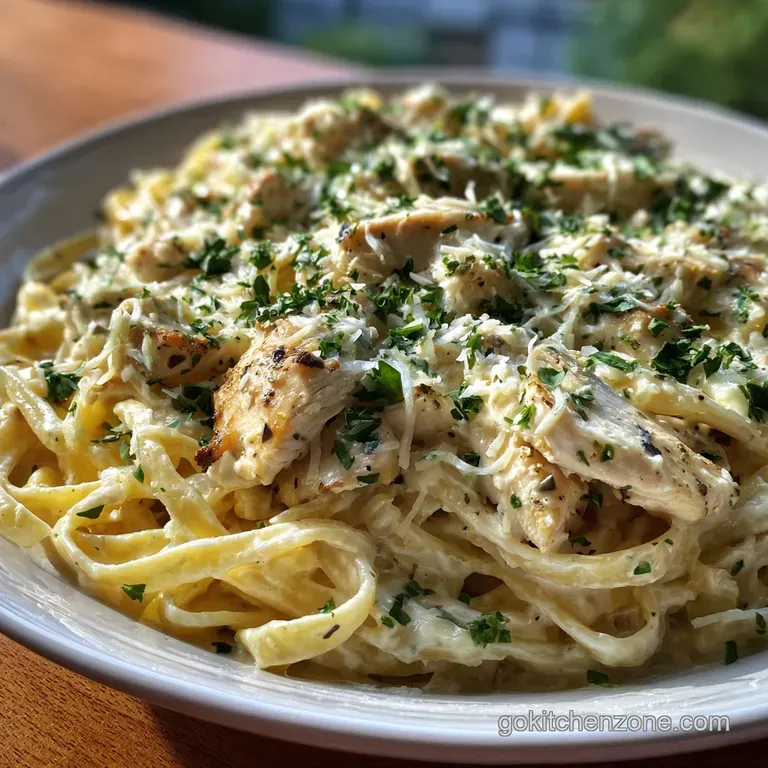
- Time: Active 10 mins, Passive 20 mins, Total 30 mins
- Flavor/Texture Hook: Silky, garlic infused cream with a salty Parmesan punch.
- Perfect for: A weeknight treat when you need a win without hours of prep.
- Make the Best Olive Garden Chicken Alfredo Recipe
- The Secret to Creamy Success
- Analyzing the Main Ingredients
- Essentials for Success
- Recommended Kitchen Tools
- Steps for Velvety Results
- Fixing Common Cooking Errors
- Adjusting the Serving Size
- Debunking Kitchen Myths
- Guidelines for Proper Storage
- Plating and Finishing Touches
- Very High in Sodium
- Recipe FAQs
- 📝 Recipe Card
Make the Best Olive Garden Chicken Alfredo Recipe
We’ve all been there. It’s Tuesday night, you’re tired, and that specific craving for a mountain of creamy, garlicky pasta hits. You think about heading out, but then you realize you can probably pull it off in your own kitchen in the time it takes to find a parking spot.
That's exactly how I landed on this version of the olive garden chicken alfredo recipe. It isn't just a copycat it's actually better because you control the heat and the quality of the cheese.
The first time I tried making this chicken alfredo recipe from scratch, I ended up with a grainy mess that looked more like scrambled eggs than sauce. I learned the hard way that high heat is the enemy of a smooth Alfredo. Now, I follow a few specific rules to ensure that velvety finish every single time.
Trust me, once you hear the sizzle of the chicken hitting the pan and smell that garlic blooming in the butter, you’ll never look at a glass jar of sauce the same way again.
We’re keeping things very straightforward here. No fancy equipment is needed, just a good pan and a pot for your pasta. The goal is a meal that feels like a luxury but fits into a busy schedule. If you can boil water and sear a piece of meat, you have all the skills required to master this dish.
Let's get into what makes this work so well.
The Secret to Creamy Success
The Physics of the Emulsion
Fat Integration: Cold butter emulsifies more slowly into the cream, creating a stable structure that won't break. This prevents the oil from separating and floating on top of your sauce.
Starch Gelatinization Anchor
Pasta Water Magic: The tiny amount of starch remaining on the noodles helps the sauce bind to the pasta. This creates a cohesive dish where the sauce "hugs" the fettuccine instead of sliding off.
Maillard Reaction Timing
Strategic Searing: Cooking the chicken separately at a high temp ensures a golden crust without overcooking the interior. This adds a savory depth that balances the rich, heavy cream.
| Method | Time | Texture | Best For |
|---|---|---|---|
| Stovetop | 30 mins | Crispy chicken, silky sauce | Traditional texture and speed |
| Crock Pot | 4 hours | Shredded chicken, thinner sauce | Hands off prep for busy days |
| Instant Pot | 15 mins | Very soft pasta, integrated flavor | One pot cleanup lovers |
This comparison shows that while speed is a factor, the stovetop method remains king for that specific restaurant style texture. If you're looking for something with a bit more crunch on the side, you might also enjoy the technique used for our Country Fried Chicken recipe.
Analyzing the Main Ingredients
| Ingredient | Science Role | Pro Secret |
|---|---|---|
| Heavy Cream | Provides the fat base for the emulsion. | Use room temp cream to prevent the butter from seizing. |
| Parmesan Cheese | Acts as a thickener and flavor bomb. | Always grate from a block; pre shredded has cellulose that causes graininess. |
| Nutmeg | Breaks the "fat fatigue" on the palate. | A tiny pinch is all you need to make the flavors pop. |
The interaction between these components is what creates that signature mouthfeel. Without the Parmesan, it's just hot cream; without the nutmeg, it feels too heavy after three bites.
Essentials for Success
To get this right, you need to stick to the measurements. Don't eyeball the cheese or the cream if it's your first time, as the ratios are what keep the sauce stable.
- 1.5 lbs chicken breasts: Sliced thin so they cook fast and stay juicy.
- 1 lb fettuccine pasta: The wide surface area is built for thick sauces.
- 1/2 cup unsalted butter: Cold and cubed for better emulsification. Why this? Salted butter can make the dish unpredictably salty once you add the cheese.
- 2 cups heavy whipping cream: Don't use milk; the fat content is vital for the sauce's thickness.
- 1.5 cups freshly grated Parmesan: This is your primary thickener.
- 2 cloves garlic: Minced fine to distribute flavor without chunky bites.
- 1 tsp sea salt: For seasoning the chicken and the pasta water.
- 1/2 tsp cracked black pepper: Provides a subtle heat.
- 1 tsp garlic powder: Used on the chicken for a more intense savory crust.
- 1/4 tsp ground nutmeg: The "hidden" ingredient for authentic flavor.
- 1 tbsp extra virgin olive oil: For the initial chicken sear.
- 2 tbsp fresh parsley: Adds a hit of freshness and color at the end.
| Original Ingredient | Substitute | Why It Works |
|---|---|---|
| Heavy Cream (2 cups) | Half and Half (2 cups) | Lighter result. Note: Sauce will be thinner and may need 1 tsp cornstarch. |
| Fettuccine | Penne or Rotini | These shapes hold sauce well. Note: Texture is less "elegant" than long noodles. |
| Parmesan Cheese | Pecorino Romano | Hard, salty sheep's milk cheese. Note: Much saltier; reduce added sea salt by half. |
Using the right noodles is just as important as the sauce. If you enjoy experimenting with different chicken and pasta combinations, you should definitely check out the flavors in this Stuffed Chicken Marsala recipe.
Recommended Kitchen Tools
You really don't need a lot of gear for this homemade olive garden chicken alfredo. A large skillet or sauté pan is best for the sauce because the wide surface area helps the liquid reduce and thicken faster. A standard 6 quart pot works for the pasta.
I highly recommend a microplane or a fine grater for the cheese. The finer the cheese, the faster it melts into the sauce without clumping. If you're using a dull box grater, the cheese chunks might stay solid too long and turn chewy.
Steps for Velvety Results
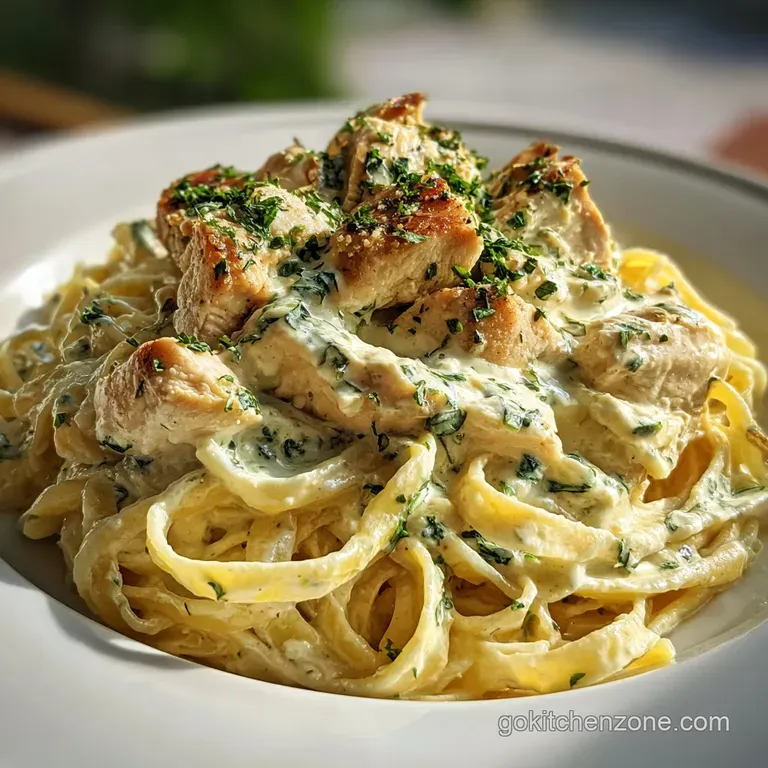
- Prep the chicken. Rub the 1.5 lbs of sliced chicken with salt, pepper, and garlic powder. Note: Slicing into thin cutlets ensures the meat cooks at the same rate the pasta boils.
- Boil the pasta. Cook the 1 lb of fettuccine in a large pot of salted water until al dente. Wait for the water to reach a rolling boil before adding noodles.
- Sear the meat. Heat 1 tbsp olive oil in a large skillet and cook chicken for 3-5 minutes per side until the edges are golden and the center is opaque.
- Rest and slice. Move the chicken to a plate. Note: Letting it rest for 5 minutes keeps the juices inside instead of on the cutting board.
- Build the base. In the same skillet, melt the 1/2 cup cold butter over medium low heat and stir in the minced garlic for 1 minute until fragrant but not browned.
- Simmer the cream. Pour in 2 cups heavy cream and the nutmeg. Cook until small bubbles appear around the edges but do not let it reach a full boil.
- Melt the cheese. Gradually whisk in the 1.5 cups of Parmesan. Note: Adding it in handfuls prevents the cheese from sinking and sticking to the bottom.
- Combine. Toss the cooked fettuccine directly into the sauce. Stir until the noodles are fully coated and the sauce thickens slightly.
- Finish. Slice the rested chicken and lay it over the pasta.
- Garnish. Sprinkle with fresh parsley and serve immediately while the sauce is hot and fluid.
Fixing Common Cooking Errors
Avoiding the Grainy Texture
This usually happens because the heat was too high when the cheese was added. If the sauce gets too hot, the proteins in the cheese clump together instead of melting. To fix this, remove the pan from the heat entirely before whisking in your Parmesan.
If it’s already grainy, you can sometimes save it by adding a tablespoon of very hot pasta water and whisking vigorously.
Rescuing a Broken Sauce
A broken sauce looks like a pool of oil with white clumps. This happens if the cream boils too hard or if you use low-fat milk. The easiest way to fix this is to whisk in a splash of cold heavy cream. The cold fat can help re emulsify the sauce.
The Crock Pot Consideration
If you want to make an olive garden chicken alfredo crock pot version, the rules change. You should cook the chicken and cream on low for 4 hours, but wait until the last 30 minutes to add the cheese and cooked pasta.
Cooking cheese for 4 hours in a slow cooker will almost always result in a gritty, separated mess.
| Problem | Root Cause | Solution |
|---|---|---|
| Sauce is too thin | Not enough reduction time | Simmer for 2-3 more minutes or add more cheese. |
| Pasta is gummy | Overcooked or not enough water | Boil in at least 4 quarts of water; pull 1 min early. |
| Chicken is dry | Cooked too long on high heat | Slice thinner and use a meat thermometer (165°F). |
Common Mistakes Checklist
- ✓ Never rinse your pasta after boiling; the starch is the "glue" for your sauce.
- ✓ Don't use the green shaker can "cheese" - it won't melt into a sauce.
- ✓ Avoid boiling the cream once the cheese is added.
- ✓ Always reserve a half cup of pasta water before draining, just in case.
Adjusting the Serving Size
This recipe makes 4 generous portions, which is usually enough for a family dinner. If you're cooking for two, I don't recommend just cutting everything in half because the sauce reduces much faster in a smaller quantity. Instead, make the full batch of sauce and only boil half the pasta.
Leftover Alfredo sauce is like gold in the fridge.
If you are scaling up for a party, work in batches for the chicken. Overcrowding the pan will cause the meat to steam rather than sear, leaving you with grey, rubbery chicken. For 8 people, you'll need two large skillets or to cook the chicken in three separate rounds.
| Servings | Chicken Weight | Cream Amount | Pan Size |
|---|---|---|---|
| 2 People | 0.75 lbs | 1 cup | 10 inch skillet |
| 4 People | 1.5 lbs | 2 cups | 12 inch skillet |
| 8 People | 3 lbs | 4 cups | Two 12 inch pans |
Debunking Kitchen Myths
A common myth is that adding oil to the pasta water prevents sticking. In reality, oil just floats on top and then coats the pasta as you drain it, which prevents the alfredo recipe sauce from sticking to the noodles. Just use plenty of water and stir the pasta for the first 30 seconds of cooking.
Another big one is that you need to use flour to make Alfredo. Traditional Alfredo, especially the easy olive garden chicken alfredo recipe style, relies on the reduction of cream and the melting of cheese for thickness.
Adding flour turns it into a Béchamel based Mornay sauce, which has a much heavier, pasty flavor.
Guidelines for Proper Storage
Storage: Keep leftovers in an airtight container in the fridge for up to 3 days. The sauce will thicken significantly as it cools, looking almost solid. This is normal!
Freezing: I honestly don't recommend freezing Alfredo. Cream based sauces tend to separate and become "mealy" when thawed and reheated. If you must, freeze the chicken and pasta separately from the sauce.
Reheating: This is where most people fail. Do not microwave this on high. Instead, put it in a small pan over low heat with a splash of milk or water. Stir constantly as it warms up to bring the emulsion back together.
Zero Waste Tip: If you have leftover sauce but no pasta, use it as a base for a white pizza or drizzle it over steamed broccoli. It’s also a fantastic dip for breadsticks!
Plating and Finishing Touches
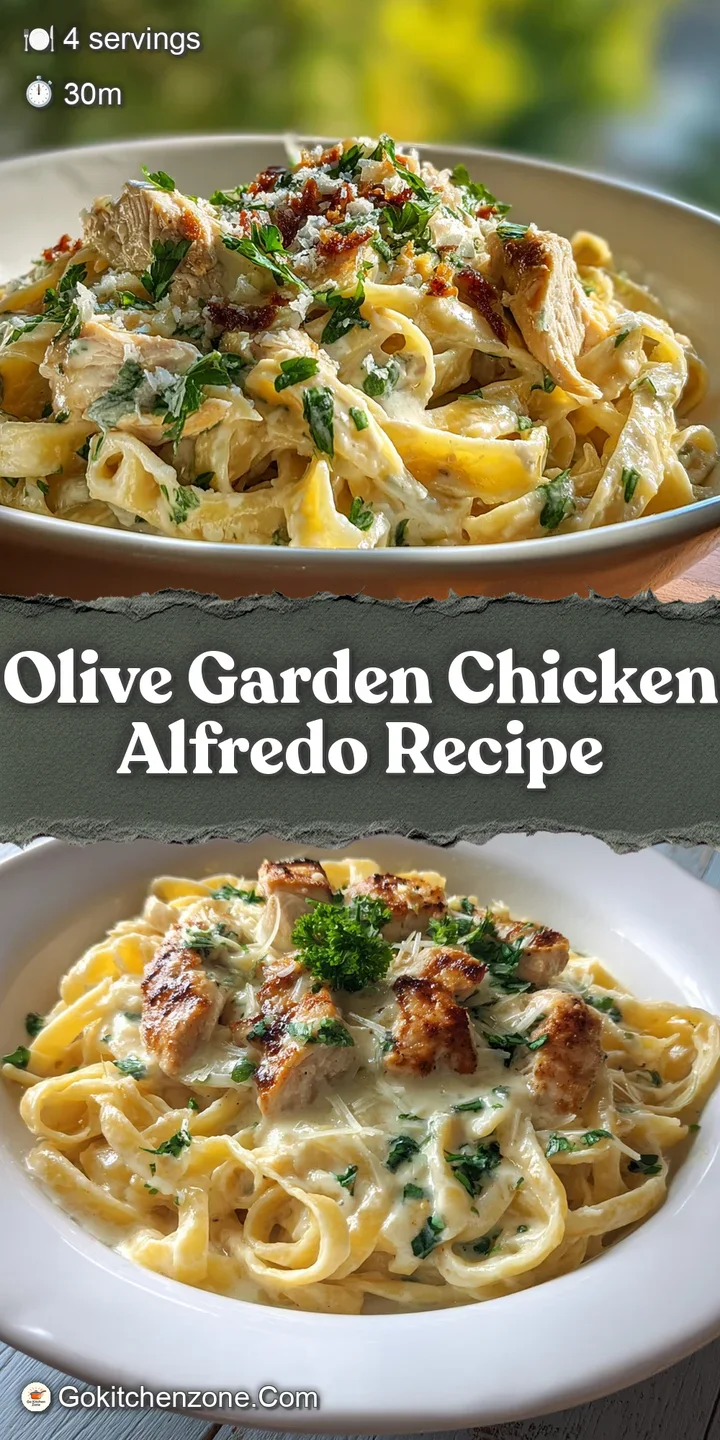
Presentation is everything with a dish this white and beige. A quick olive garden chicken alfredo look involves a deep bowl rather than a flat plate. Twist the pasta using a large fork or tongs to create a "nest" in the center of the bowl, then lean the sliced chicken against the side.
Finish with the fresh parsley and a heavy crack of black pepper. If you want a little more color, a few shavings of Parmesan (use a vegetable peeler for these) on top make it look like it came straight out of a professional kitchen.
Serve it while the steam is still rising this is one dish that doesn't like to sit around!
Very High in Sodium
1180 mg mg of sodium per serving (51% of daily value)
The American Heart Association recommends limiting sodium intake to no more than 2,300mg per day for most adults.
Actionable Tips to Reduce Sodium in Your Fettuccine Alfredo
-
Reduce Parmesan Cheese-25%
Parmesan cheese is a significant source of sodium. Reduce the amount from 1.5 cups to 0.75 cups. This can significantly decrease the sodium content without drastically altering the flavor. Consider a lower sodium parmesan if available.
-
Minimize Added Salt-20%
Eliminate the 1 tsp of added sea salt. Taste the dish after cooking and only add a tiny pinch if absolutely necessary. Remember that Parmesan cheese contributes sodium as well.
-
Unsalted is Key-15%
Ensure you are using truly unsalted butter. Sometimes butter is labeled as 'low sodium' when it still contains salt. Using unsalted butter is crucial for sodium reduction.
-
Fresh Chicken Only-10%
Use fresh, plain chicken breasts. Avoid pre-seasoned or enhanced chicken, as these often contain added sodium.
-
Fresh Garlic Power-5%
Increase the use of fresh garlic or garlic powder to enhance flavor without relying on salt. Ensure your garlic powder is sodium free.
-
Herb & Spice Boost
Experiment with other fresh herbs like basil or oregano, and spices like red pepper flakes, to enhance the flavor profile. These add depth and complexity without increasing sodium.
Recipe FAQs
What is the secret to making Olive Garden Chicken Alfredo sauce creamy and not grainy?
Add the Parmesan cheese off the heat. Graininess occurs when cheese overheats and proteins clump. Remove the pan from heat before whisking in cheese, and add it gradually. This technique is similar to how you would gently incorporate ingredients in our Chicken Broccoli Rice Casserole: One-Pot & Creamy.
How do I prevent the Alfredo sauce from separating or breaking?
Use room temperature heavy cream and avoid boiling. High heat can cause the fat and liquid in the cream to separate. Gently simmer the cream until small bubbles form around the edges, then whisk in cheese off the heat. This careful temperature control is key, much like achieving the right texture in a Creamy Chicken Stroganoff Recipe with Mushrooms & Sour Cream.
Can I use milk instead of heavy cream for a lighter Alfredo sauce?
Yes, but the sauce will be lighter and potentially thinner. If you substitute half and-half for heavy cream, the sauce will be less rich and may require a bit more cheese or a brief simmer to thicken. For a sauce that’s naturally lighter but still rich, consider the preparation method for Chicken Potato Soup Ready in 45 Minutes | Silky & Savory, which uses a broth base.
How do I make sure my chicken is juicy and not dry?
Slice chicken thin and don't overcook it. Slicing chicken breasts into thin cutlets allows them to cook quickly and evenly. Aim for an internal temperature of 165°F and let the chicken rest for a few minutes after searing. This quick cooking and resting ensures moisture stays locked in.
What kind of Parmesan cheese should I use for the best results?
Always use freshly grated Parmesan cheese from a block. Pre-shredded cheese contains anti caking agents like cellulose, which prevent it from melting smoothly into the sauce and can lead to a gritty texture. Grating it fresh allows for a silky, emulsified sauce.
Why is pasta water important for Alfredo sauce?
Pasta water acts as a binder and helps the sauce cling to the fettuccine. The starch released from the pasta into the cooking water creates a cohesive emulsion when combined with the sauce. Reserve about a half cup before draining your pasta to adjust consistency if needed.
How can I adjust the serving size of this recipe?
To reduce servings, cook only half the pasta and use the full sauce recipe. Making a full batch of sauce is easier than halving it, as sauce reduction ratios can be tricky. Leftover Alfredo sauce can be stored and used later. Scaling up for a party requires cooking chicken in batches to avoid steaming.
Olive Garden Chicken Alfredo Recipe
Ingredients:
Instructions:
Nutrition Facts:
| Calories | 1468 kcal |
|---|---|
| Protein | 83.6 g |
| Fat | 87.5 g |
| Carbs | 83.8 g |
| Fiber | 3.2 g |
| Sugar | 3.4 g |
| Sodium | 1180 mg |
