Hot Honey Chicken: Ultra Crisp Glaze
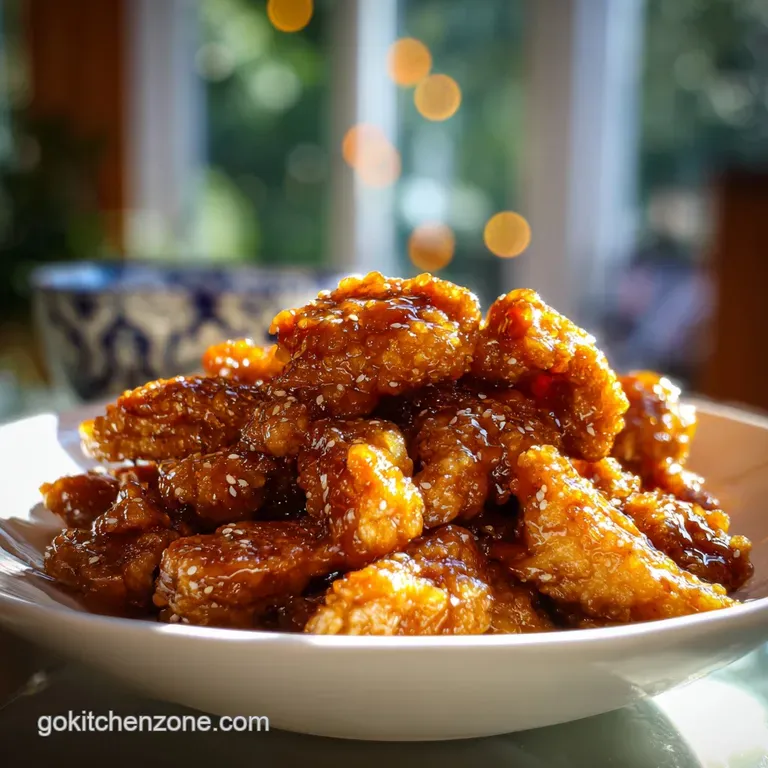
- Time: Active 15 minutes, Passive 15 minutes, Total 30 minutes
- Flavor/Texture Hook: Shatter crisp coating with a velvety, heat spiked honey finish
- Perfect for: High energy weeknight dinners or game day crowds
- Achieving The Best Crispy Hot Honey Chicken
- Why This Spicy Sweet Glaze Really Works
- Quick Precision Guide For Cooking Thighs
- Component Deep Dive Analysis
- Essential Ingredients and Smart Substitutes
- Heavy Duty Kitchen Equipment Needed
- Step-by-Step Cooking Instructions
- Avoiding Common Kitchen Disasters
- Scaling the Heat and Volume
- Cooking Method Comparison Guide
- Debunking Fried Chicken Myths
- How to Store and Keep Fresh
- Serving Suggestions
- High in Sodium
- Recipe FAQs
- 📝 Recipe Card
Achieving The Best Crispy Hot Honey Chicken
The first time I tried to make a version of this at home, I ended up with a kitchen full of smoke and chicken that was somehow both burnt and soggy. It was a Tuesday, I was starving, and the "dinner struggle" was very real.
I remember standing over the stove, watching the honey turn into a black, bitter sludge because I threw it in the pan too early. But when I finally heard that first "shatter" of a perfectly fried crust against my teeth, I knew I’d cracked the code.
That sizzle when the buttermilk soaked chicken hits the hot oil is one of the most satisfying sounds in a kitchen. It’s that specific, aggressive bubbling that tells you the moisture is escaping and the crunch is setting in.
We are going for a texture that holds up even after it’s smothered in that spicy, liquid gold. You want that contrast where the heat of the cayenne makes your tongue tingle, only for the wildflower honey to come in and smooth everything over.
This isn't just about putting honey on fried chicken. It’s about the balance of apple cider vinegar cutting through the fat and the smoked paprika giving it a depth that feels like it spent hours in a smoker. We are keeping it fast, keeping it simple, and making sure every bite is better than the last. If you're looking for something a bit more mellow later this week, you might like my Boursin Orzo with Chicken recipe, but tonight, we are turning up the heat.
Why This Spicy Sweet Glaze Really Works
- The Cornstarch Crunch: Mixing cornstarch with all purpose flour creates a lower protein coating that doesn't develop as much gluten, resulting in a crispier, more brittle "shatter" when fried.
- Acidic Tenderness: The lactic acid in 1 cup buttermilk breaks down the lean proteins in the 1.5 lbs boneless skinless chicken thighs, ensuring the meat stays tender even at high frying temperatures.
- Viscosity Control: Adding 1 tbsp apple cider vinegar to the 0.5 cup wildflower honey thins the glaze just enough to coat the chicken without making the breading instantly soggy.
- Capsaicin Suspension: Infusing the honey with 2 tsp red pepper flakes and 1 tsp cayenne pepper allows the heat to be evenly distributed in a fat and sugar matrix, preventing "hot spots" in the dish.
Quick Precision Guide For Cooking Thighs
| Meat Thickness | Internal Temp | Rest Time | Visual Cue |
|---|---|---|---|
| 1 inch pieces | 165°F | 3 minutes | Juices run clear, coating is deep golden |
| 2 inch pieces | 165°F | 4 minutes | Coating is mahogany brown and rigid |
| 0.5 inch strips | 165°F | 2 minutes | Edges are very dark and extremely firm |
Getting the temperature right is the difference between a dry bite and a succulent one. I always use an instant read thermometer because guessing with hot oil is a recipe for a bad time.
While these thighs are frying, you can really see the Maillard reaction taking place as the flour turns from pale to that gorgeous amber.
Component Deep Dive Analysis
| Ingredient | Science Role | Pro Secret |
|---|---|---|
| Buttermilk (1 cup) | Acidic Brine | Shake the carton vigorously before measuring to ensure even acidity distribution. |
| Cornstarch (0.5 cup) | Moisture Absorber | It creates tiny air pockets in the crust for a lighter, "glass like" crunch. |
| Smoked Paprika (1 tbsp) | Flavor Bridge | high-quality Spanish paprika adds a smoky "grilled" illusion to fried food. |
| Wildflower Honey (0.5 cup) | Glaze Base | Use room temperature honey so it incorporates the vinegar and spices without clumping. |
Essential Ingredients and Smart Substitutes
- 1.5 lbs boneless skinless chicken thighs: These stay juicy under high heat compared to breasts. Why this? Higher fat content prevents the meat from drying out during the fry.
- Substitute: Chicken breasts (cut smaller and reduce cook time by 2 minutes).
- 1 cup buttermilk: Acts as the glue for the flour and tenderizes the meat. Why this? The thick consistency ensures a heavy, shaggy crust develops.
- Substitute: 1 cup whole milk + 1 tbsp lemon juice (let sit 5 mins).
- 1 cup all purpose flour: The structural base of our breading. Why this? Provides the "chew" and bulk to the exterior coating.
- Substitute: gluten-free 1 to-1 baking flour (Note: may brown faster).
- 0.5 cup cornstarch: The secret to a long lasting crunch. Why this? It prevents the flour from becoming too doughy or soft.
- Substitute: Arrowroot powder or potato starch.
- 0.5 cup wildflower honey: The sweet vehicle for our heat. Why this? Wildflower honey has a complex floral note that pairs with spices.
- Substitute: Hot honey (store-bought) or maple syrup (flimsier glaze).
- 2 tsp red pepper flakes: Adds textured heat. Why this? They provide visual appeal and a slow burning spice.
- Substitute: Aleppo pepper for a milder, fruitier heat.
- 1 tsp cayenne pepper: The primary heat source. Why this? It dissolves into the honey for a consistent spicy kick.
- Substitute: Chili powder (much milder flavor profile).
- 1 tbsp apple cider vinegar: Balances the sugar. Why this? The tang cuts through the richness of the fried oil.
- Substitute: White wine vinegar or fresh lime juice.
Heavy Duty Kitchen Equipment Needed
1. Heavy Bottomed Skillet
A 12 inch cast iron skillet (like a Lodge) is your best friend here. It holds heat better than stainless steel, which means when you drop that cold chicken into the 2 cups canola oil, the temperature doesn't plummet.
2. Wire Cooling Rack
Never, and I mean never, drain fried chicken on paper towels. It creates steam underneath the chicken, which turns your hard earned crunch into mush. Set a wire rack over a baking sheet so air can circulate all around the pieces.
step-by-step Cooking Instructions
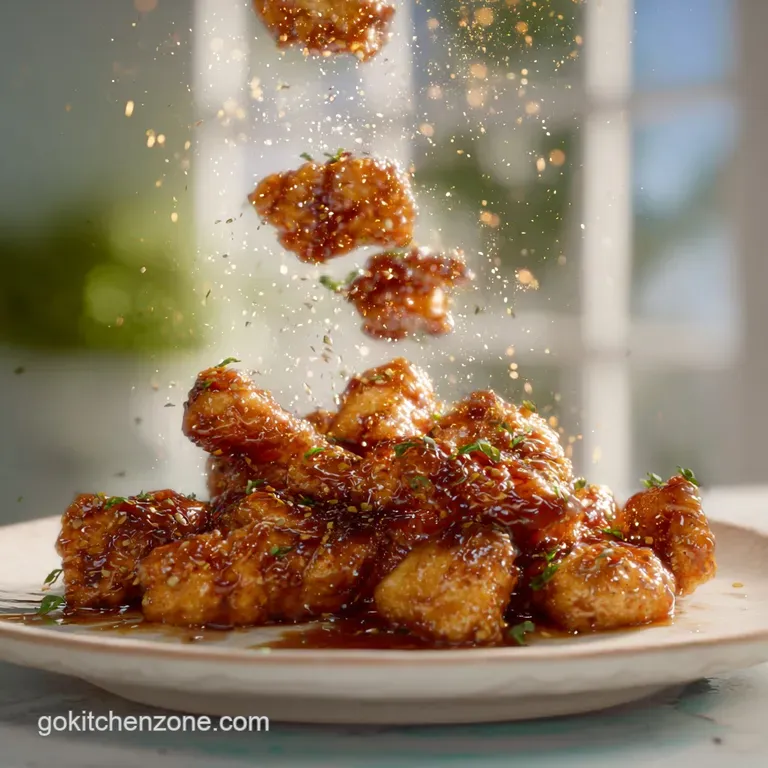
- Prep the chicken. Cut your 1.5 lbs chicken thighs into uniform 2 inch pieces. Note: Uniformity ensures every piece finishes cooking at the exact same time.
- Marinate in buttermilk. Place chicken in a bowl with 1 cup buttermilk and a pinch of salt. Let it hang out for at least 15 minutes. Until the meat looks slightly opaque and well coated.
- Mix the dry dredge. In a shallow dish, whisk together 1 cup all purpose flour, 0.5 cup cornstarch, 1 tbsp smoked paprika, 1 tsp garlic powder, 1 tsp onion powder, 1 tsp kosher salt, and 0.5 tsp black pepper.
- The Double Dredge Technique. Lift a piece of chicken from the buttermilk, let the excess drip, then press it firmly into the flour mixture. Note: Pressing hard creates those "shaggy" bits that turn into extra crunch.
- Heat the oil. Pour 2 cups canola oil into your skillet and heat over medium high. Until a pinch of flour sizzles immediately upon contact.
- Fry the batches. Carefully add chicken pieces, leaving space between them. Bake/fry for about 4-5 minutes per side. Until the crust is deep golden brown and the internal temp is 165°F.
- Drain the pieces. Move the chicken to your wire cooling rack. Note: Letting them rest for 3 minutes helps the crust "set" so it won't fall off.
- Simmer the honey. In a small saucepan, combine 0.5 cup wildflower honey, 2 tsp red pepper flakes, 1 tsp cayenne pepper, and 1 tbsp apple cider vinegar. Until tiny bubbles form around the edges.
- The Final Glaze. Place fried chicken in a large clean bowl and drizzle the warm honey mixture over the top. Toss gently. Until every crevice of the crust is glistening.
- Garnish and serve. Sprinkle with 1 pinch flaky sea salt while the glaze is still tacky.
Avoiding Common Kitchen Disasters
1. The Soggy Crust Syndrome
This usually happens because the oil wasn't hot enough or you overcrowded the pan. If you put too much chicken in at once, the oil temperature drops, and the chicken starts "boiling" in oil rather than frying. It’s a tragedy I’ve lived through too many times.
2. The Bitter Honey Burn
Honey has a high sugar content, which means it burns quickly. If you try to cook the chicken in the honey sauce in the skillet, you'll end up with a charred mess. Always fry first, then glaze at the very end.
| Problem | Root Cause | Solution |
|---|---|---|
| Coating falling off | Chicken was too wet | Pat chicken dry before buttermilk, or press flour in harder. |
| Meat is dry | Overcooked | Use a thermometer; thighs are forgiving but not invincible. |
| Sauce is too thick | Honey cooled down | Add a teaspoon of warm water or more vinegar to thin it out. |
Common Mistakes Checklist
- ✓ Ensure oil reaches 350°F before the first piece of chicken goes in.
- ✓ Don't skip the cornstarch; it's the insurance policy for your crunch.
- ✓ Use a neutral oil like canola or vegetable; olive oil has too low of a smoke point.
- ✓ Season the flour generously; the buttermilk washes some salt away.
- ✓ Let the honey infusion sit for 2 minutes off the heat to let the spice bloom.
Scaling the Heat and Volume
If you're cooking for a massive crowd (lucky them!), you can easily double this. For the UP scale, only increase the spices (cayenne/flakes) by 1.5x instead of 2x unless you want it dangerously spicy.
Liquids like the 1 cup buttermilk can be reduced by about 10% because you’ll have more surface area coverage in a larger bowl.
For a DOWN scale (dinner for one or two), you can use a smaller skillet and just 1 cup of oil. If you only have half an egg (not used here, but common in other recipes), you’d beat it and measure. Since we use buttermilk, just use a half cup and keep the ratios the same.
The fry time stays the same regardless of how many pieces you have in the house, but your batch count will change.
Cooking Method Comparison Guide
| Method | Time | Texture | Best For |
|---|---|---|---|
| Stovetop Fry | 15 minutes | Maximum crunch, traditional | The authentic experience |
| Air Fryer | 18 minutes | Lighter, less oily | Weeknight ease |
| Oven Baked | 25 minutes | Softer crust, very easy | Large batch meal prep |
Chef's Tip: If you’re using the air fryer, spray the chicken liberally with oil halfway through. Flour needs fat to turn into a crust; without it, you’ll just have dry white spots on your chicken!
Debunking Fried Chicken Myths
One of the biggest myths is that you need to deep fry in a massive pot of oil to get things crispy. You really don't. Shallow frying in a skillet with just 2 cups of oil works perfectly for these small pieces.
The contact with the bottom of the pan actually helps create a more interesting, uneven "crag" on the crust that catches the sauce better.
Another one I hear all the time is that you should salt your chicken right before it hits the oil. In reality, salting it earlier (even in the buttermilk) helps the salt penetrate the meat. If you only salt the outside, you’re left with a seasoned crust and bland meat.
We want flavor all the way through the 1.5 lbs of chicken.
How to Store and Keep Fresh
If you have leftovers (a rare occurrence), store them in an airtight container in the fridge for up to 3 days. To reheat, avoid the microwave at all costs! It will turn your Hot Honey Chicken into a rubbery sad version of itself.
Instead, pop them in a 350°F oven or an air fryer for 5 minutes. This brings back the "shatter" and melts the honey glaze back into the crust.
For zero waste, don't toss that leftover buttermilk! It’s great for pancakes or biscuits the next morning. If you have leftover honey sauce, drizzle it over roasted carrots or use it as a dip for crusty bread. Nothing goes to waste in this kitchen.
Serving Suggestions
I love serving this alongside something cool and creamy to balance the heat. A simple slaw or even some Country Fried Chicken recipe style gravy on the side (if you're feeling wild) works wonders.
If you want a full meal, do this: Serve over a bed of fluffy white rice to soak up the extra honey glaze. Pile it onto toasted brioche buns with pickles for a world class sandwich. Pair it with a cold, crisp cucumber salad to reset your palate between spicy bites.
This dish is all about that "wow" factor. It’s messy, it’s sticky, and it’s absolutely worth the extra napkins. Trust me, once you make this, the local takeout spot is going to miss you. It's a total weeknight hero. Let's crack on and get that oil heating!
High in Sodium
1045 mg mg of sodium per serving (45% % of daily value)
The American Heart Association recommends limiting sodium intake to about 2,300mg per day for most adults.
Tips to Reduce Sodium in this Recipe
-
Reduce Added Salt-25%
Eliminate or significantly reduce the 1 tsp of kosher salt in the flour mixture. Start with 1/2 tsp or less and adjust to taste after cooking.
-
Control Honey Glaze Sodium
The honey glaze ingredients include no-sodium additives. Focus on salt elsewhere to bring this dish down.
-
Spice It Up!
Enhance the flavor with more smoked paprika, garlic powder, onion powder, red pepper flakes and cayenne pepper. These additions can help compensate for less salt.
-
Fresh Herbs & Spices
Experiment with fresh herbs like parsley or thyme, and other spices such as cumin or coriander to add depth of flavor without adding sodium.
Recipe FAQs
Is hot honey good on chicken?
Yes, it is an excellent pairing. The intense sweetness and balancing acidity of the hot honey glaze provide a perfect counterpoint to the savory, fatty crunch of fried chicken.
What is hot honey made out of?
It is typically honey infused with chili heat. The basic components are pure honey, red pepper flakes, and a source of concentrated heat like cayenne pepper, often balanced with a touch of vinegar.
Is the hot honey chicken from Chipotle still available?
No, the Chipotle Hot Honey Chicken protein was a limited time offering and is generally not available. For a permanent, perfectly balanced sweet and heat profile, making it fresh is the best route.
How to make hot honey marinade for chicken?
Marinate chicken in buttermilk, not honey, before cooking. The honey mixture is a glaze applied after frying; the buttermilk tenderizes the meat and creates the perfect crust for the sauce to stick to later.
What is the secret to getting the crust extra crispy?
Incorporate cornstarch into your flour dredge for a brittle texture. The combination of flour and cornstarch prevents gluten formation, resulting in a lighter, shatteringly crisp exterior that holds up against the glaze.
What internal temperature must the chicken reach?
Chicken must reach an internal temperature of 165°F for safety. You can achieve this precise temperature using an instant read thermometer, ensuring the meat is cooked through without drying out the thighs.
Can I make a less spicy version for kids?
Yes, simply omit the cayenne and red pepper flakes from the honey. You can add a tiny pinch of smoked paprika for color, which is a flavor technique shared with our Chicken Broccoli Rice recipe.
Hot Honey Chicken Recipe
Ingredients:
Instructions:
Nutrition Facts:
| Calories | 718 calories |
|---|---|
| Protein | 32.6 g |
| Fat | 36.2 g |
| Carbs | 64.8 g |
| Fiber | 1.8 g |
| Sugar | 28.4 g |
| Sodium | 1045 mg |
